Enhancing critical thinking Normal Math Worksheets for Ages 3-9
6 filtered results
-
From - To
Unlock your child's potential with our "Enhancing Critical Thinking Normal Math Worksheets" designed for ages 3-9. These engaging worksheets promote problem-solving and analytical skills through fun math exercises tailored to young learners. From pattern recognition to basic arithmetic challenges, each activity encourages children to think critically and apply their knowledge in creative ways. Our thoughtfully crafted materials cater to different learning styles, ensuring every child thrives as they explore the world of numbers. Foster a love for math and build essential skills that will benefit your child throughout their academic journey and beyond. Start enhancing critical thinking today!

Identifying Living and Non–living Things Sorting Worksheet
 Assign to My Students
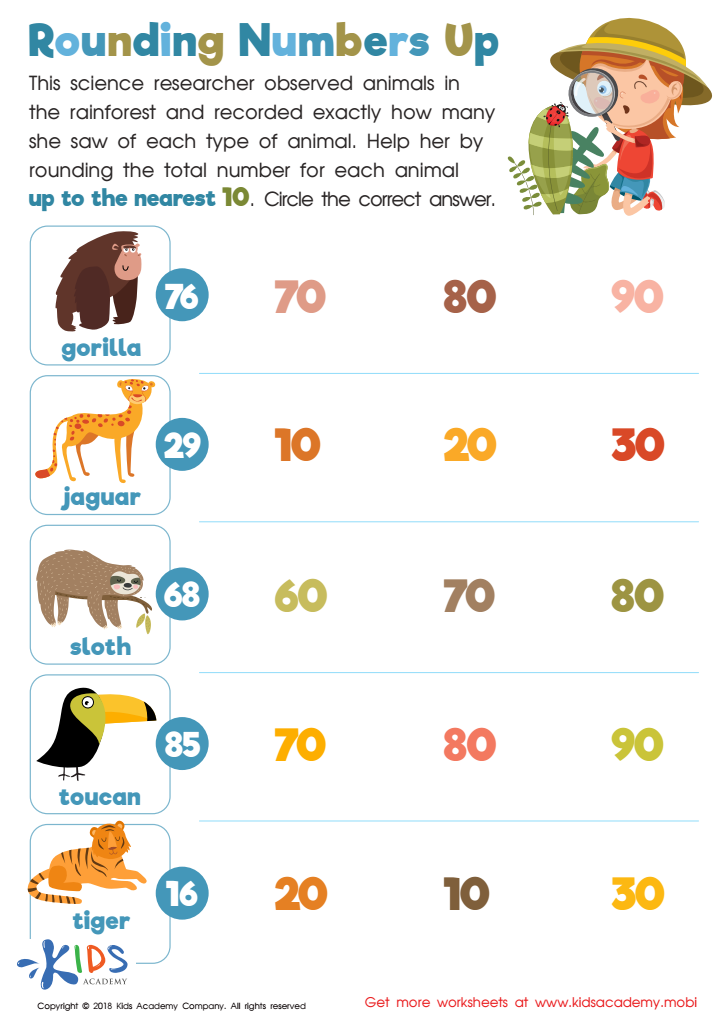
Rounding Numbers Up Worksheet
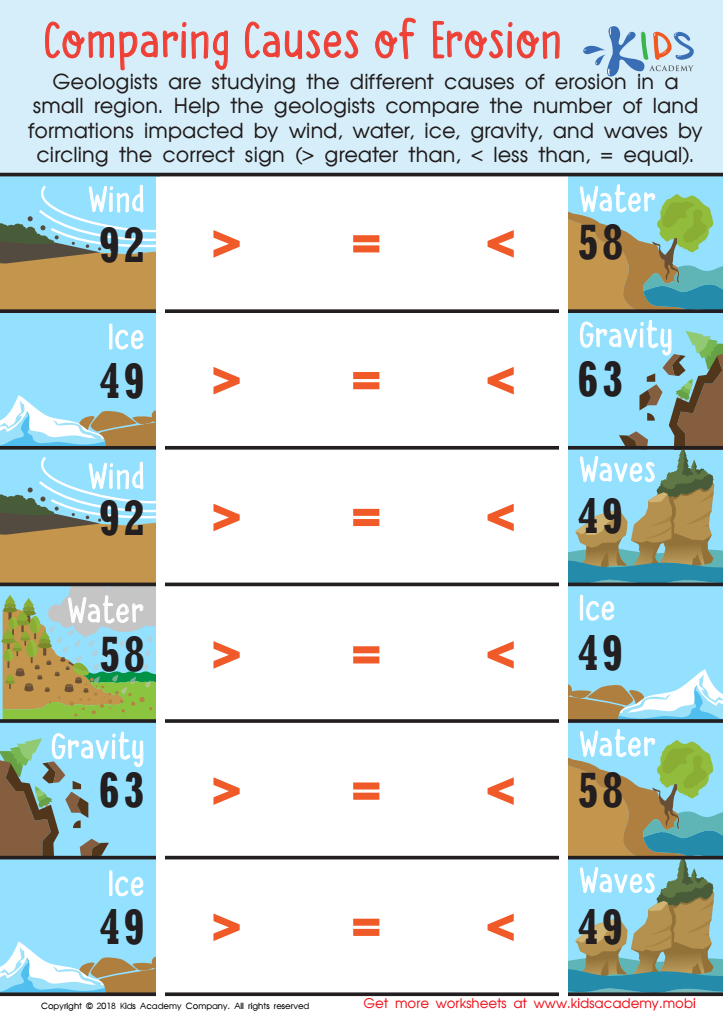
Comparing Causes of Erosion Worksheet
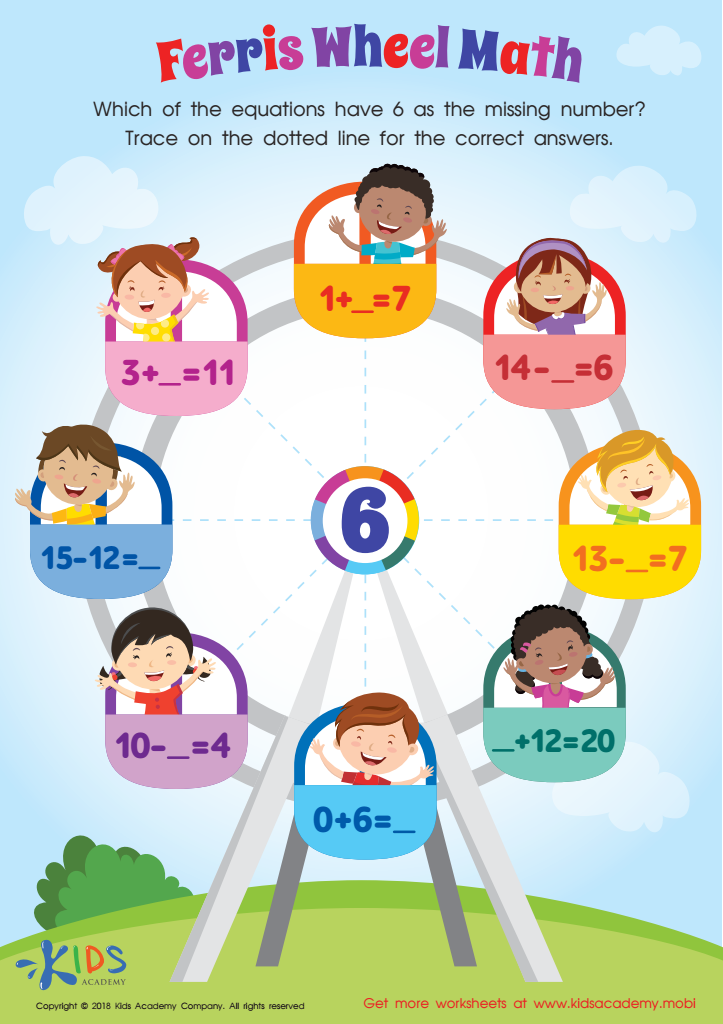
Missing Number: Ferris Wheel Math Worksheet
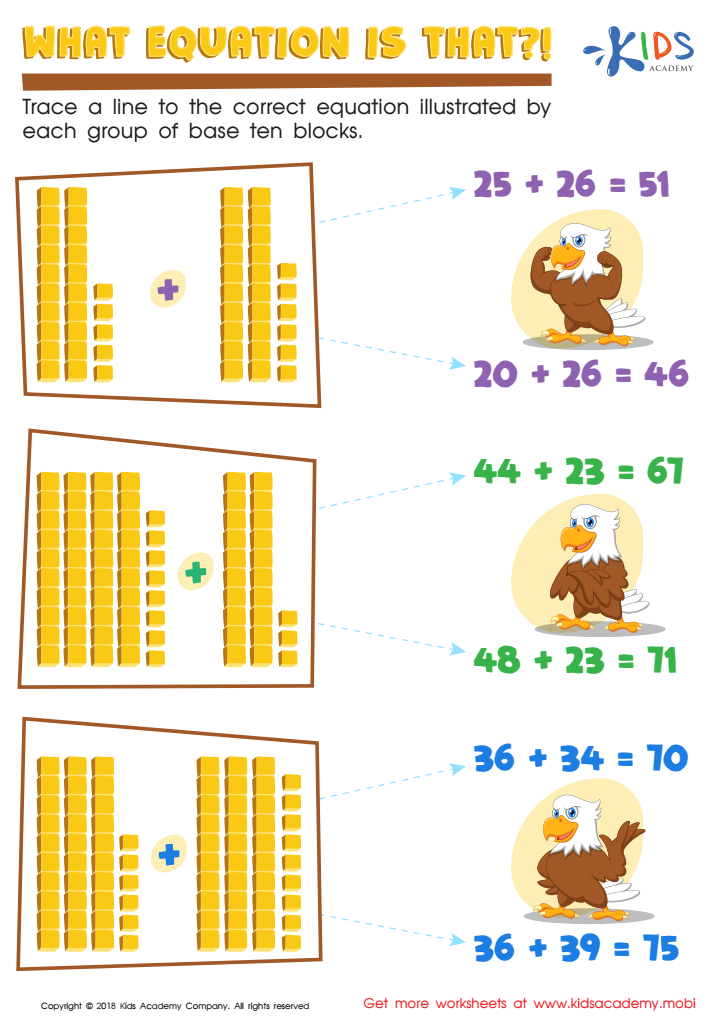
What Equation Is That? Worksheet
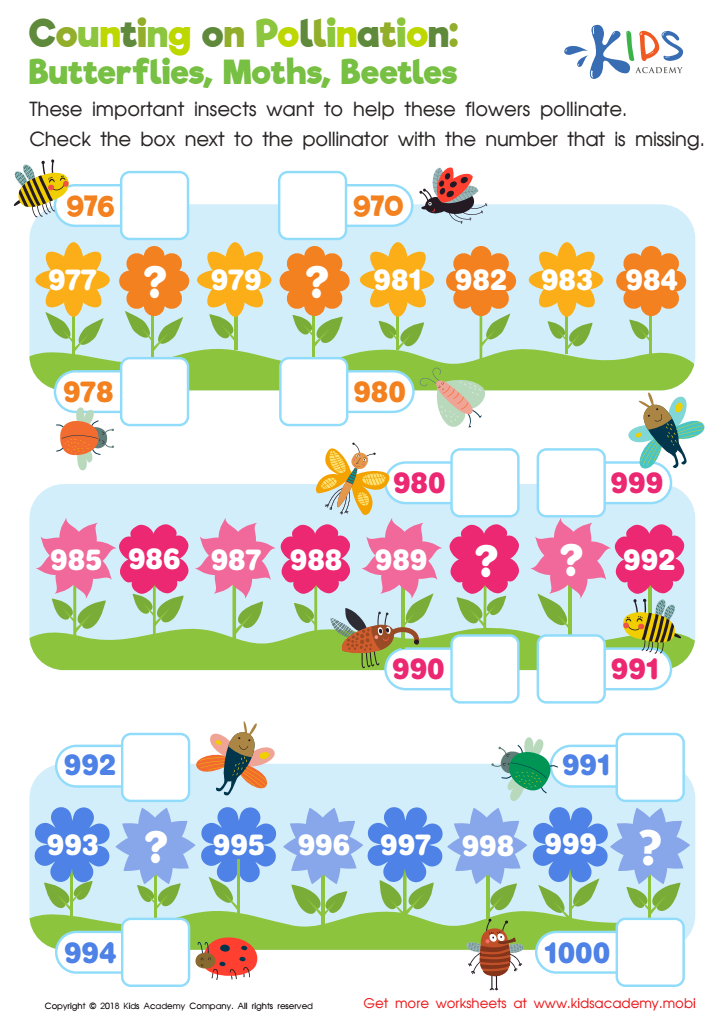
Counting on Pollination: Butterflies, Moths, Beetles Worksheet



.jpg)




Enhancing critical thinking in early math education for ages 3-9 is vital for several reasons. Firstly, this developmental stage is when children begin to build foundational skills that influence their future learning abilities. By nurturing critical thinking, parents and educators help children become problem solvers who can analyze situations and think independently. This is crucial for their overall cognitive development and success in later academic pursuits.
Moreover, critical thinking skills empower children to approach math in a more imaginative and confident manner. Instead of simply memorizing facts and procedures, they learn to understand concepts deeply, enabling them to apply their knowledge in various scenarios. This flexibility can spark a lifelong love for math and learning, reducing anxiety commonly associated with the subject.
Incorporating critical thinking into math also enhances communication skills, as children articulate their thought processes and reasoning. This not only strengthens their understanding but also encourages collaboration and discussion with peers.
Furthermore, in an increasingly complex world, the ability to think critically and solve problems will equip children with skills that extend beyond academics, preparing them for real-life challenges and fostering informed decision-making. Thus, focusing on critical thinking in early math is an investment in children's future success and well-rounded development.








