Logical thinking development Normal Math Worksheets for Ages 3-9
5 filtered results
-
From - To
Boost your child’s problem-solving skills with Kids Academy’s Logical Thinking Development Normal Math Worksheets for Ages 3-9. These expertly designed worksheets inspire young minds with engaging activities that build a strong foundation in logical reasoning. Through fun and interactive exercises, children will master essential skills such as pattern recognition, sequencing, and critical thinking. Perfect for home or classroom use, our printable worksheets are tailored to meet the unique needs of early learners, promoting confidence and academic success. Make learning math an enjoyable adventure, and help your child develop a lifelong love for problem-solving! Download today and watch your child thrive.
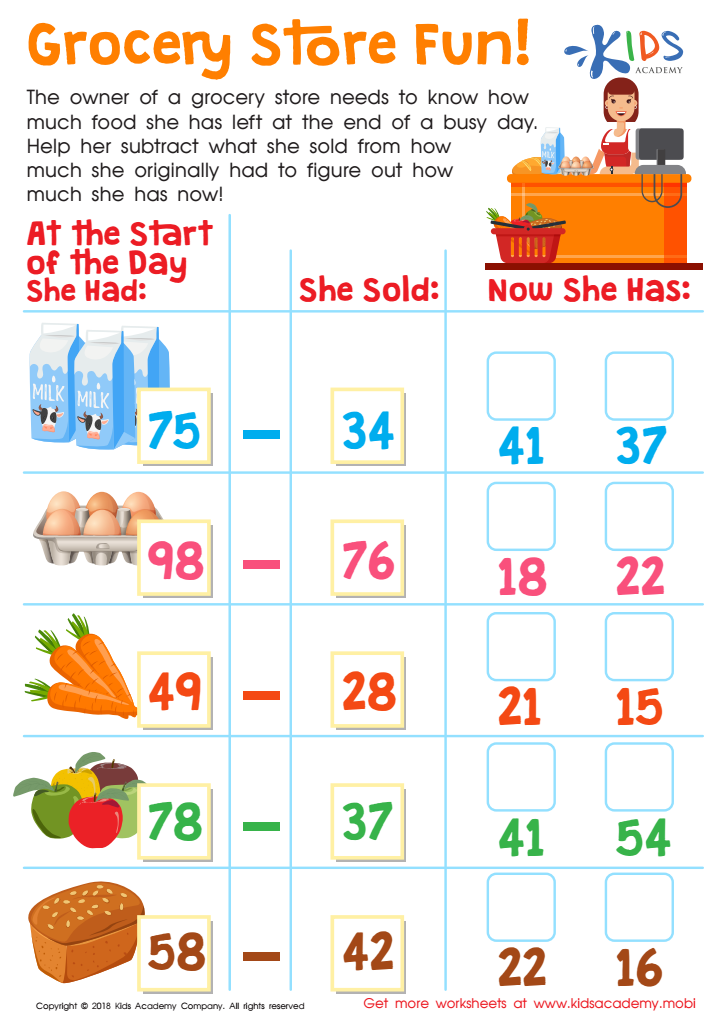
Grocery Store Fun! Worksheet
 Assign to My Students
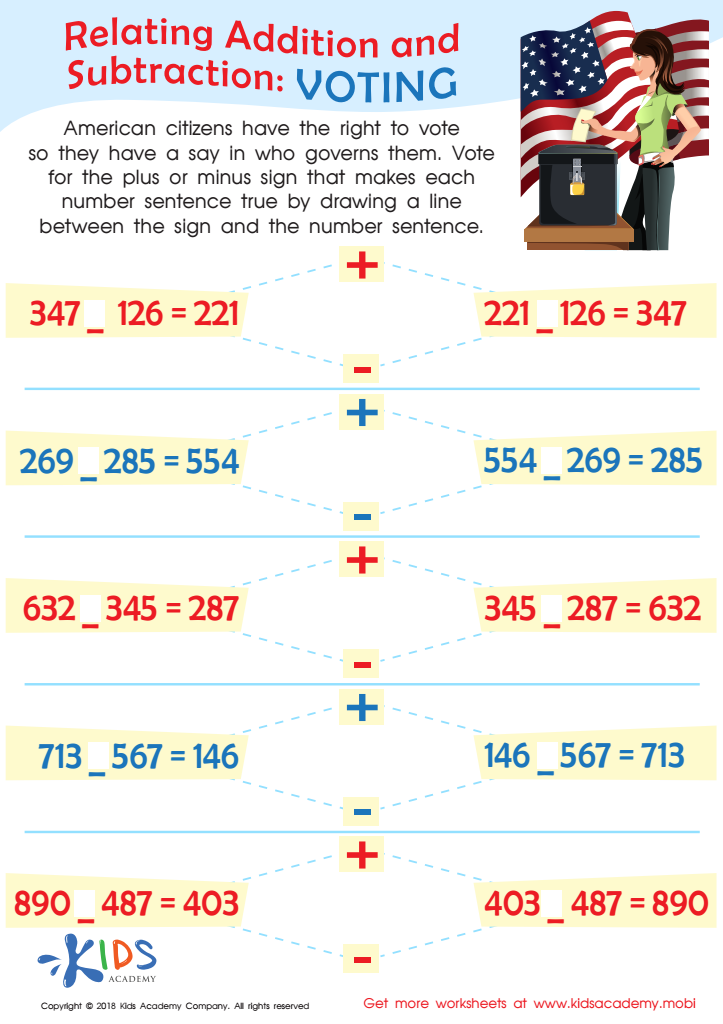
Voting Worksheet
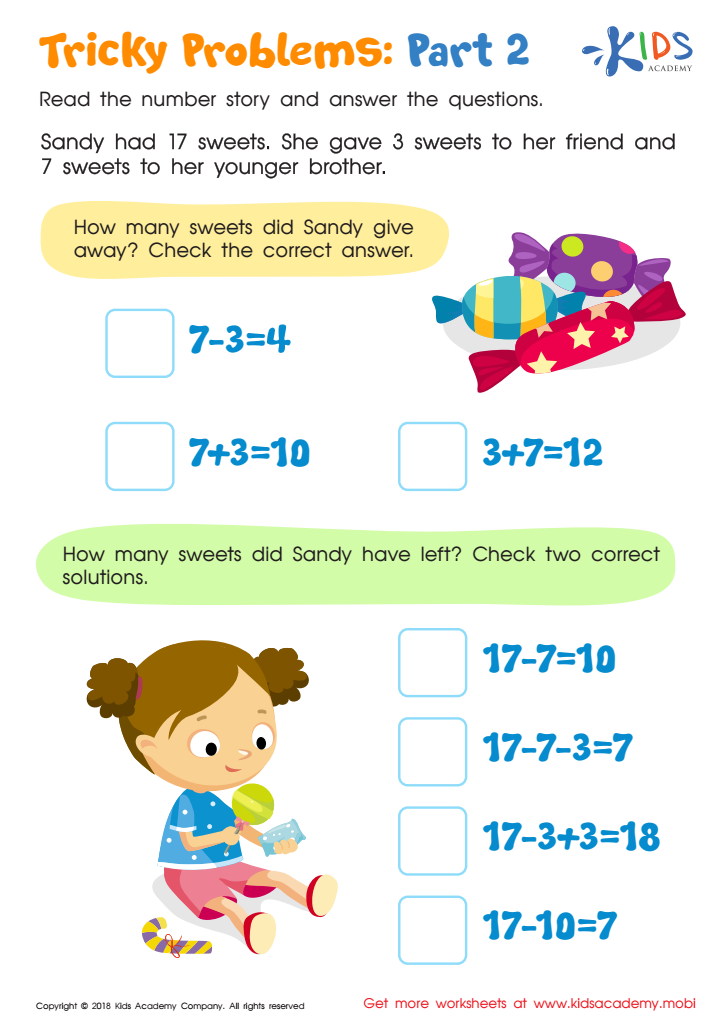
Tricky Problems Worksheet: Part 2
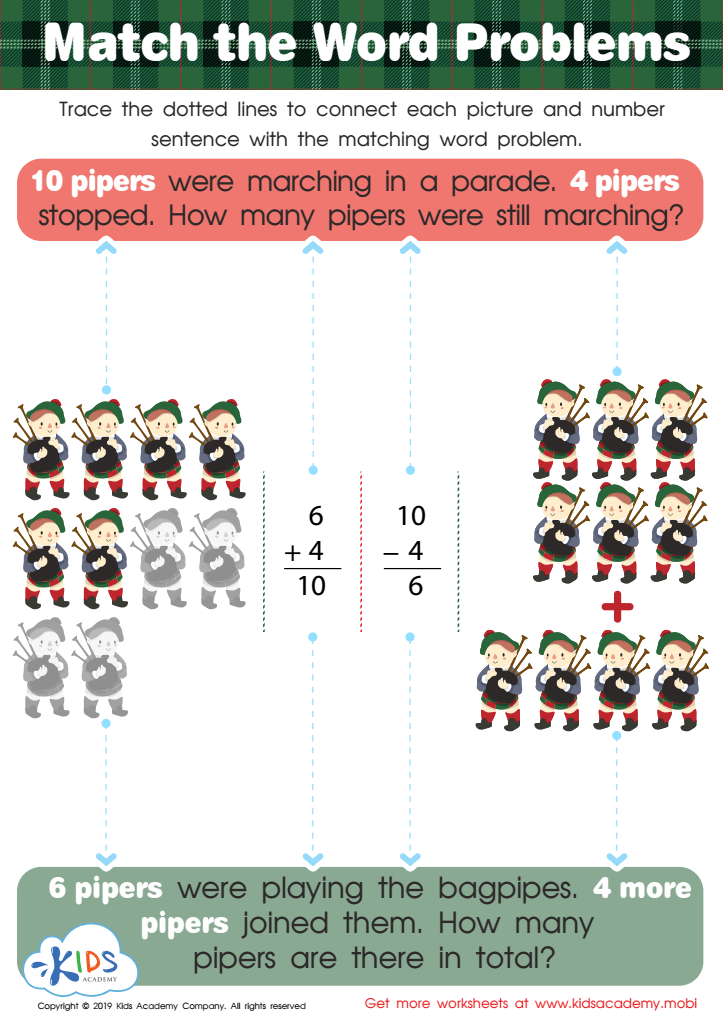
Match the Word Problems Worksheet
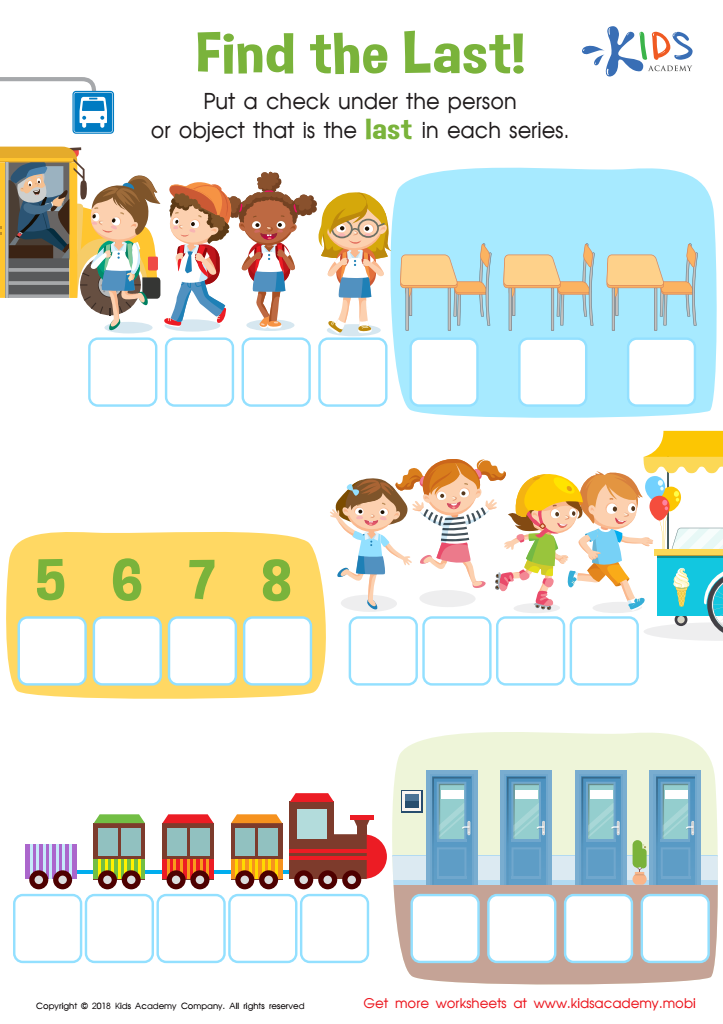
Find the Last! Worksheet








Logical thinking is fundamental to a child's cognitive development, impacting not only their academic success but also their ability to solve problems in everyday life. For children aged 3-9, nurturing these abilities while learning basic math can lay a strong foundation for future learning.
At this stage, children's brains are highly receptive, making it an ideal time to introduce concepts of logic and reasoning. Logical thinking skills help children understand sequences, patterns, and relationships between numbers, all of which are crucial for grasping more complex math concepts later in life. For example, recognizing patterns helps in learning number sequences, addition, and subtraction.
Additionally, logical thinking promotes problem-solving abilities. When young children learn to think logically, they can approach mathematical problems systematically. This systematic thinking is essential in developing critical thinking skills, which are useful across various subjects and real-life situations.
Parents and teachers play a pivotal role in this development. Through engaging activities—like puzzles, games, and hands-on manipulatives—adults can make learning math fun and interactive, which fosters a positive attitude toward the subject. Moreover, when logical thinking is respected and encouraged in early education, it sets children up for a lifelong appreciation and understanding of math, enhancing their academic and personal growth.








