Number Writing Practice Normal Math Worksheets for Ages 3-9
5 filtered results
-
From - To
Help young learners master their numbers with our Number Writing Practice Normal Math Worksheets for ages 3-9. These engaging worksheets are designed to make number writing fun and easy for children. From tracing numbers and counting exercises to simple math problems, each worksheet is tailored to enhance your child’s numerical skills and confidence. Perfect for preschoolers, kindergarteners, and early elementary students, our worksheets introduce vital math concepts in a clear and practical way. Empower your child with the tools they need to excel in math through interactive practice. Download and print today and watch their skills flourish!
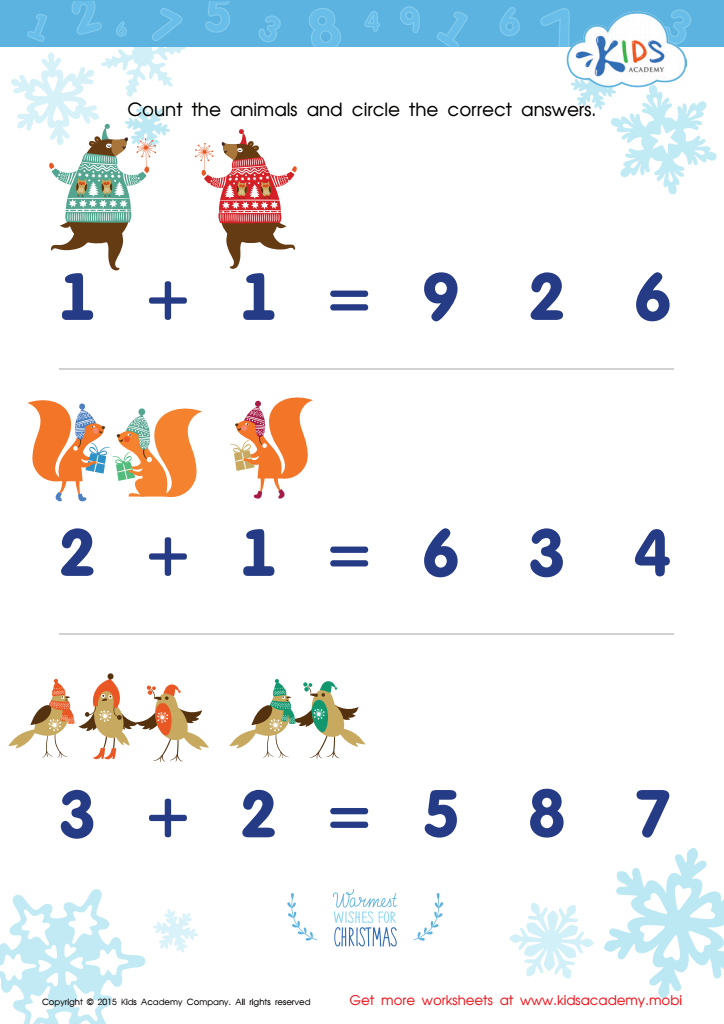
Count Funny Animals Worksheet
 Assign to My Students
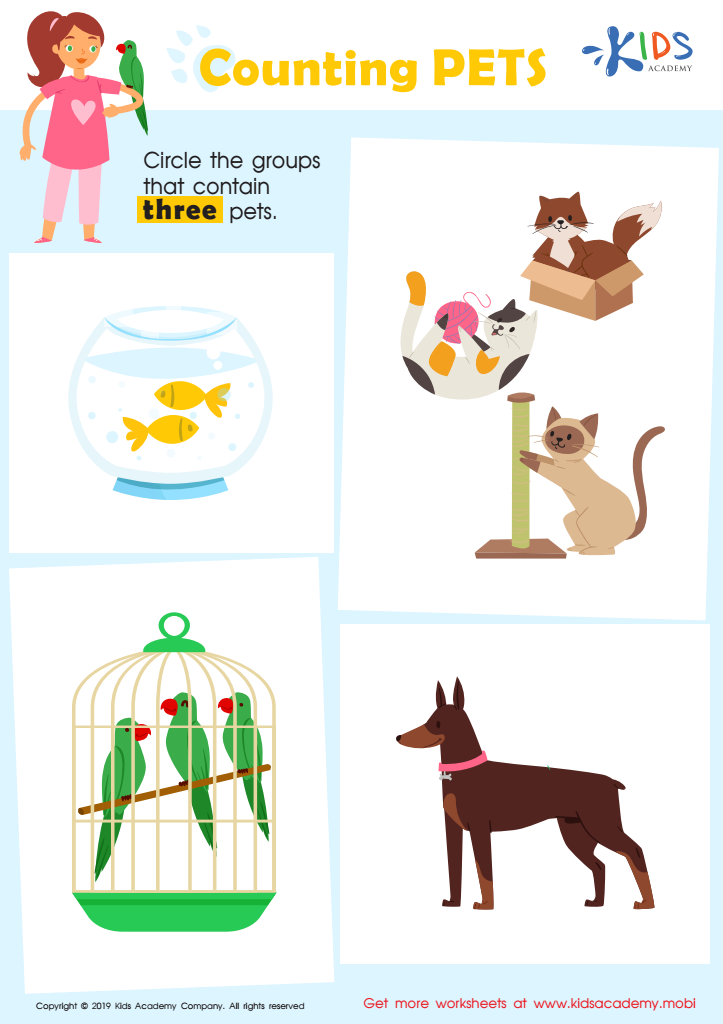
Counting Pets Worksheet
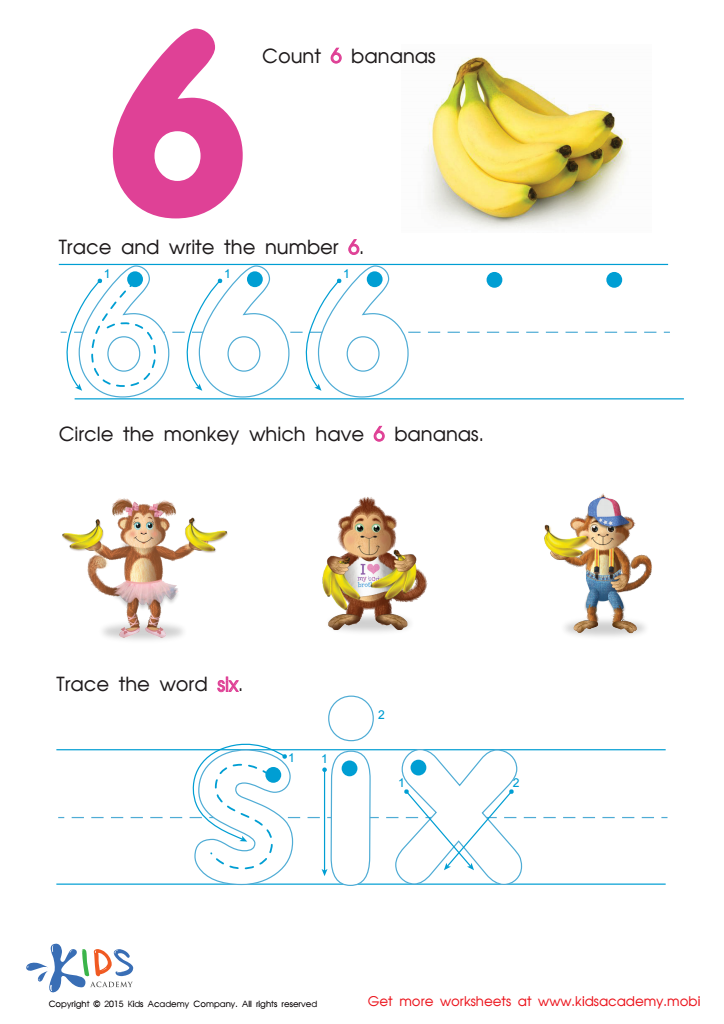
Tracing And Writing Number 6 Worksheet
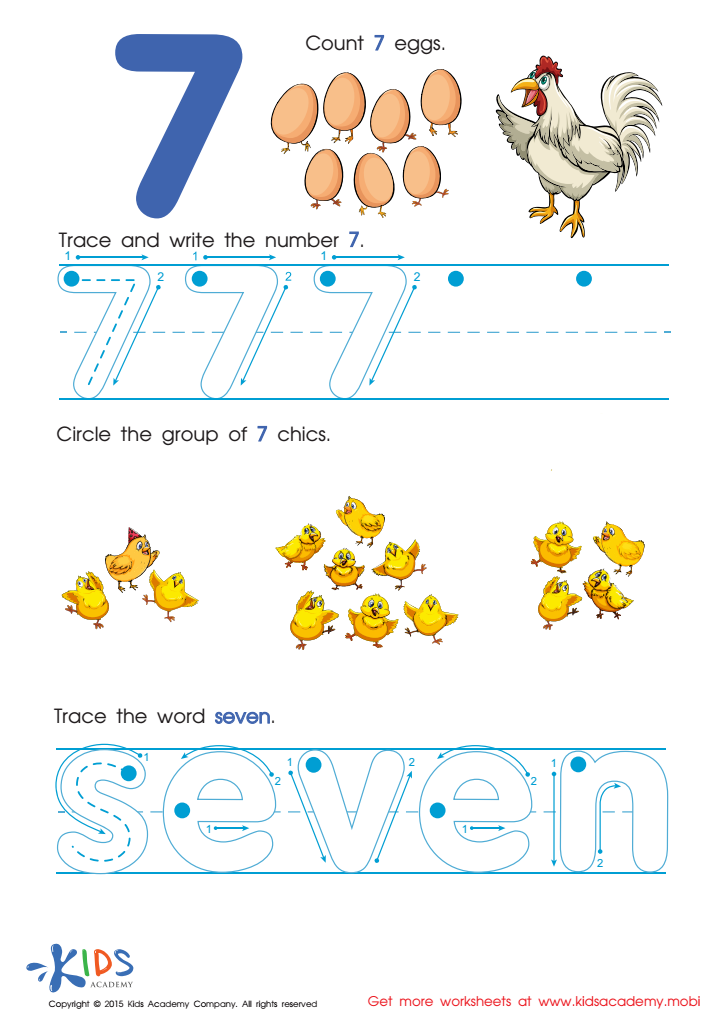
Trace And Write Number 7 with Fun Worksheet
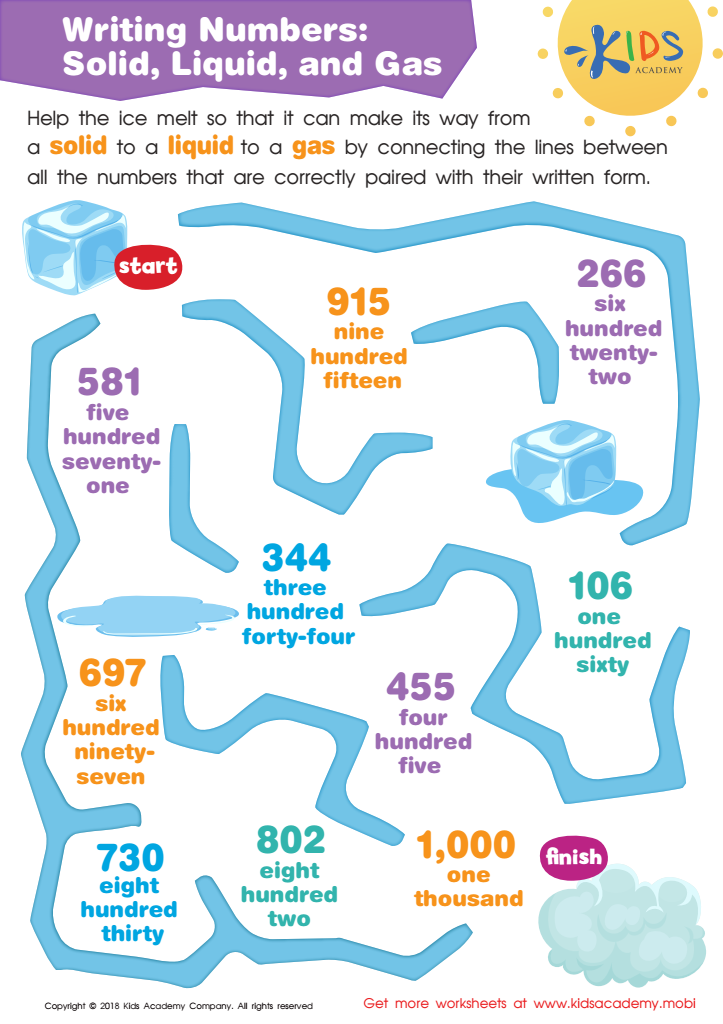
Solid, Liquid, and Gas Writing Numbers Worksheet








Number writing practice in early childhood is crucial for several reasons. Firstly, it lays a solid foundation for mathematics, an essential life skill. Learning to write numbers helps children develop fine motor skills, hand-eye coordination, and cognitive abilities, which are vital for academic success. It instills in them an understanding of number recognition, sequence, and basic arithmetic before they delve into more complex topics.
For parents and teachers, emphasizing number writing practice for ages 3-9 ensures children are adequately prepared for kindergarten and elementary school curriculums. Evolving these skills early also helps cultivate their confidence and enthusiasm for math, making it less likely for them to develop math anxiety later in life.
Furthermore, integrating number writing with other activities helps children draw connections between numbers and real-world applications. For example, counting toys, measuring ingredients, and telling time are everyday tasks reinforcing numerical skills in practical contexts.
By focusing on number writing practice, parents and teachers can provide a supportive environment that accommodates diverse learning styles, ensuring that each child progresses at their own pace. This groundwork not only keeps young learners engaged but also prepares them for academic challenges ahead, promoting lifelong skills and a love for learning.








