Sorting skills Normal Math Worksheets for Ages 3-9
8 filtered results
-
From - To
Enhance your child's sorting skills with our engaging Normal Math Worksheets designed for ages 3-9. These interactive worksheets help young learners understand classification and categorization through fun, age-appropriate activities. As children sort various objects, they develop critical thinking and observational skills essential for foundational math concepts. Our worksheets cover a variety of themes and difficulties, ensuring a tailored learning experience for every child. Ideal for both classroom settings and at-home practice, these sorting activities promote cognitive development while keeping learning enjoyable. Encourage your child's love for math with colorful, inviting, and effectively designed worksheets that make sorting a breeze!
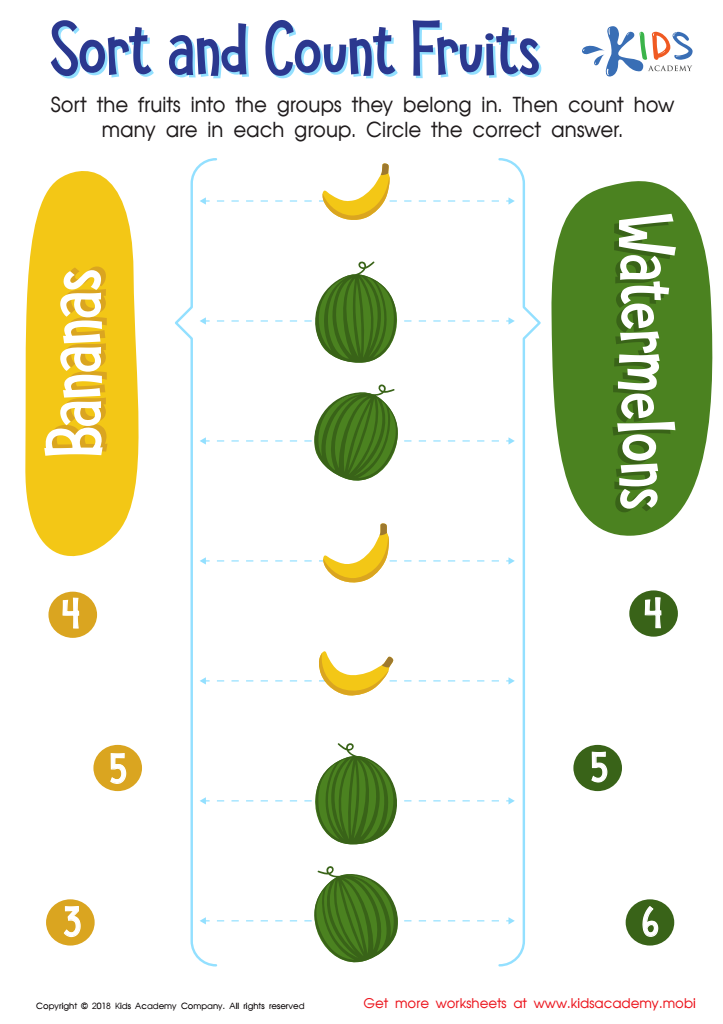
Sort and Count Fruits Worksheet
 Assign to My Students
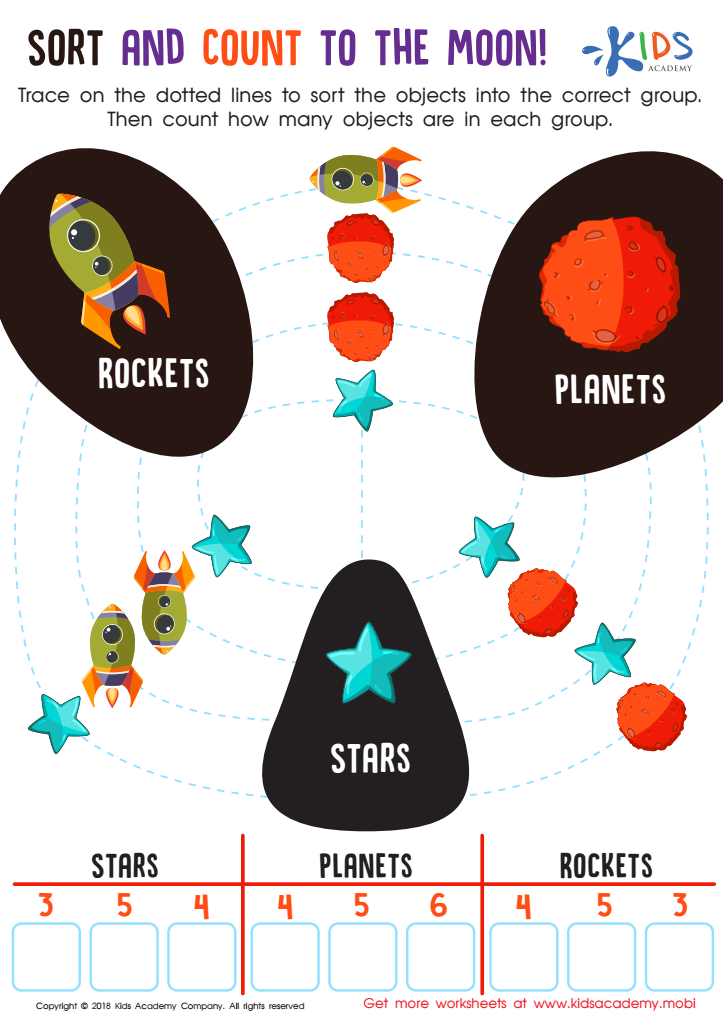
Sort and Count to the Moon Worksheet
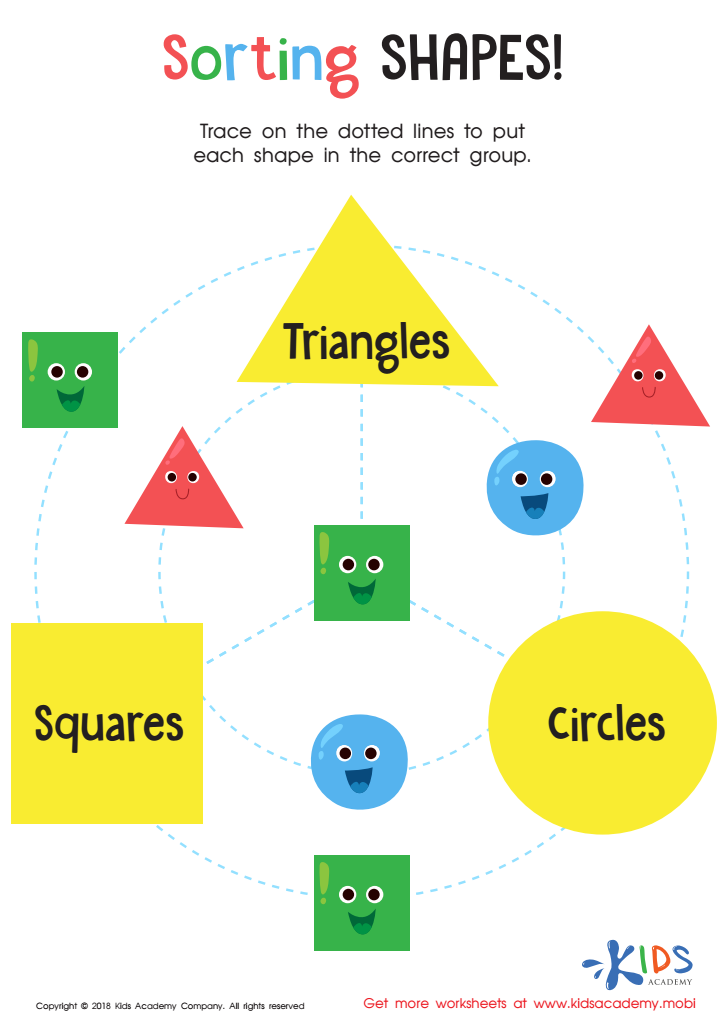
Sorting Shapes - Part 3 Worksheet
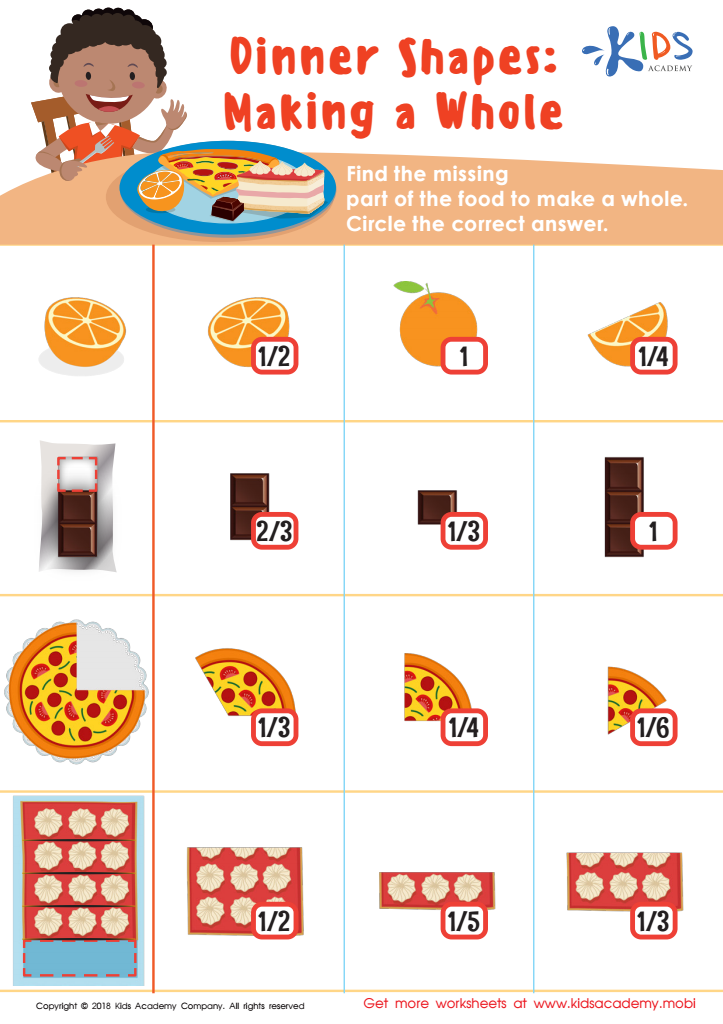
Dinner Shapes: Making a Whole Worksheet
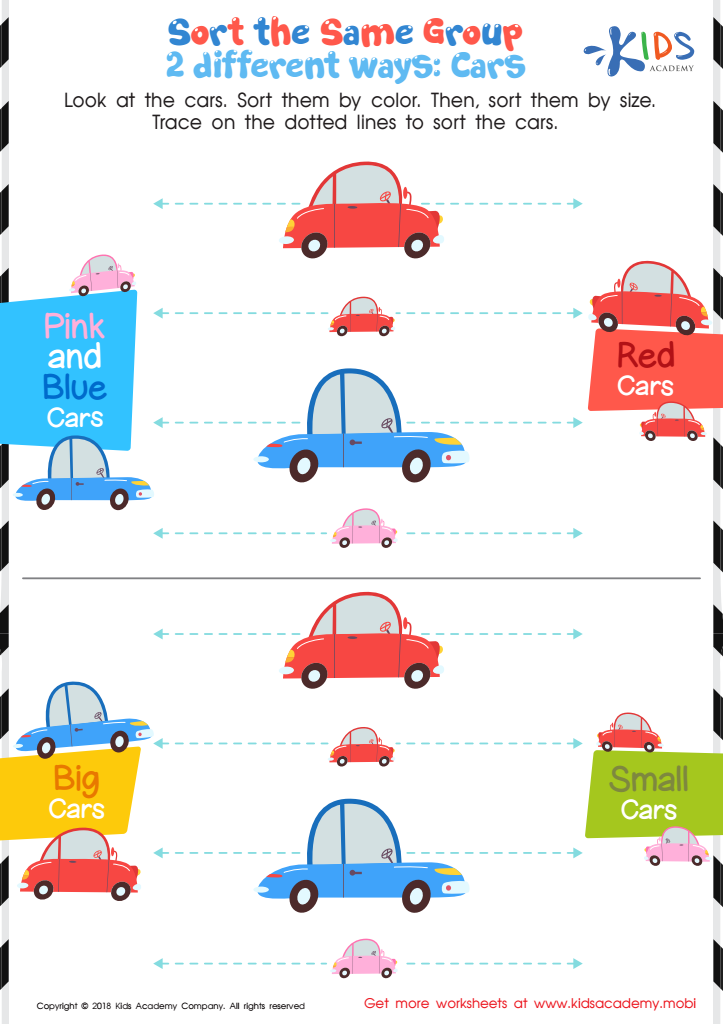
Sort the Same Group 2 Different Ways: Cars Worksheet
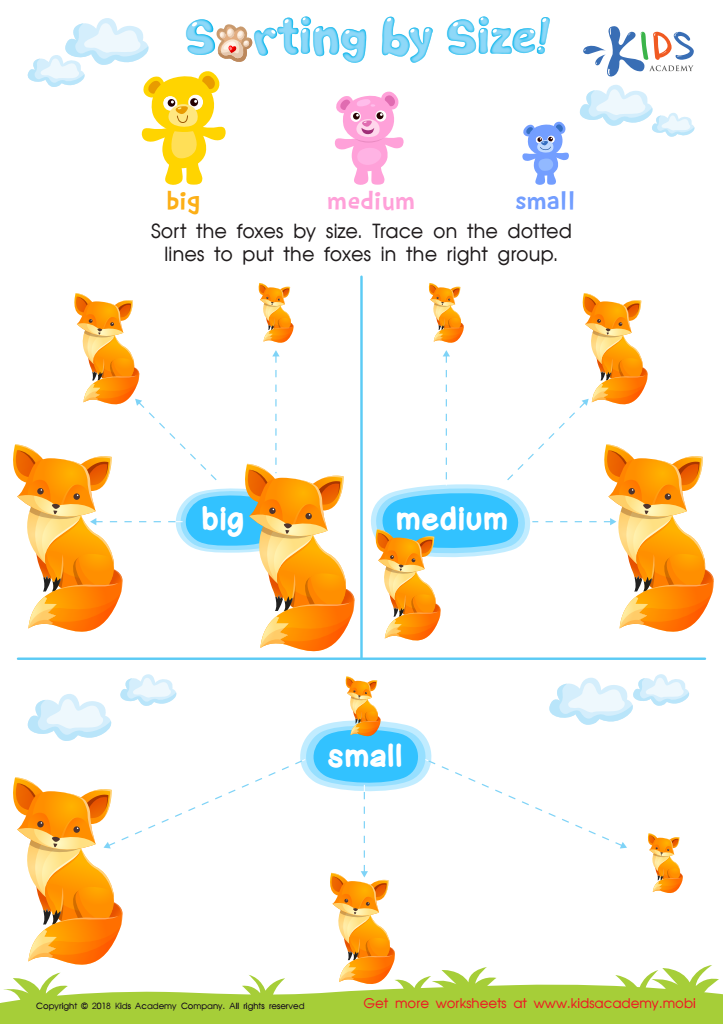
Sorting by Size Worksheet
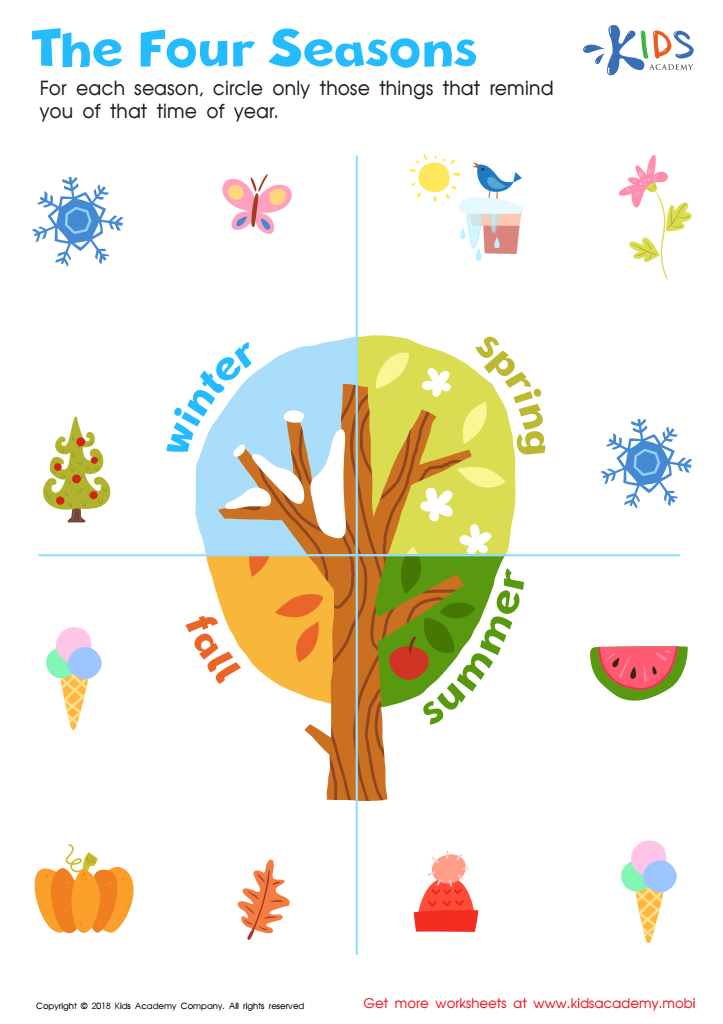
The Four Seasons Worksheet








Sorting skills are foundational for young children's cognitive development and play a crucial role in their mathematical understanding. For parents and teachers of children ages 3-9, fostering sorting skills is vital because it introduces essential concepts like categorization, comparison, and pattern recognition. When children sort objects, they learn to identify similarities and differences, enhancing their ability to organize their thoughts and make connections - both critical skills in math and other academic areas.
Moreover, sorting activities engage children in hands-on learning, making math playful and enjoyable. This hands-on experience helps them grasp abstract mathematical concepts more easily, such as grouping and number relationships. It’s an essential precursor to more complex skills like addition, subtraction, and ultimately problem-solving.
Additionally, sorting enhances logical thinking and decision-making as children determine criteria for sorting and evaluate their choices. Parents and teachers can utilize everyday objects, such as toys, colors, or shapes, to support sorting skills in natural, engaging ways.
Overall, by emphasizing sorting, we lay a robust groundwork for math literacy while fostering critical thinking and creativity in young learners, ultimately supporting their future academic success and lifelong learning.








