
Understanding symmetry Normal Math Worksheets for Ages 3-9
3 filtered results
Difficulty Level
Grade
Age
-
From - To
Subject
Activity
Standards
Explore the fascinating world of symmetry with our engaging math worksheets designed for children ages 3-9! These worksheets offer a variety of activities that help young learners grasp the concept of symmetry through fun visuals and hands-on experiences. From identifying symmetrical shapes to completing patterns, our easy-to-follow exercises promote critical thinking and creativity. Ideal for home or classroom use, these resources cater to various learning styles, ensuring that every child can master this essential math skill. Foster a love for learning with our "Understanding Symmetry" worksheets—perfect for inspiring curiosity and building foundational math knowledge! Start your symmetry adventure today!
Favorites
With answer key
Interactive
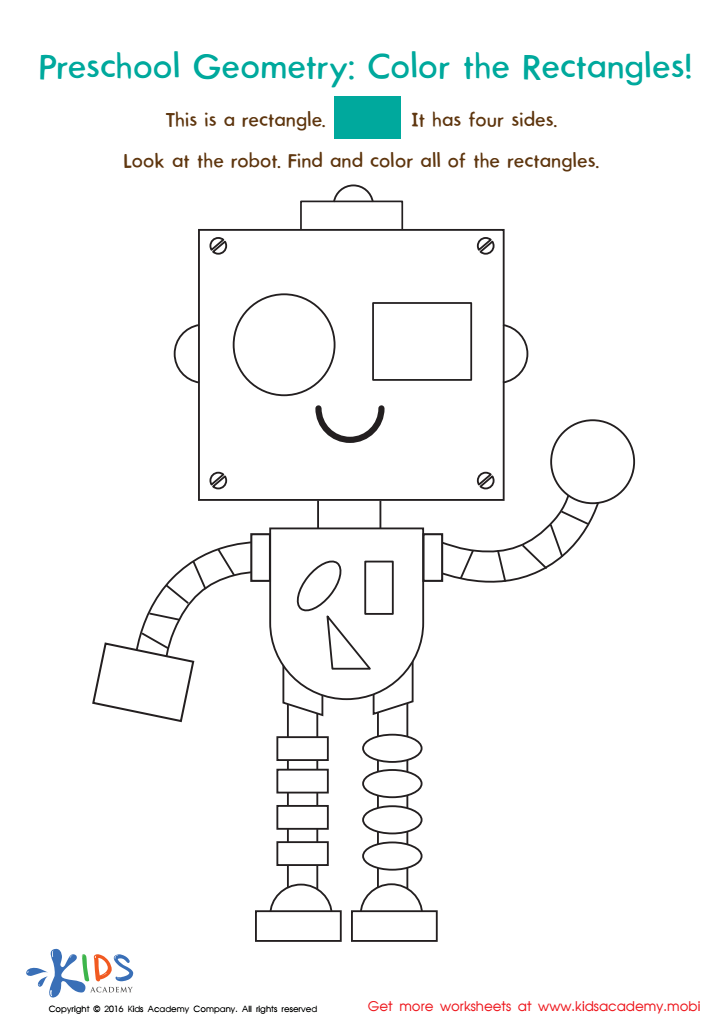
Geometry Worksheet
Geometry can be fun for kids! They explore shapes that create their favorite pics and objects. This preschool worksheet explains that rectangles have four sides, then kids color rectangles on a funny robot!
 Assign to My Students
Geometry Worksheet
Worksheet
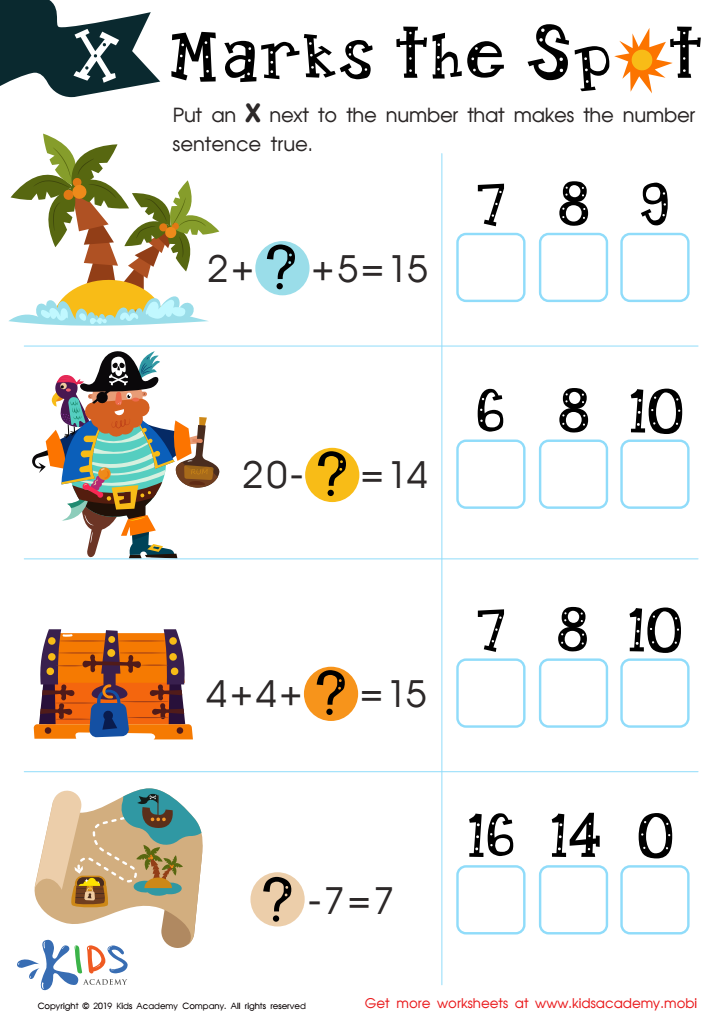
X Marks the Spot Worksheet
Let your kids explore the world of pirates! Ask them what they know about them, what they do and the phrases they like. Download the printout and point at the images, asking them to tell you what they see. Help them tick the box for the number that makes the sentence true. Let them have fun learning about pirates! (80 words)
X Marks the Spot Worksheet
Worksheet
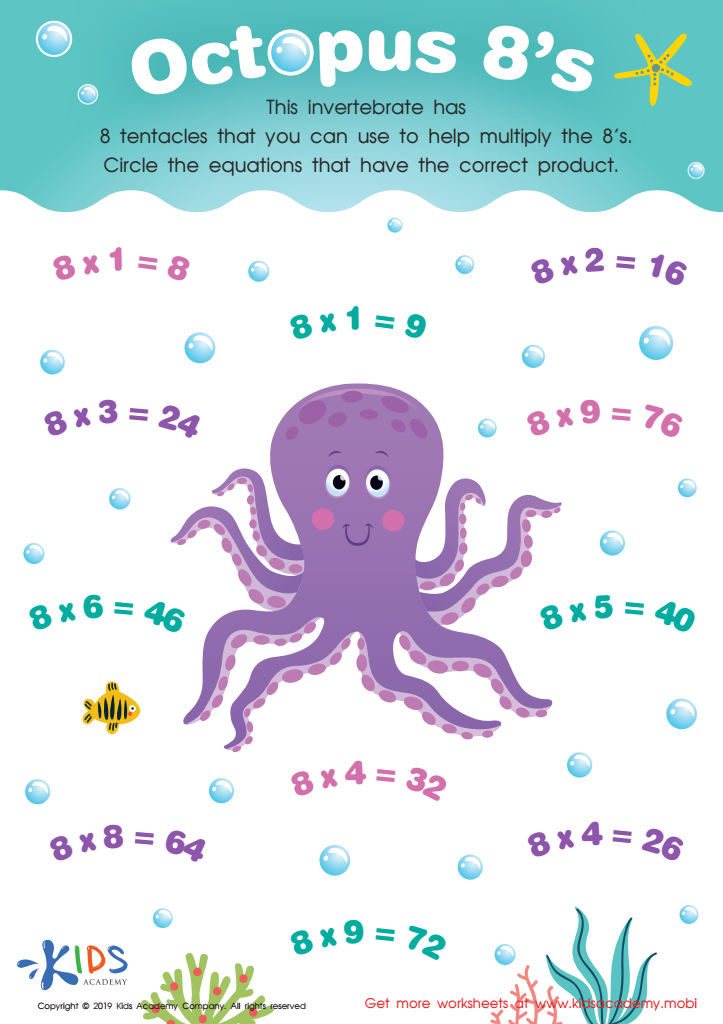
Octopus 8’s Worksheet
Can your child identify the octopus in the worksheet? It's an invertebrate with 8 tentacles. Have your child circle the equations with the correct products, and see if they can tell you some other features of the octopus too.
Octopus 8’s Worksheet
Worksheet
Join Kids Academy for Free
Who is primarily going to use this learning content?



.jpg)


.jpg)

Understanding symmetry is crucial for children aged 3-9 as it forms the foundation for mathematical concepts and critical thinking skills. For parents and teachers, recognizing its importance can enhance a child's cognitive development and discovery of the world around them.
Symmetry helps children learn about patterns, shapes, and spatial awareness, which are essential elements in early math education. When children recognize symmetrical patterns in nature, art, and everyday objects, they develop observational skills and an enhanced appreciation for their environment.
Additionally, grasping symmetry fosters problem-solving abilities. Learning to identify and create symmetrical designs engages children in hands-on activities that promote creativity and imagination. When teachers integrate symmetry into lessons, they not only make math fun but also encourage collaboration and communication among peers.
Moreover, understanding symmetry prepares young learners for more complex mathematical concepts like geometry and algebra. An early introduction nurtures mathematical fluency, paving the way for future academic success.
In short, embracing the concept of symmetry equips children with critical skills for learning, exploration, and creativity, while empowering parents and teachers to support holistic mathematical understanding in a developmental and engaging way.








