Visual discrimination Normal Matching Worksheets for Ages 3-9
3 filtered results
-
From - To
Discover our engaging "Visual Discrimination Normal Matching Worksheets" designed for children ages 3-9! These worksheets provide a fun and interactive way for young learners to enhance their visual discrimination skills. By matching similar images, kids develop critical early cognitive abilities while building concentration and attention to detail. Ideal for educators and parents alike, these resources encourage independent learning and can be easily integrated into home schooling or classroom activities. Each worksheet is crafted to hold children's interest, fostering a love for learning at an early age. Explore these valuable tools today to support your child's educational journey!
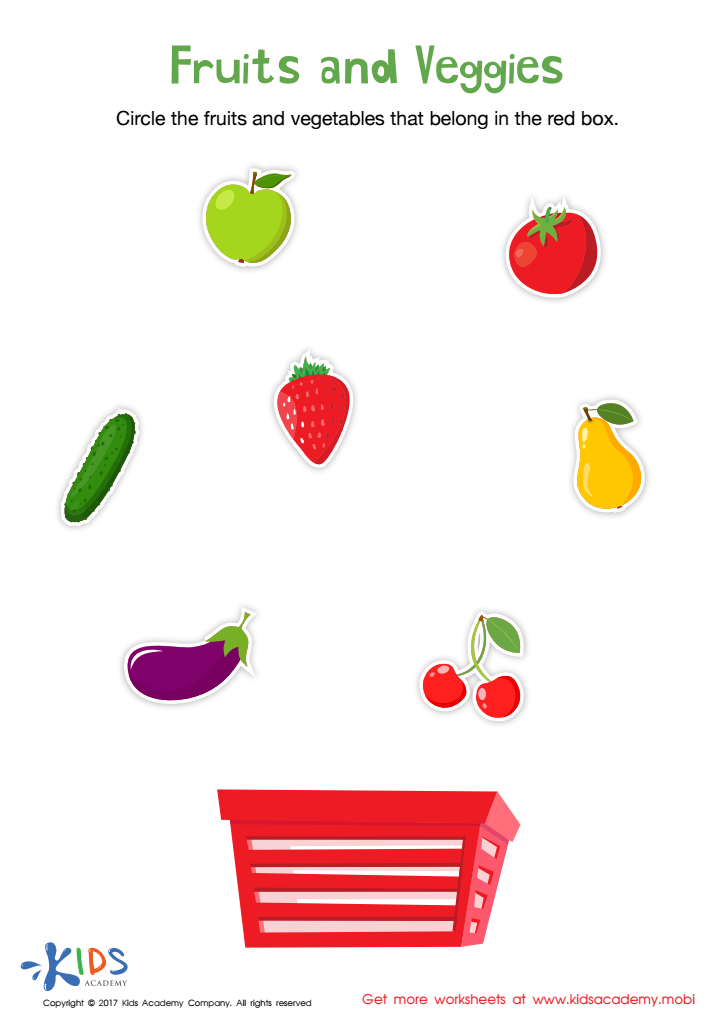
 Assign to My Students
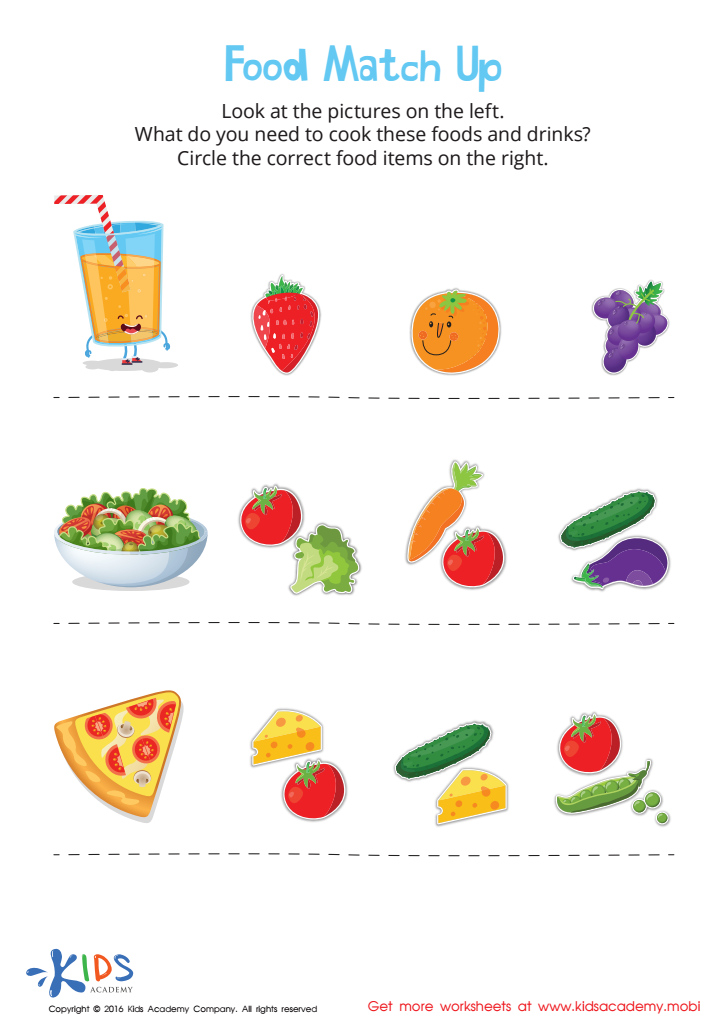
Food Match Up Worksheet
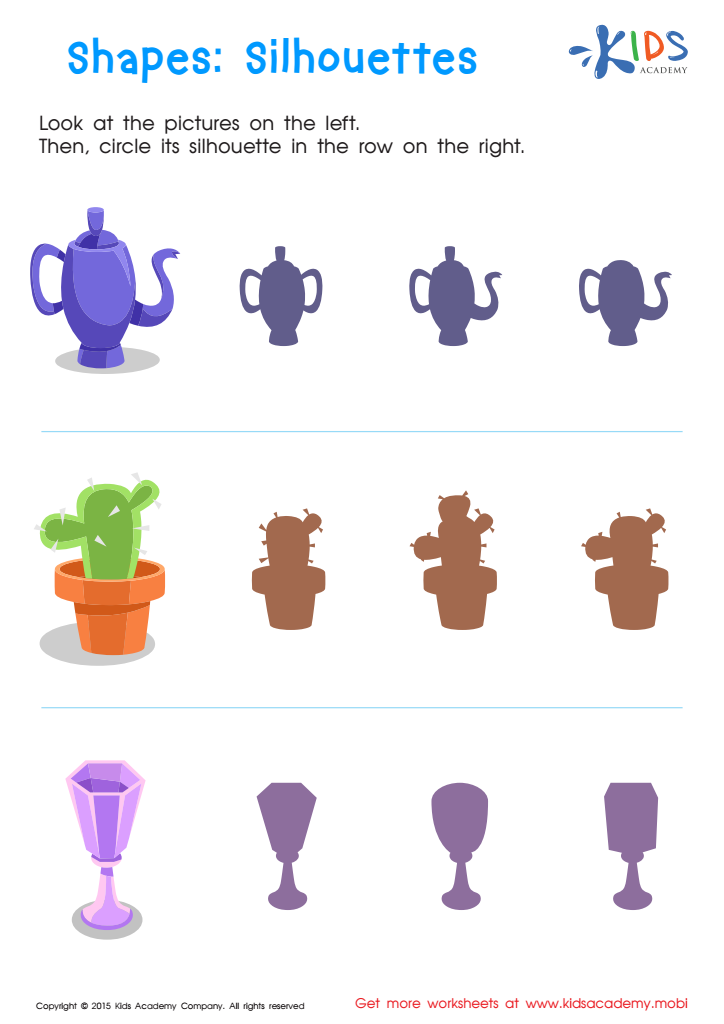
Silhouettes – Shapes Worksheet








Visual discrimination normal matching is crucial for children aged 3-9 as it lays the foundation for essential learning skills. This ability refers to the capacity to identify similarities and differences among visual elements, enabling children to recognize shapes, letters, numbers, and patterns. Parents and teachers should care about this skill because it greatly impacts early literacy, numeracy, and critical thinking abilities.
At this developmental stage, children are rapidly learning to read and write. Strong visual discrimination skills help them distinguish between similar-looking letters, like "b" and "d," or numbers such as "6" and "9," thereby preventing confusion that could hinder their progress in literacy and mathematics. Moreover, visual matching activities encourage focused attention and cognitive flexibility, essential for problem-solving and decision-making.
Improving visual discrimination also fosters observational skills, enhancing children's ability to analyze their surroundings, which is vital for science and art appreciation. Ultimately, nurturing these skills through engaging activities at home and in the classroom empowers children to build confidence, improves their overall academic performance, and prepares them for future learning challenges. Thus, prioritizing visual discrimination in early education is an investment in a child's cognitive development and lifelong learning skills.








