Spelling practice Normal Building Vocabulary Worksheets for Ages 3-9 - Page 2
29 filtered results
-
From - To
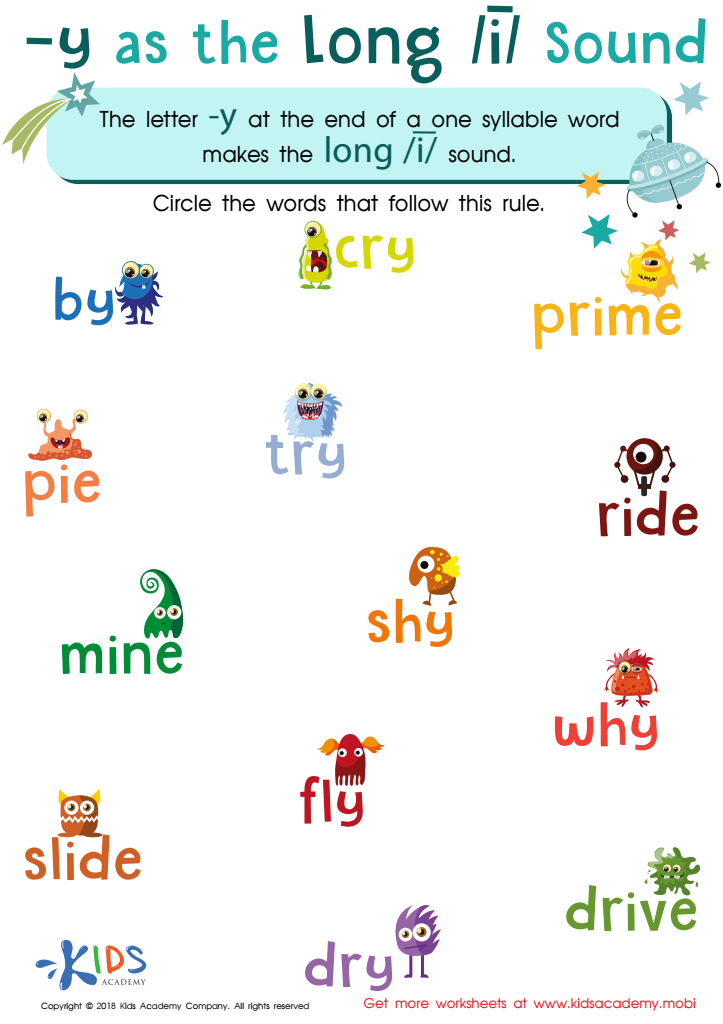
Reading: Y as Long I Worksheet
 Assign to My Students











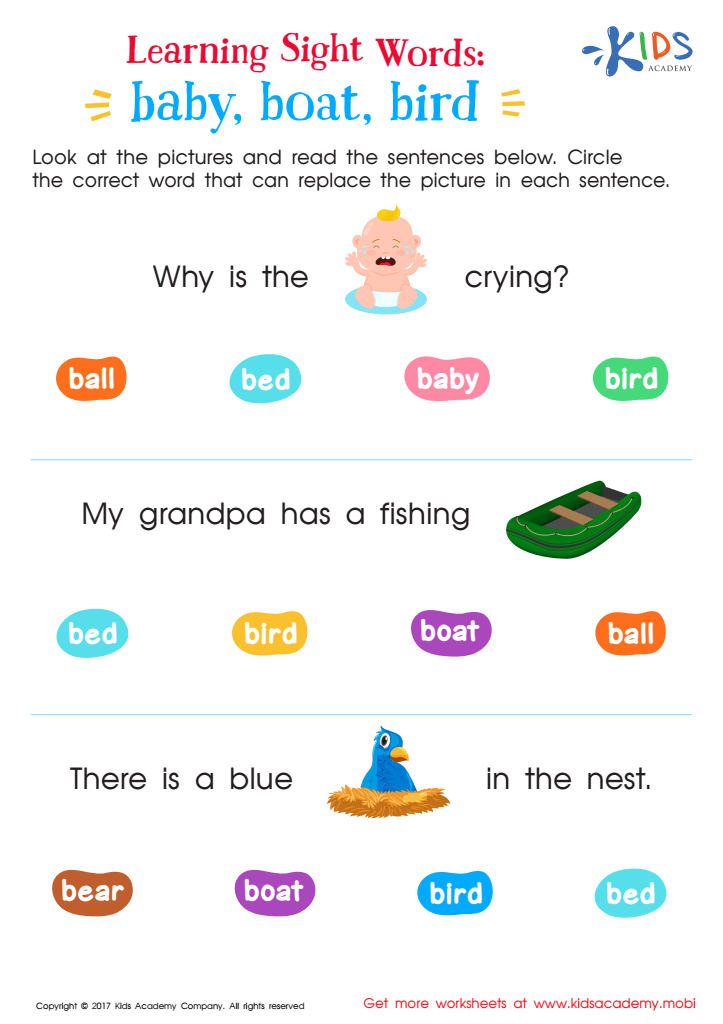
Baby, Boat, Bird Worksheet Sight Words Worksheet
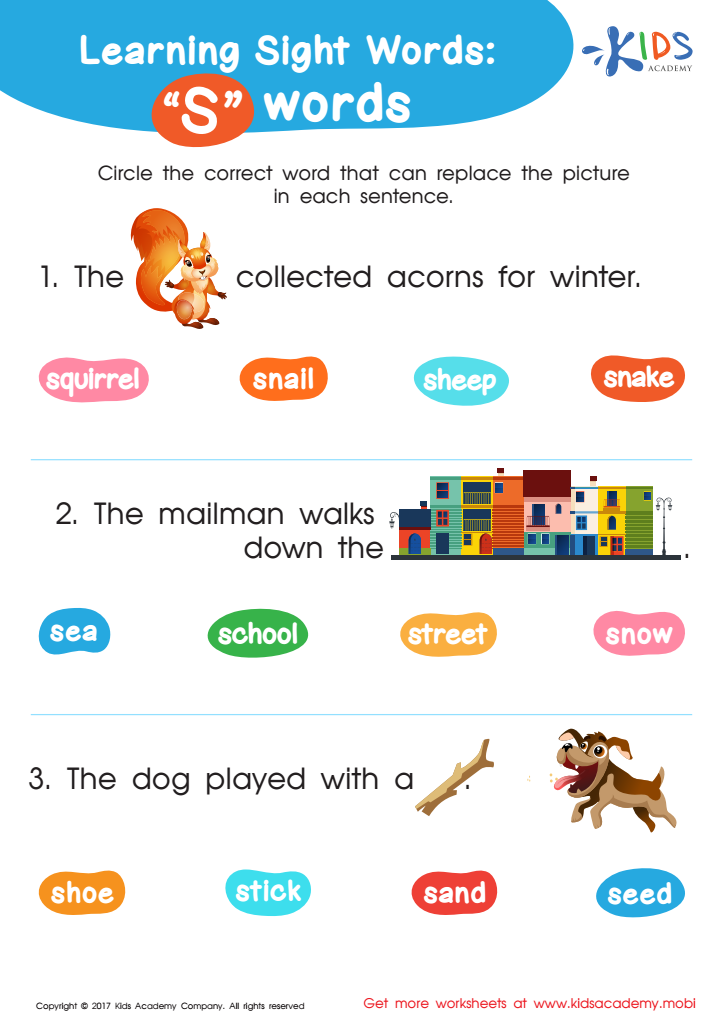
S Words Sight Words Worksheet
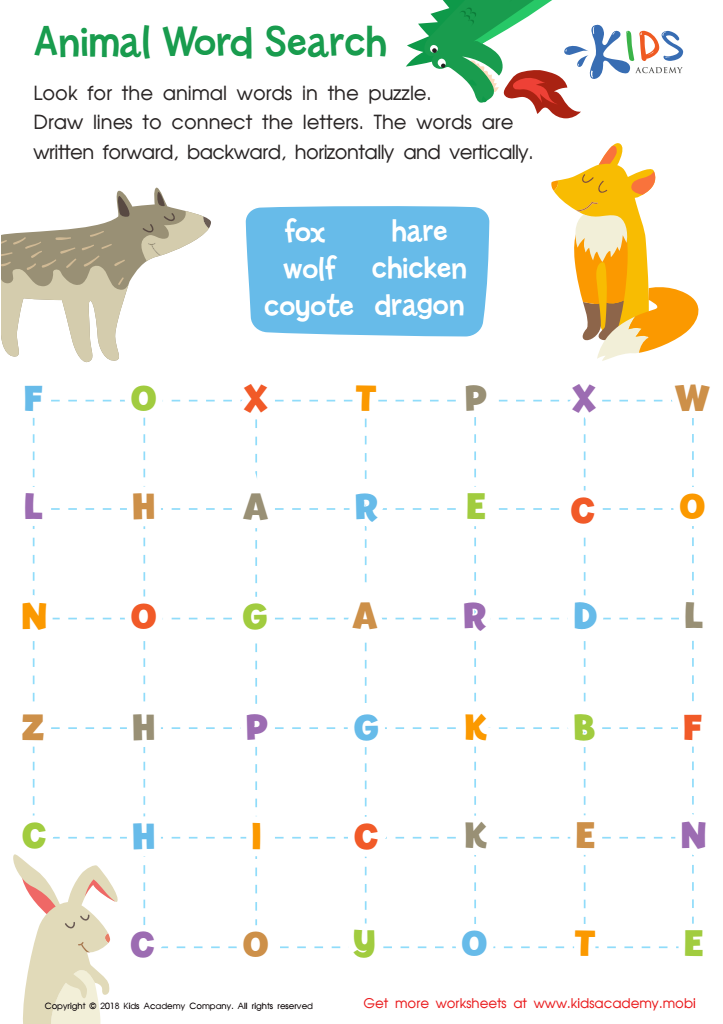
Animal Word Search Worksheet
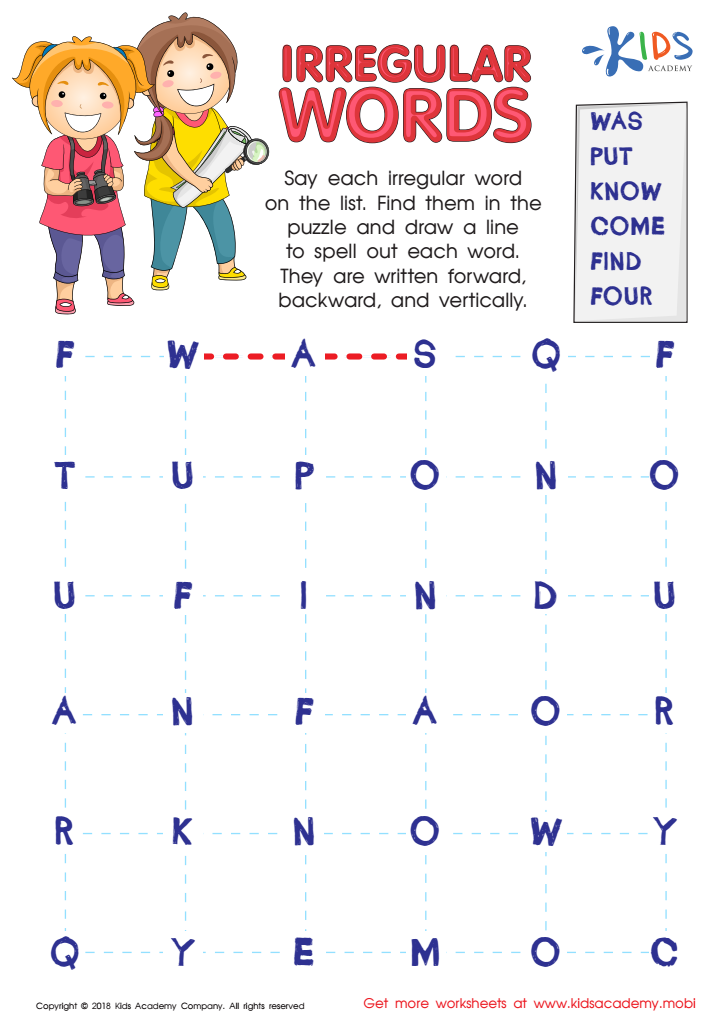
Irregular Words Worksheet


.jpg)





Spelling practice and vocabulary building are crucial elements of early childhood education, particularly for children aged 3 to 9. During these formative years, children develop foundational literacy skills that set the stage for future language proficiency. Parents and teachers should prioritize these practices for several reasons.
Firstly, a strong vocabulary enhances comprehension and communication skills. When children understand more words, they can articulate their thoughts and feelings more effectively, improving their interactions with peers and adults. This not only builds confidence but also fosters social and emotional development.
Secondly, regular spelling practice leads to better reading abilities. Children learn to recognize the connection between sounds and letters, which is fundamental for decoding words. As they master spelling, their reading fluency and frequency increase, reinforcing their comprehension skills.
Moreover, engaging in spelling and vocabulary activities encourages curiosity and a love for learning. Activities such as games, storytelling, and interactive exercises make these practices enjoyable, promoting lifelong learning habits.
Ultimately, investing time in spelling and vocabulary growth equips children with essential tools for academic success and personal expression, significantly influencing their future literacy skills and overall development. Parents and teachers play a key role in nurturing these abilities, ensuring children are well-prepared for their educational journeys.








