Spelling practice Normal Reading Worksheets for Ages 3-9 - Page 2
35 filtered results
-
From - To
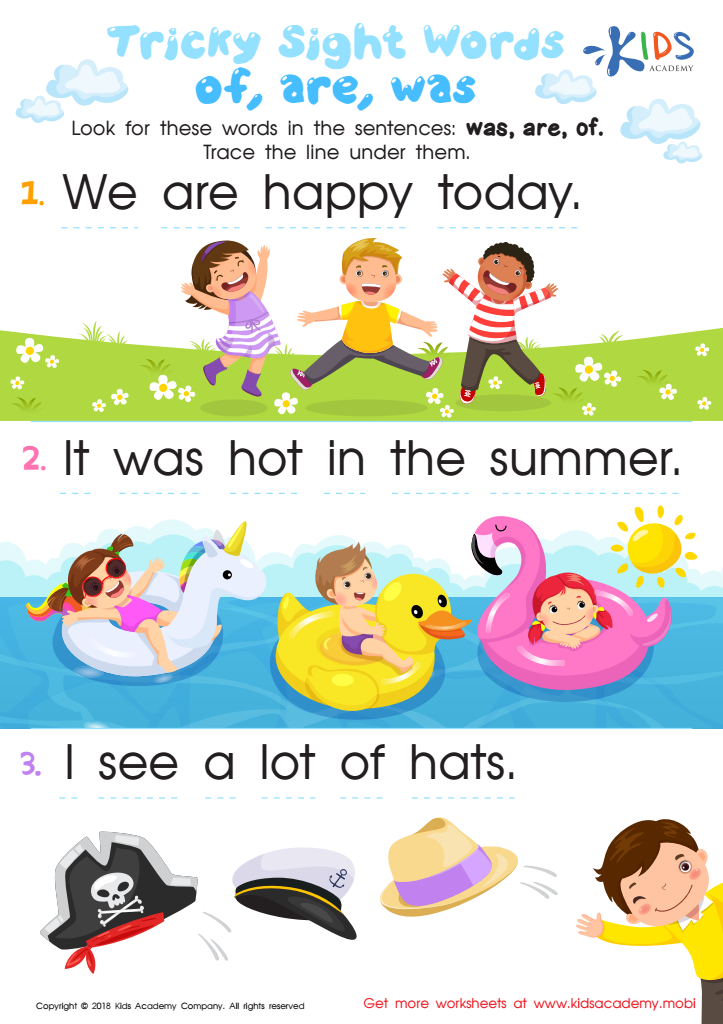
Tricky Sight Words Worksheet
 Assign to My Students
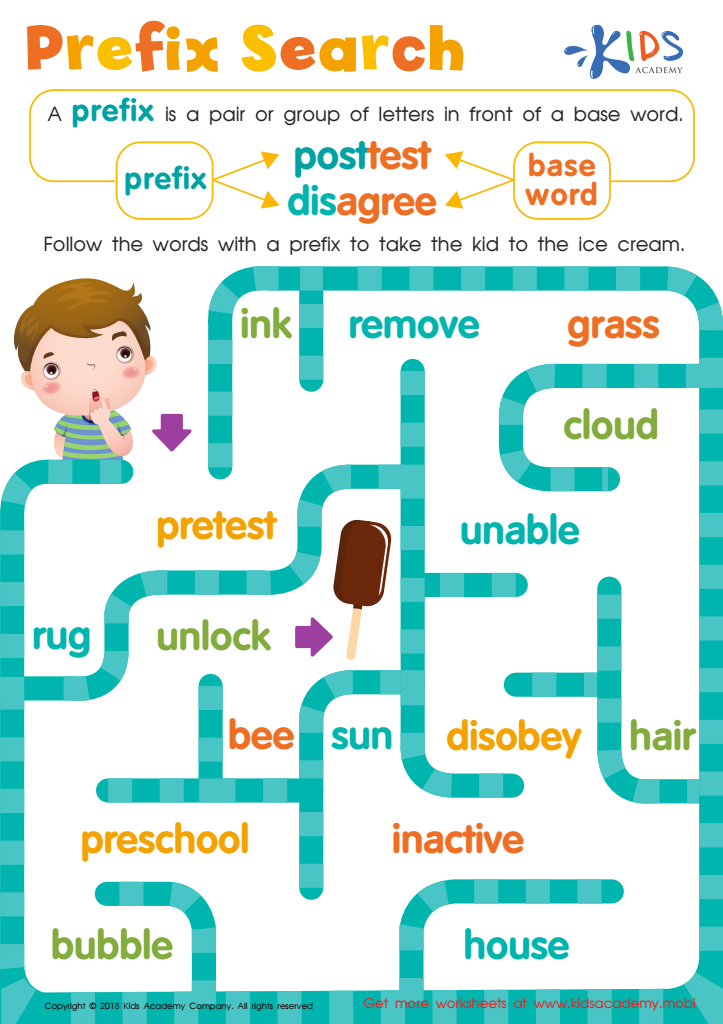
Reading: Prefix Search Worksheet
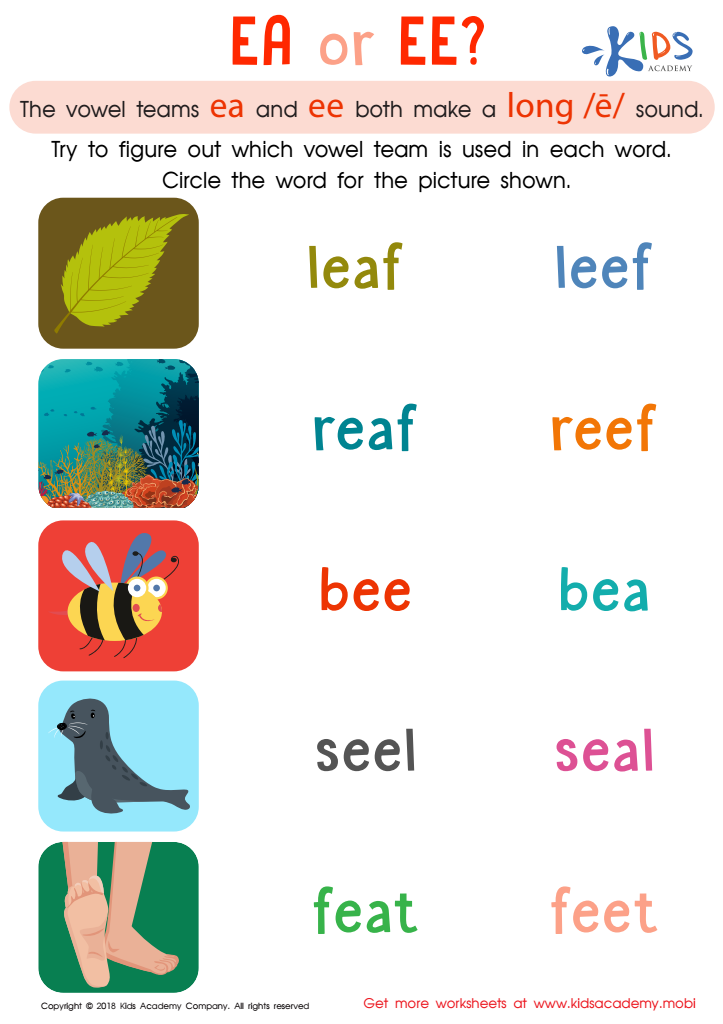
Reading: EA and EE Worksheet
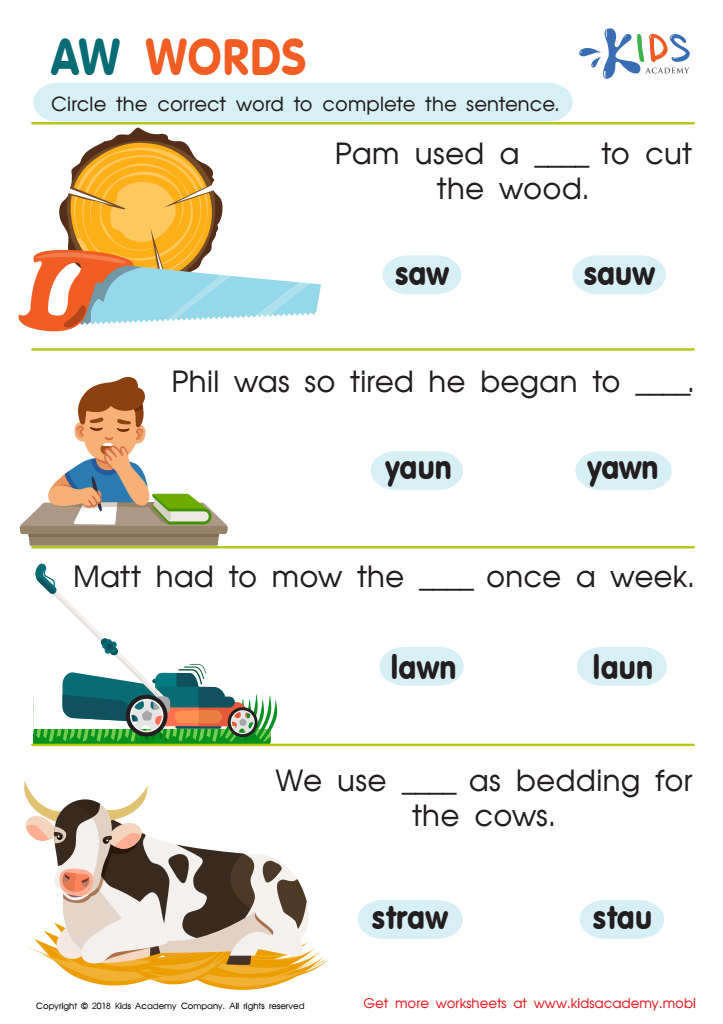
Reading: AW Words Worksheet
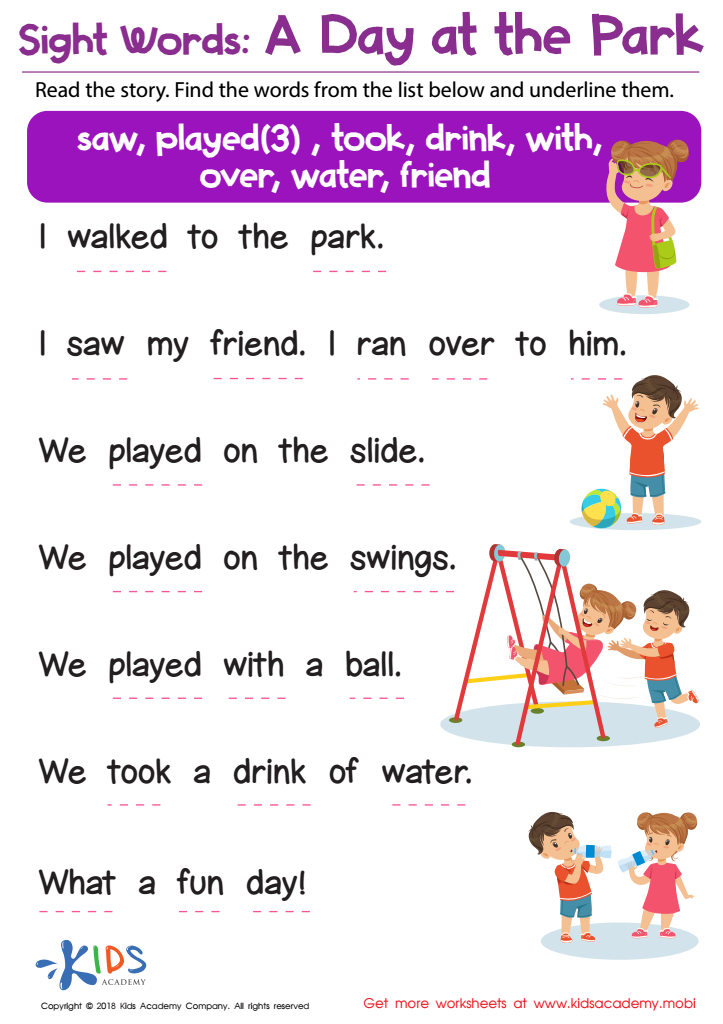
Sight Words: A Day at the Park Worksheet
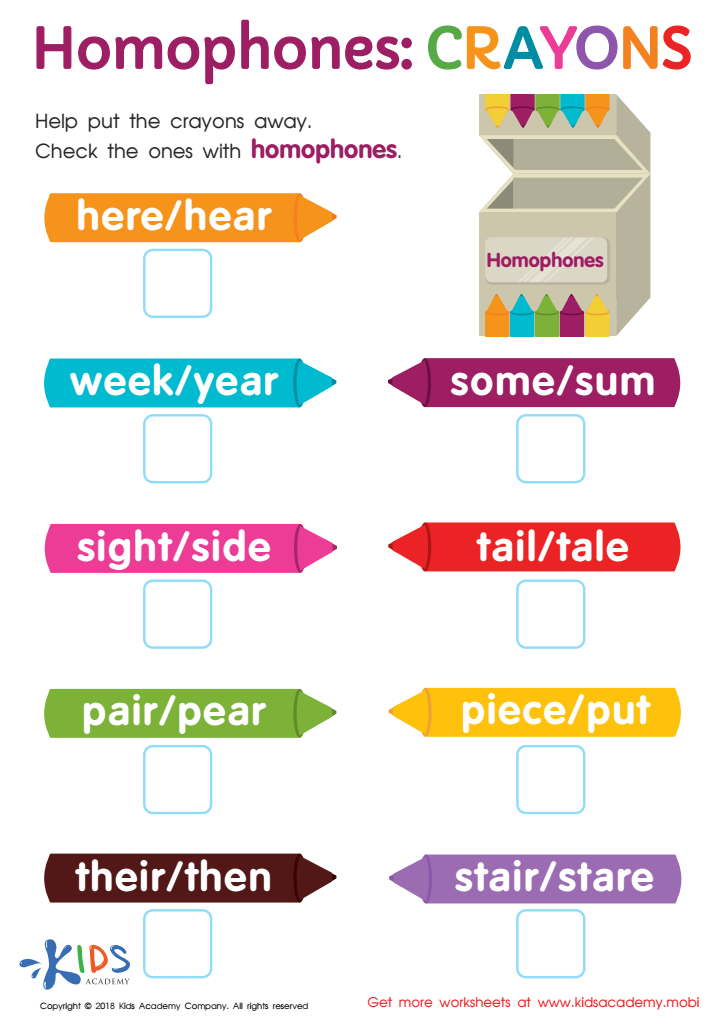
Homophones: Crayons Worksheet
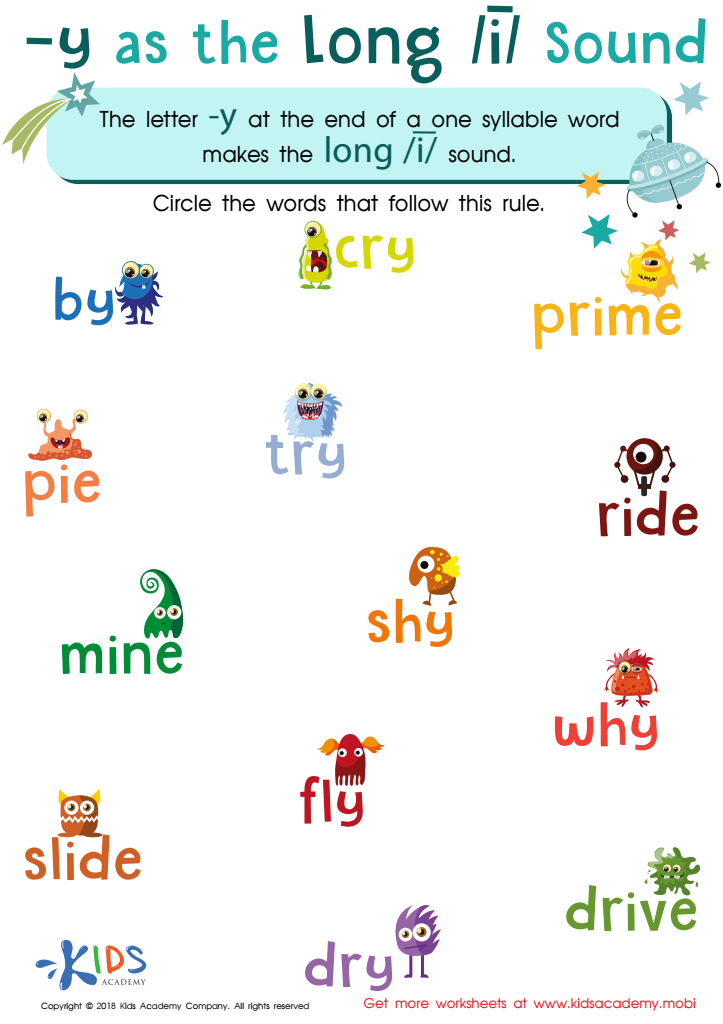
Reading: Y as Long I Worksheet
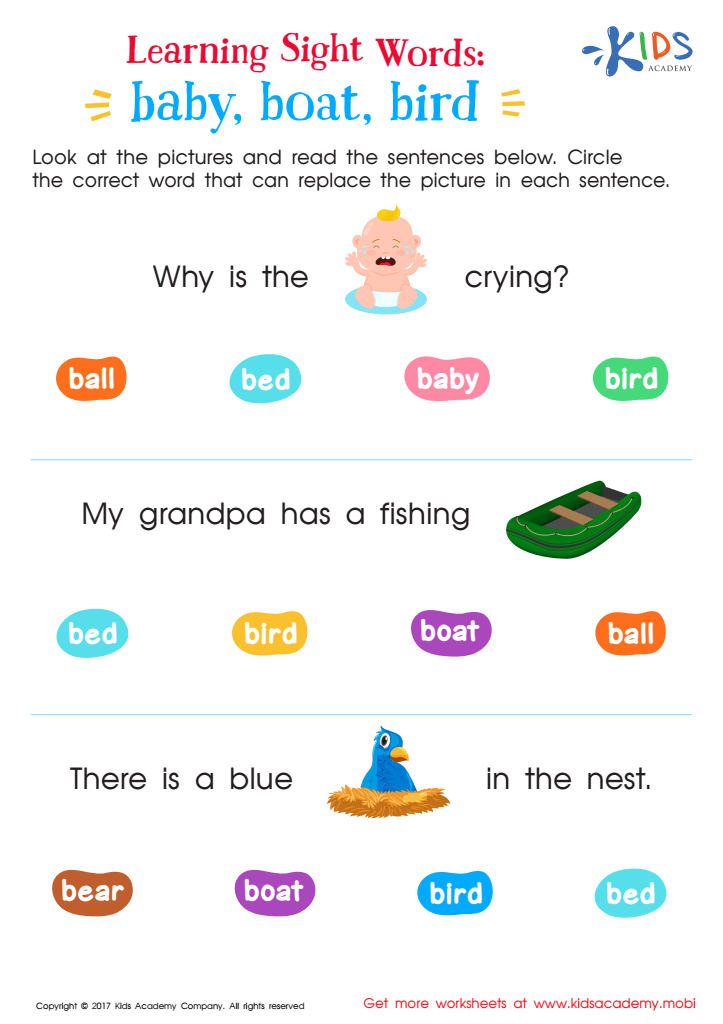
Baby, Boat, Bird Worksheet Sight Words Worksheet
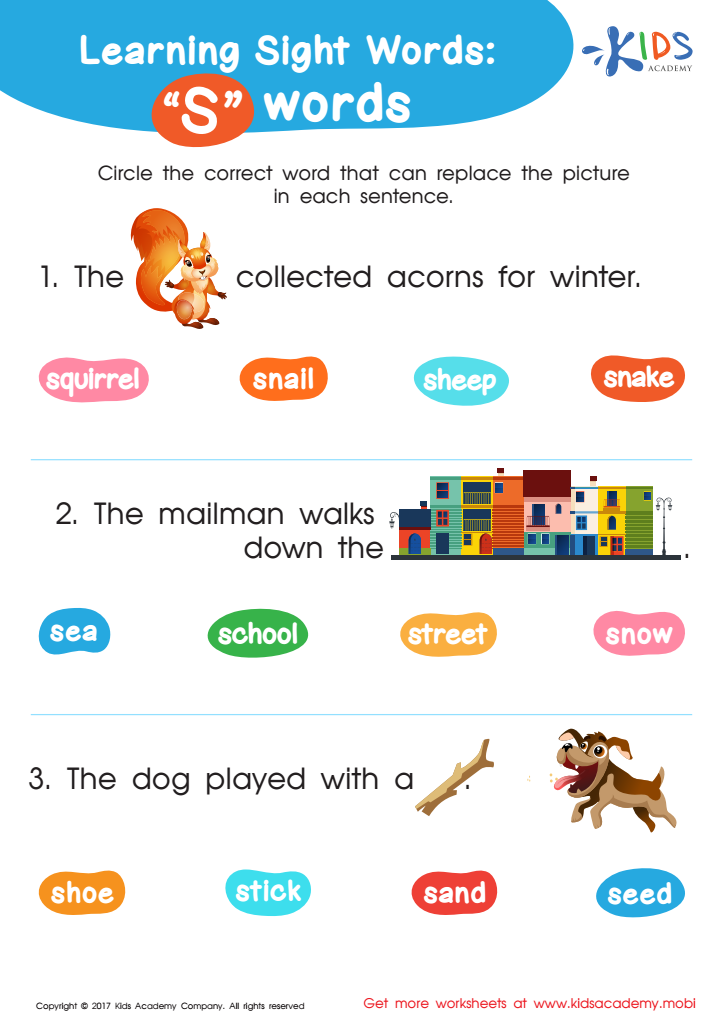
S Words Sight Words Worksheet
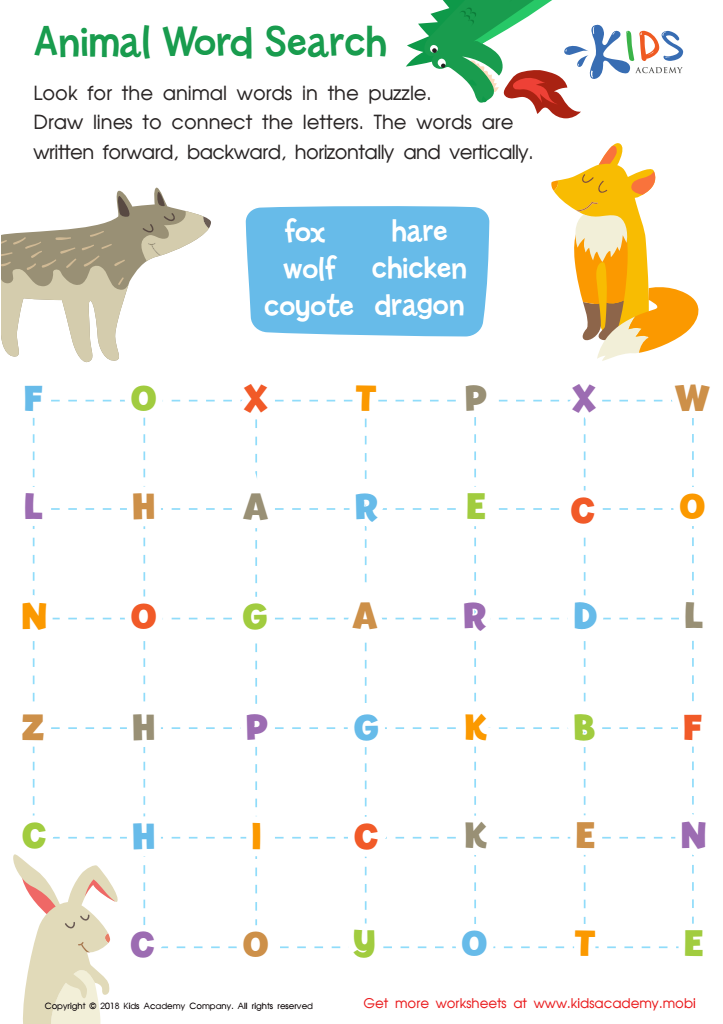
Animal Word Search Worksheet
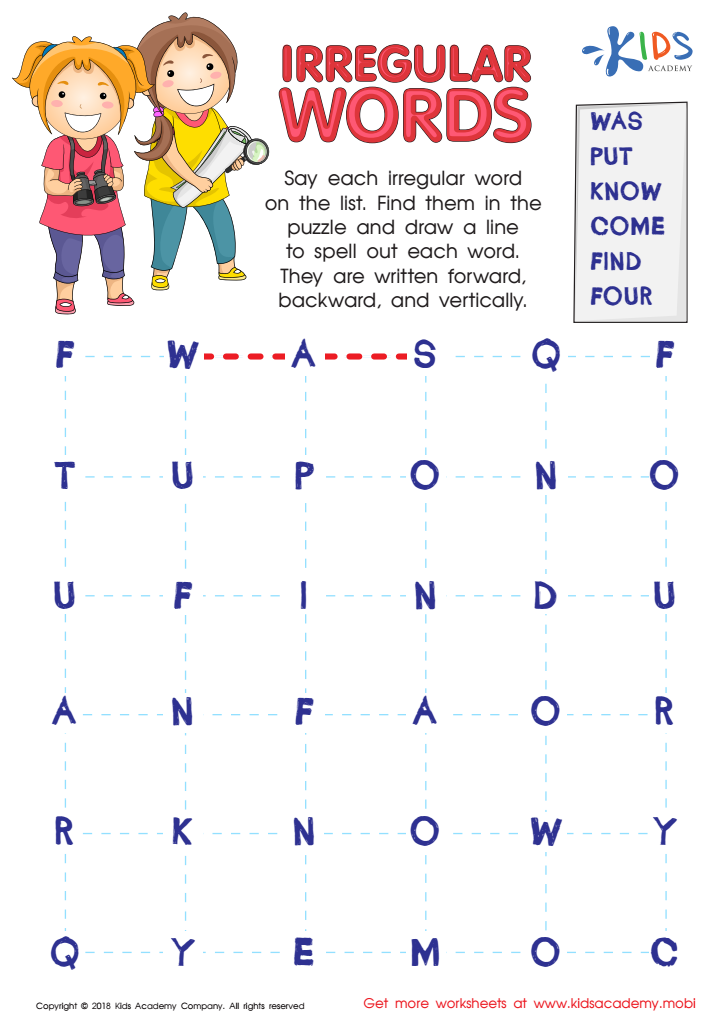
Irregular Words Worksheet







Spelling practice and normal reading habits from ages 3 to 9 hold immense importance for a child's overall educational development. Firstly, the early years serve as a foundation for literacy skills. Consistent spelling practice helps children recognize letter patterns, learn phonics, and build a solid vocabulary. These skills make reading easier and more fluent, enabling children to comprehend texts more efficiently.
Reading regularly familiarizes children with grammatical structures, enriches their vocabulary, and improves their understanding of different contexts. It instills a love for books, nurturing lifelong learning and curiosity. Engaging with stories broadens their imagination and opens doors to various worlds, concepts, and experiences they might not encounter daily.
Moreover, spelling and reading practice enhance children's cognitive abilities, such as memory, concentration, and critical thinking. These skills are crucial for academic success across all subjects. Strong literacy foundation aids in developing confidence and communication skills, which are vital in both academic settings and personal interactions.
Parents and teachers play instrumental roles in providing an enriching environment where children can explore and practice these skills. Encouraging spelling and regular reading promotes children's overall intellectual, emotional, and social growth, paving the way for future learning and success. In summary, nurturing these practices during early childhood is integral for a child's holistic development.








