Vocabulary enhancement Normal Reading Worksheets for Ages 3-9 - Page 4
84 filtered results
-
From - To
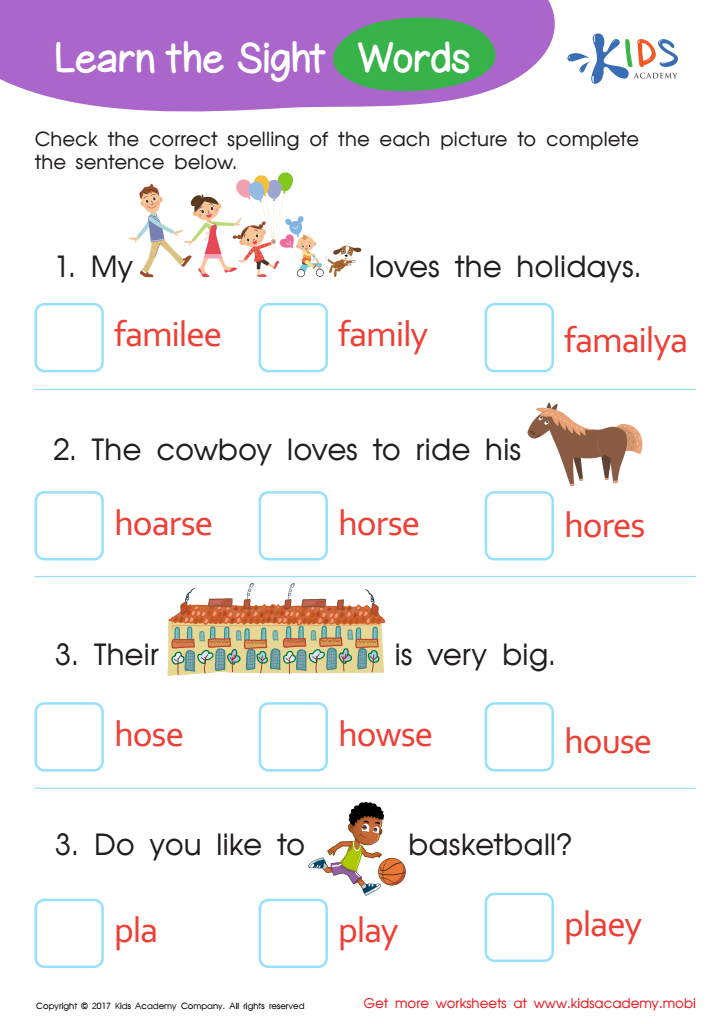
Family, Horse, House, Play Sight Words Worksheet
 Assign to My Students
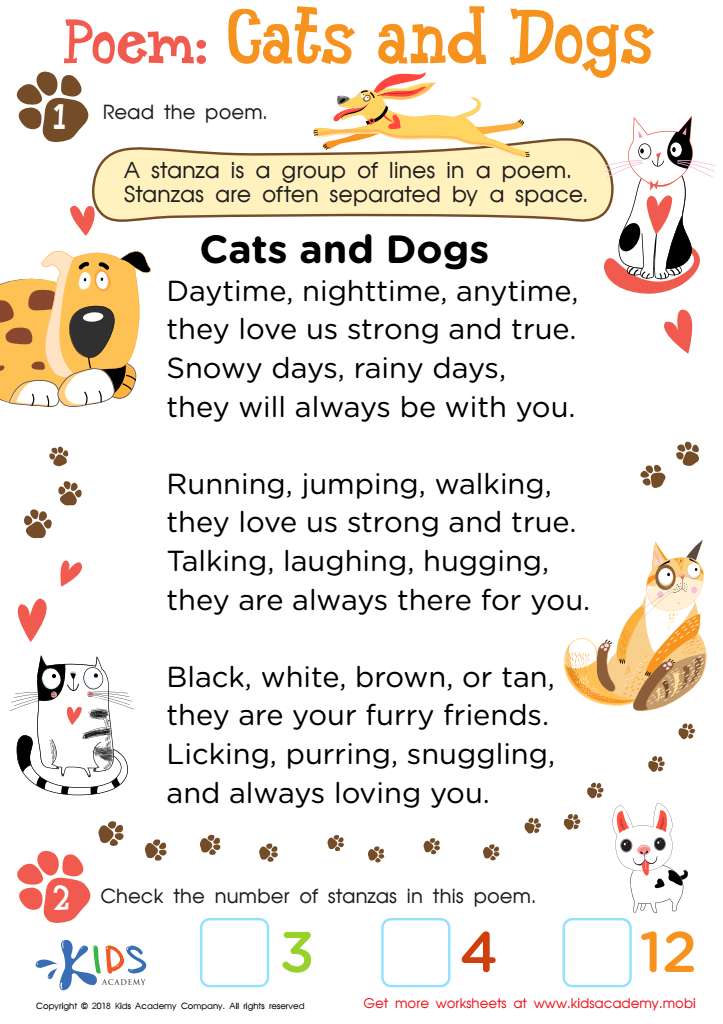
Poem: Cats and Dogs Worksheet
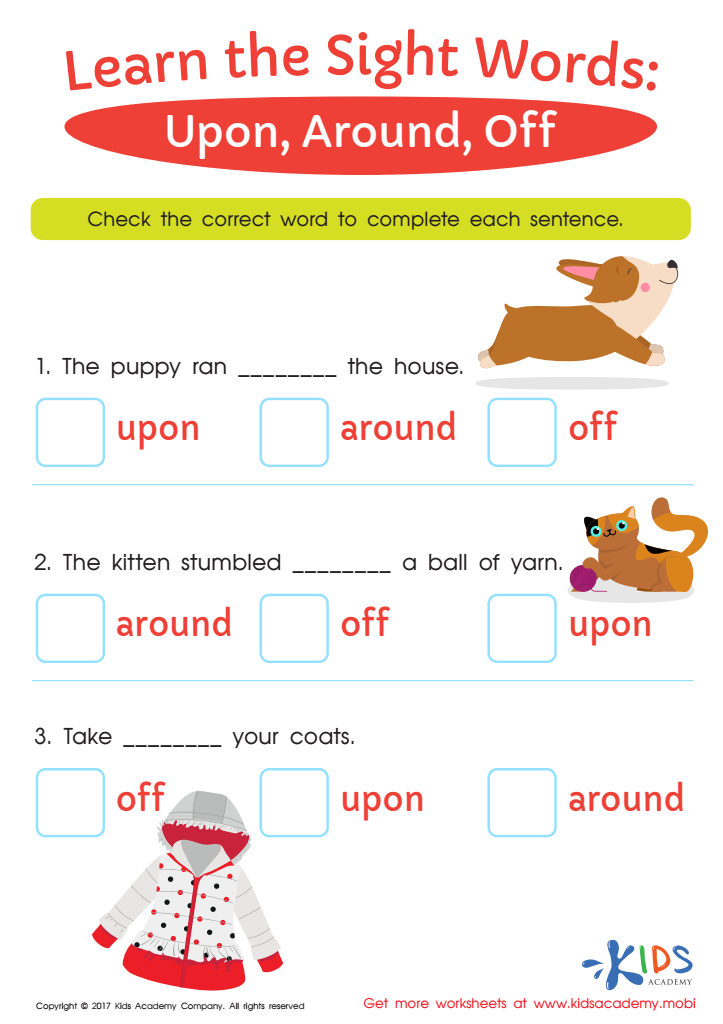
Upon, Around, Off Sight Words Worksheet
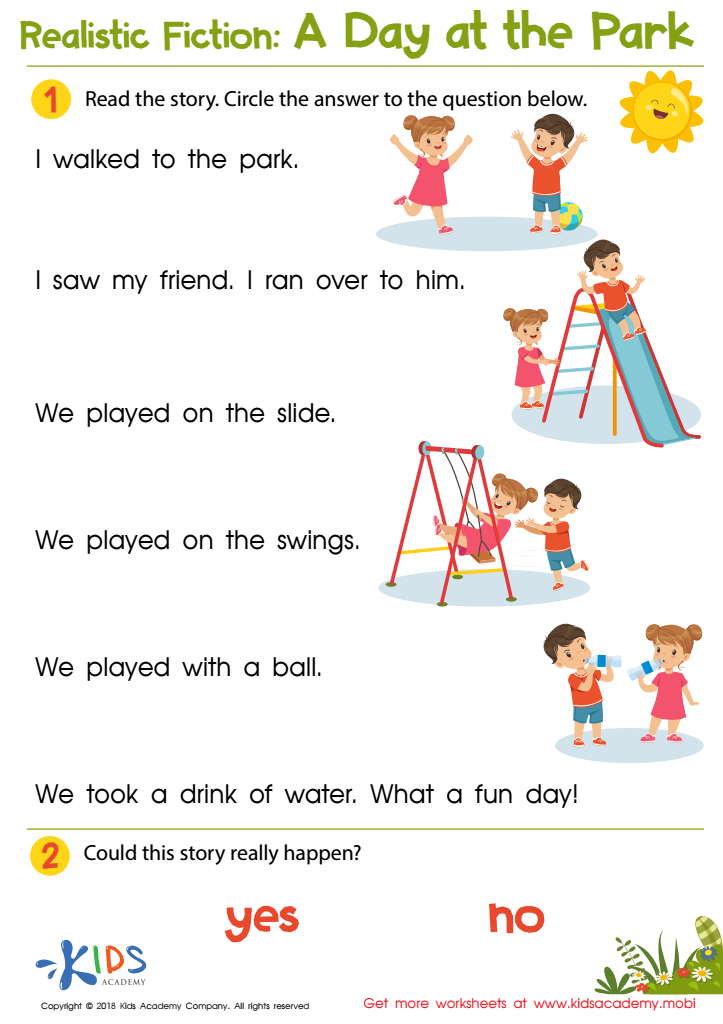
A Day at the Park Worksheet
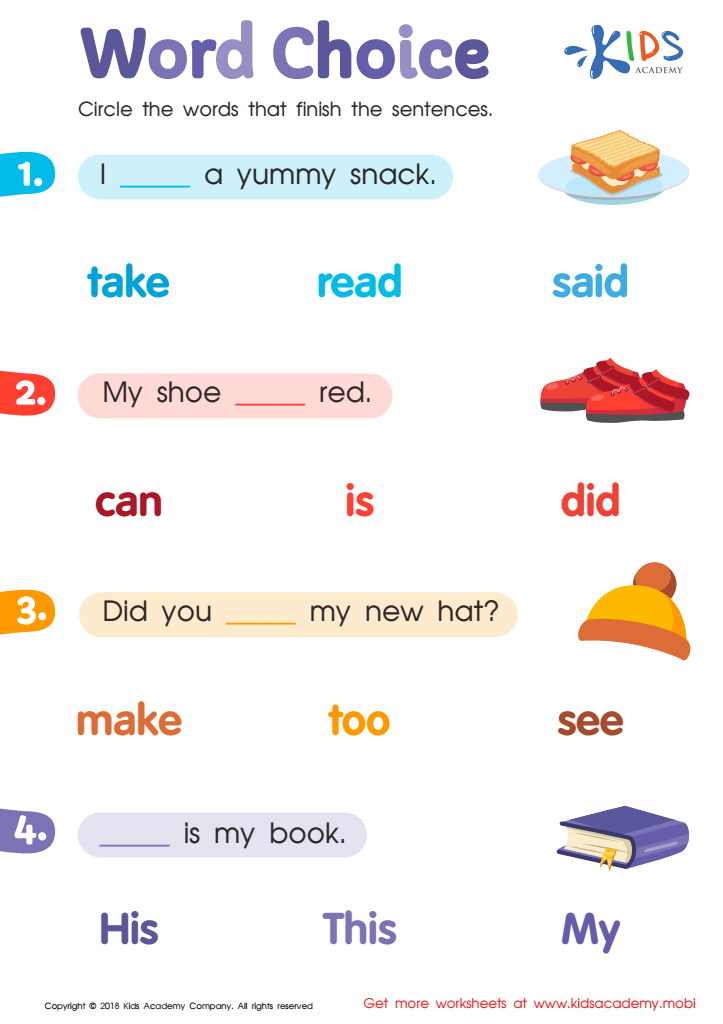
Word Choice Worksheet
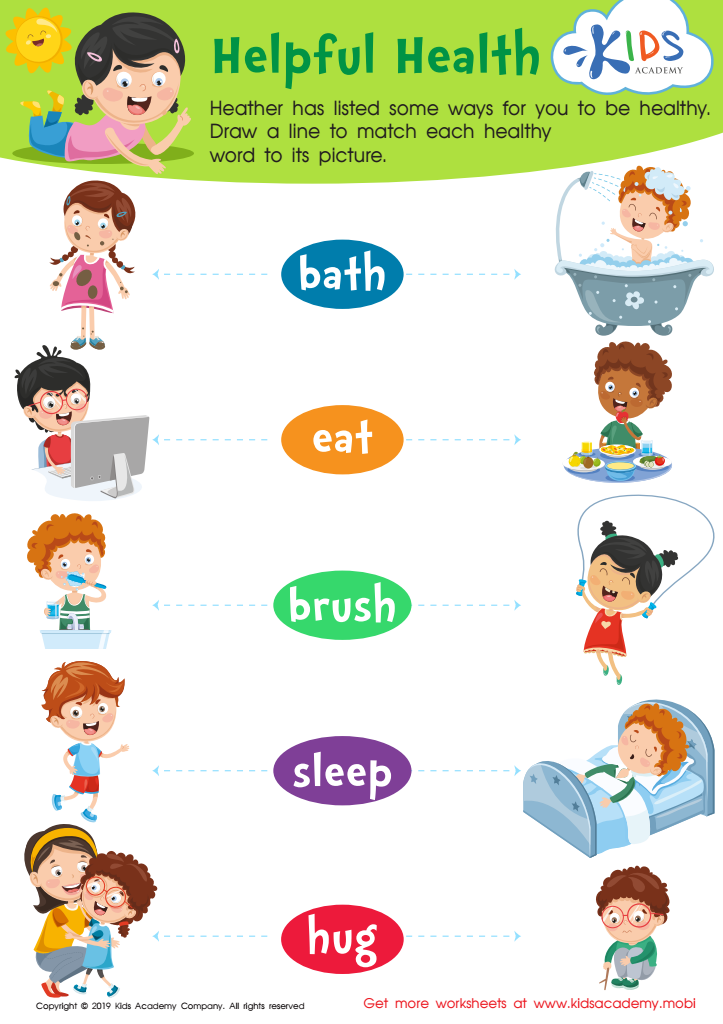
Helpful Health Worksheet
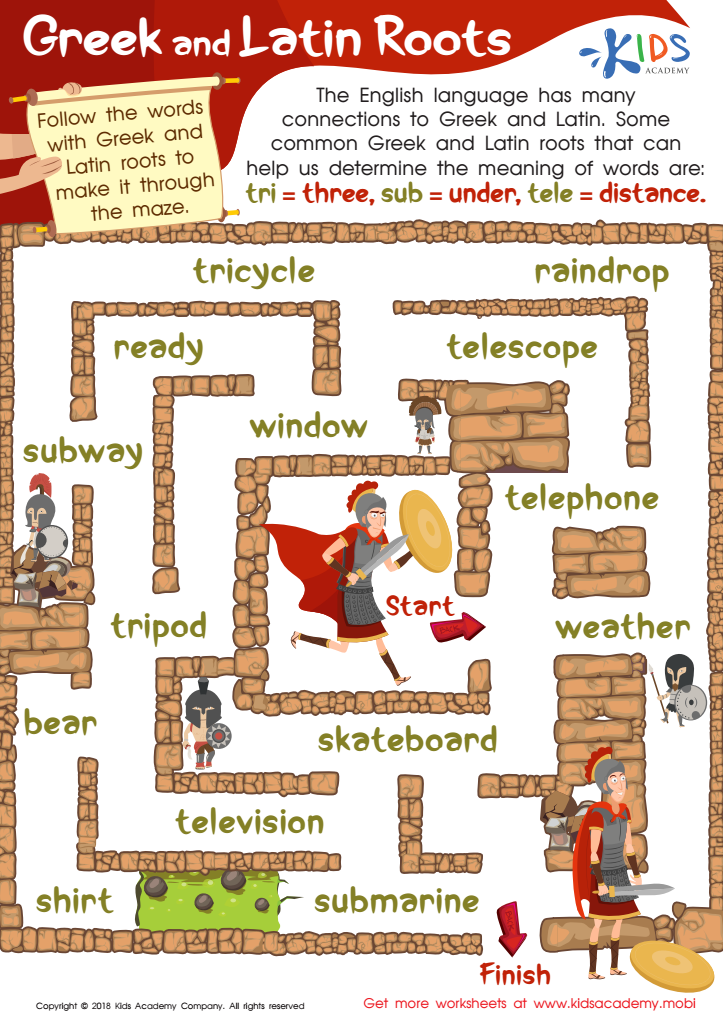
Greek and Latin Roots Worksheet
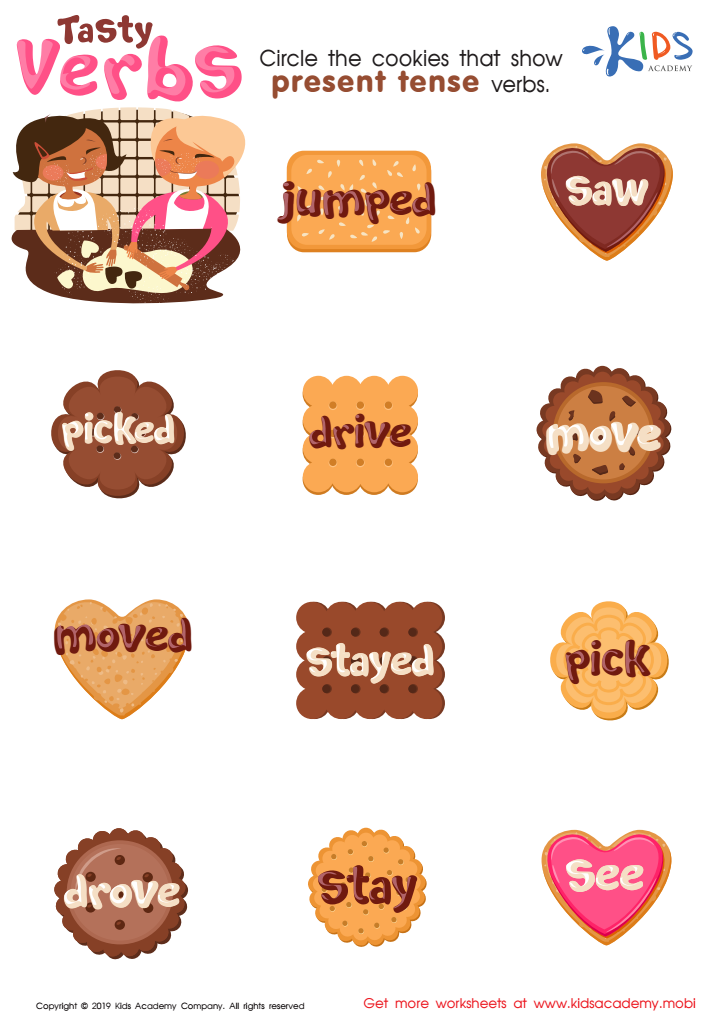
Tasty Verbs Worksheet
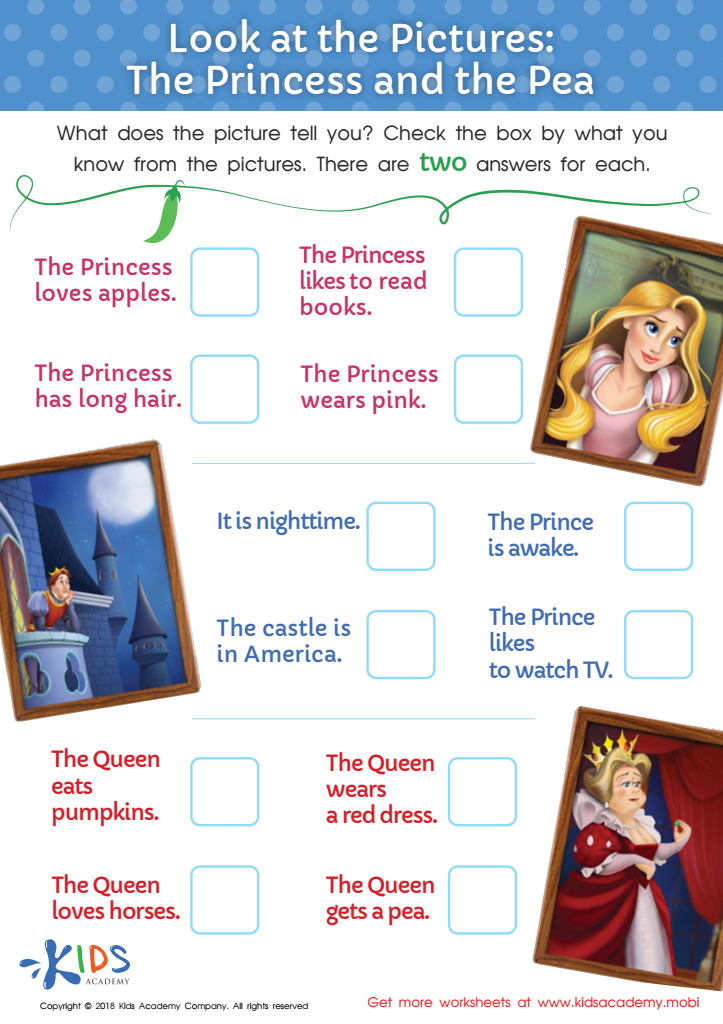
Look at the Pictures: The Princess and the Pea Worksheet
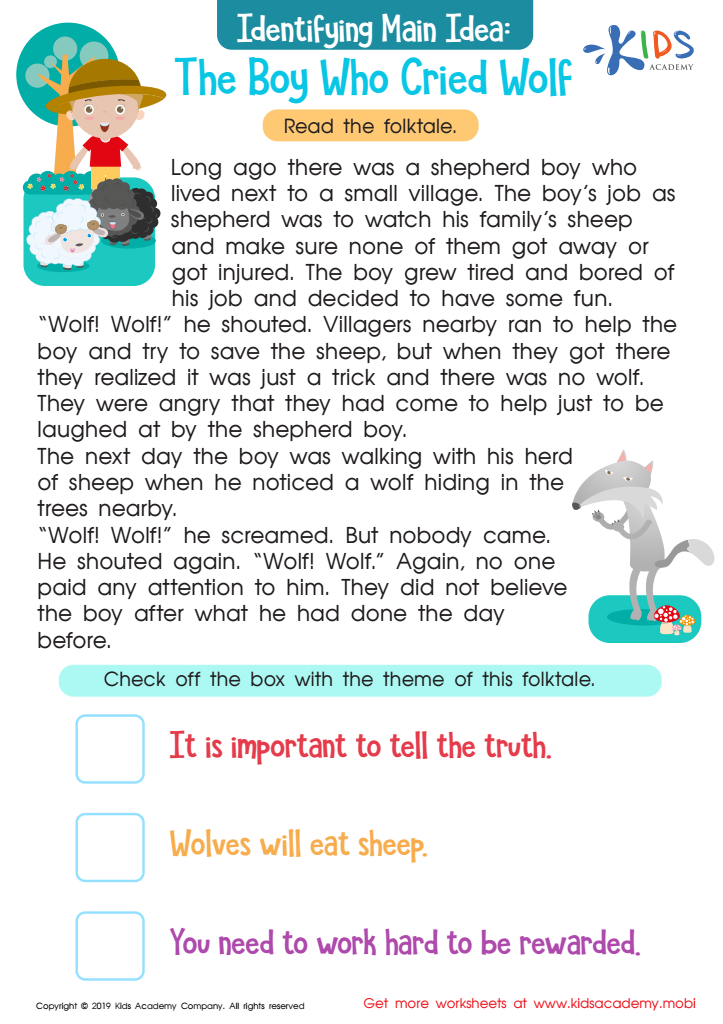
The Boy Who Cried Wolf Part 2 Worksheet
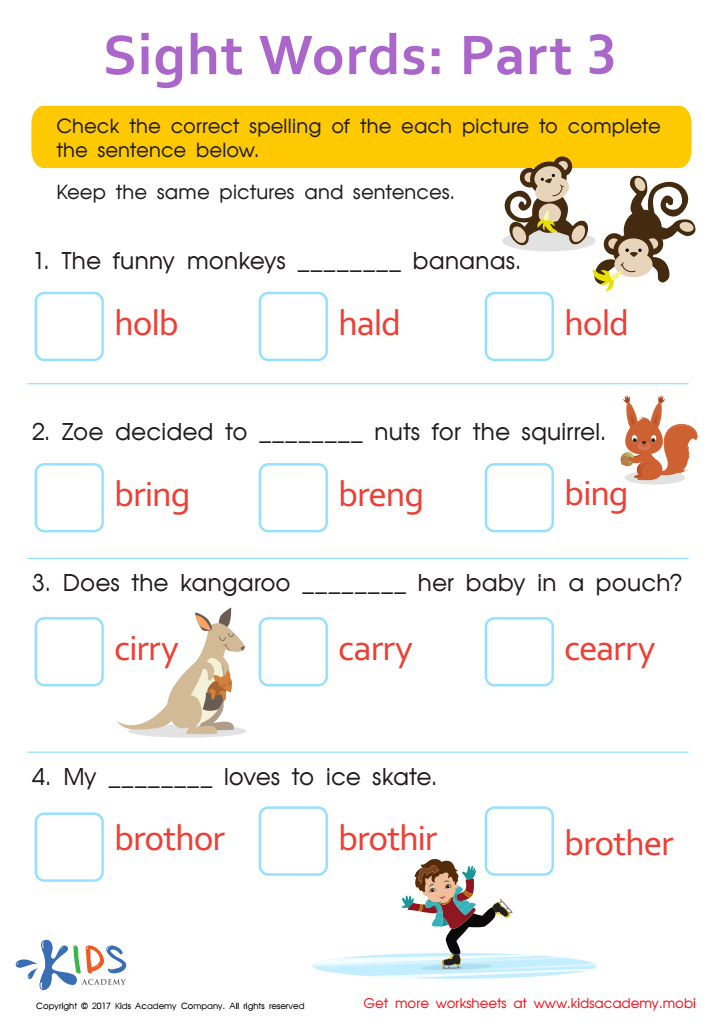
Hold, Bring, Carry, Brother Sight Words Worksheet
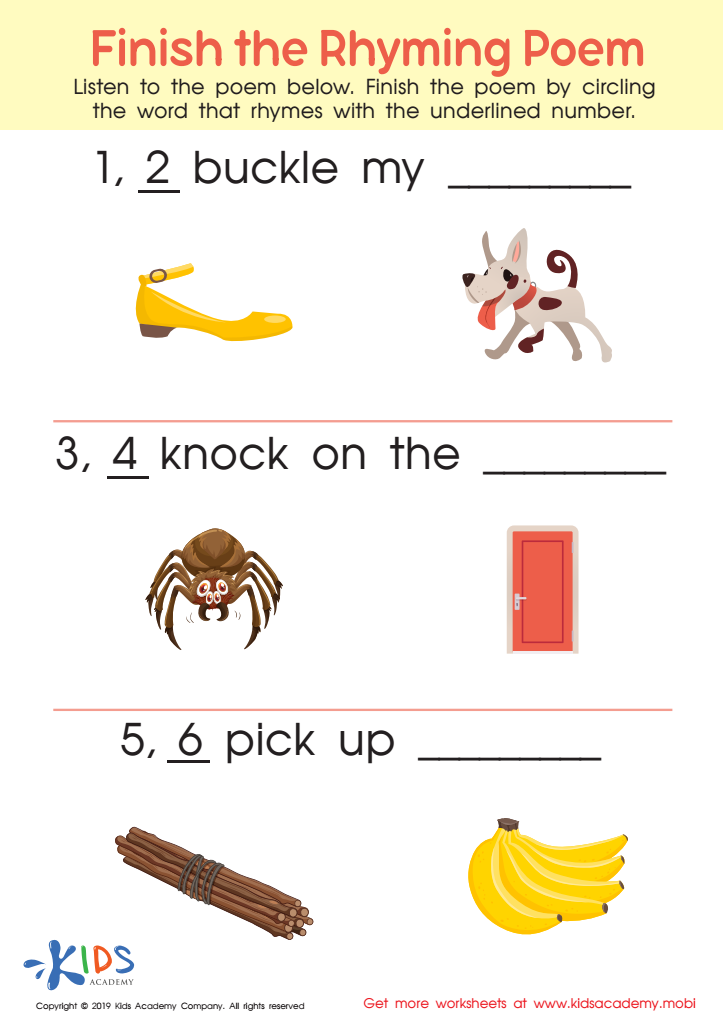
Finish Rhyming Poem Worksheet



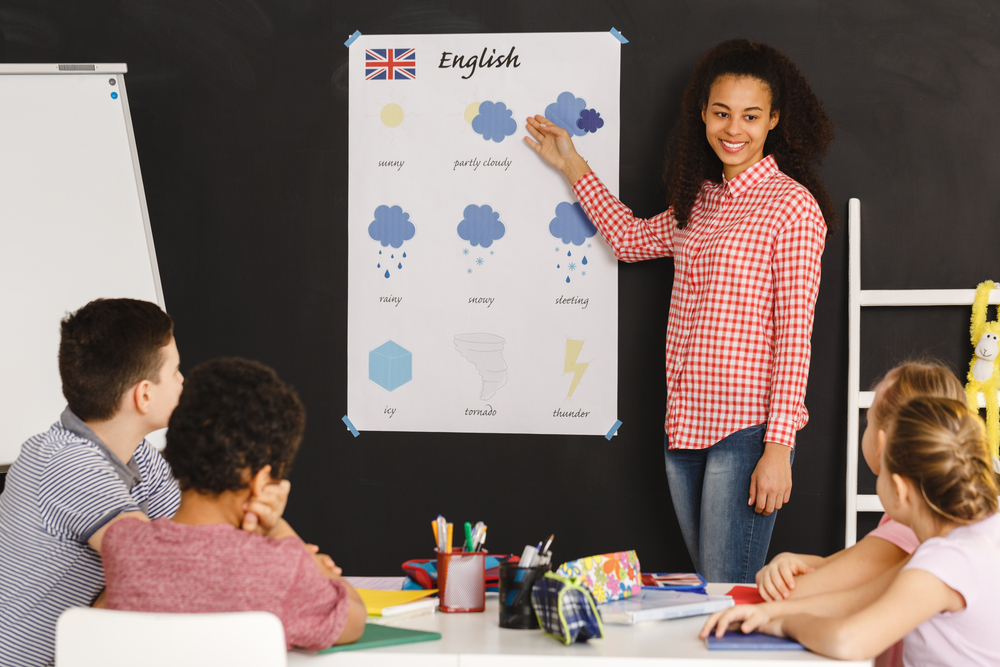




Vocabulary enhancement in early reading for children aged 3-9 is crucial for several reasons that parents and teachers should prioritize. During these formative years, children are rapidly developing cognitive abilities, and a rich vocabulary serves as a foundation for effective communication, comprehension, and academic success. Individuals with advanced vocabulary skills are better equipped to express their thoughts and ideas, fostering confidence in social interactions and learning environments.
Reading frequently at this age not only reinforces comprehension skills but also introduces children to diverse words in context, enabling them to internalize and engage with new vocabulary. Enhanced vocabulary positively correlates with overall literacy development; children with a robust vocabulary are more likely to excel in reading comprehension, which is essential for future learning across all subjects.
Moreover, vocabulary enhancement closely links to socio-emotional skills, as children learn to articulate their feelings and understand others' perspectives, essential traits for building relationships. Parents and teachers play a pivotal role in creating rich linguistic experiences—through storytelling, discussions, and interactive reading. Investing time in vocabulary enhancement can yield significant long-term benefits for children, shaping them into well-rounded, articulate individuals ready to face the challenges of education and life.








