Story sequencing Normal Reading Comprehension Worksheets for Ages 3-9
16 filtered results
-
From - To
Discover our Story Sequencing Normal Reading Comprehension Worksheets designed for ages 3-9 at Kids Academy. These engaging activities help young learners develop essential reading skills by arranging scenes in logical order. Ideal for fostering critical thinking and enhancing understanding, our worksheets cater to various skill levels. Each worksheet is crafted to be fun and educational, featuring colorful illustrations and kid-friendly themes. Whether your child is just beginning to recognize patterns or mastering narrative flow, our resources offer the perfect practice. Click here to explore our selection and support your child's reading journey with effective, hands-on learning.
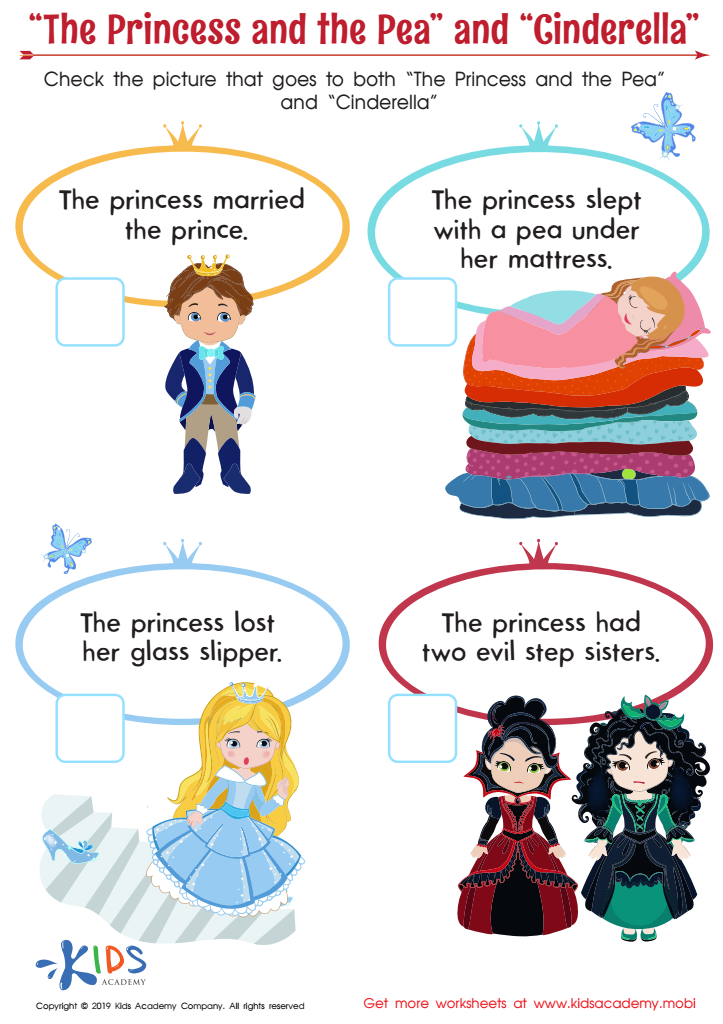
“The Princess and the Pea” and “Cinderella” Worksheet
 Assign to My Students
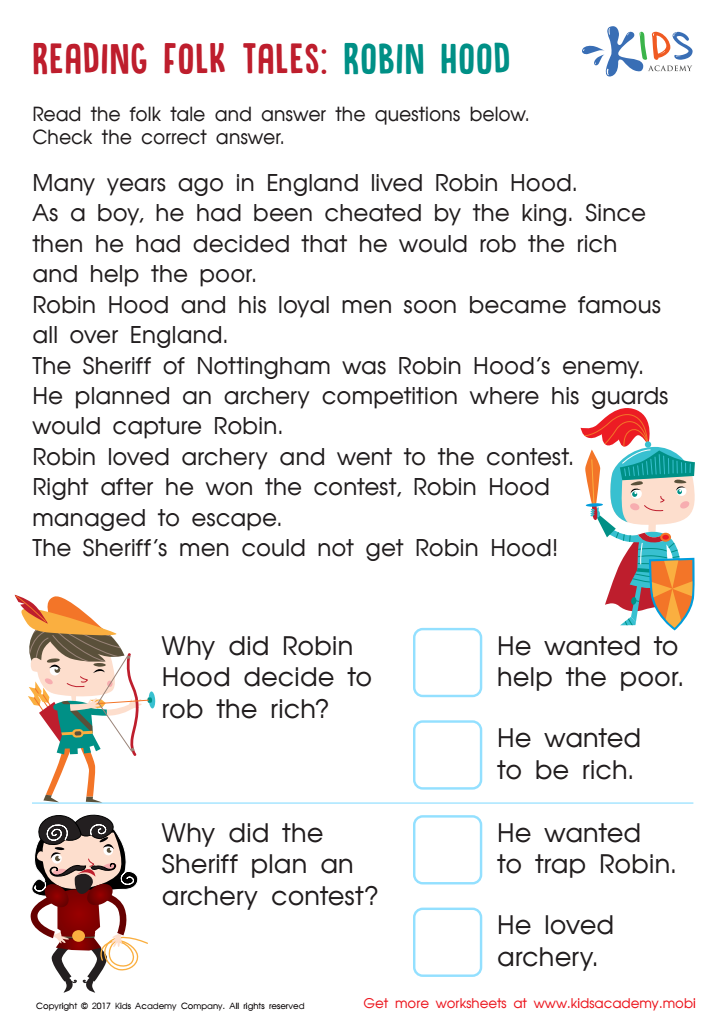
Robin Hood Folktale Worksheet
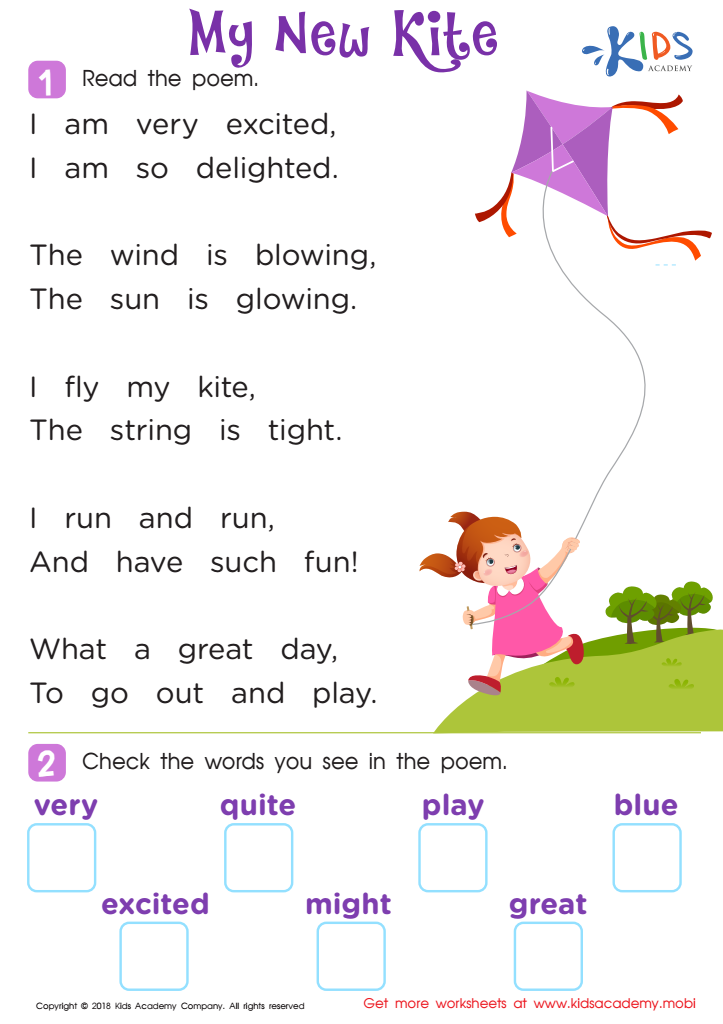
Poem: My New Kite Worksheet
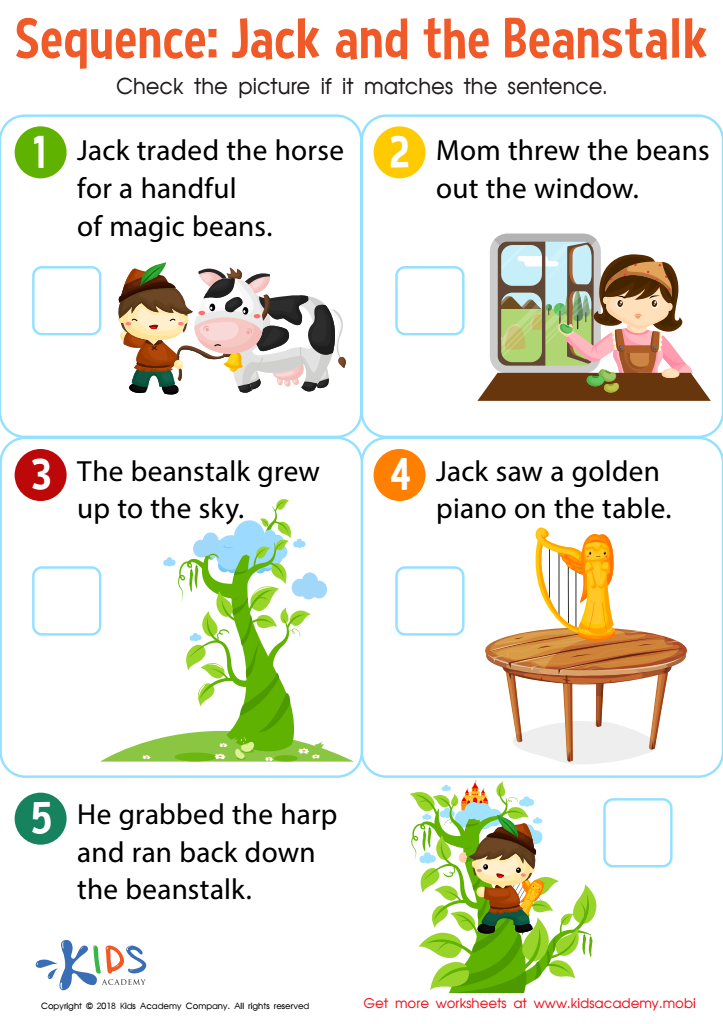
Sequence: Jack and The Beanstalk Worksheet
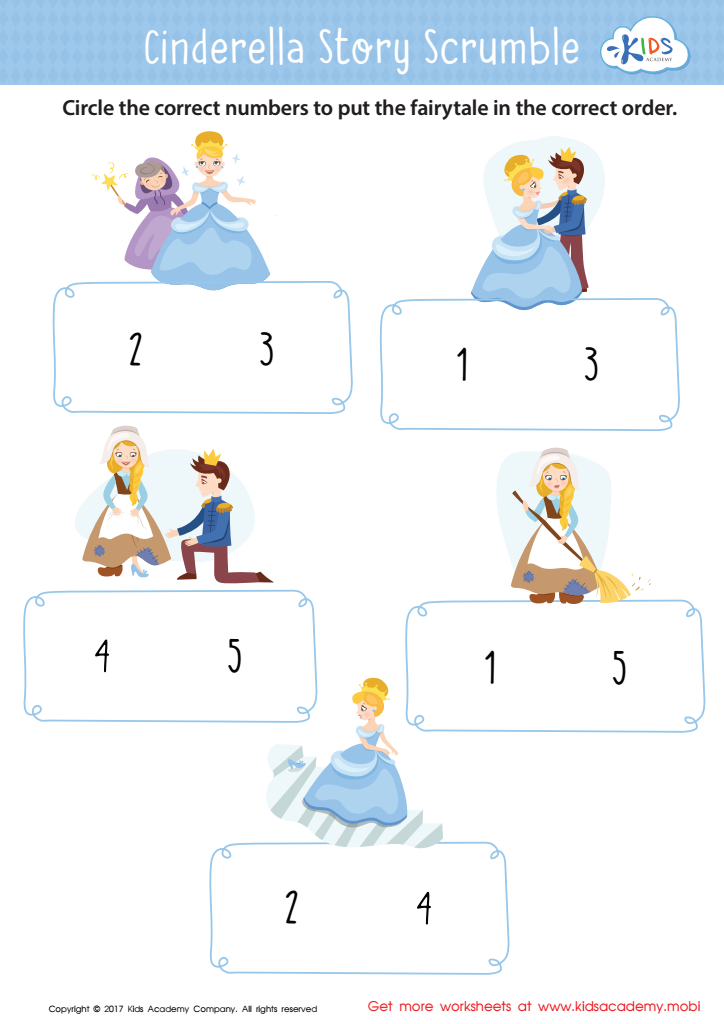
Cinderella Story Sequencing Worksheet
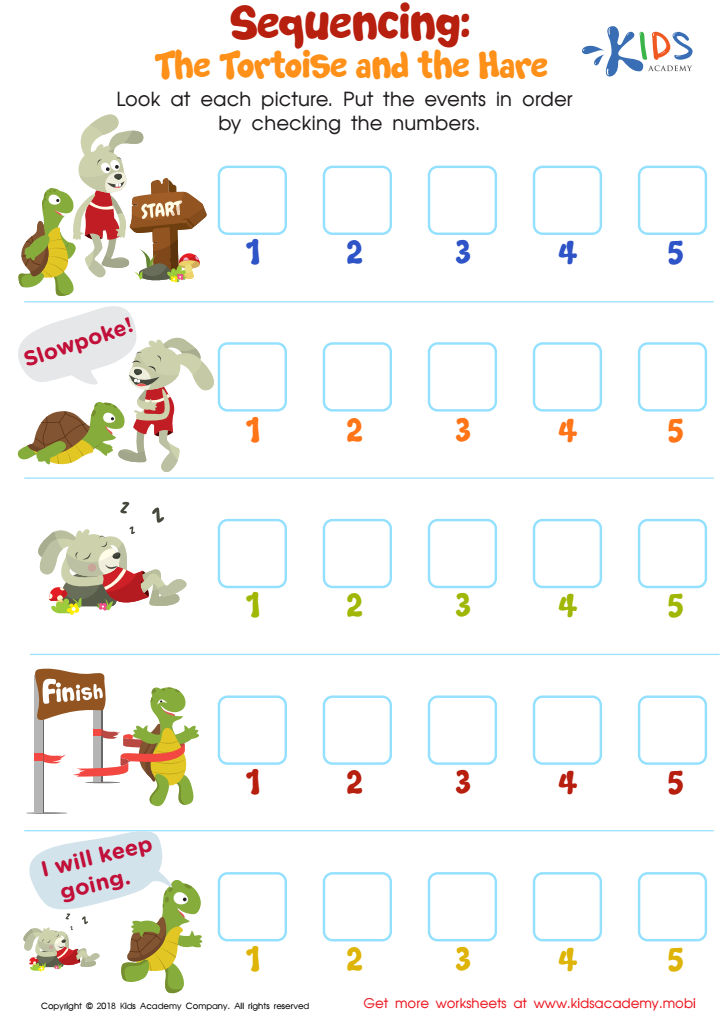
Sequencing: The Tortoise and the Hare Worksheet
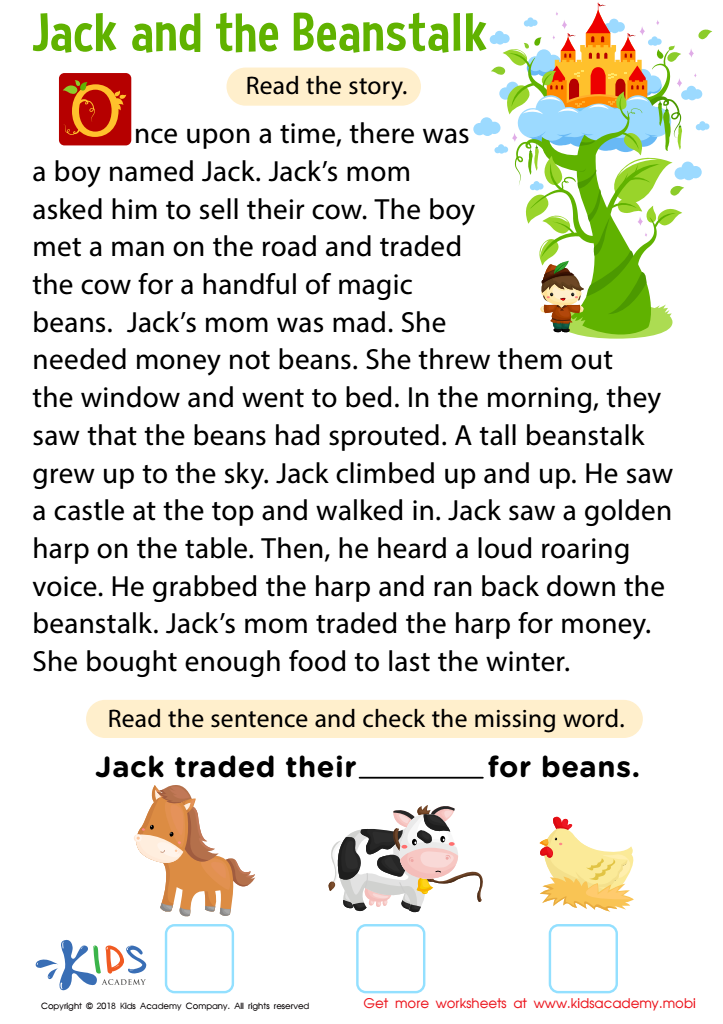
Jack and Beanstalk Worksheet
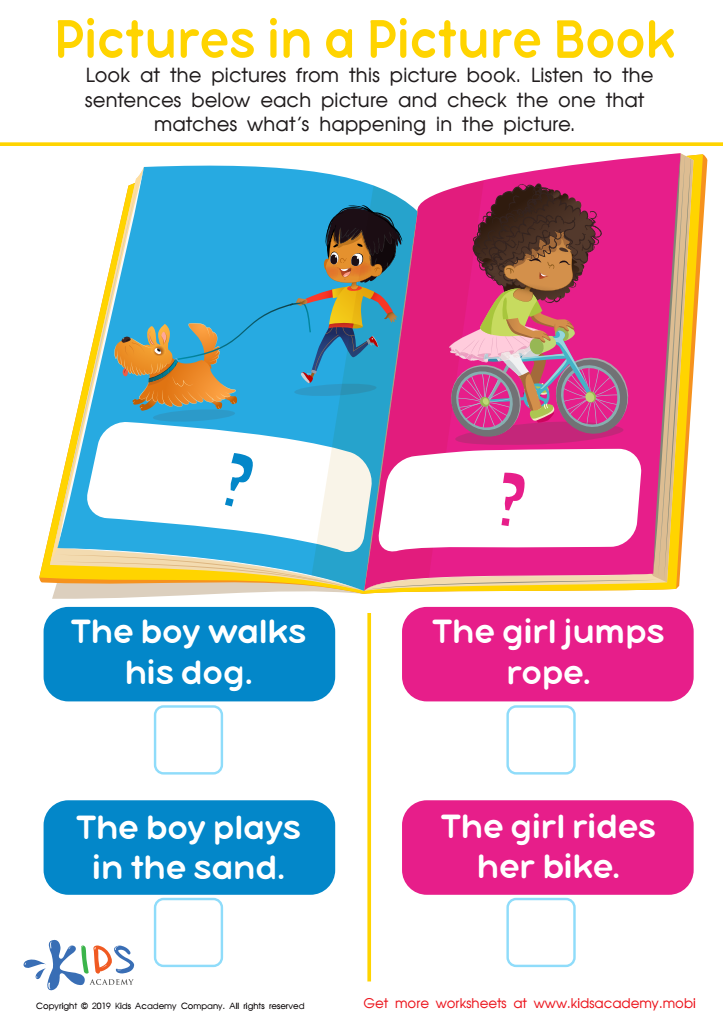
Picture in Books Worksheet
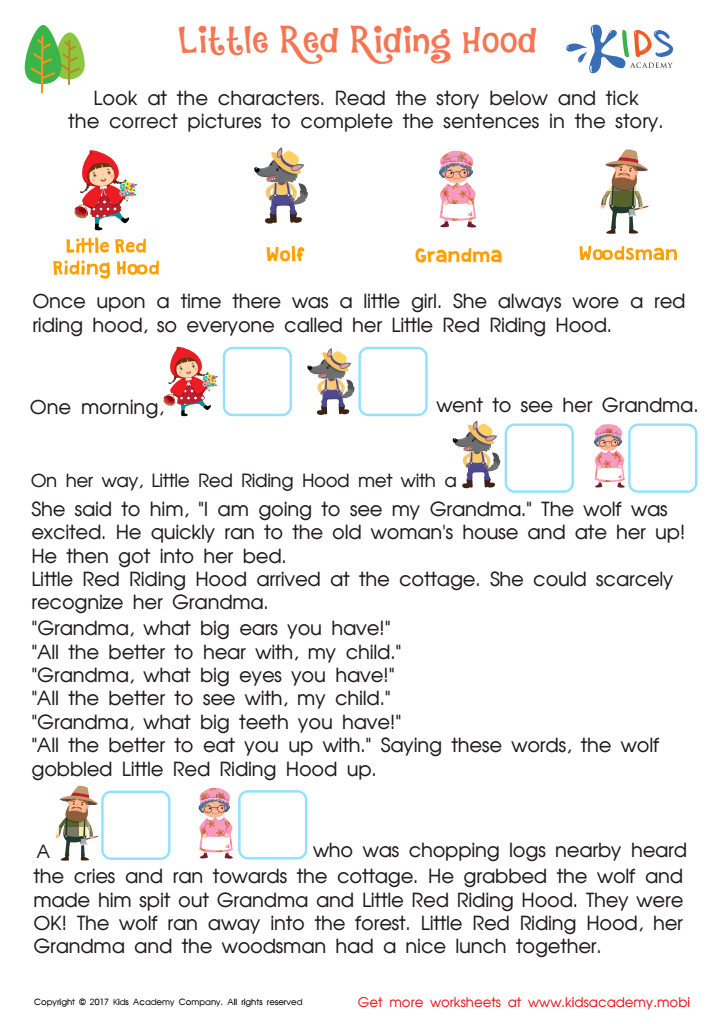
Little Red Riding Hood Printable
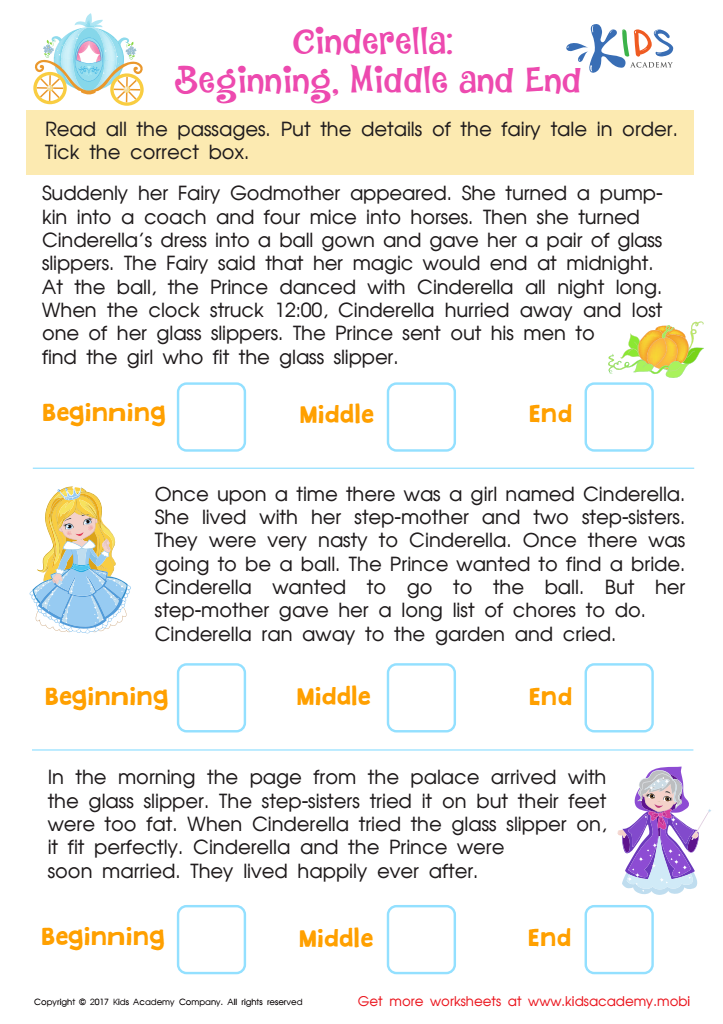
Cinderella: Beginning, Middle and End Worksheet
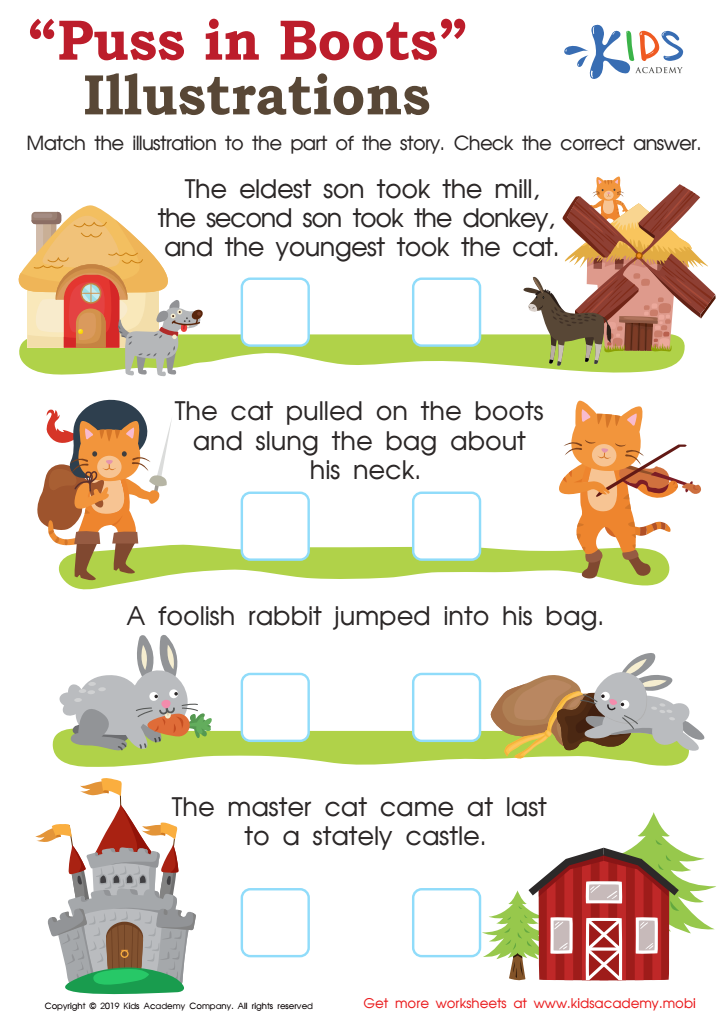
Puss in Boots Illustrations Worksheet
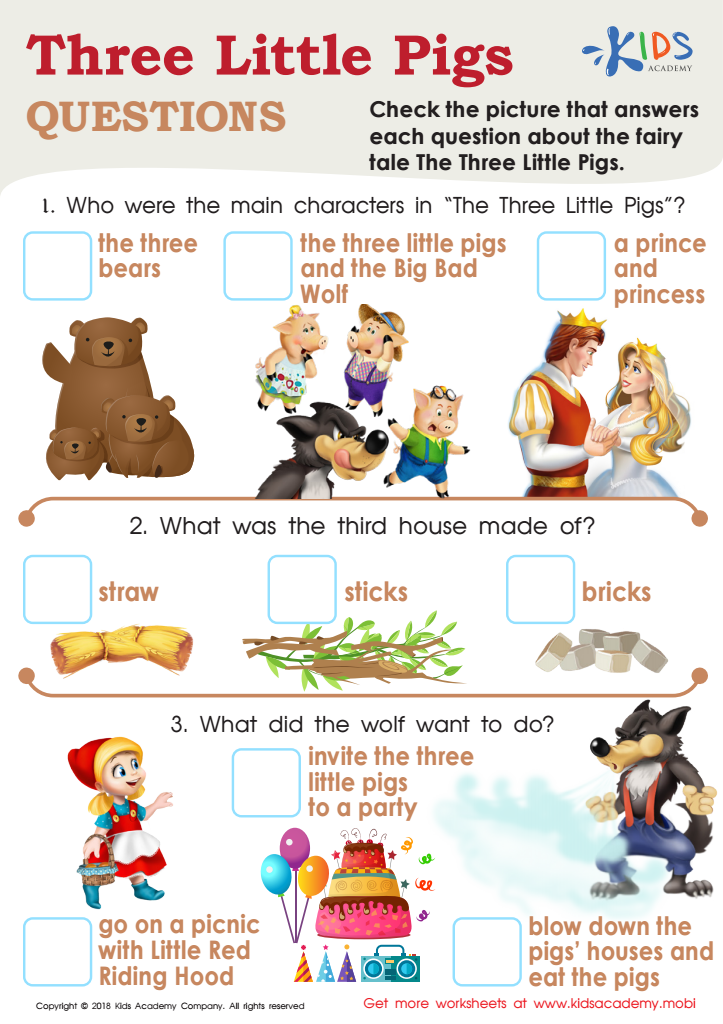
Three Little Pigs Questions Worksheet
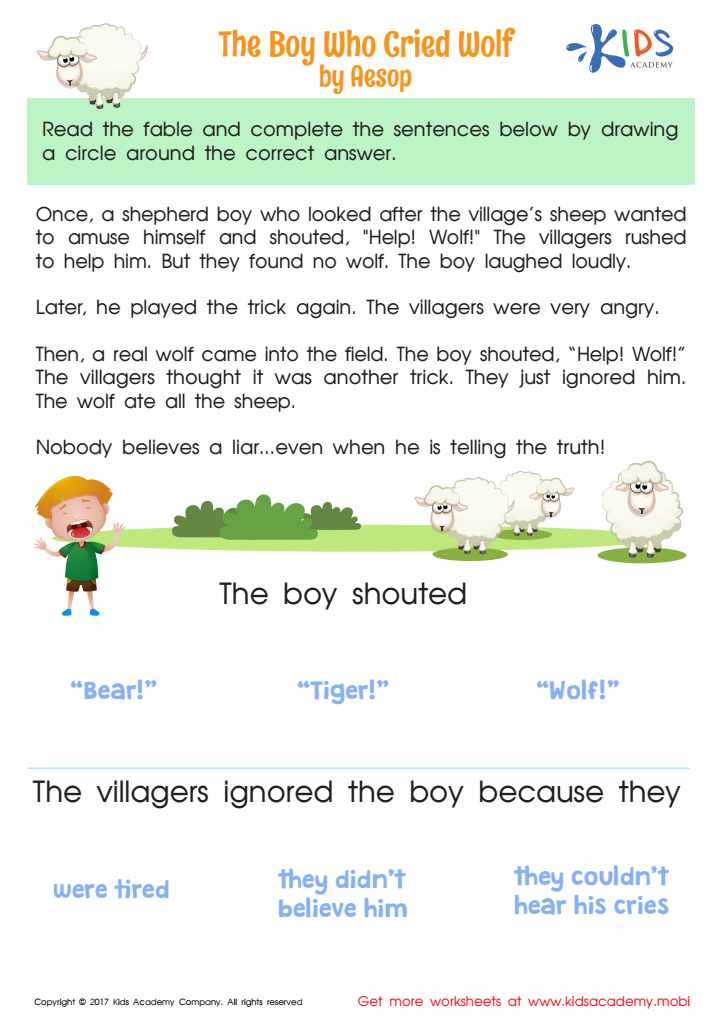
The Boy Who Cried Wolf Worksheet
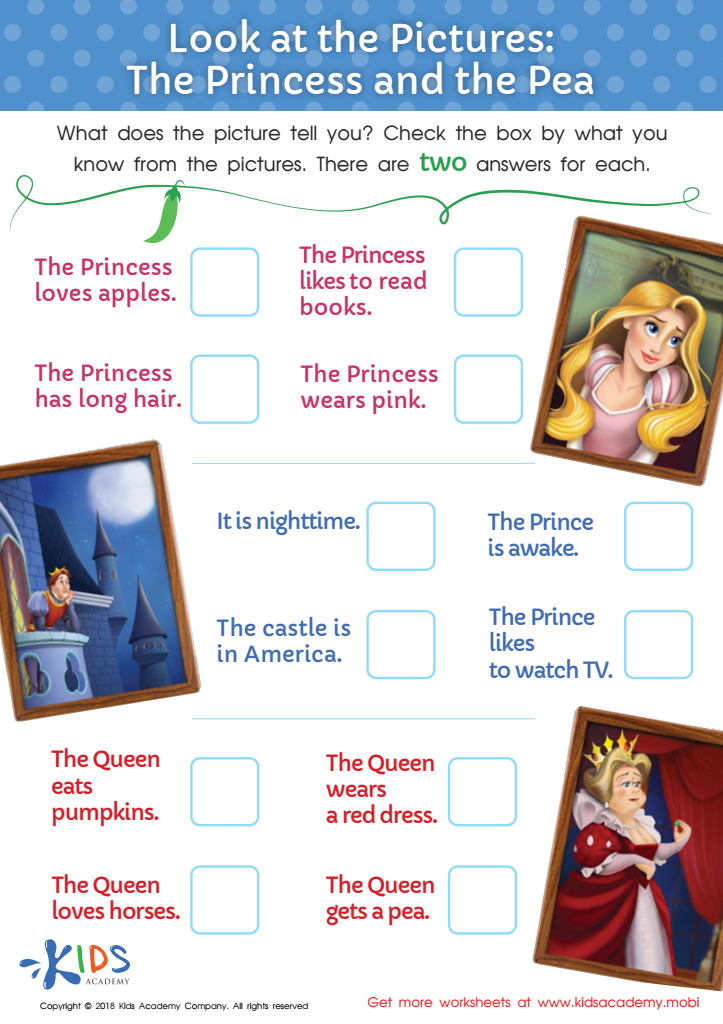
Look at the Pictures: The Princess and the Pea Worksheet
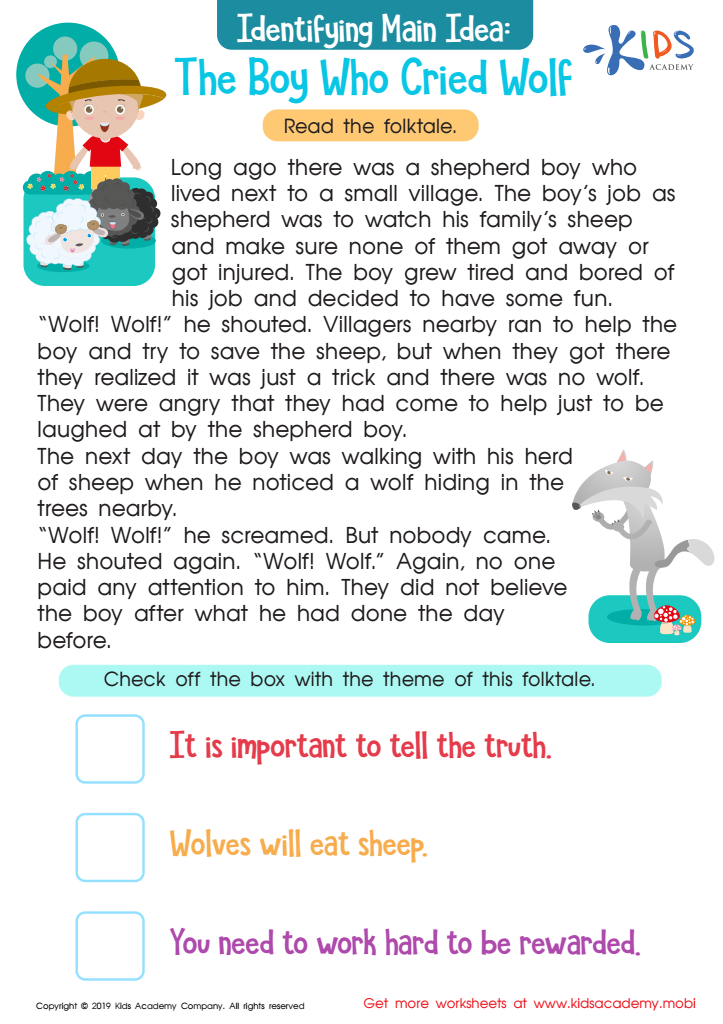
The Boy Who Cried Wolf Part 2 Worksheet
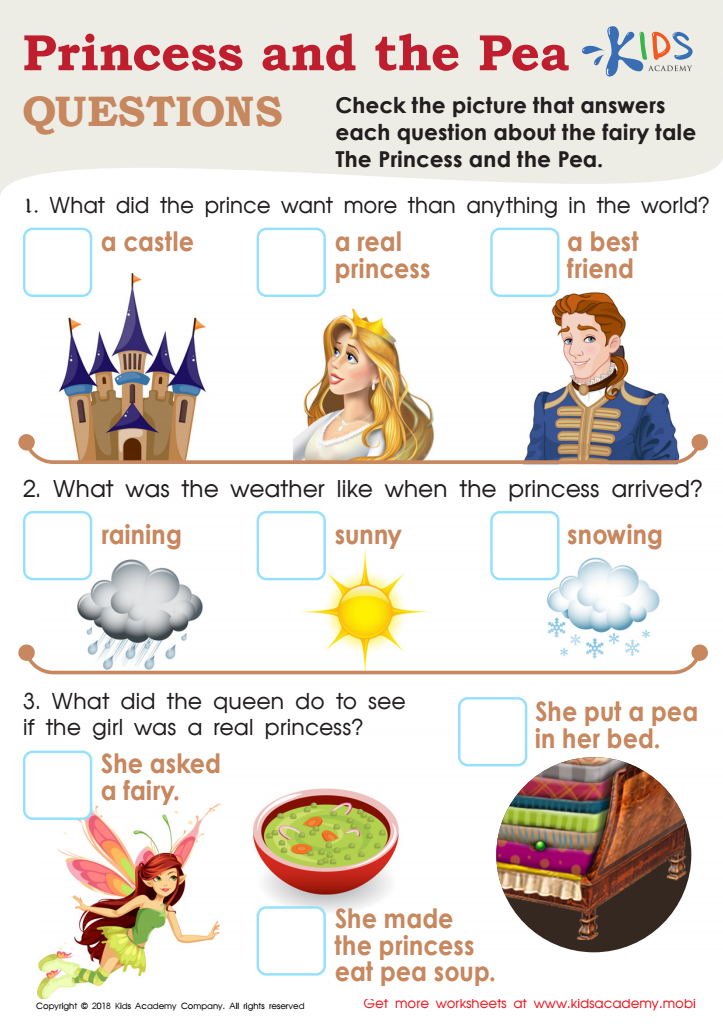
Princess and the Pea Questions Worksheet








Story sequencing and normal reading comprehension are essential components of early literacy development for children ages 3-9, and parents and teachers should care deeply about them for several reasons.
First, story sequencing helps children understand the order of events in a narrative, reinforcing the concepts of beginning, middle, and end. This skill not only aids in their comprehension of stories but also enhances their overall cognitive development, as it encourages logical thinking and the ability to predict outcomes.
Second, normal reading comprehension plays a critical role in a child's ability to grasp and retain information. Good comprehension skills mean that children can follow along with stories, understand the main ideas, and connect the text to their own experiences. This, in turn, makes reading a more enjoyable and enriching experience, fostering a lifelong love of reading.
Moreover, strong story sequencing and comprehension skills build a foundation for academic success. They are linked to better performance in all subject areas, as reading is integral to learning across the curriculum. Effective comprehension skills also support vocabulary development and linguistic abilities, which are crucial for communication.
In conclusion, focusing on story sequencing and reading comprehension not only enhances a child's reading skills but also supports their overall intellectual growth and academic achievement, making these areas vital for parents and teachers to prioritize.








