Vocabulary improvement Normal Reading Comprehension Worksheets for Ages 3-9
3 filtered results
-
From - To
Boost your child’s vocabulary and reading comprehension with our engaging worksheets designed for ages 3-9. These carefully crafted activities promote language development through fun, interactive exercises that cater to various learning levels. Each worksheet focuses on enhancing vocabulary skills while ensuring that children understand and analyze the text effectively. Ideal for at-home practice or classroom use, our resources foster a love for reading and support essential literacy skills. With vibrant illustrations and age-appropriate content, kids will enjoy the learning experience while building confidence in their abilities. Explore our collection today and watch your child flourish in their language journey!
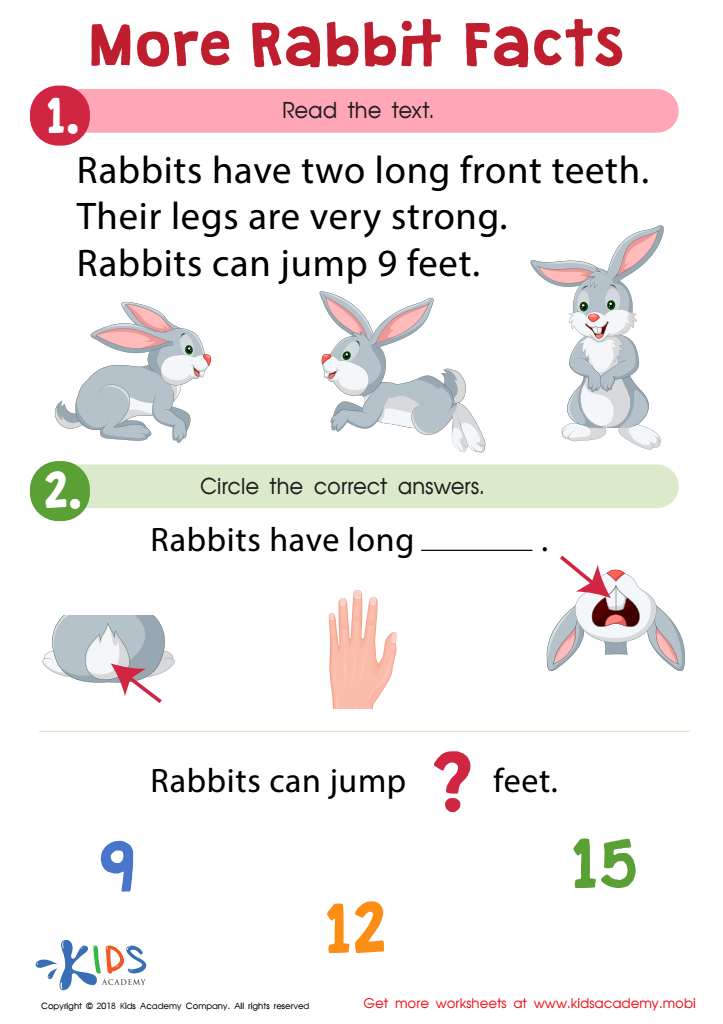
More Rabbit Facts Worksheet
 Assign to My Students
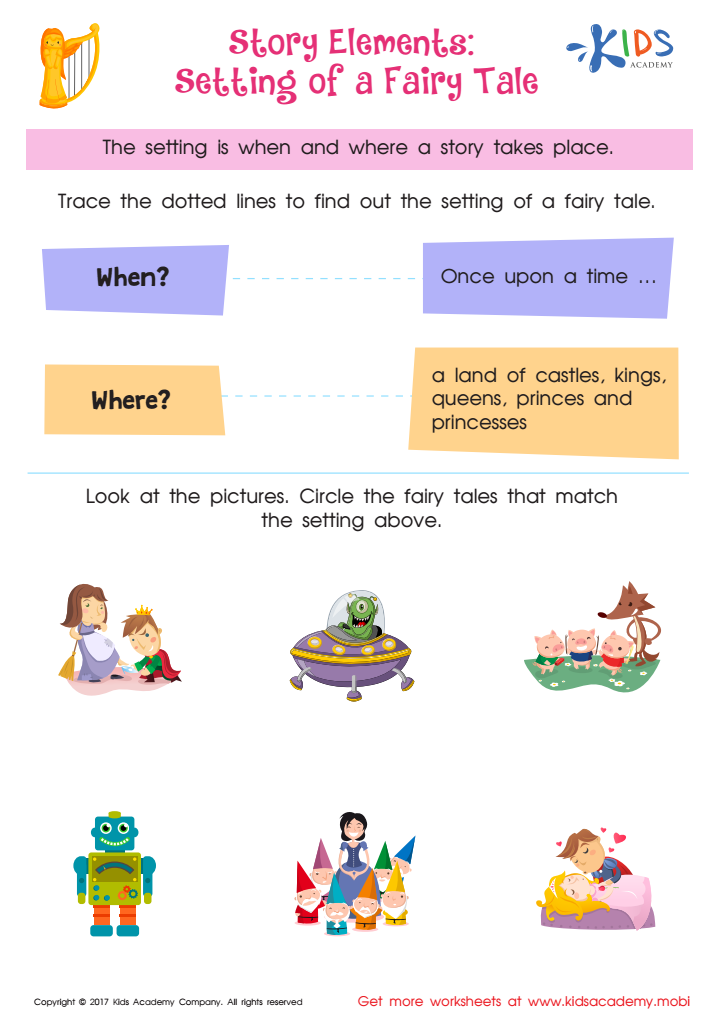
Story Elements: Setting of a Fairy Tale Printable
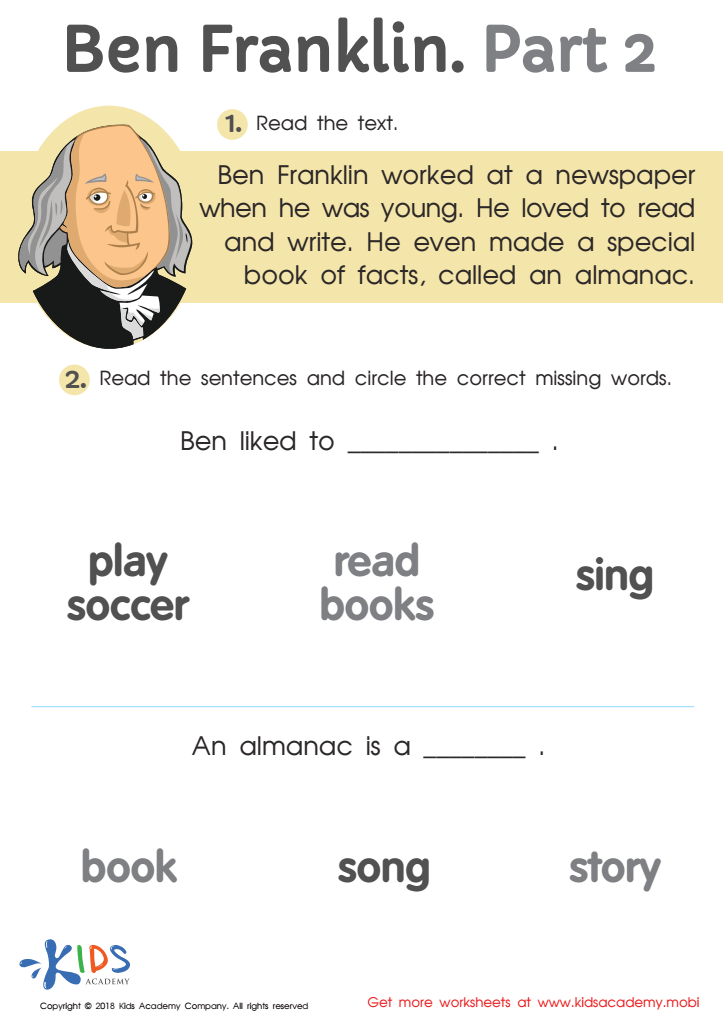
Ben Franklin Part 2 Worksheet



.jpg)
.jpg)



Vocabulary improvement is crucial for children aged 3-9 as it significantly influences their reading comprehension and overall academic success. During these formative years, children are developing foundational language skills that form the basis for effective communication and learning. A strong vocabulary enables children to understand and interpret the information they encounter in texts, allowing for richer and more meaningful learning experiences.
When children have a broader vocabulary, they can express their thoughts and feelings more articulate, fostering confidence in their communication. Improved vocabulary also aids in critical thinking; as children encounter new words, they expand their ability to make connections, ask questions, and analyze texts. This comprehension is crucial for success not just in reading, but across all subjects.
Parents and teachers play an essential role in nurturing vocabulary development. Engaging children in conversations, reading diverse books, and introducing new words in context are effective strategies. This attention to vocabulary helps close achievement gaps and establishes a love for reading. Ultimately, prioritizing vocabulary improvement translates to enhanced comprehension skills, laying a strong foundation for lifelong learning and academic achievement. By fostering robust vocabulary development, caregivers equip children with essential tools for future success.