Vocabulary development Normal Reading Fiction Worksheets for Ages 3-9
5 filtered results
-
From - To
Enhance your child's vocabulary with our engaging Vocabulary Development Normal Reading Fiction Worksheets, specially designed for ages 3-9. These worksheets incorporate fun, fictional stories that captivate young minds while promoting literacy skills. Our materials encourage children to explore new words in a context that fosters understanding and retention. Through various activities, such as fill-in-the-blank exercises and matching games, children will build their vocabulary in an enjoyable way. Perfect for both classroom and home learning, our worksheets support early vocabulary growth, essential for reading comprehension and effective communication. Start your child’s journey towards language mastery today!
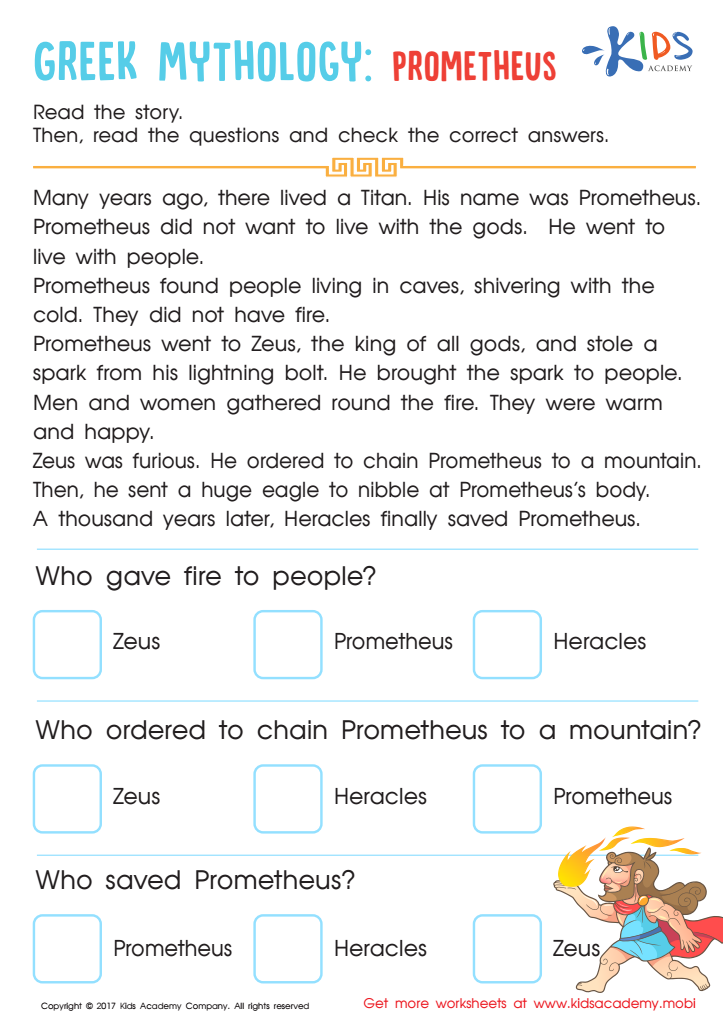
Prometheus Story Worksheet
 Assign to My Students
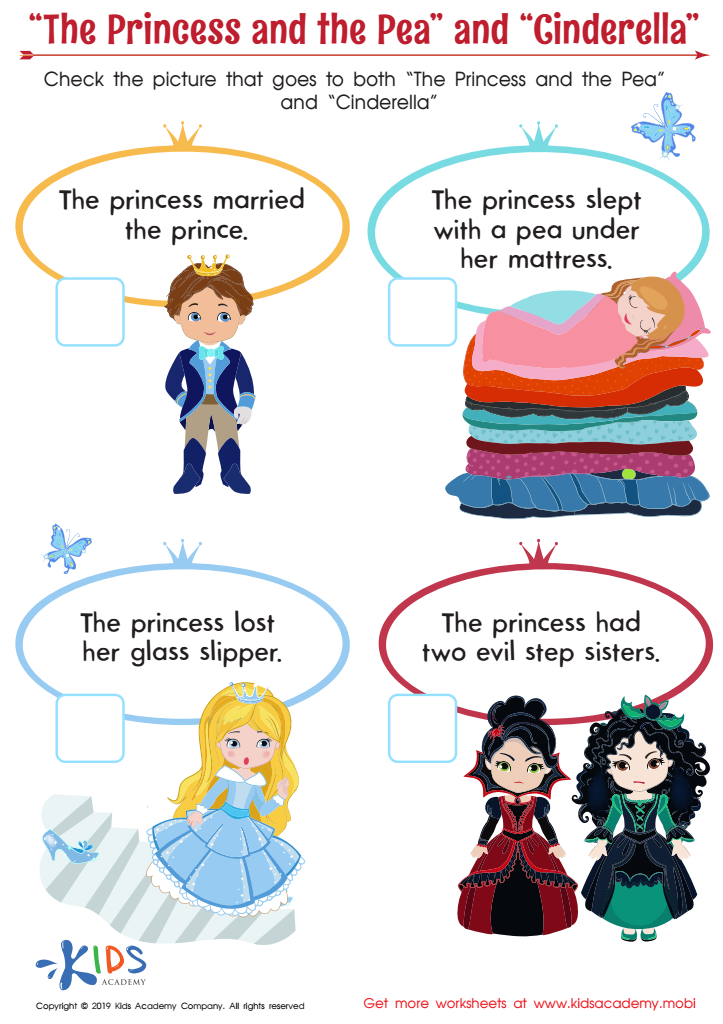
“The Princess and the Pea” and “Cinderella” Worksheet
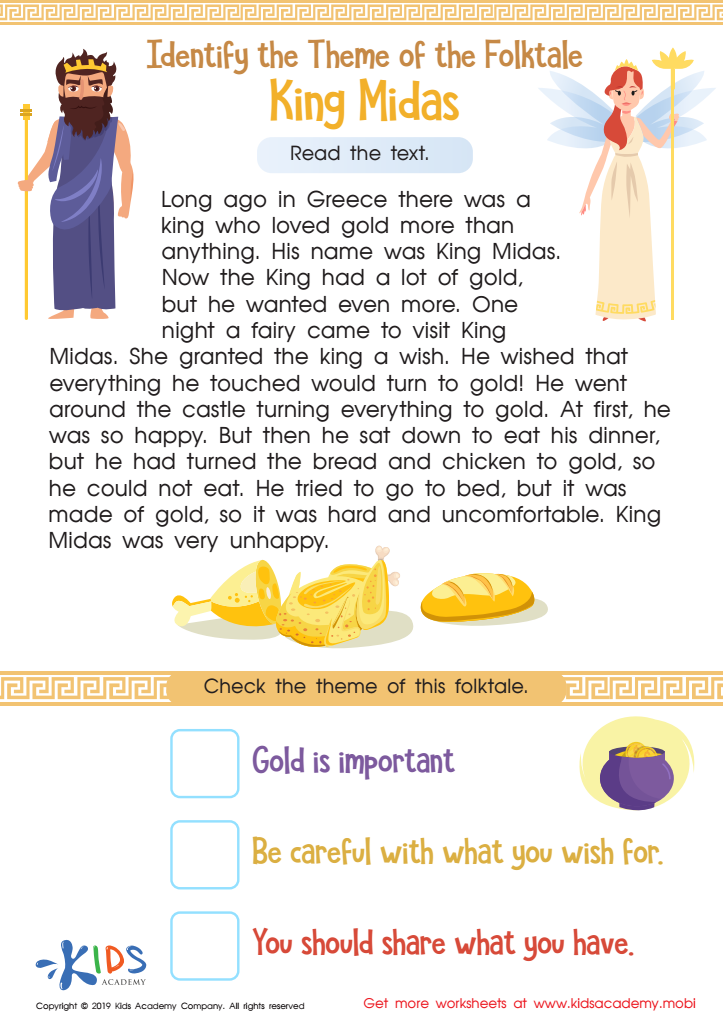
King Midas Worksheet
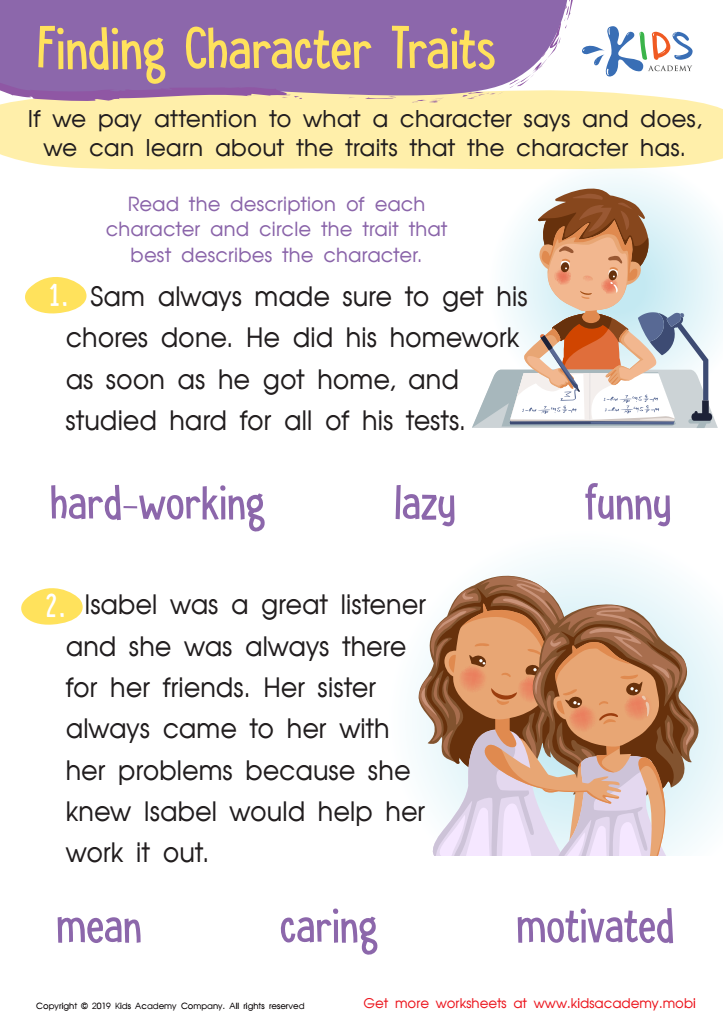
Finding Character Traits Worksheet
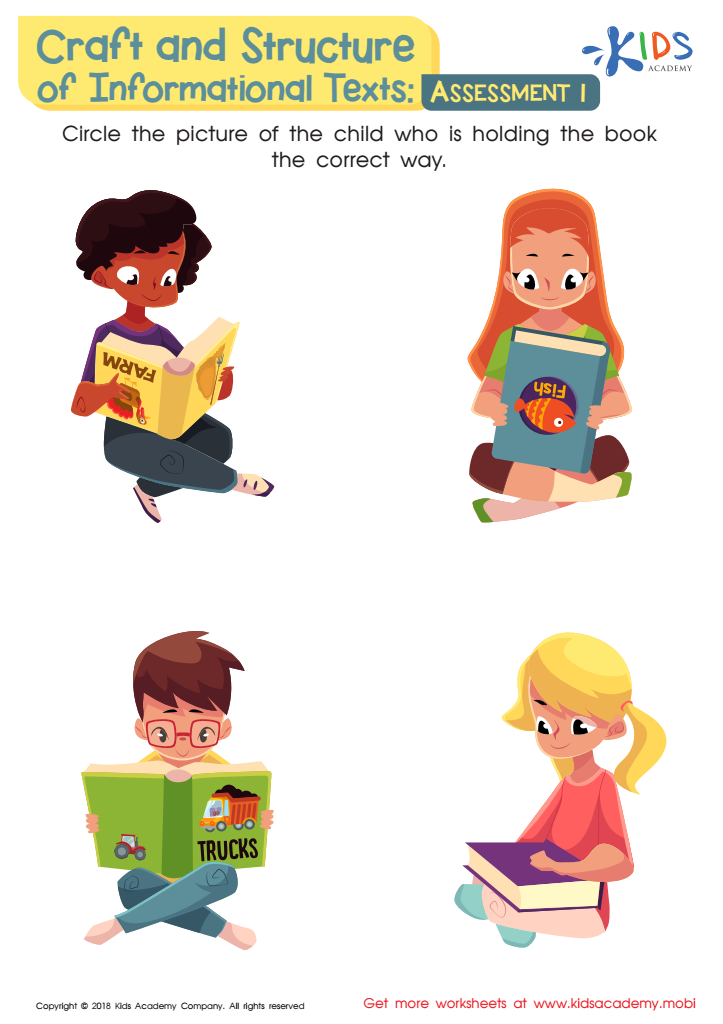
Craft and Structure of Informational Texts: Assessment 1 Worksheet



.jpg)




Vocabulary development is crucial for children aged 3-9, as it forms the foundation for literacy and communication skills. During these formative years, children are like sponges, soaking up new words and concepts. Engaging with vocabulary through reading fiction not only enhances language skills but also stimulates imagination and creativity.
When parents or teachers read fiction to children, they introduce a rich array of language, including diverse words, phrases, and contexts. This exposure helps children understand the meaning of new vocabulary in a meaningful way, as they can relate words to images, stories, and experiences. Additionally, fiction fosters a love for reading, which is pivotal in promoting lifelong learning.
Furthermore, strong vocabulary skills contribute to reading comprehension and academic success. Children with a broad vocabulary are better equipped to understand complex texts, express their ideas clearly, and engage in discussions, setting them up for success in school and beyond.
By prioritizing vocabulary development through reading fiction, parents and teachers can empower children to become confident communicators, creative thinkers, and enthusiastic learners, laying the groundwork for their future educational journeys. Ultimately, investing in vocabulary development is investing in a child’s successful and fulfilling life.







