Cognitive Development Normal Animals Worksheets for Ages 3-9
5 filtered results
-
From - To
Unlock your child's potential with our "Cognitive Development Normal Animals Worksheets" designed for ages 3-9! These engaging worksheets help young learners explore the fascinating world of animals while enhancing critical cognitive skills. From recognizing patterns to developing problem-solving abilities, each activity is thoughtfully crafted to stimulate young minds. Encouraging curiosity and creativity, these resources add an exciting twist to your child's learning experience. Perfect for homeschooling or classroom activities, our worksheets are easy to download and print, making educational fun accessible anytime, anywhere. Foster a love for learning about animals and watch your child's cognitive abilities soar!
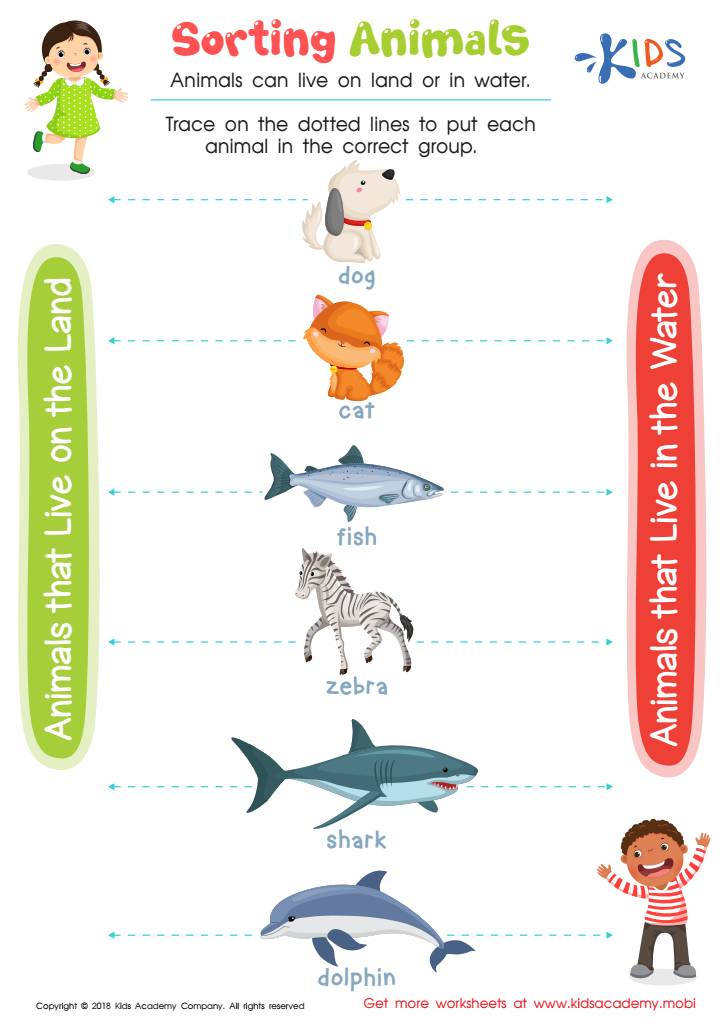
Sorting Animals Worksheet
 Assign to My Students
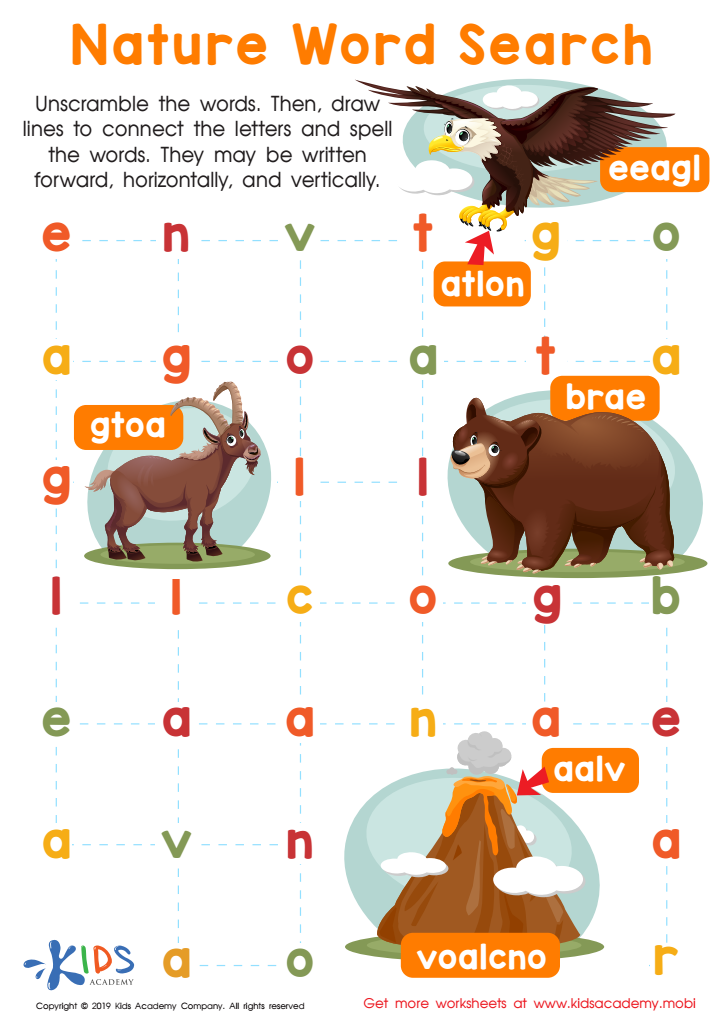
Nature Word Search Worksheet
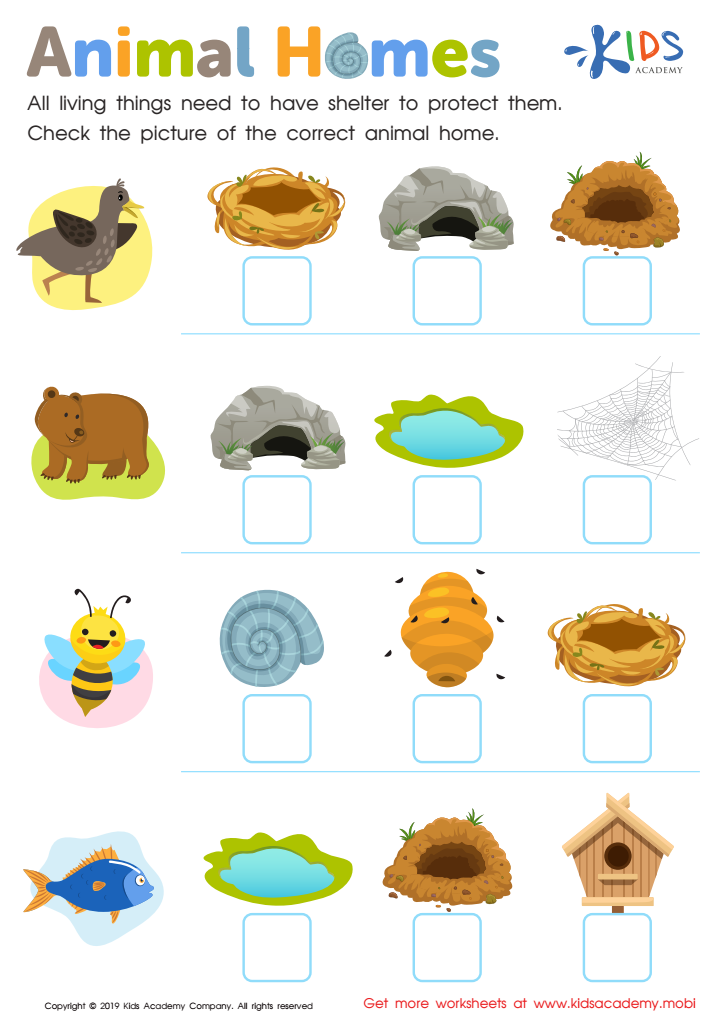
Animal Homes Worksheet
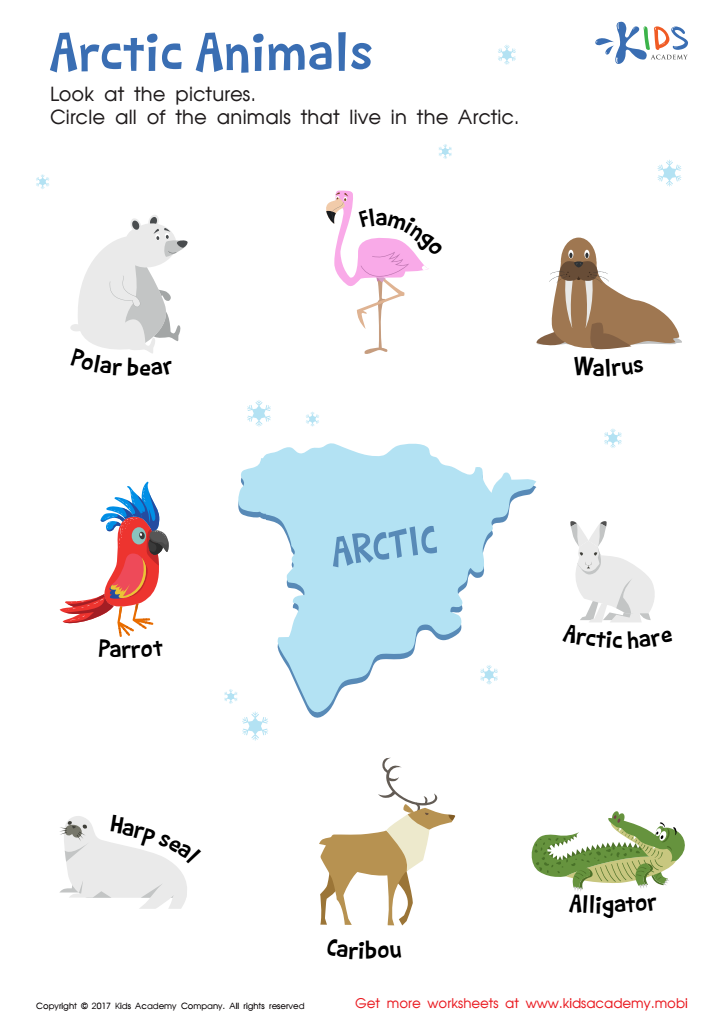
Arctic Animals Worksheet
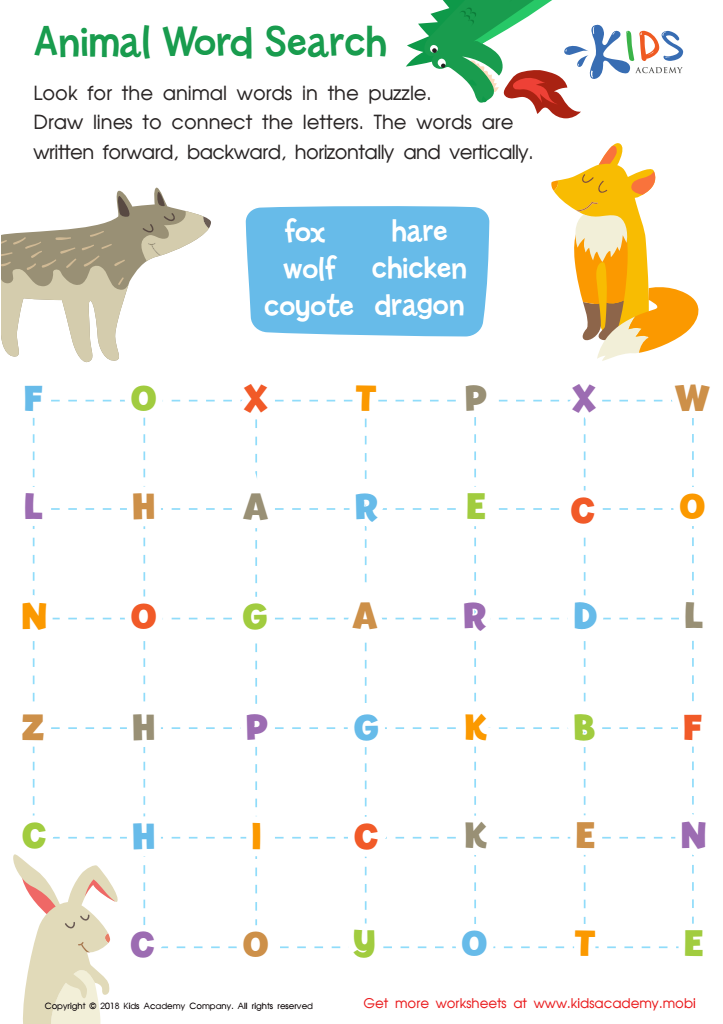
Animal Word Search Worksheet








Understanding cognitive development in young children, akin to that in animals, is crucial for parents and teachers. Between ages 3-9, children's brains undergo rapid and significant growth, influencing their ability to think, understand, and learn. Cognition involves the processes of learning, memory, problem-solving, and decision-making, pivotal for overall development and future academic success.
By observing cognitive milestones in animals, educators and parents can gain insights into typical growth patterns, thus aiding in recognizing signs of healthy development or potential delays. For instance, the way animals engage with their environment, learn from experiences, and form social bonds reflects similar cognitive processes in children. Understanding these comparisons enables parents and teachers to create enriching learning environments that are responsive to children's developmental stages and needs.
Additionally, fostering cognitive skills during this critical period can lay the foundation for creativity, emotional intelligence, and social skills. Engaging children in stimulating activities, such as puzzles, games, and imaginative play, nurtures their cognitive abilities. Ultimately, caring for cognitive development during these formative years equips children with essential skills, promoting their overall well-being and setting them on a pathway to lifelong learning and adaptability.








