Knowledge application Normal Science Worksheets for Ages 3-9
5 filtered results
-
From - To
Enhance your child's understanding of science with our "Knowledge Application Normal Science Worksheets" designed for ages 3-9. These engaging worksheets encourage young learners to apply their scientific knowledge in fun and interactive ways. Packed with colorful illustrations and age-appropriate activities, each worksheet promotes critical thinking, observation skills, and creativity. Children will explore topics such as the environment, life cycles, and basic physical sciences, ensuring a comprehensive learning experience. Perfect for at-home learning or classroom enrichment, these worksheets provide a valuable resource for parents and teachers alike. Foster a love for science in your little ones and watch them thrive!
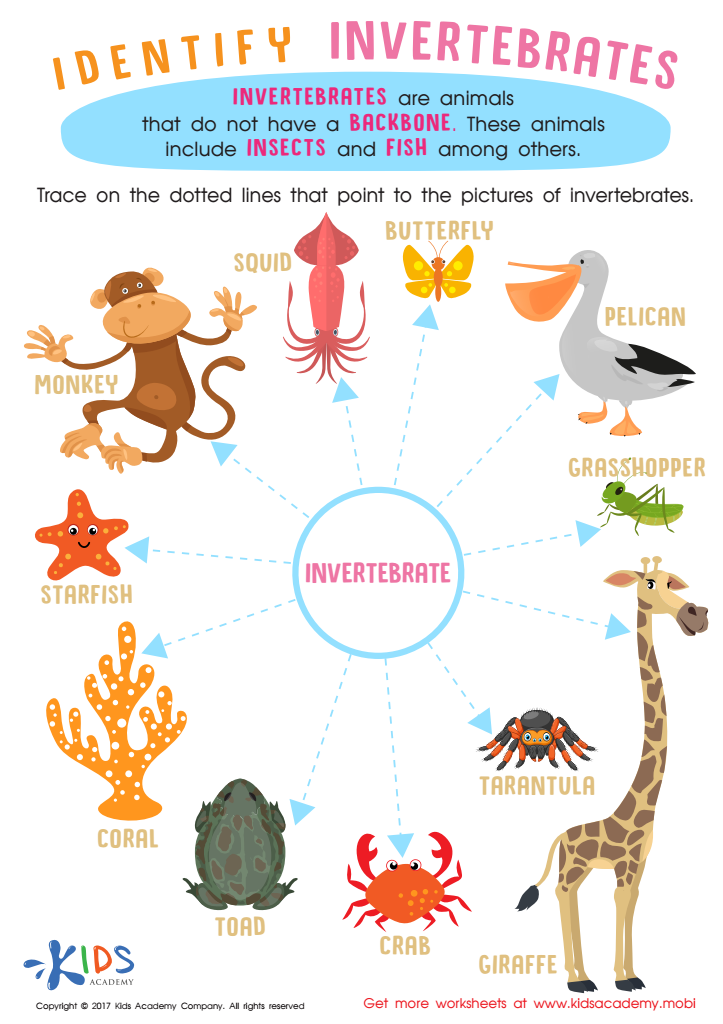
Invertebrates Worksheet for Grade 3
 Assign to My Students
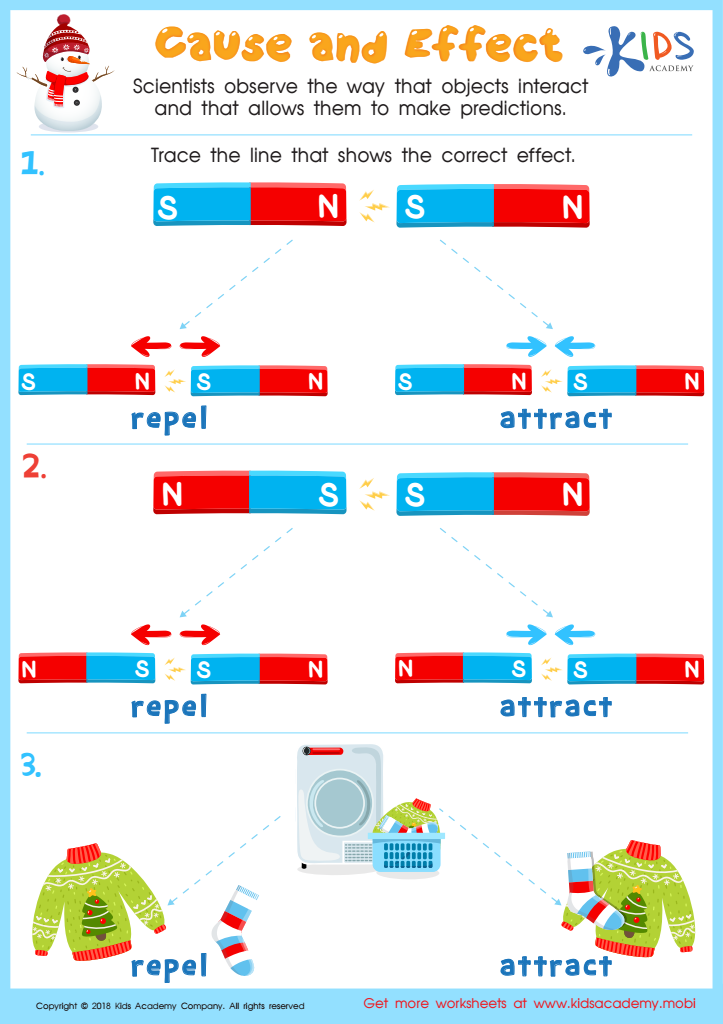
Repel and Attract Magnet Worksheet
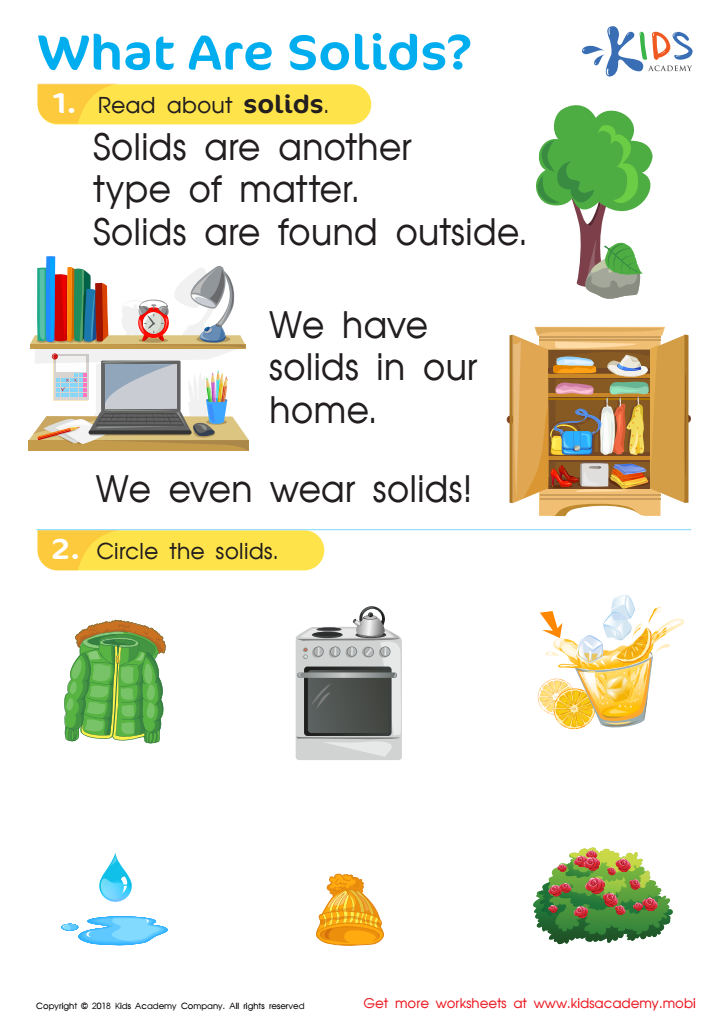
What Are Solids? Worksheet
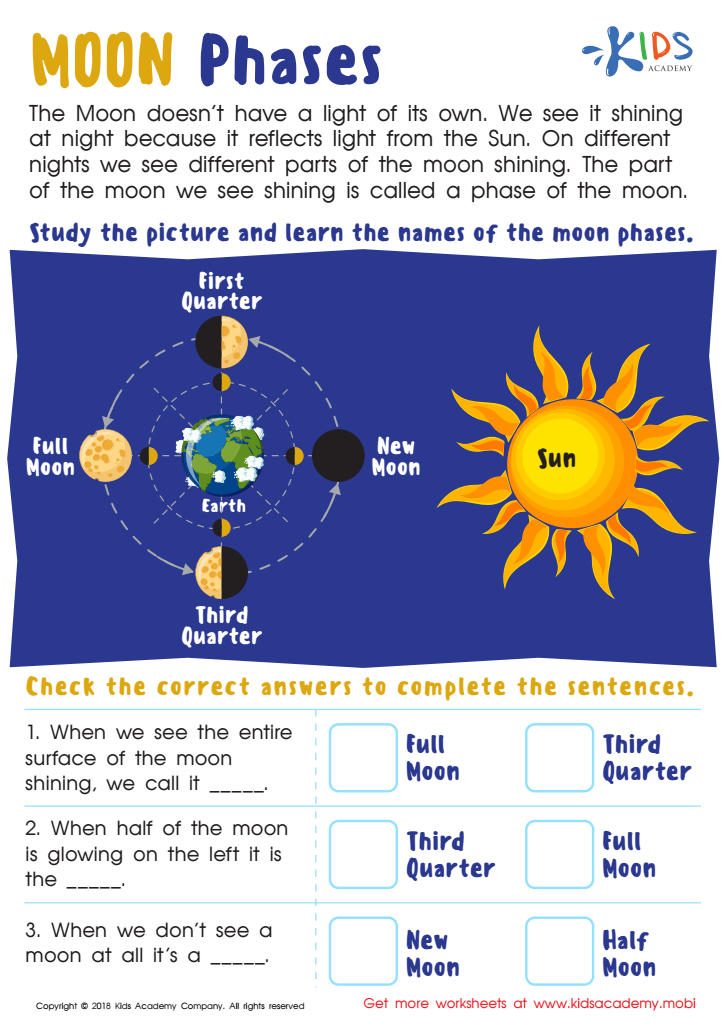
Moon Phases Worksheet
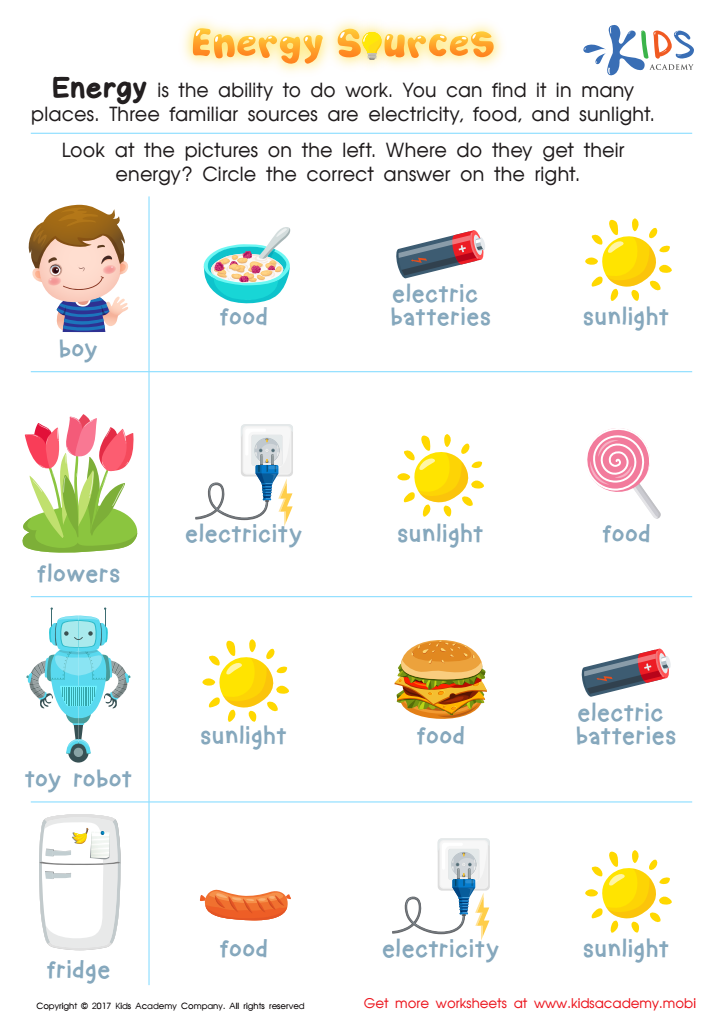
Energy Sources Printable







Knowledge application in Normal Science is vital for young learners ages 3-9, as it lays the foundation for critical thinking and problem-solving skills. During this developmental stage, children are naturally curious about the world around them. By integrating Normal Science—which focuses on observation, experimentation, and reasoning—into their early education, parents and teachers can foster an inquisitive mindset.
Firstly, this approach encourages active engagement. When children apply scientific concepts through hands-on activities, they retain knowledge more effectively and develop a love for learning. It also promotes collaboration and communication as they work together to explore ideas and share findings.
Moreover, Knowledge application in Normal Science helps children make connections across various subjects. For example, understanding basic physical principles enriches their comprehension of mathematics, environmental awareness, and even art. It nurtures a holistic view of the world, enhancing creativity and imagination.
Finally, incorporating scientific knowledge early cultivates future innovators and critical thinkers who are better equipped to navigate complex challenges. By emphasizing this educational framework, we are empowering the next generation to taste the value of inquiry and develop skills essential for lifelong learning. Therefore, parents and teachers should actively promote the application of Normal Science in early education contexts.







