Learning about ecosystems Normal Plants and Animals Worksheets for Ages 3-9
3 filtered results
-
From - To
Discover the wonders of ecosystems with our "Learning about Ecosystems: Normal Plants and Animals Worksheets" designed for ages 3-9! These engaging, printable worksheets are perfect for young learners to explore the diverse relationships between plants and animals in their environments. Featuring vibrant illustrations and age-appropriate tasks, children will develop essential skills while enhancing their understanding of nature. Each worksheet encourages curiosity and critical thinking, making science fun and accessible. Ideal for home or classroom use, our resources support various learning styles and foster a love for the natural world. Start their ecological journey today and watch their knowledge grow!
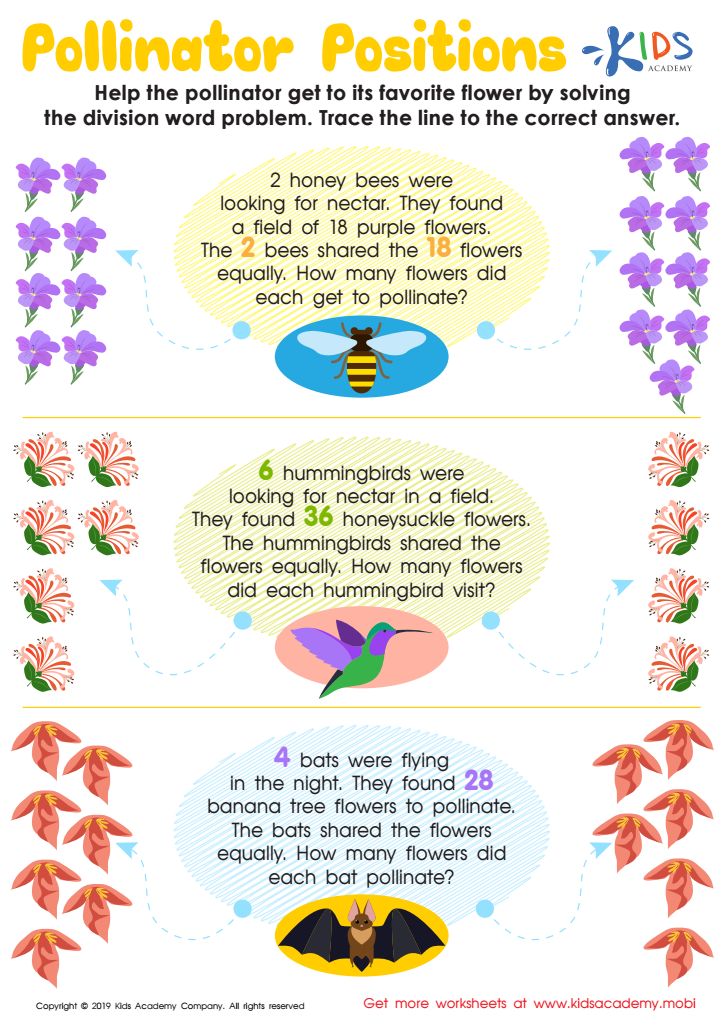
Pollinator Positions Worksheet
 Assign to My Students











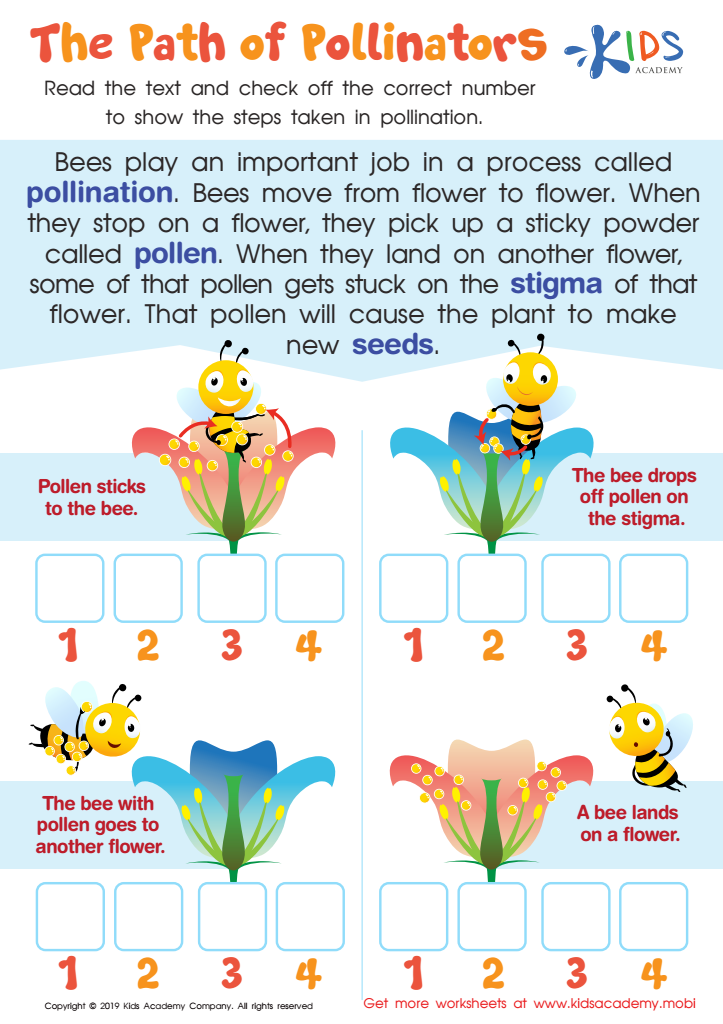
The Path of Pollinators Worksheet
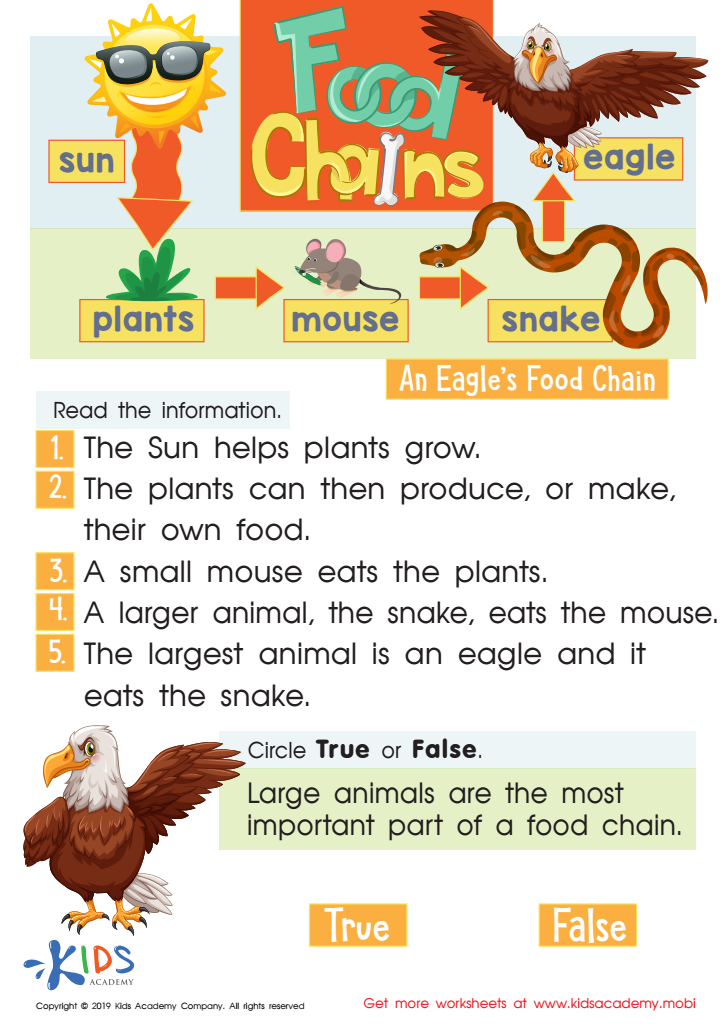
Food Chains Worksheet






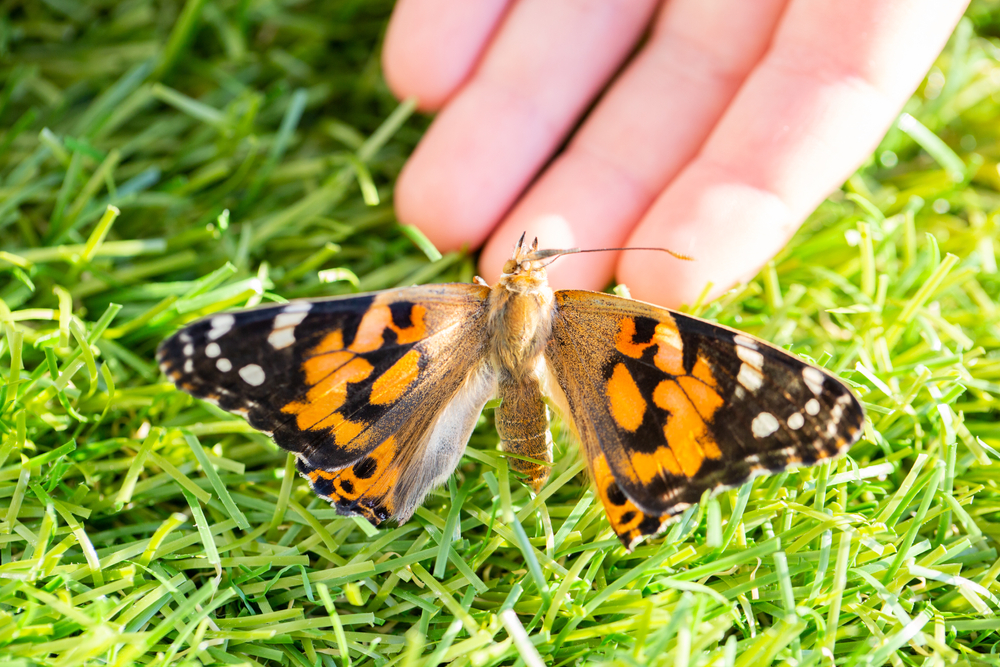
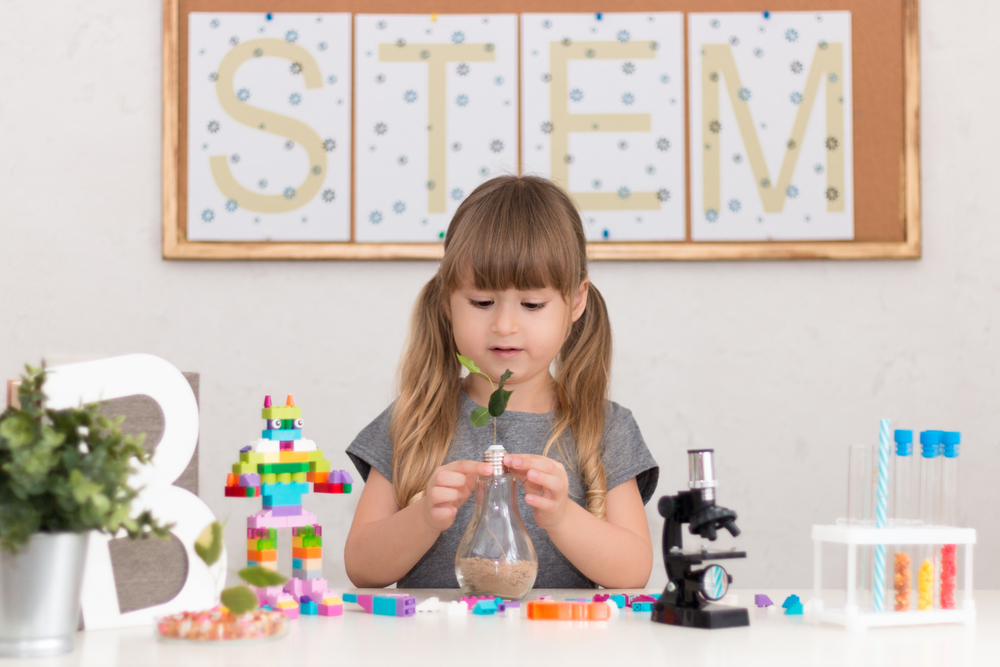
Understanding ecosystems and the role of plants and animals is crucial for children aged 3 to 9, as it lays the foundation for environmental literacy and a sense of responsibility toward our planet. At a young age, children are naturally curious about the world around them, and learning about ecosystems can enrich that curiosity. It fosters an appreciation for nature, highlighting the delicate balance between living organisms and their environments.
When parents and teachers engage children in learning about ecosystems, they nurture critical thinking, observation skills, and a sense of wonder. Recognizing the importance of animals and plants helps children comprehend concepts like biodiversity and conservation in a relatable manner. This knowledge encourages them to respect nature, fostering behaviors that contribute to environmental stewardship.
By integrating lessons about ecosystems, educators and parents can introduce fundamental concepts such as food chains, habitats, and interdependence, which are vital for STEM learning. Additionally, outdoor activities and explorations provide practical experiences, promoting physical health and social skills. Ultimately, knowledge about ecosystems empowers children to become informed citizens, ready to advocate for the environment as they grow, ensuring a healthier planet for future generations.







