Problem-Solving Skills Normal Community Worksheets for Ages 3-9
6 filtered results
-
From - To
Enhance your child's intellectual growth with our "Problem-Solving Skills Normal Community Worksheets," designed specifically for ages 3 to 9. These engaging, printable worksheets encourage young learners to develop critical thinking and problem-solving abilities through fun, community-themed activities. By navigating through real-world scenarios, children will strengthen decision-making skills, evoke creativity, and foster collaboration. Perfect for both home and classroom use, these worksheets are an excellent resource for teachers and parents looking to spark curiosity and resilience in their kids. Download our comprehensive collection today and watch your child thrive as they tackle challenges and explore their community effectively!

Community Doctors: Maze Printable
 Assign to My Students
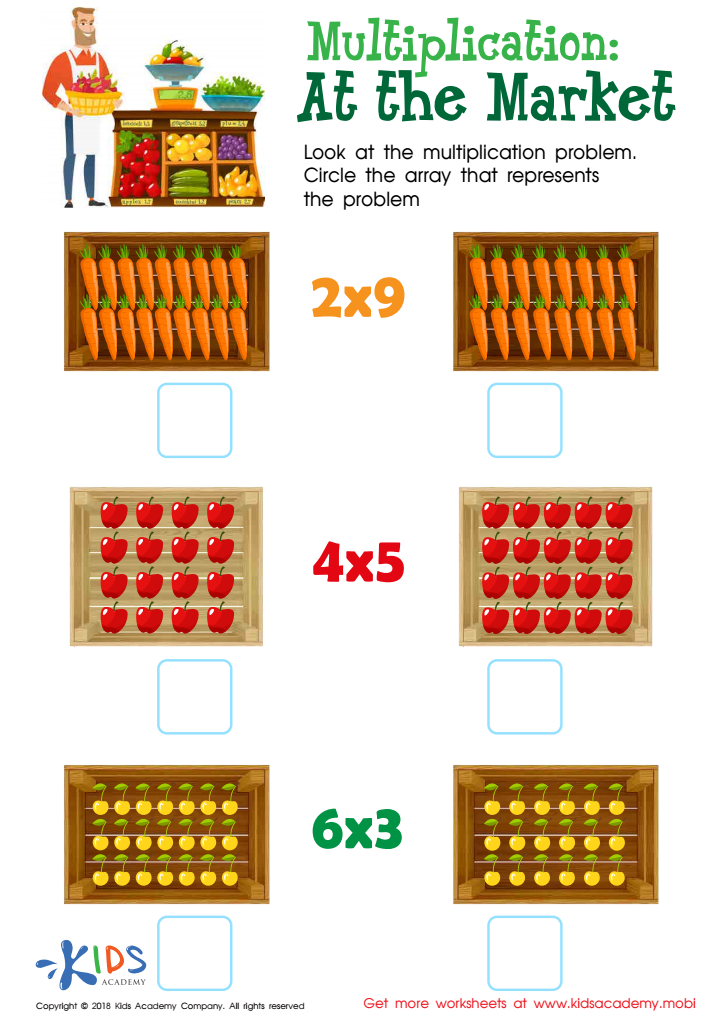
At the Market Worksheet

Towns Worksheet

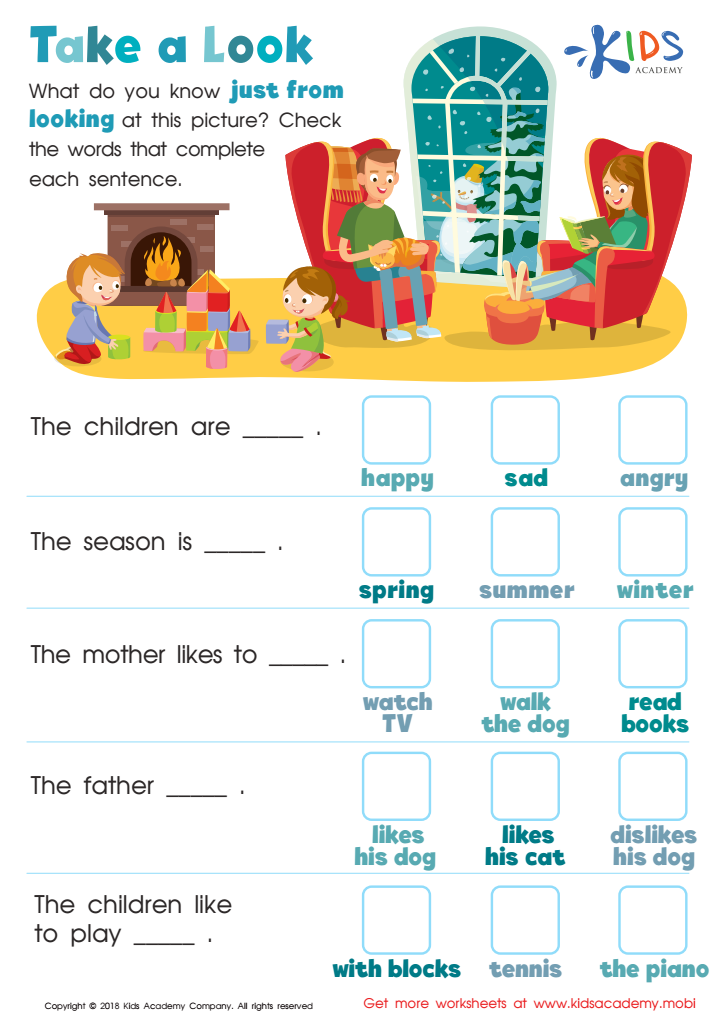
Take a Look - Part 1 Worksheet
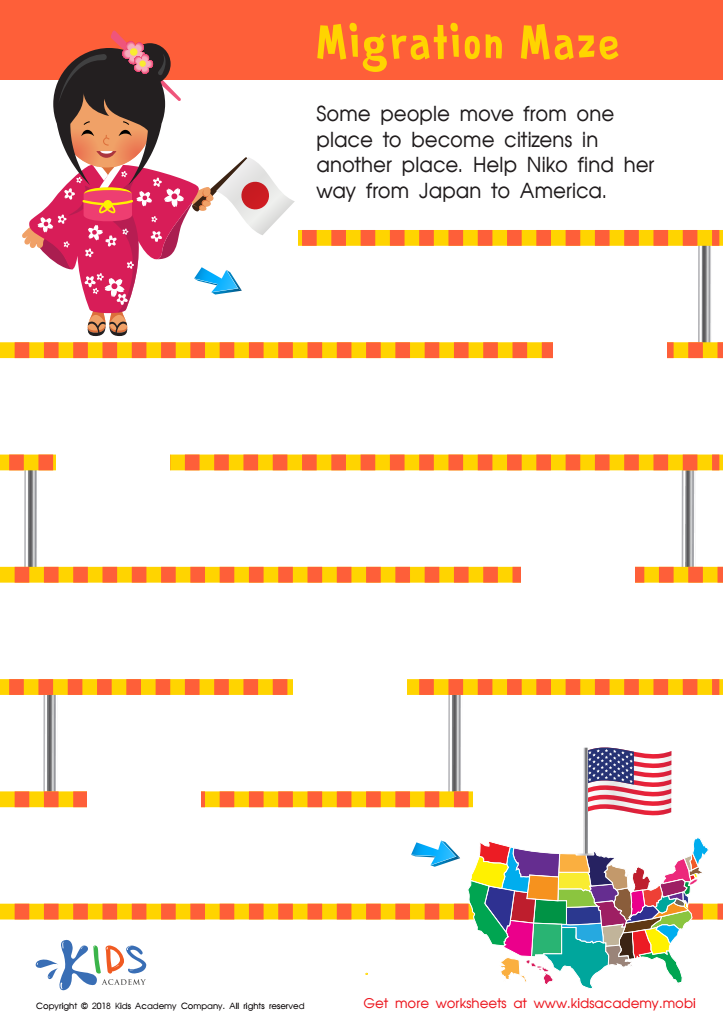
Migration Maze Worksheet








Parents and teachers should be particularly invested in developing problem-solving skills in children aged 3-9, as these foundational abilities foster cognitive development and emotional resilience. In early childhood, kids encounter a myriad of challenges—from simple puzzles to complex social interactions. By nurturing problem-solving skills within a supportive community, adults can help children learn to think critically, analyze situations, and devise effective solutions.
Strong problem-solving abilities not only enhance academic performance but also prepare children for real-life challenges. When children engage in group activities, they learn collaboration, patience, and empathy, which are vital for working effectively with others. Skills such as persistence in the face of setbacks and adaptability in changing circumstances also emerge during this crucial developmental window.
Moreover, encouraging a community-focused approach supports diverse perspectives and ideas, enriching children’s understanding of the world around them. When parents and teachers actively model and reward problem-solving efforts, they help instill a growth mindset—one where mistakes are seen as opportunities for learning.
In summary, prioritizing problem-solving skills in early education and parenting prepares children not just for school but for a life rich in personal and interpersonal successes. Thus, fostering these skills within a community context is essential for holistic child development.








