Vocabulary expansion Normal History Worksheets for Ages 3-9
5 filtered results
-
From - To
Enhance your child's learning experience with our engaging Vocabulary Expansion Normal History Worksheets designed for ages 3 to 9. These worksheets introduce young learners to fundamental historical concepts and terms through fun activities that promote language development. With colorful visuals and age-appropriate exercises, children will discover new vocabulary related to history while developing essential reading and comprehension skills. Perfect for both home and classroom use, our resource provides an interactive way to explore social studies concepts. Foster curiosity and a love for history as your child connects words to their meaning in a playful and educational context. Dive into history today!
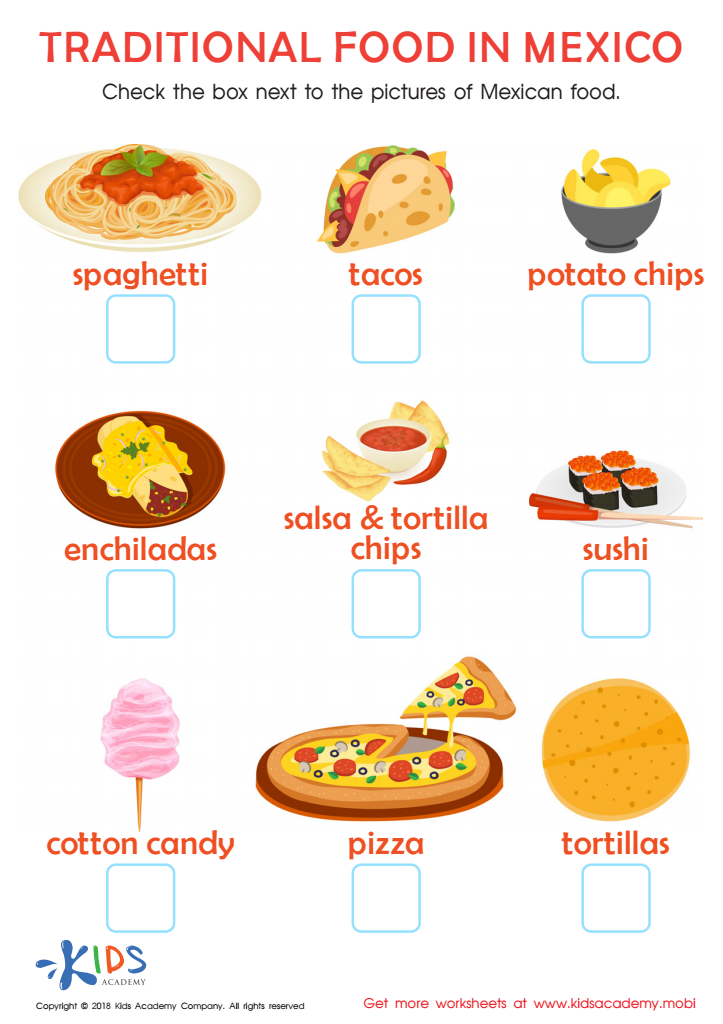
Traditional Food in Mexico Worksheet
 Assign to My Students
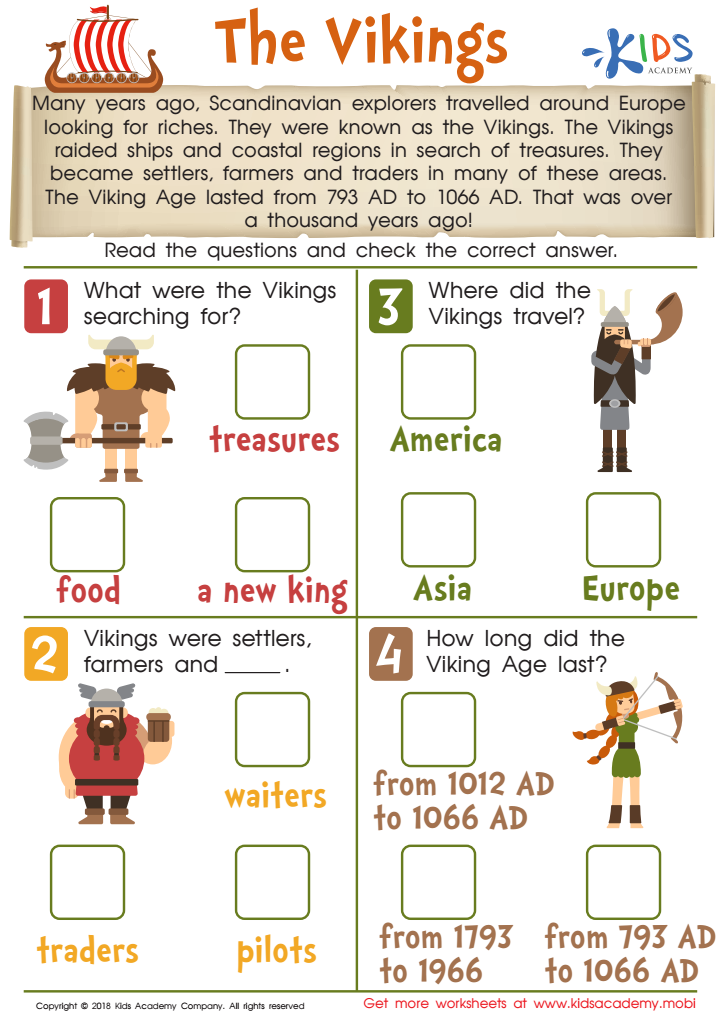
The Vikings Worksheet
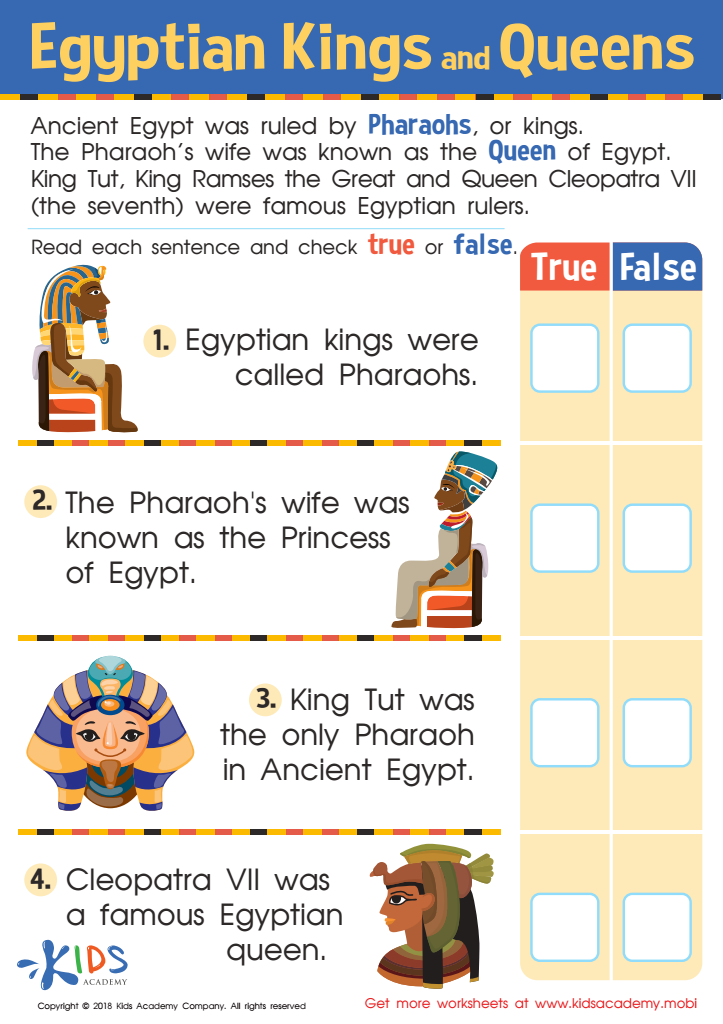
Egyptian Kings and Queens Worksheet
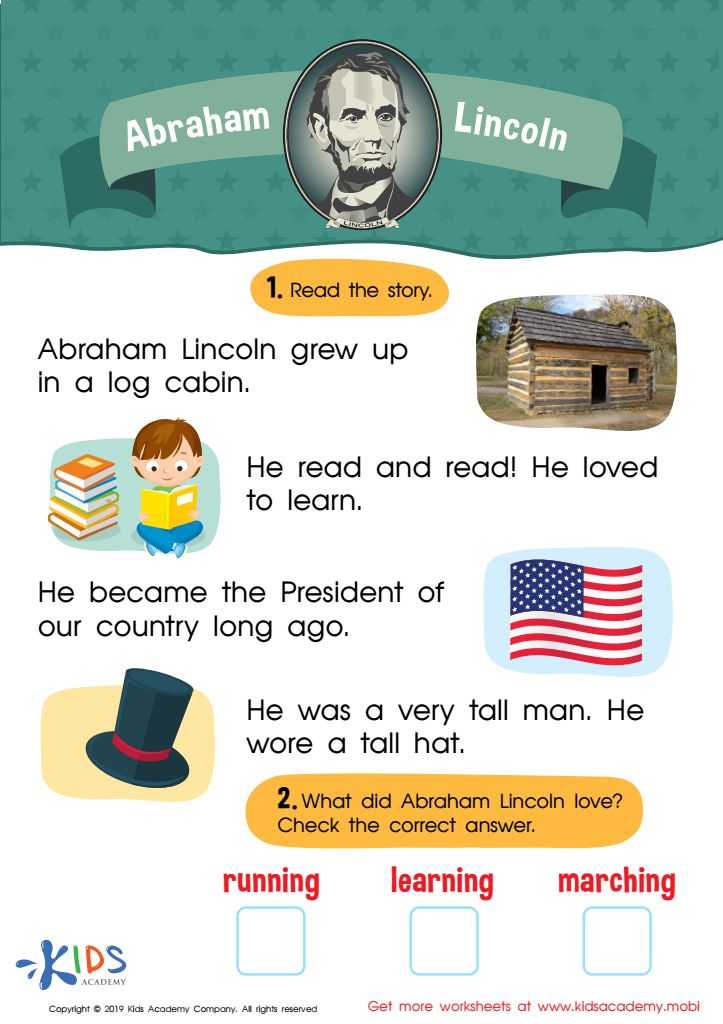
Abraham Lincoln Worksheet
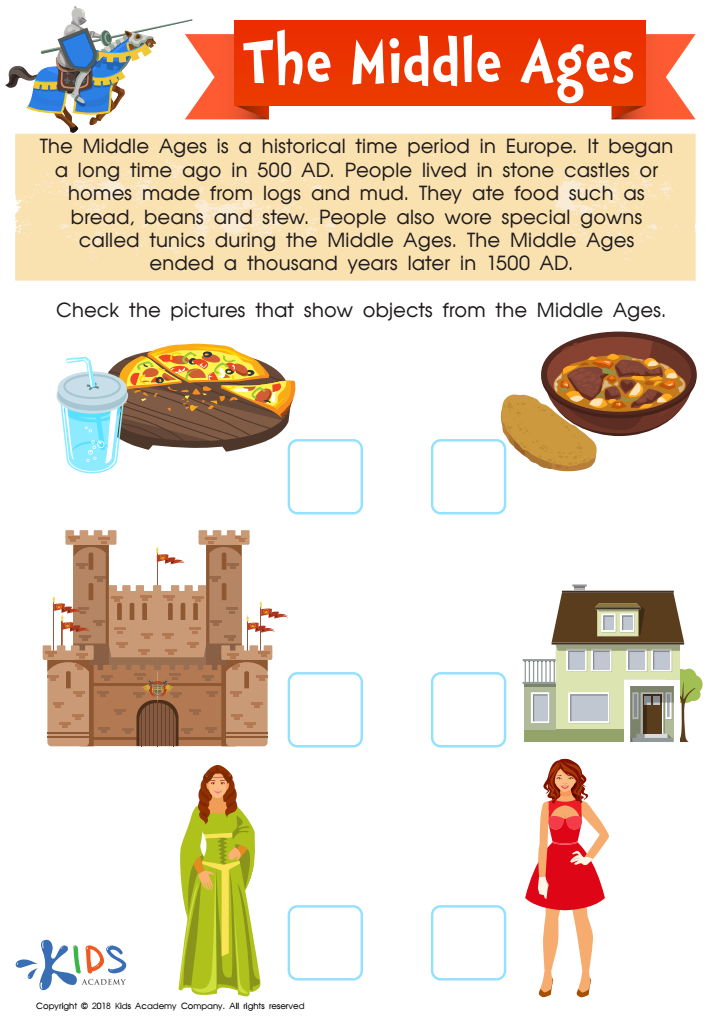
The Middle Ages Worksheet








Parents and teachers play a crucial role in the vocabulary development of children aged 3-9, as a robust vocabulary lays the foundation for effective communication, literacy, and overall academic success. Vocabulary expansion during these formative years not only enhances language skills but also supports cognitive development and critical thinking.
Encouraging vocabulary expansion helps children articulate their thoughts and feelings more clearly, fostering confidence in social interactions and participation in classroom discussions. A rich vocabulary is linked to improved reading comprehension, enabling children to understand and engage with various texts more effectively. This, in turn, instills a lifelong love for reading, which is essential for continuous learning.
Furthermore, vocabulary development plays a key role in children’s understanding of complex concepts across subjects, including math, science, and history. When children can express and comprehend new ideas, they become better problem solvers and innovators.
Parents and teachers should care about vocabulary expansion as it directly influences children’s emotional and intellectual growth, preparing them for future challenges in school and life. By prioritizing vocabulary development activities—such as reading aloud, engaging in conversations, and introducing new words—adults can support children in achieving their full potential.