Weather identification Normal World Around Us Worksheets for Ages 3-9
3 filtered results
-
From - To
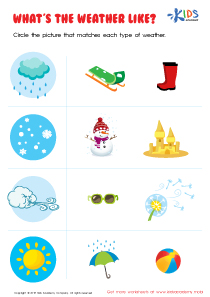
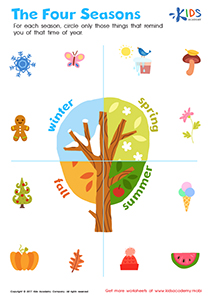
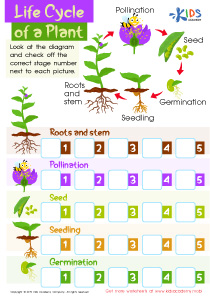
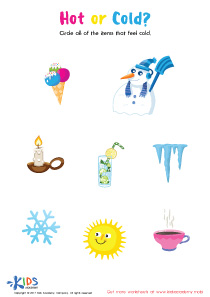
Discover engaging Weather Identification worksheets designed for young learners ages 3-9! Our "Normal World Around Us" worksheets help children explore the various types of weather through fun activities, fostering observation and identification skills. Tailored to be age-appropriate, these worksheets blend colorful visuals and interactive elements to cultivate curiosity about the environment. Children will learn to recognize different weather patterns, encouraging critical thinking and discussion. Perfect for both classroom and home use, our resources aim to enhance learning while keeping kids entertained. Equip your little ones with essential knowledge of the weather around them today!
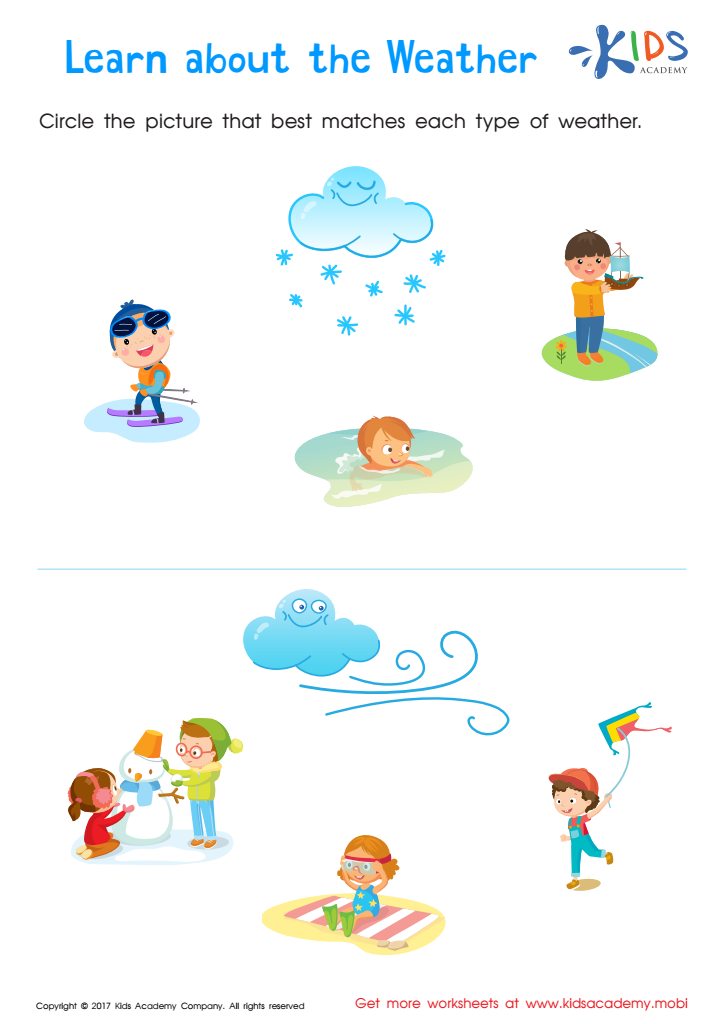
About the Weather Printable
 Assign to My Students
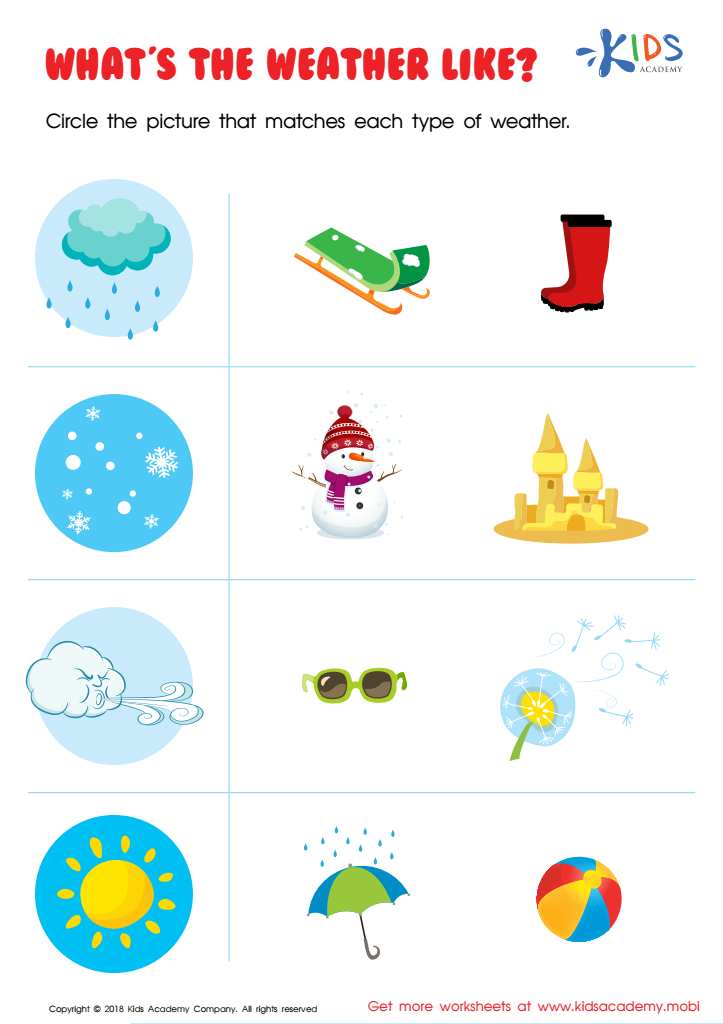
What's the Weather Like? Worksheet
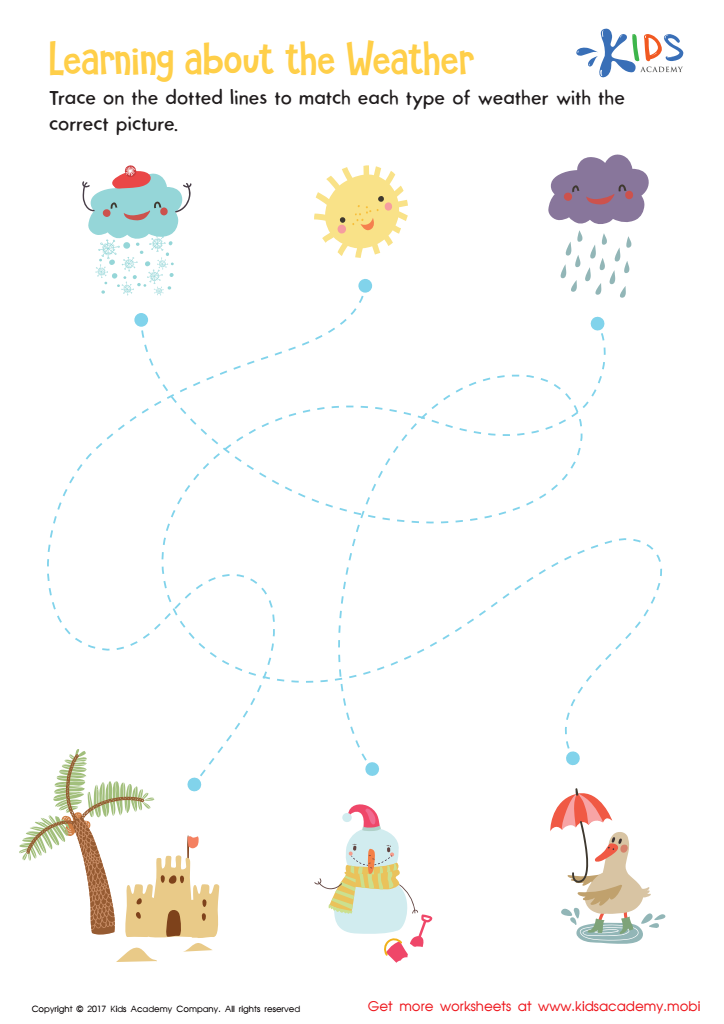








Understanding weather identification is crucial for young children, aged 3-9, as it forms an essential part of their interaction with the world around them. Introduction to basic weather concepts allows children to cultivate observational skills, critical thinking, and an understanding of their environment. By recognizing different weather types—sunny, rainy, snowy, windy—children learn to interpret changes in their surroundings which can lead to better safety awareness, such as dressing appropriately for different conditions.
Moreover, weather identification serves as a springboard for broader educational topics, including science, language, and social studies. It encourages curiosity, prompting children to ask questions and seek answers, fostering a love for learning. Engaging in discussions about weather can also lead to important lessons about climate change and environmental stewardship, helping shape responsible future citizens.
Additionally, integrating weather educational activities into lessons keeps learning dynamic and engaging. Activities can inspire creativity and collaboration amongst peers, reinforcing social skills. When parents and teachers emphasize the importance of understanding the weather, they equip children with foundational knowledge to navigate their daily lives and encourage a sense of wonder about the natural world. Ultimately, embracing "Normal World Around Us" concepts sets the stage for lifelong learning and understanding.