Understanding prefixes Normal Writing Worksheets for Ages 3-9
6 filtered results
-
From - To
Discover our engaging "Understanding Prefixes Normal Writing Worksheets" designed for children ages 3 to 9! These worksheets provide a fun and interactive way to help young learners enhance their vocabulary and writing skills. By introducing common prefixes, children will gain a better grasp of word formation and meaning, fostering a love for language. Our carefully crafted activities are age-appropriate, making learning enjoyable while promoting literacy development. Ideal for classroom use or homeschooling, these worksheets support early education goals and empower students to express themselves confidently. Explore our resource-free printables today, and watch your child's writing skills flourish!
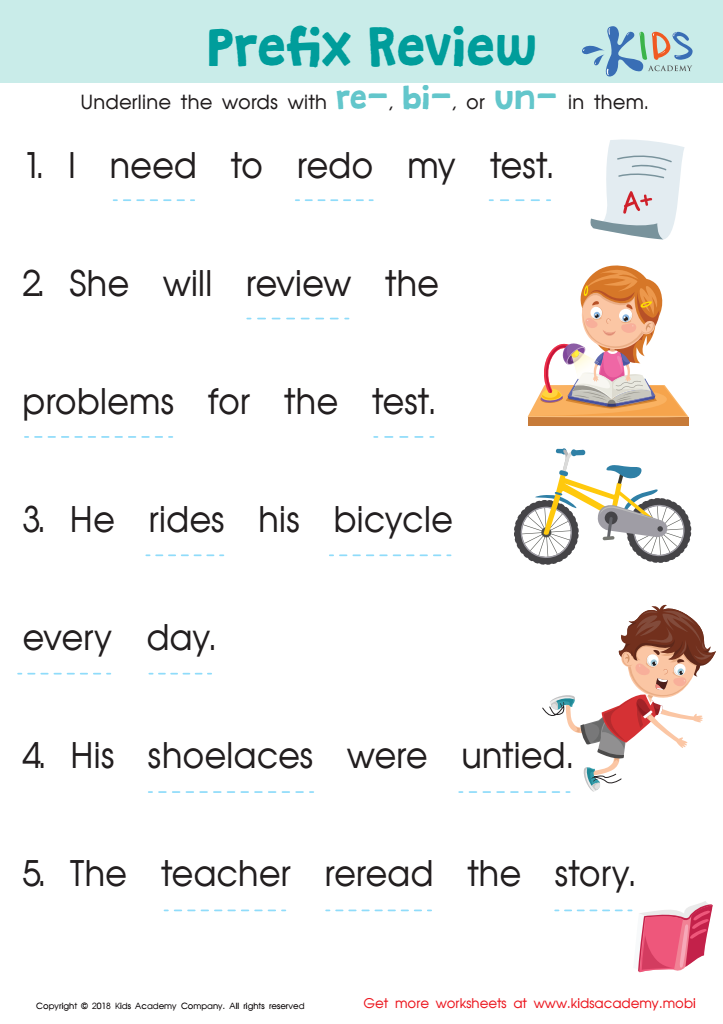
Prefix Review Worksheet
 Assign to My Students
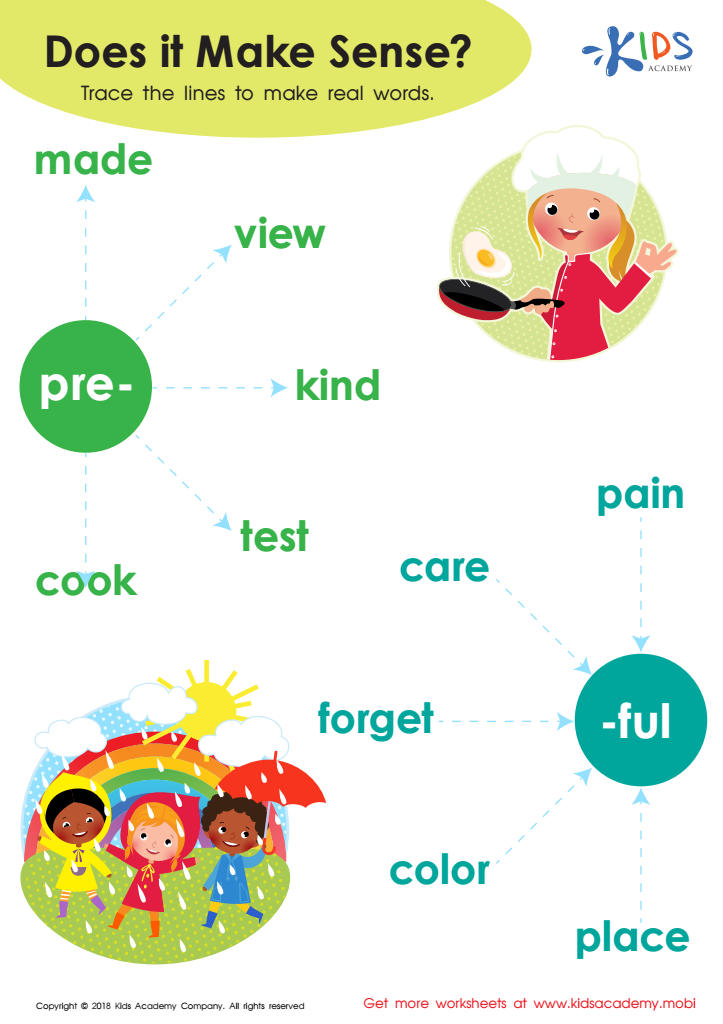
Prefix pre– and Suffix ful– Worksheet
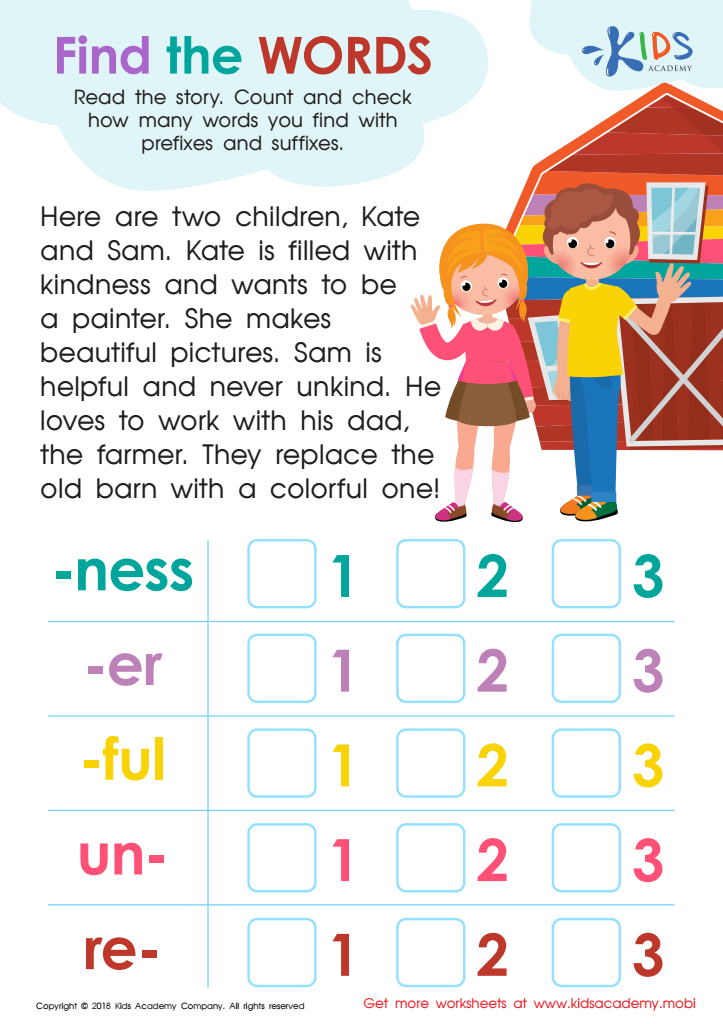
Prefix and Suffix Worksheet For Grade 3
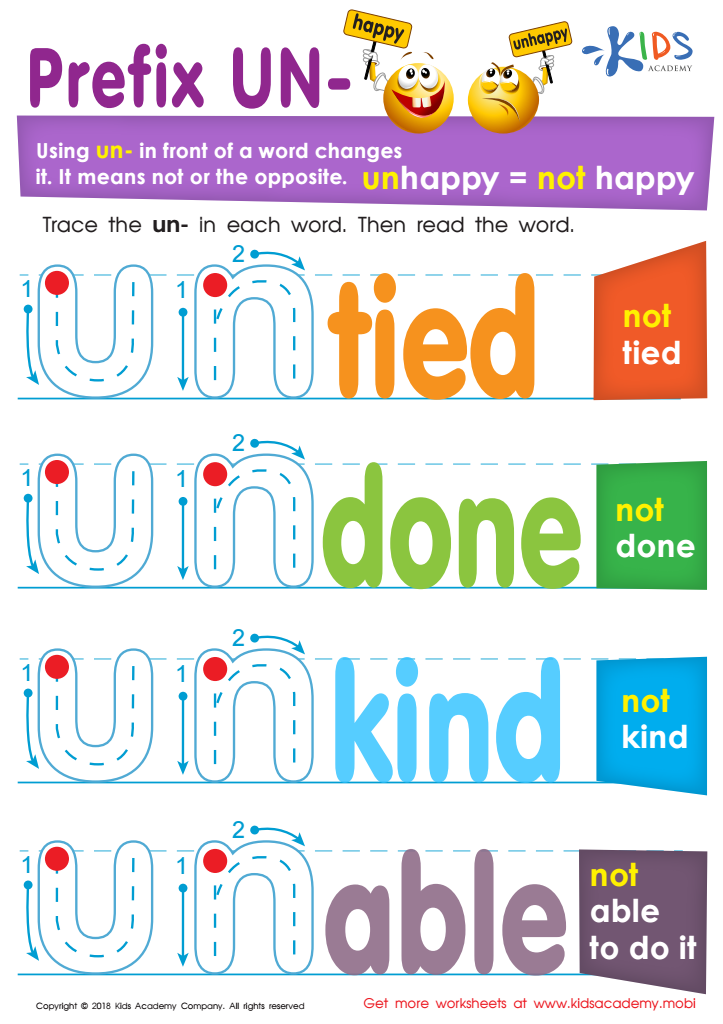
Prefix Un- Worksheet
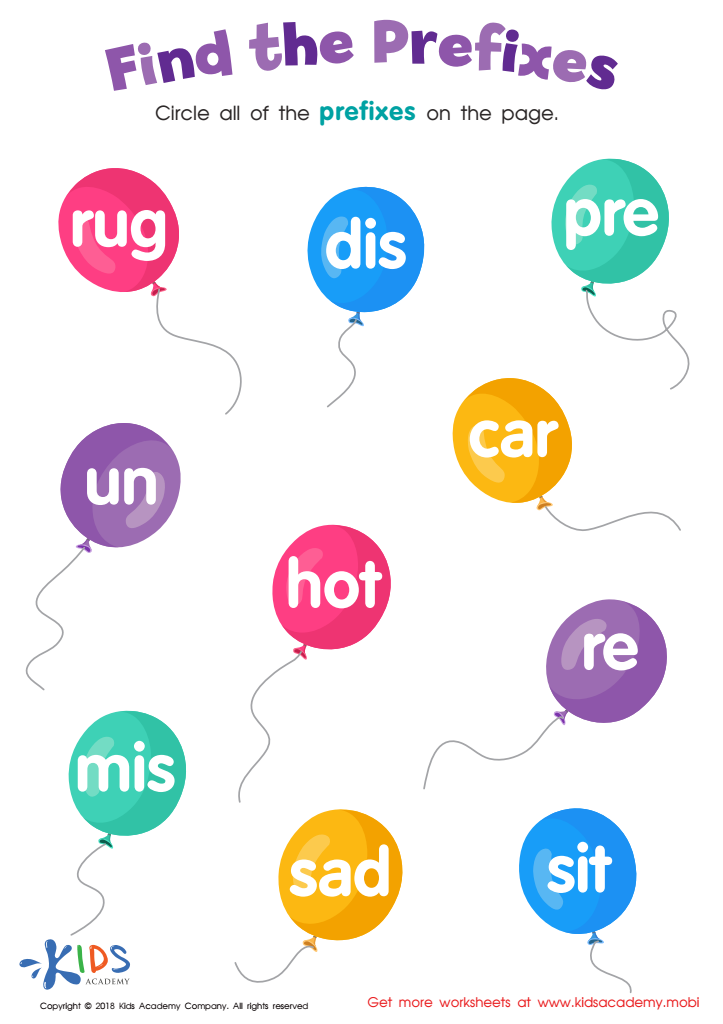
Reading: Find the Prefixes Worksheet
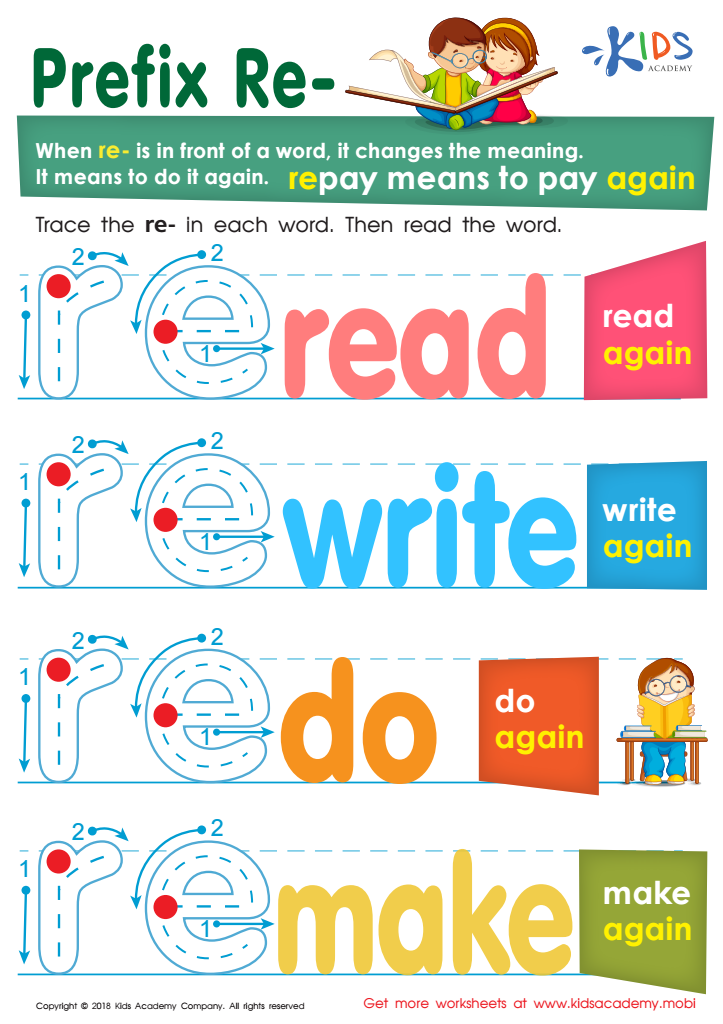
Prefix Re- Worksheet




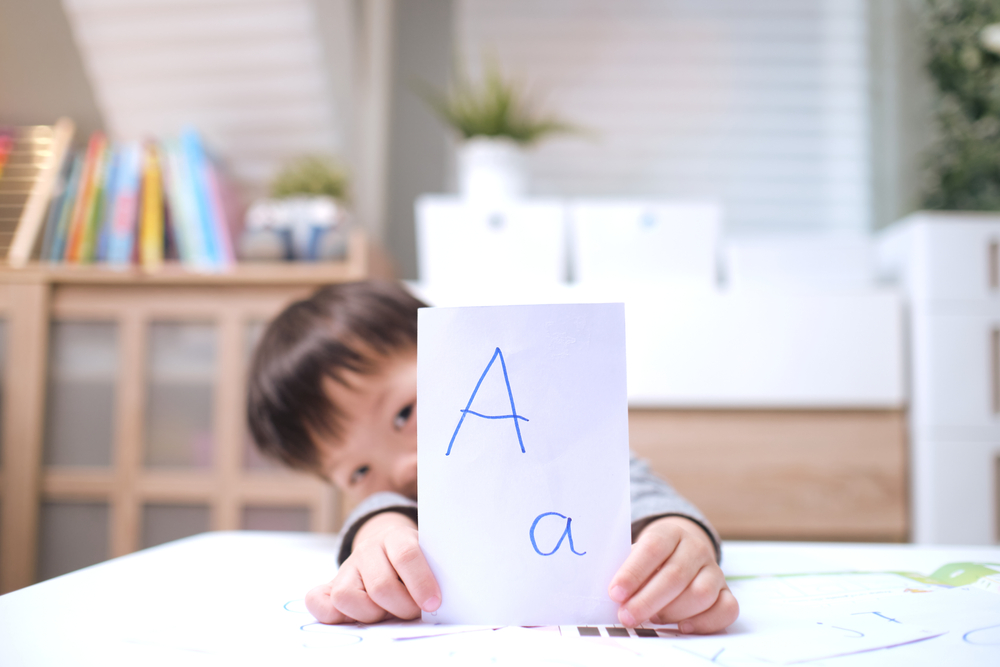



Understanding prefixes is an important aspect of early literacy for children ages 3 to 9. Parents and teachers should care about teaching prefixes because they play a crucial role in helping young learners decode and understand new words. Prefixes are verbal building blocks that modify the meaning of root words, enabling children to expand their vocabulary and improve their reading comprehension.
Introducing prefixes early helps children grasp the concept of word formation, empowering them to deduce the meanings of unfamiliar words. For instance, knowing that the prefix “un-” means “not” allows students to understand words like “happy” and “unhappy.” This skill fosters a sense of independence in reading as children start to recognize word patterns, ultimately boosting their confidence and fluency.
Moreover, a strong foundation in prefixes enhances students’ ability to analyze and break down compound words, leading to better spelling and writing skills. As they progress in their education, this understanding will serve as a valuable tool across subjects. By prioritizing lessons on prefixes, parents and teachers can effectively support children’s language development and instill a love for learning, ensuring they are better equipped for future academic challenges.