Motor skills development Normal Alphabet Worksheets for 3-Year-Olds
3 filtered results
-
From - To
Enhance your 3-year-old's motor skills with our engaging Alphabet Worksheets! Designed to make learning fun, these resources encourage young learners to practice letter recognition while developing essential fine motor abilities. Each worksheet features age-appropriate activities that include tracing, coloring, and letter formation, fostering both creativity and concentration. Our interactive approach ensures that children will improve their hand-eye coordination, grip, and dexterity as they explore the world of letters. Perfect for at-home learning or classroom use, these worksheets support early literacy and motor skills development in an enjoyable way. Start your child’s educational journey with these delightful activities today!

Letter H Tracing Page
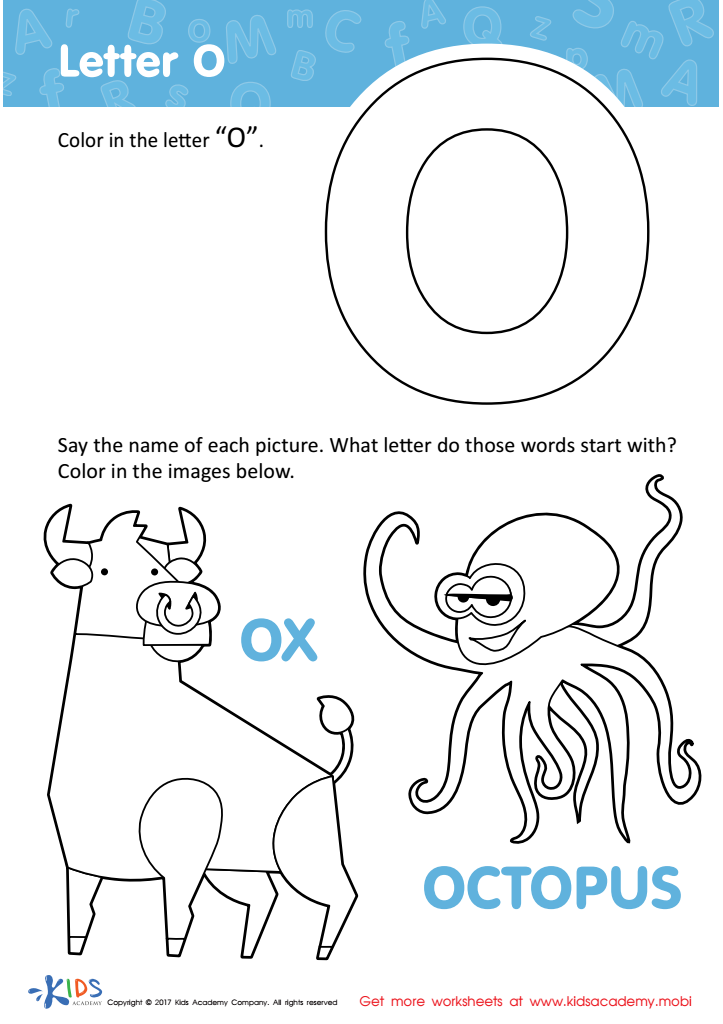
Letter O Coloring Sheet
 Assign to My Students
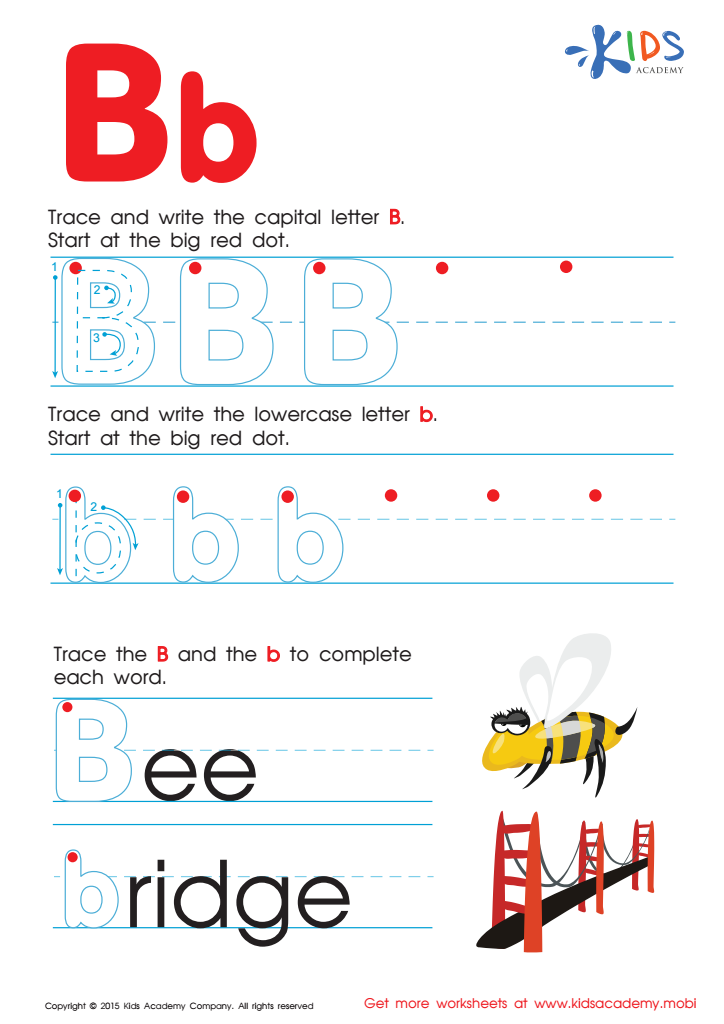
Letter B Tracing Page








Motor skills development in 3-year-olds is crucial because it lays the foundation for a child's overall growth and learning abilities. Both parents and teachers play a key role in nurturing these skills, which can be divided into gross motor skills (large movements) and fine motor skills (smaller, more precise movements).
At this age, children are engaged in activities such as running, jumping, grasping objects, and manipulating tools, which helps strengthen these skills. Developing fine motor skills, like using crayons or building blocks, is essential for enabling children to write, draw, and engage in other academic tasks later on. These abilities also influence a child’s self-confidence and independence in daily activities.
Furthermore, strong motor skills are linked to cognitive development, including problem-solving and coordination. When children can control their bodies effectively, they are more likely to participate in group activities, fostering social connections and emotional growth.
By investing time in motor skill development, parents and teachers contribute to the child’s physical health, social skills, and academic readiness, establishing a strong basis for future success in school and life. Encouraging play, structured activities, and hands-on experiences significantly enhances the motor development journey for young learners.







