Sound Association Normal Letter Sounds Worksheets for 3-Year-Olds
13 filtered results
-
From - To
Welcome to our "Sound Association Normal Letter Sounds Worksheets" designed specifically for 3-year-olds! These engaging worksheets introduce young learners to the fundamentals of phonics, helping them associate letters with their corresponding sounds through fun exercises. Each worksheet features vibrant images and simple prompts to capture children's attention and encourage interaction. As they practice, kids will develop essential early reading skills and boost their vocabulary. Our user-friendly format makes it easy for parents and educators to facilitate effective learning at home or in the classroom. Start your child's literacy journey today with our thoughtfully crafted sound association worksheets!
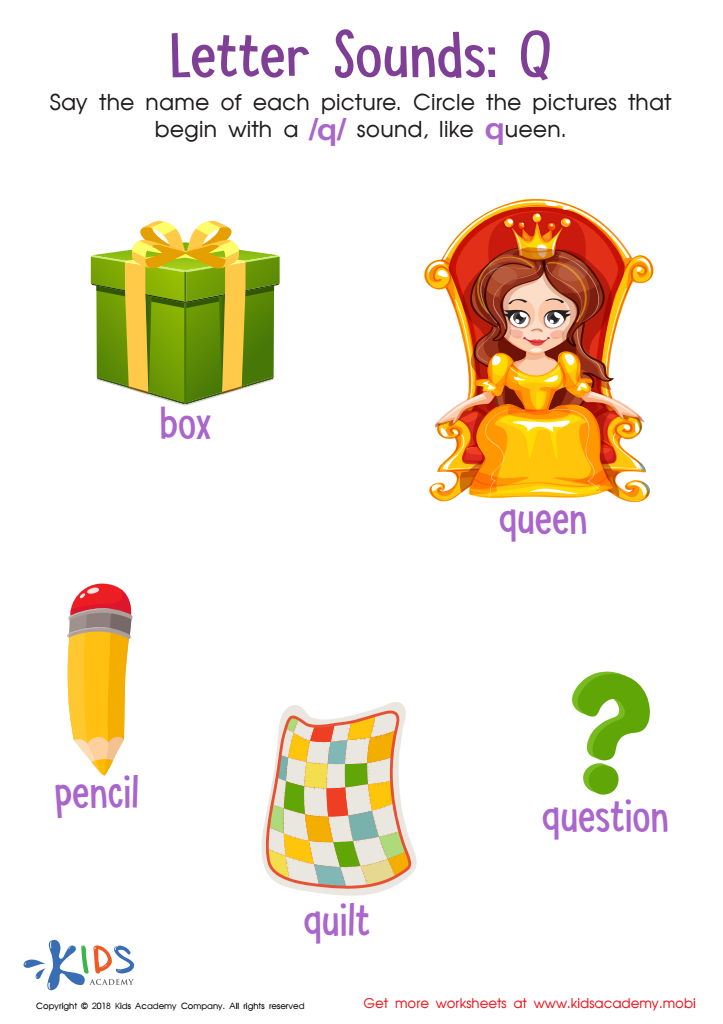
Letter Q Sounds Worksheet
 Assign to My Students
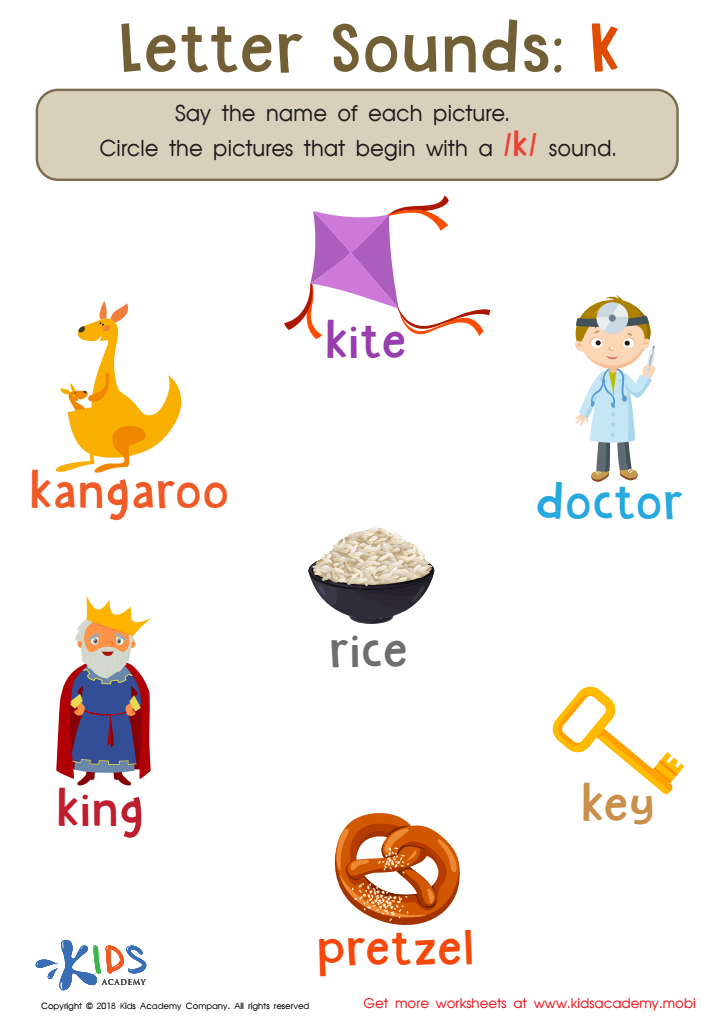
Letter K Sounds Worksheet
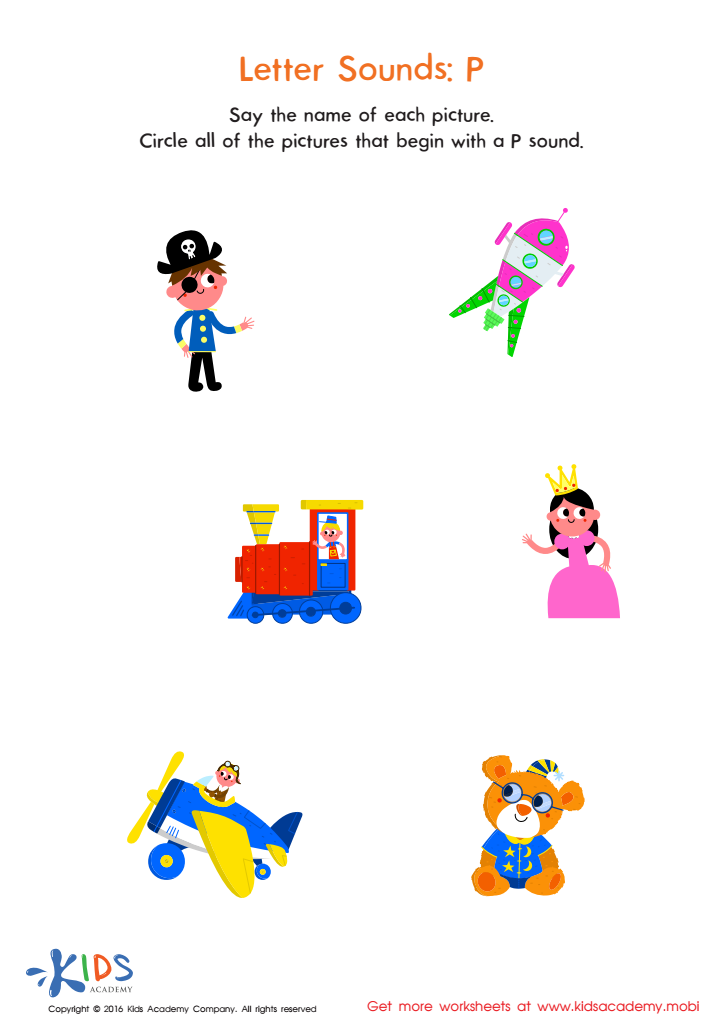
Letter P Sound Worksheet
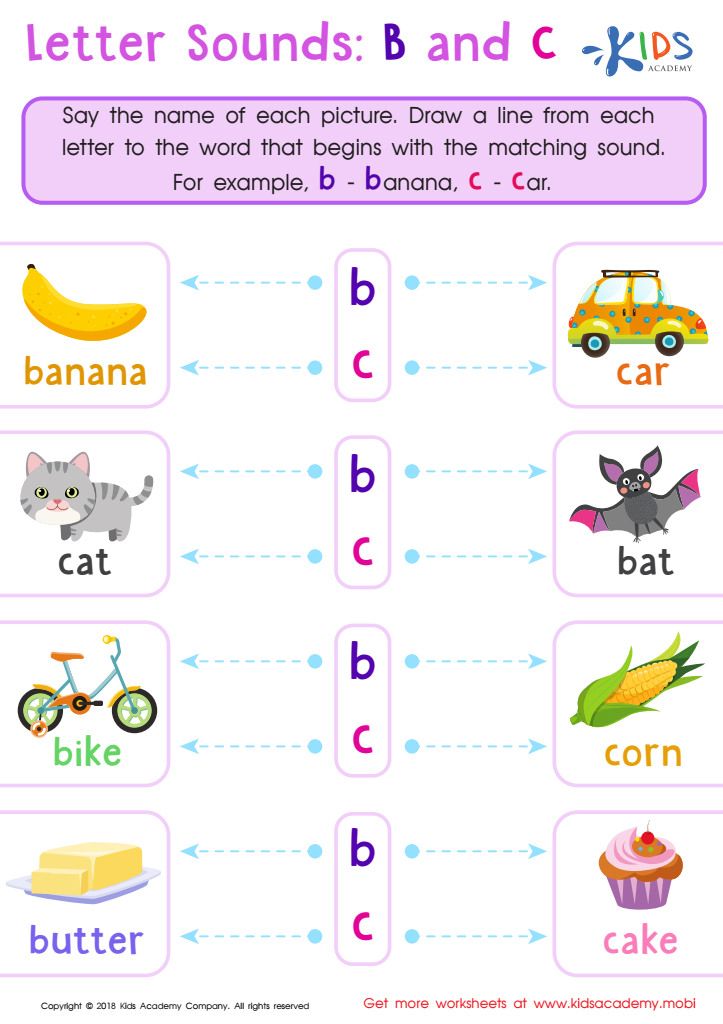
Letter B and C Sounds Worksheet
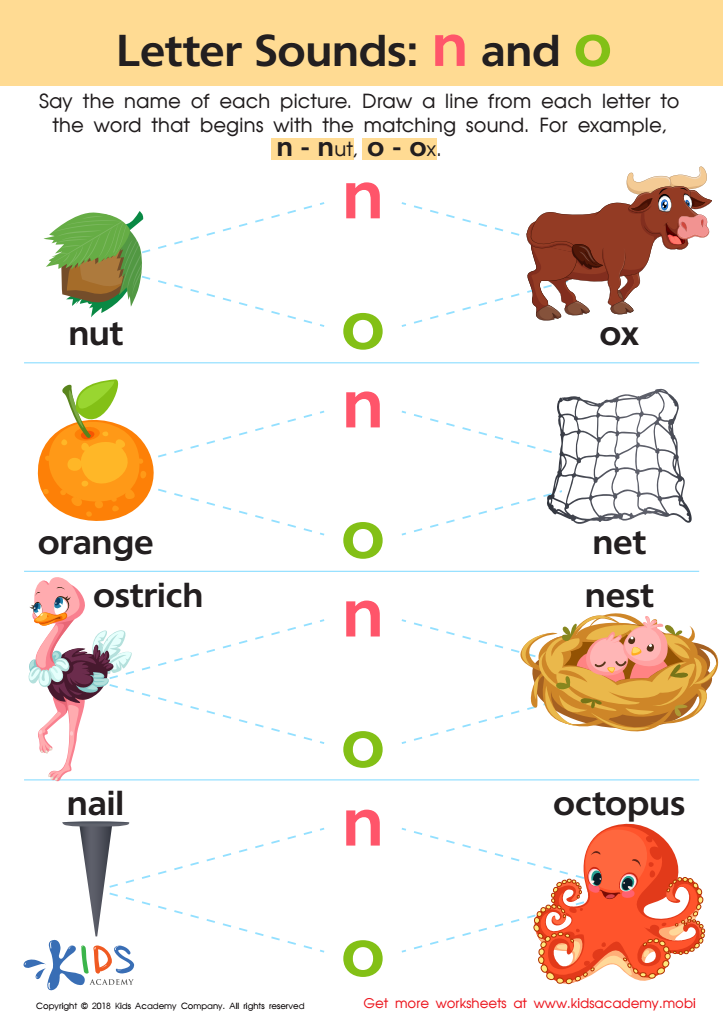
Letter N and O Sounds Worksheet
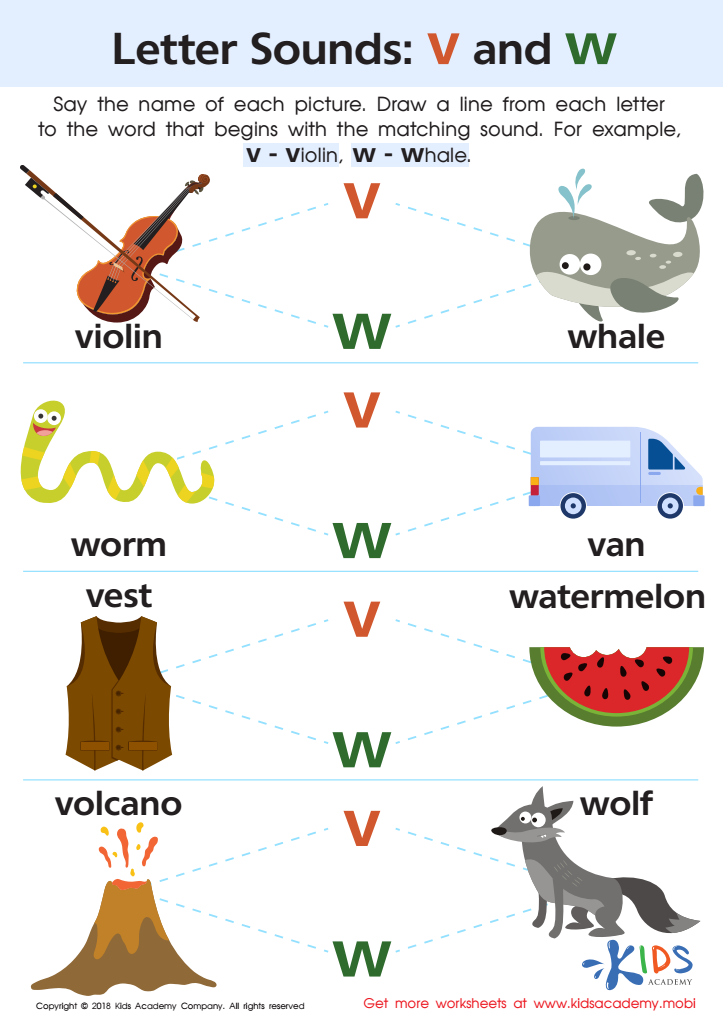
Letter V and W Sounds Worksheet
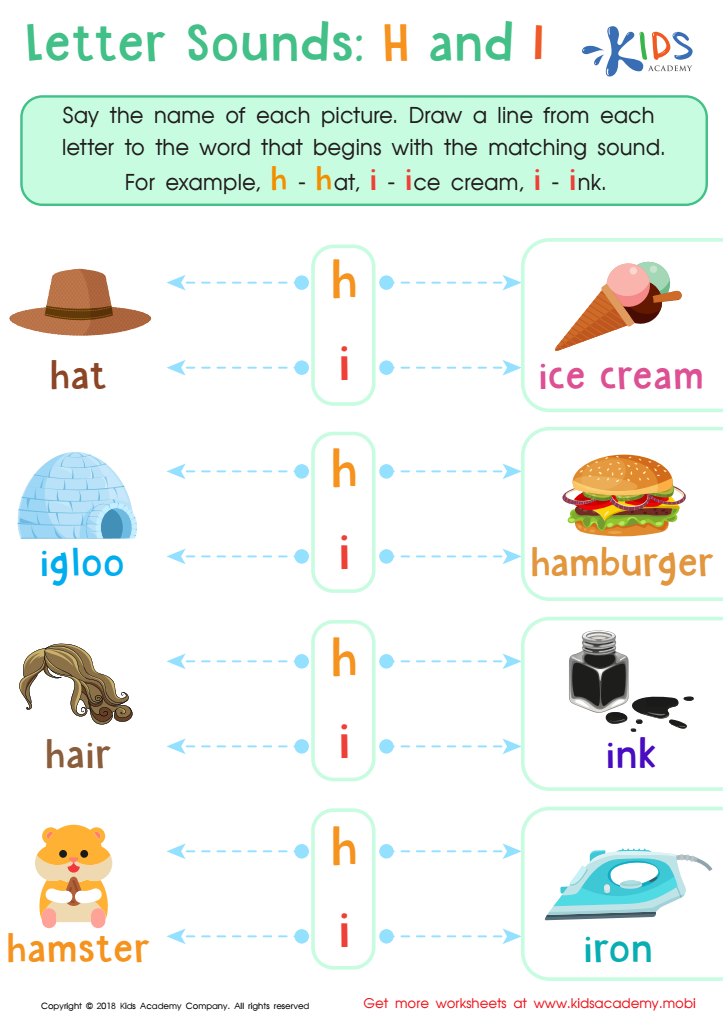
Letter H and I Sounds Worksheet
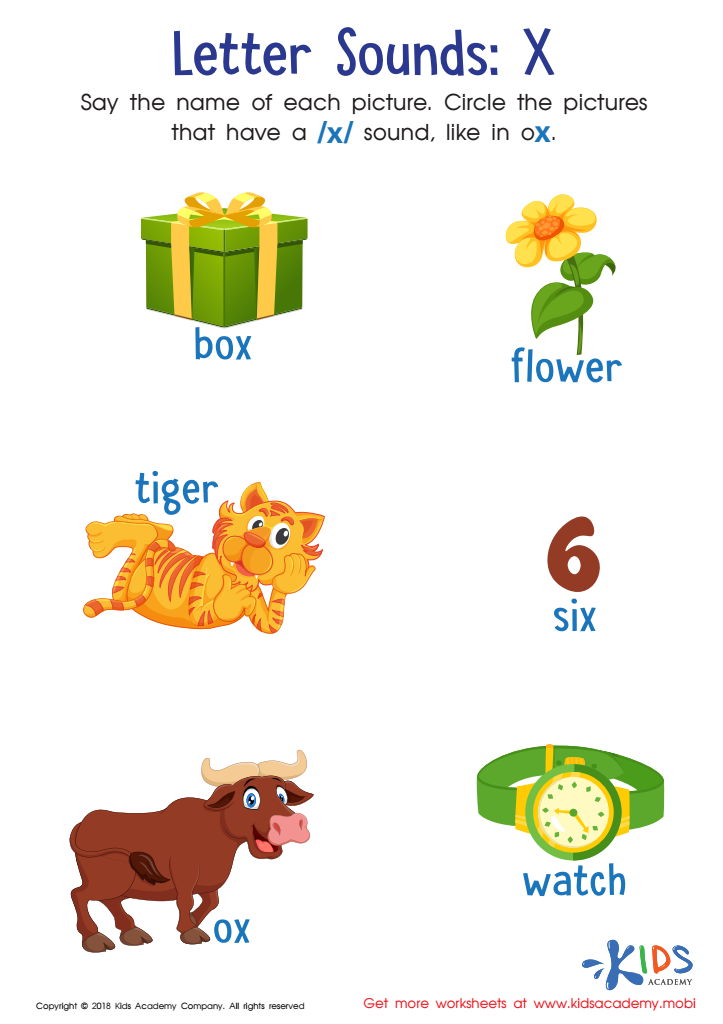
Letter X Sounds Worksheet
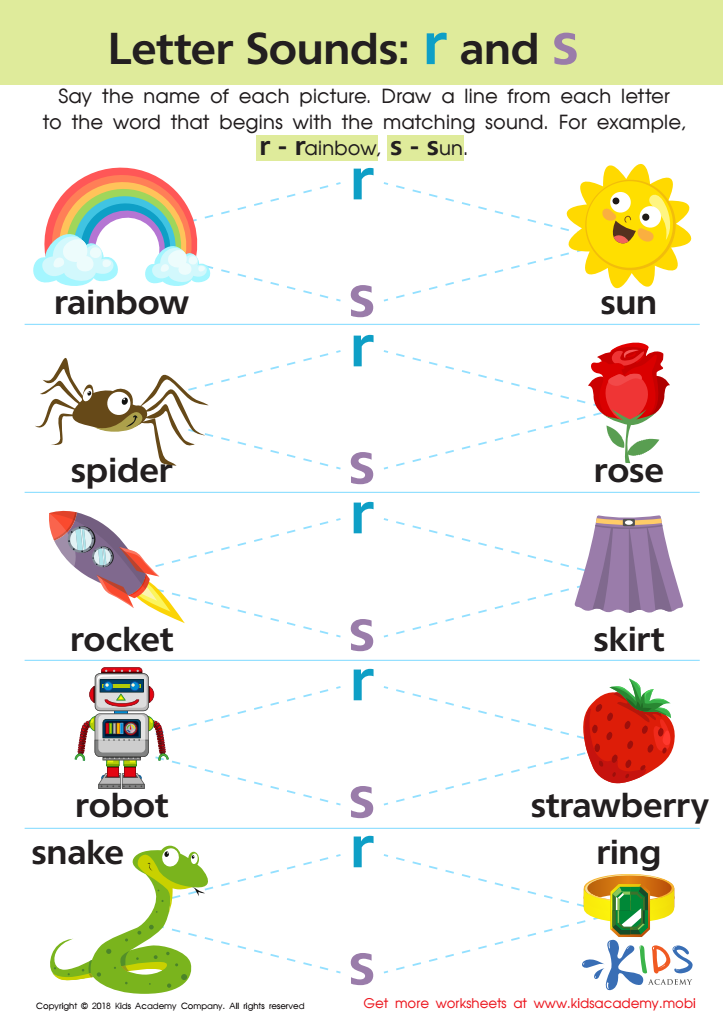
Letter R and S Sounds Worksheet
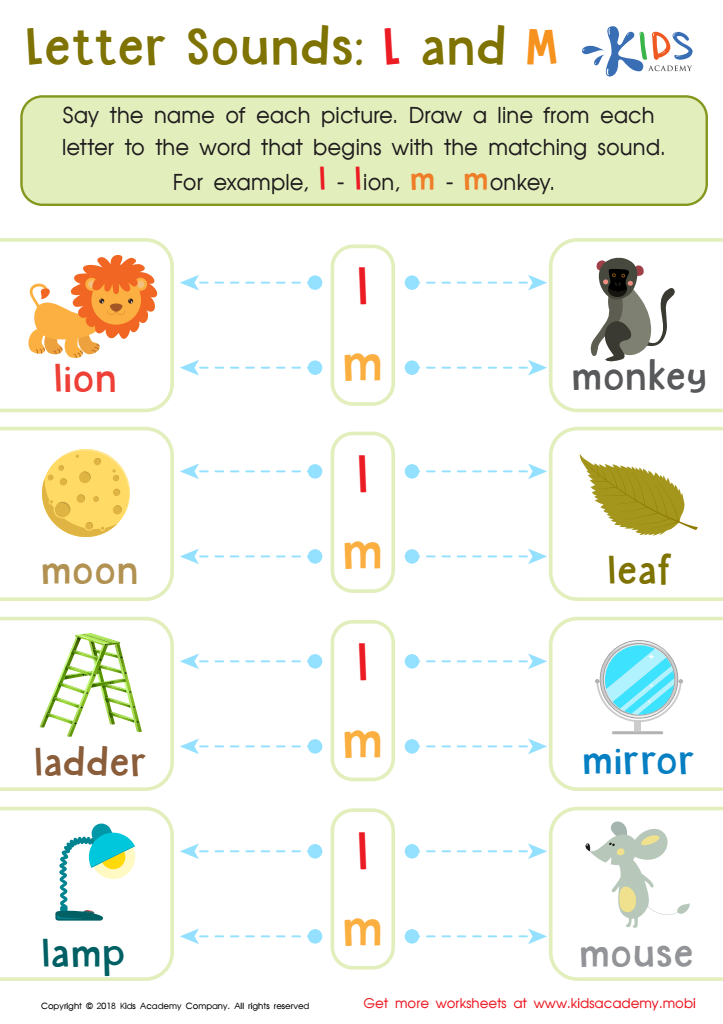
Letter l and M Sounds Worksheet
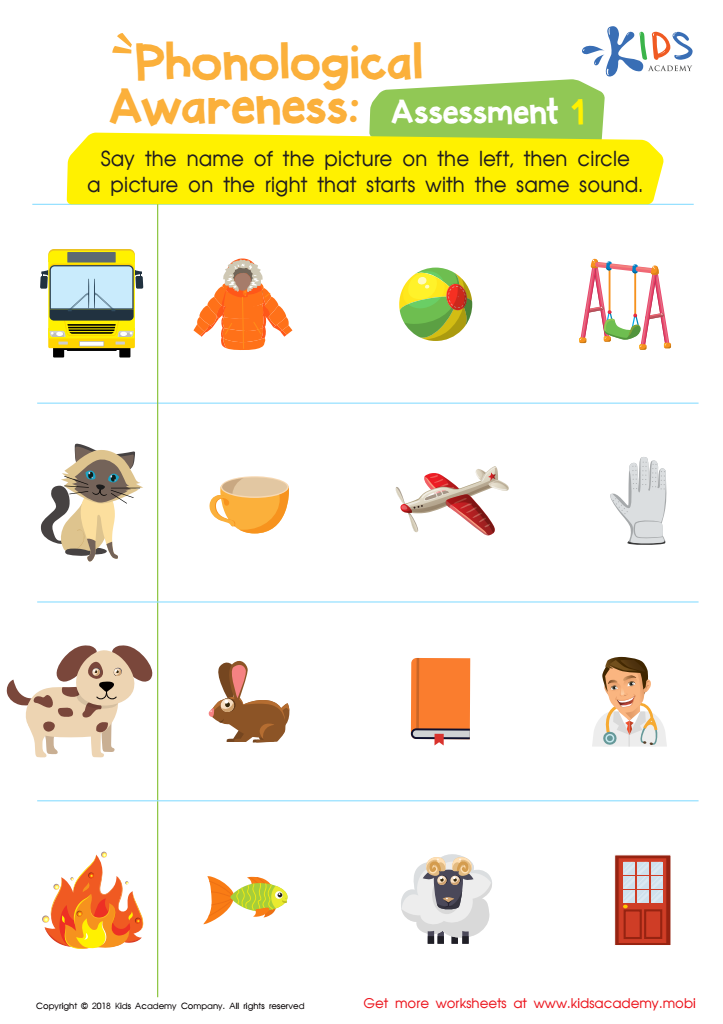
Phonological Awareness: Assessment 1 Worksheet
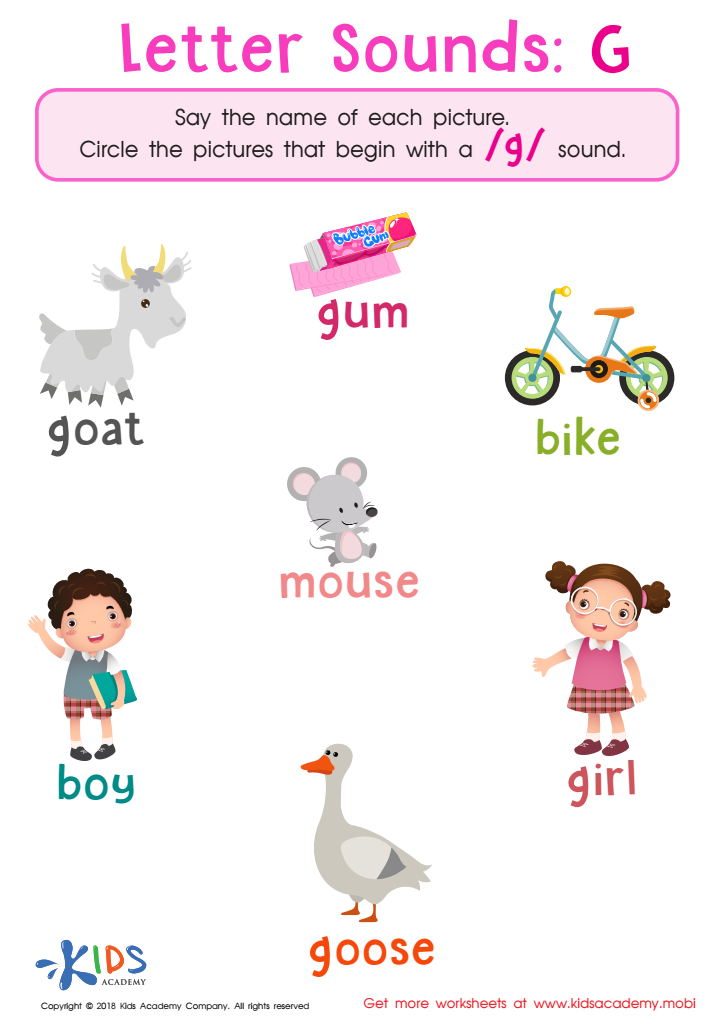
Letter G Sounds Worksheet
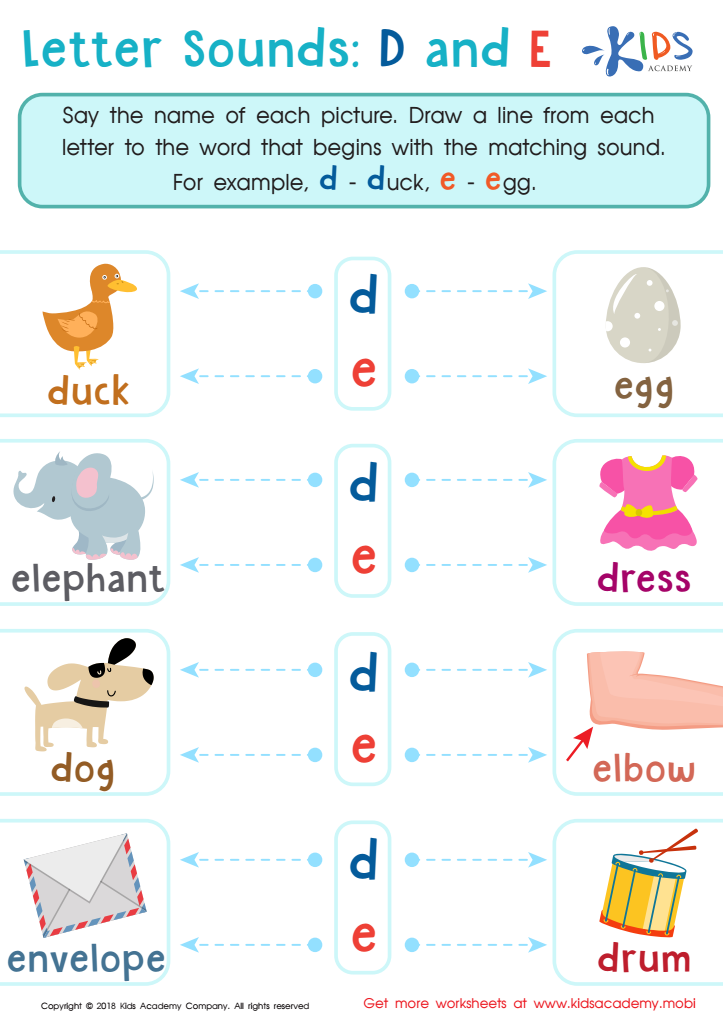
Letter D and E Sounds Worksheet








Sound Association Normal Letter Sounds, or phonemic awareness, plays a critical role in early childhood literacy development for 3-year-olds. Understanding the connection between sounds and letters is foundational for reading and language skills. When parents and teachers focus on this aspect, they are laying the groundwork for children to decode words, develop vocabulary, and enhance spelling abilities later on.
At this age, children are naturally engaged in play and exploration, making it the perfect opportunity to introduce sound associations through interactive and fun activities. Playing rhyming games, engaging in sing-alongs, and utilizing storytime to highlight sounds fosters not only listening skills but also cognitive development as they learn to differentiate and manipulate sounds.
Moreover, early exposure to letter sounds encourages a positive attitude toward learning. Children who experience sound association from a young age often feel more confident when they encounter reading materials, reducing anxiety and building a love for literacy.
Ultimately, investing time in helping young children recognize sound-letter relationships supports their overall academic journey and equips them with essential tools for success in school and beyond. By nurturing these skills early on, parents and teachers can empower children with the foundation needed to thrive in an increasingly literacy-focused world.






