Handwriting practice Normal Tracing Letters Worksheets for 3-Year-Olds
6 filtered results
-
From - To
Enhance your 3-year-old's early writing skills with our engaging Handwriting Practice Normal Tracing Letters Worksheets. Tailored for tiny hands, these worksheets focus on developing fine motor skills and letter recognition through fun tracing activities. Each sheet presents clear, simple letter formats, making it easy for young learners to practice basic handwriting. Designed to captivate preschoolers' interest, the exercises boost confidence and prepare them for kindergarten success. Ideal for home or classroom use, these printable worksheets make learning the alphabet an enjoyable adventure for your little one. Start their handwriting journey today!
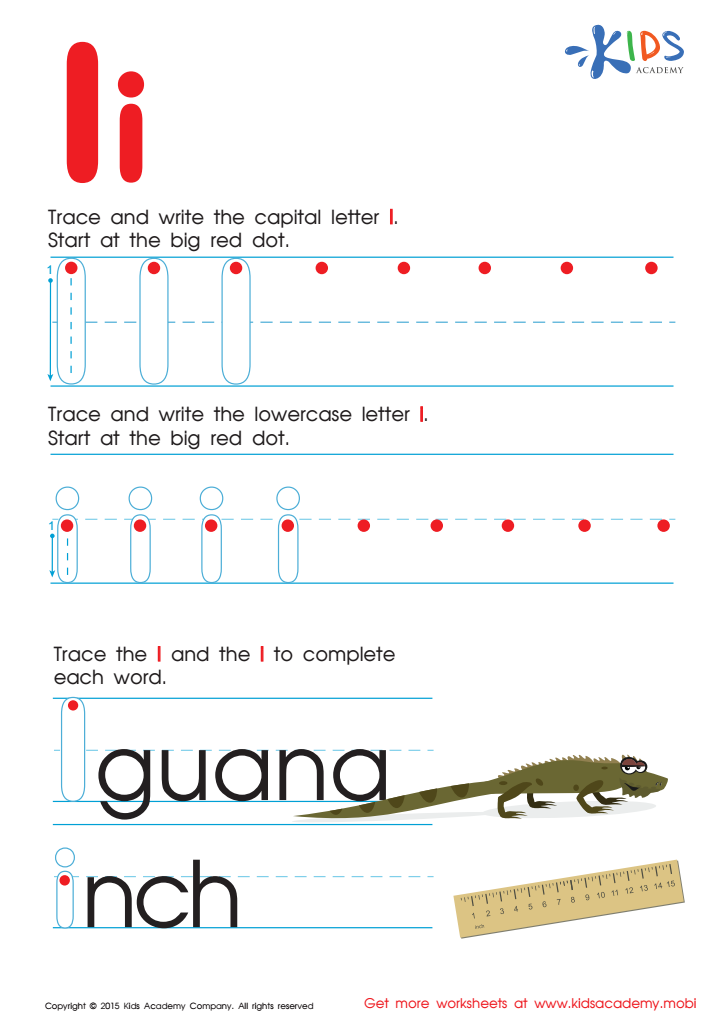
Letter I Tracing Page
 Assign to My Students

Letter C Tracing Page

Letter G Tracing Page
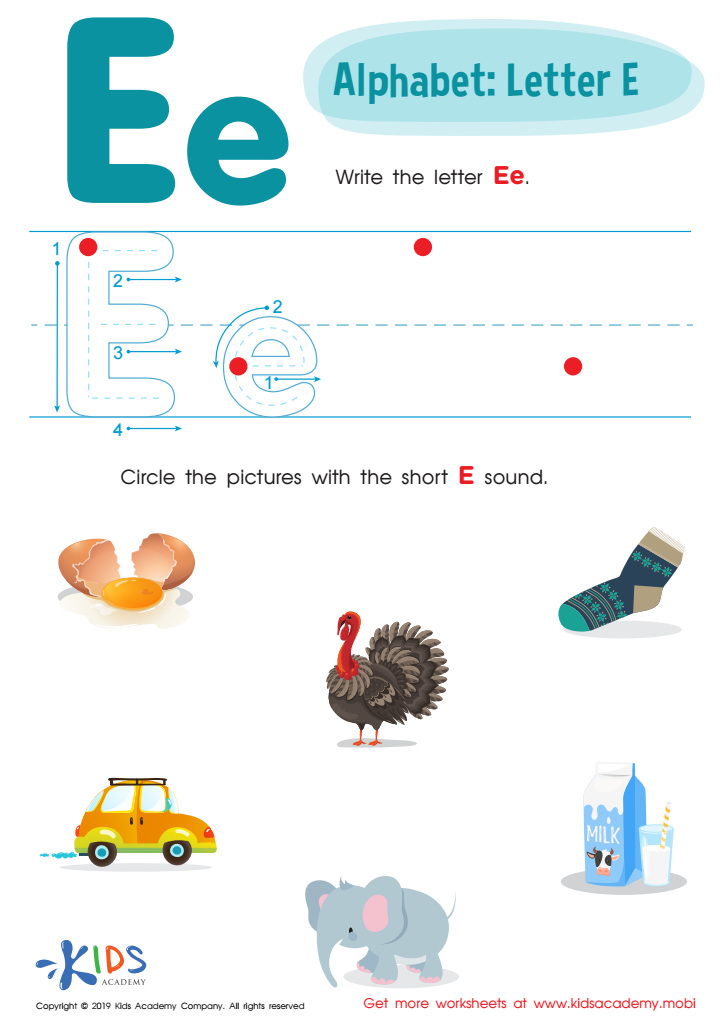
Letter E Tracing Worksheet
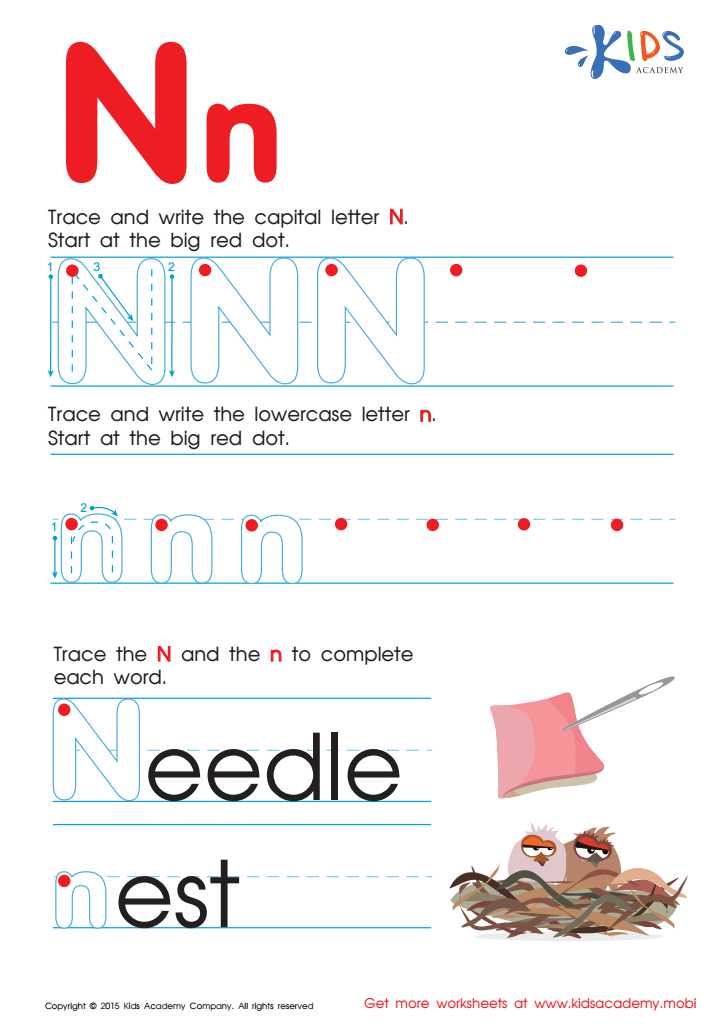
Letter N Tracing Page
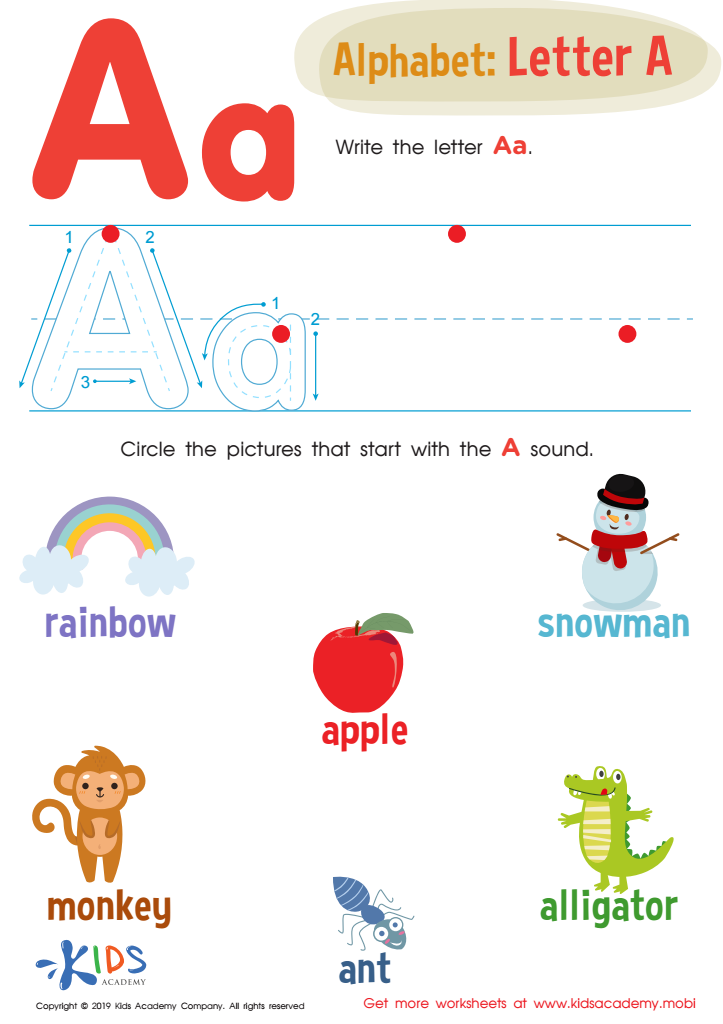
Letter A Tracing Worksheet








Handwriting practice, especially normal tracing letters, is incredibly important for 3-year-olds, and both parents and teachers should prioritize this developmental activity. At this age, children are in a crucial phase of their fine motor skills development, which involves the coordination of small muscles in their hands and fingers. By engaging in tracing activities, children enhance their ability to control writing tools like pencils and crayons. This improved muscle coordination sets a foundation for more advanced handwriting and other life skills, such as buttoning clothes and using utensils.
Moreover, tracing letters introduces young learners to the basic structure of the alphabet, promoting early literacy. It's an initial step towards understanding what letters look like and familiarizing them with the shapes of letters even before they begin formal reading instruction. This preparation can make learning to read less daunting and more rewarding.
Lastly, the patience and focus required for tracing letters also foster essential cognitive skills. It teaches children to follow instructions and concentrate on tasks, two skills imperative for academic success. Thus, parents and teachers nurturing these practices can significantly enhance a child's early developmental trajectory, setting them up for more prosperous educational outcomes and making learning a joyful experience.








