Hand-eye Coordination Normal Worksheets for 3-Year-Olds
19 filtered results
-
From - To
Enhance your 3-year-old's development with our engaging Hand-eye Coordination Normal Worksheets! Designed specifically for preschoolers, these worksheets provide fun, age-appropriate activities that foster essential motor skills. Your child will enjoy various exercises that involve tracing, connecting dots, and simple drawing tasks. Each worksheet encourages practice in gripping, movement, and concentration, all vital for their growth. Easy to download and print, these resources support early learning in a playful manner, making skill-building enjoyable and effective. Perfect for home or classroom activities, our Hand-eye Coordination Normal Worksheets lay a foundation for your child’s future learning adventures! Promote hand-eye coordination today!
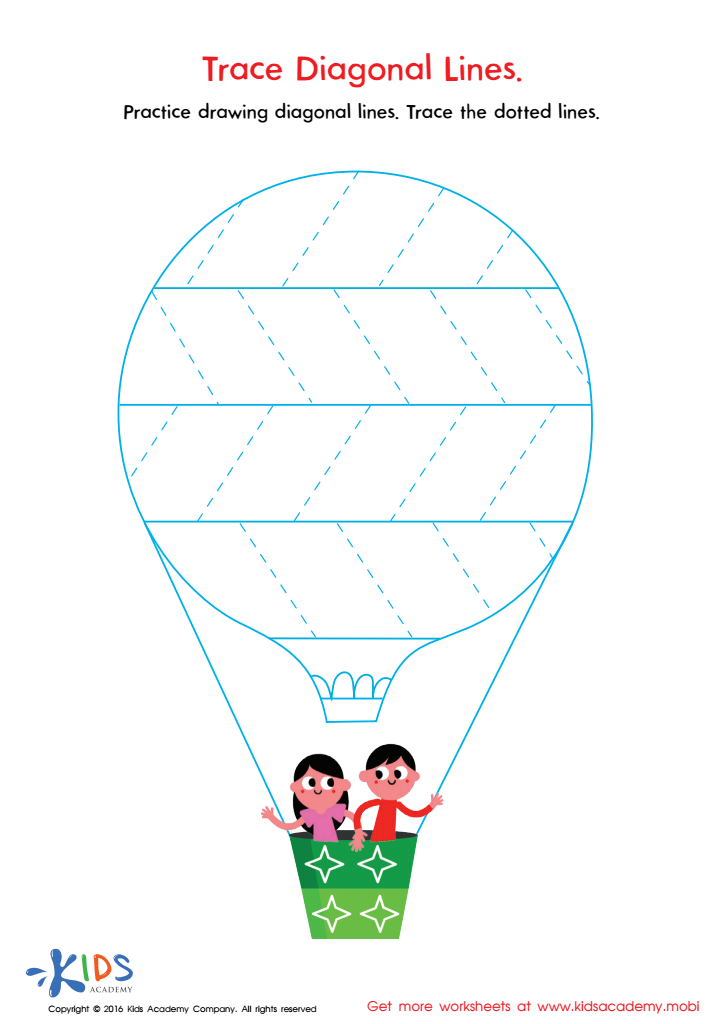
Trace Diagonal Lines Worksheet
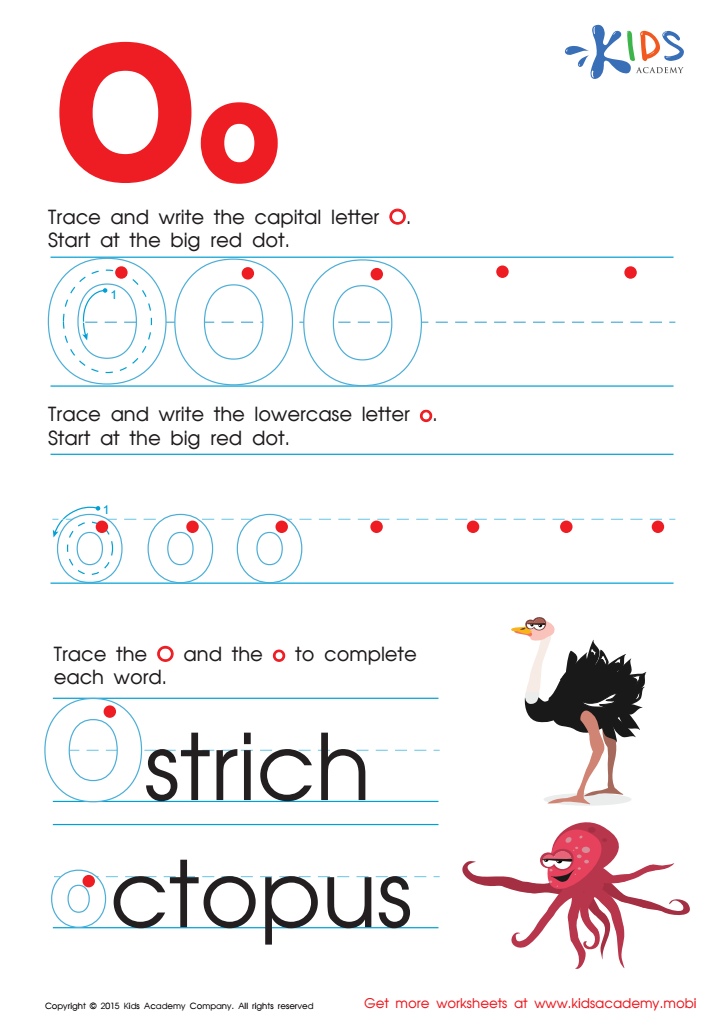
Letter O Tracing Page
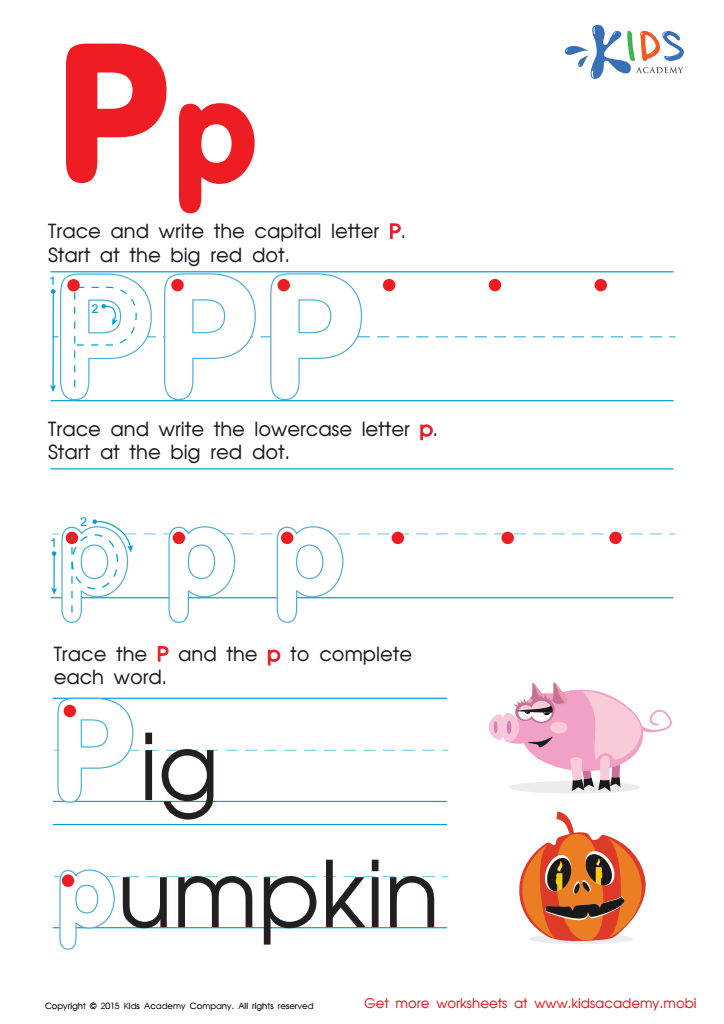
Letter P Tracing Page
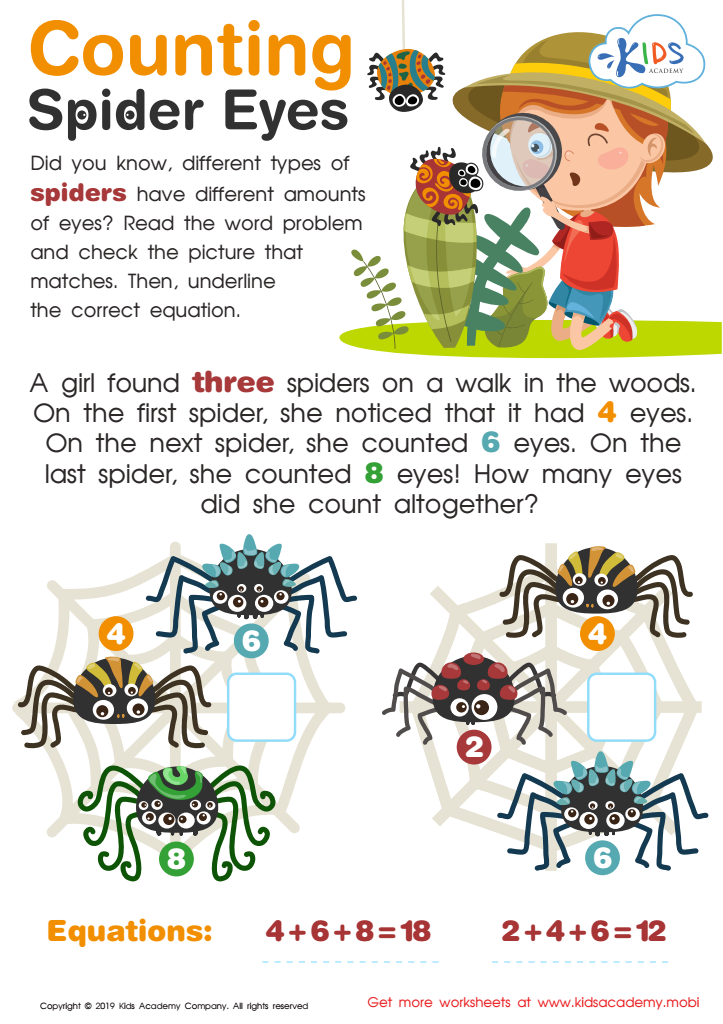
Counting Spider Eyes Worksheet
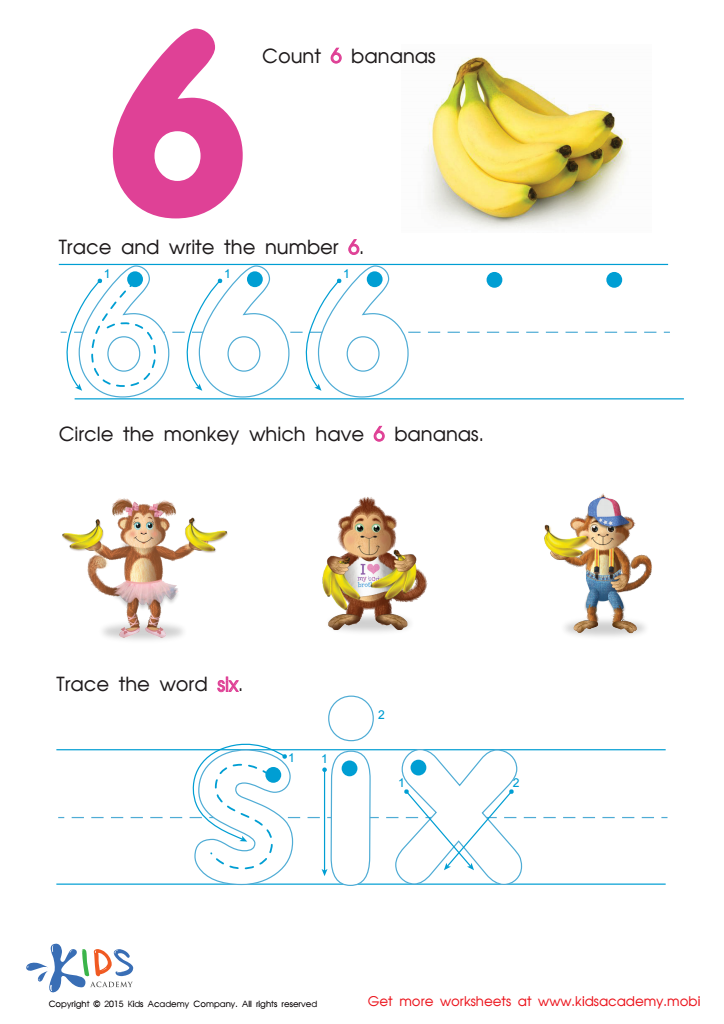
Tracing And Writing Number 6 Worksheet

Letter H Tracing Page
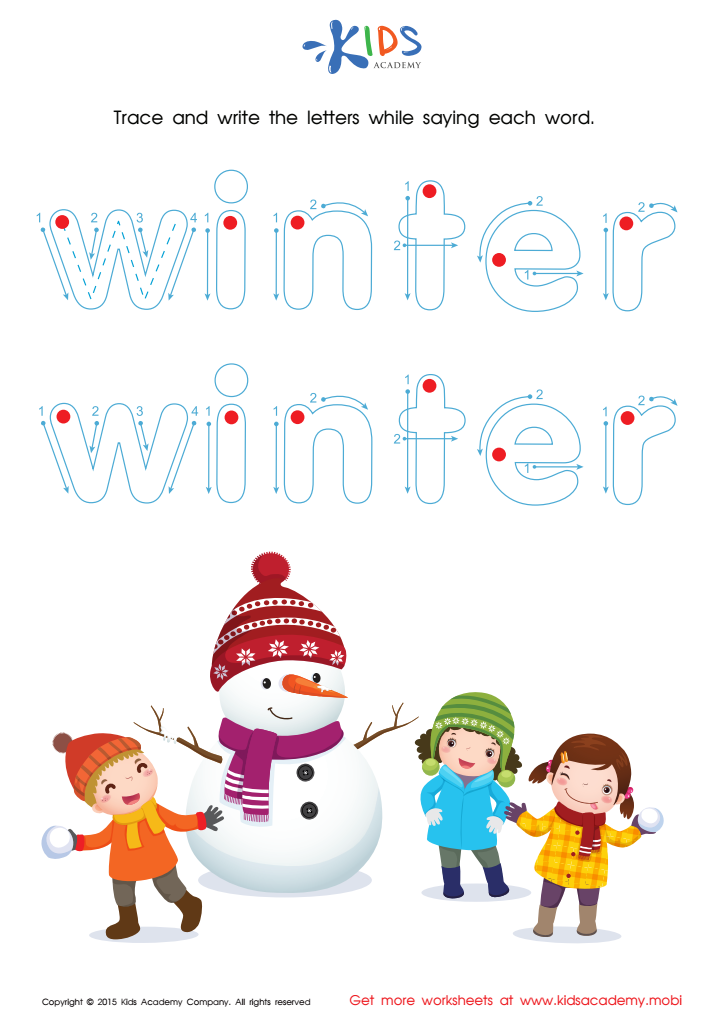
Snowman Tracing Winter Words Worksheet
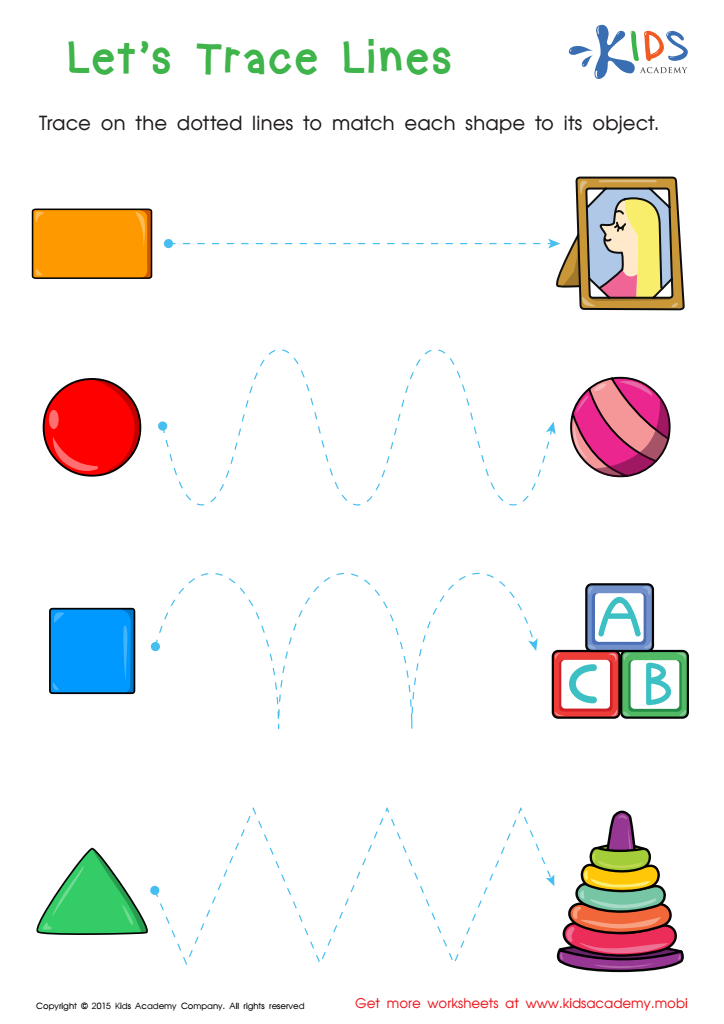
First Words: Let's Trace Lines Worksheet
Sea Horses Printable
 Assign to My Students

Long and Short U Worksheet
Assign to My Students
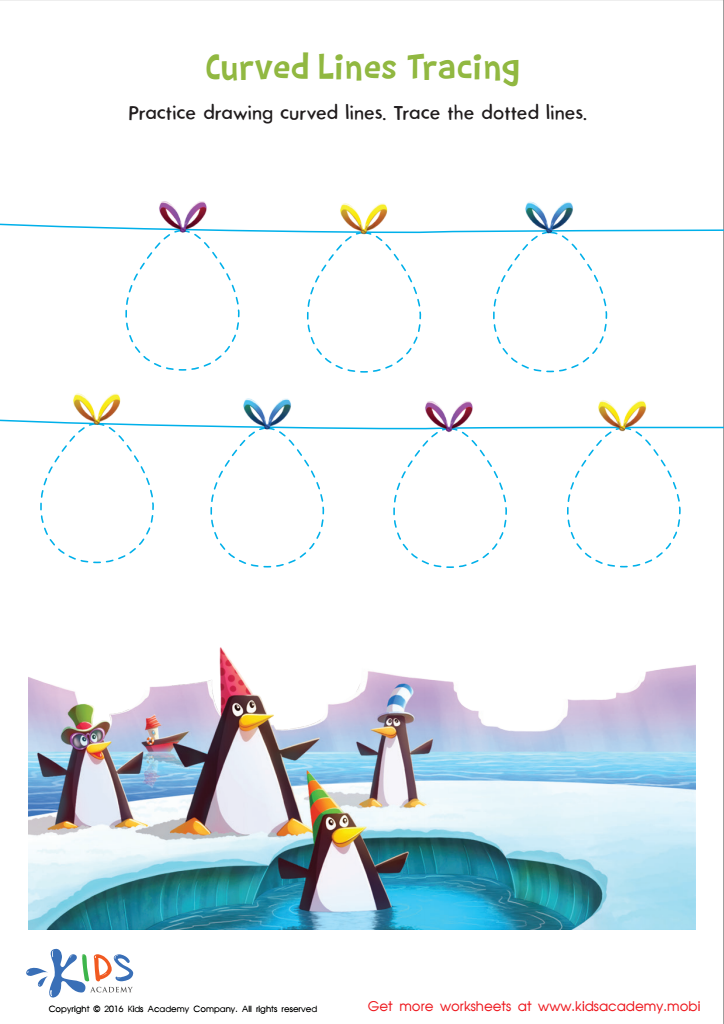
Curved Lines Tracing Worksheet
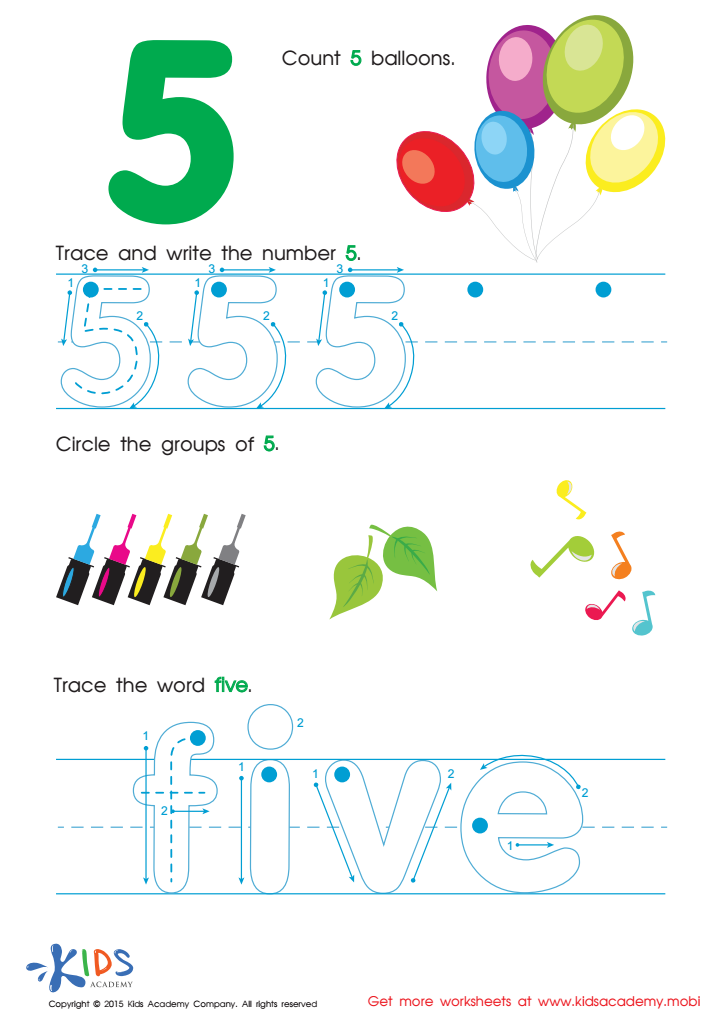
Practice Writing Number 5 Worksheet
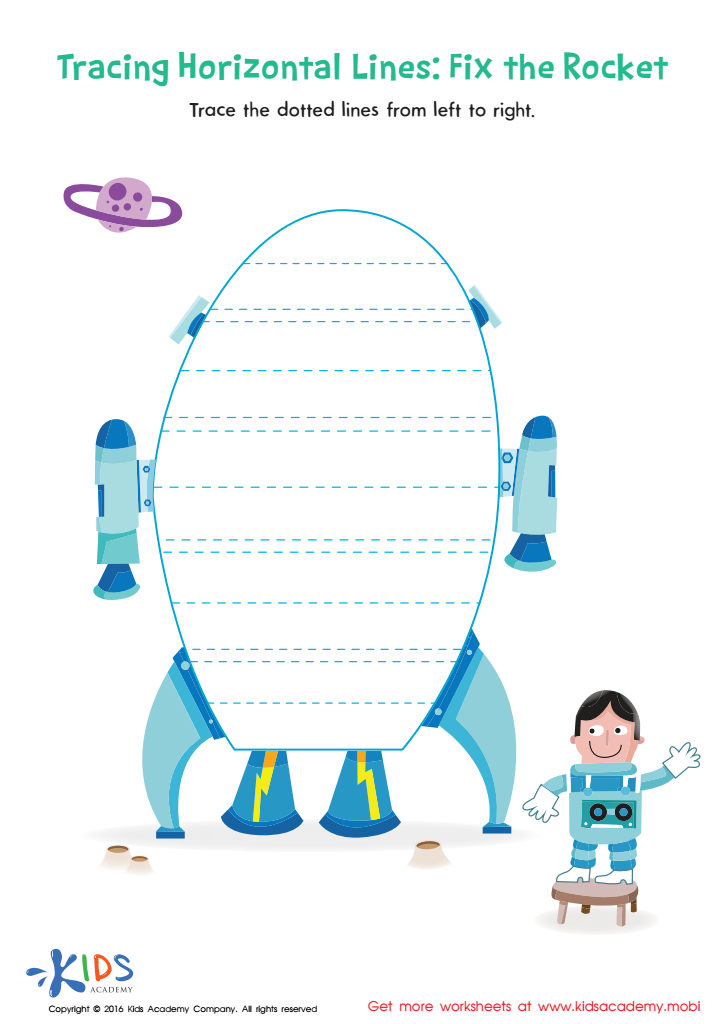
Tracing Horizontal Lines Worksheet
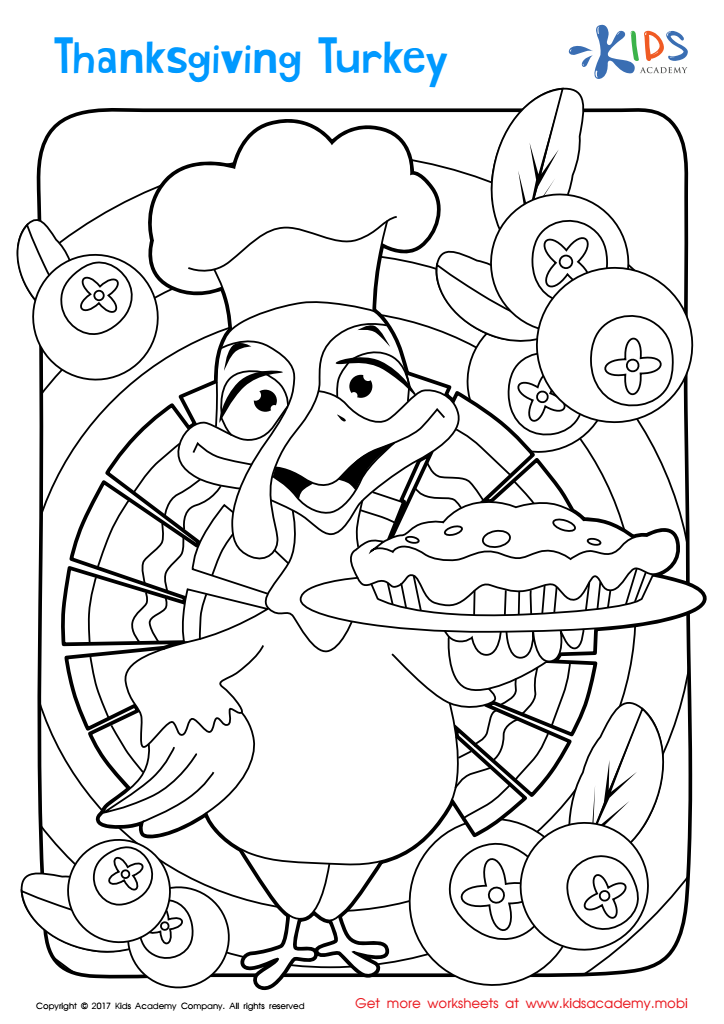
Turkey Thanksgiving Day Worksheet
Assign to My Students
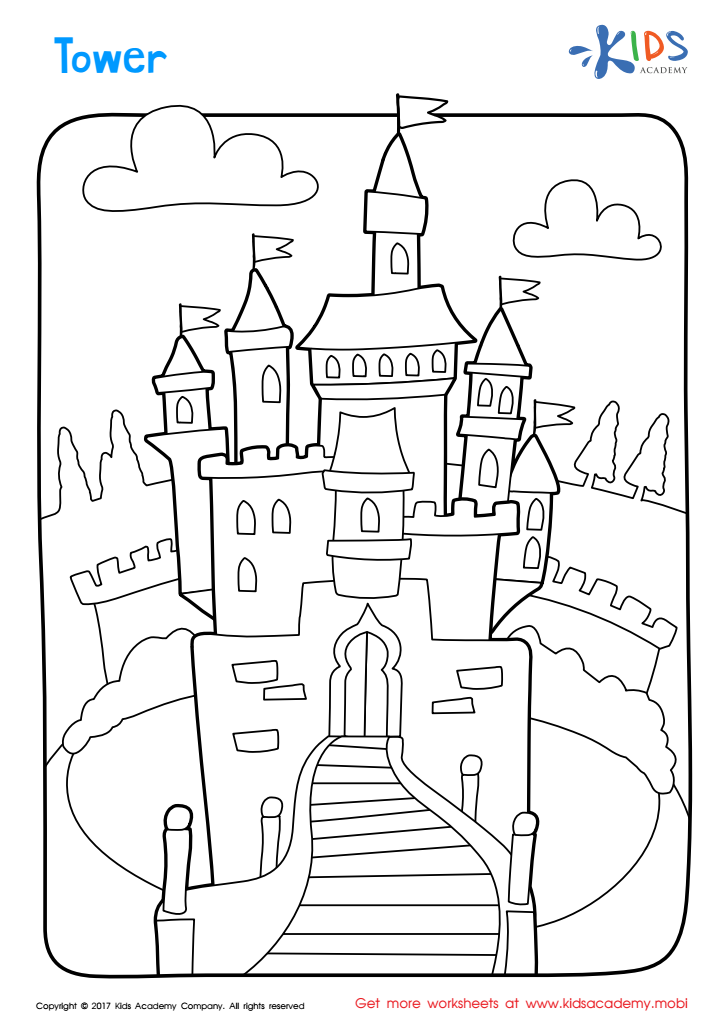
Tower Coloring Page
Assign to My Students

Long and Short E Worksheet
Assign to My Students

Letter D Tracing Page




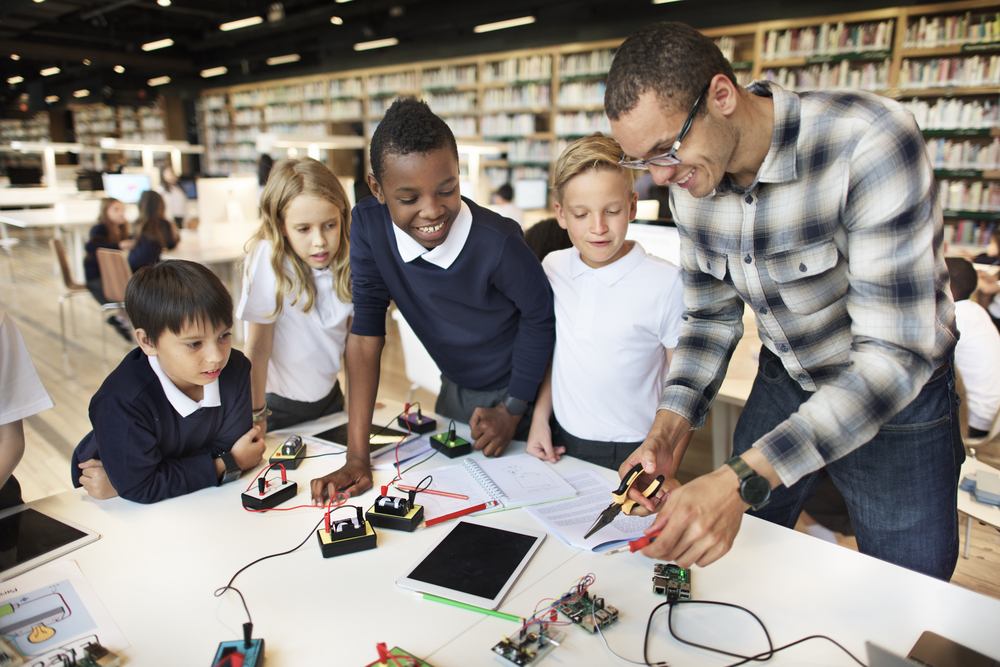

Hand-eye coordination is a crucial developmental milestone for 3-year-olds, as it underpins a child’s ability to interact effectively with their environment. This skill involves the brain's ability to synchronize visual information with motor functions and is foundational for everyday activities such as eating, playing, and writing. Parents and teachers should care about this aspect of development because strong hand-eye coordination can enhance a child’s confidence and independence.
Moreover, proficient hand-eye coordination is linked to improved fine motor skills, which are essential for later academic tasks, such as using scissors, writing, and engaging in arts and crafts. Activities that promote this coordination—like drawing, throwing balls, or stacking blocks—provide opportunities for cognitive development, including problem-solving and spatial awareness.
In addition, monitoring hand-eye coordination can help identify potential developmental delays early. Early intervention is critical, as addressing challenges at a young age can lead to better outcomes in school readiness and social interactions. By fostering an engaging and supportive environment, parents and teachers can play an active role in nurturing this vital skill, ultimately setting the foundation for a child’s future learning and physical development. Encouraging playful interactions will contribute significantly to a child's overall development.








