Shape Recognition Normal Worksheets for 3-Year-Olds - Page 2
28 filtered results
-
From - To
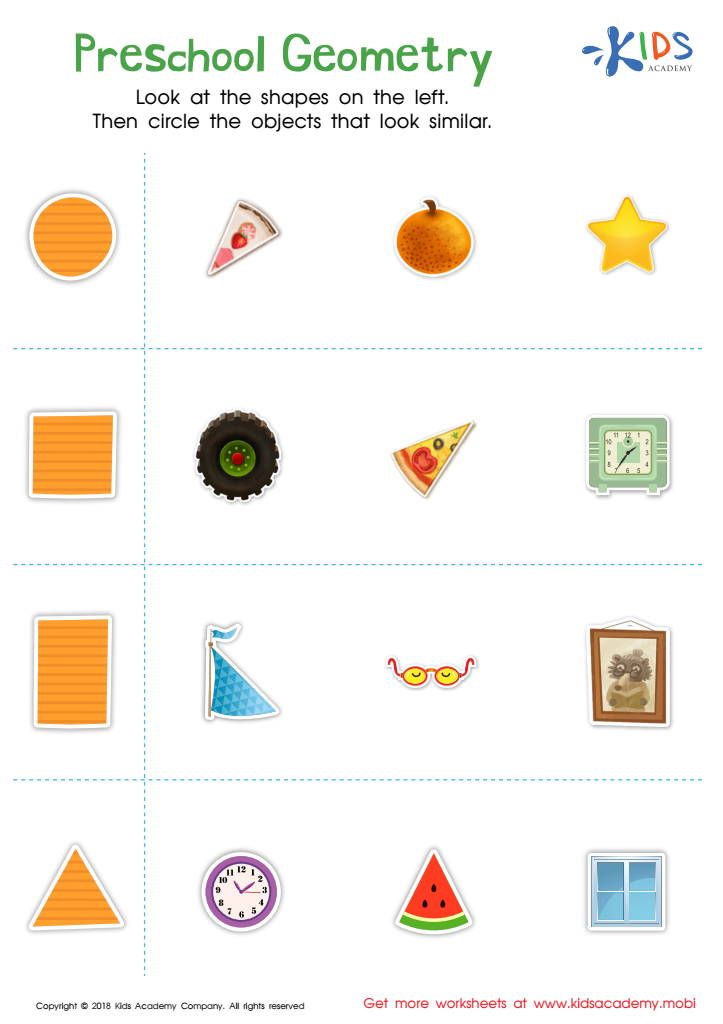
Preschool Geometry Worksheet
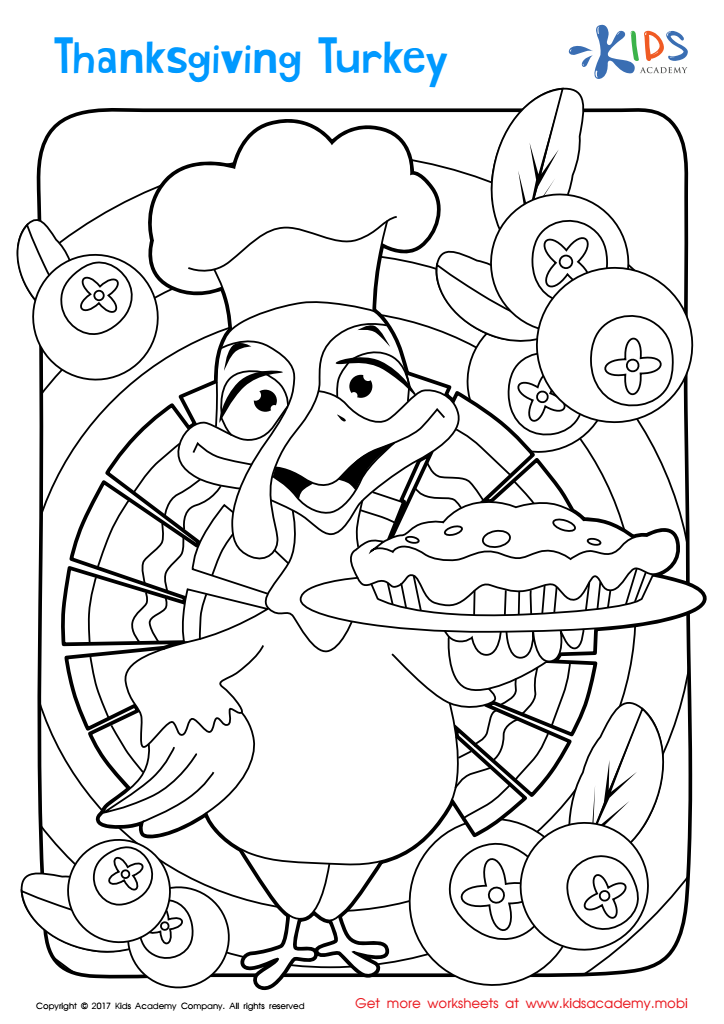
Turkey Thanksgiving Day Worksheet
 Assign to My Students
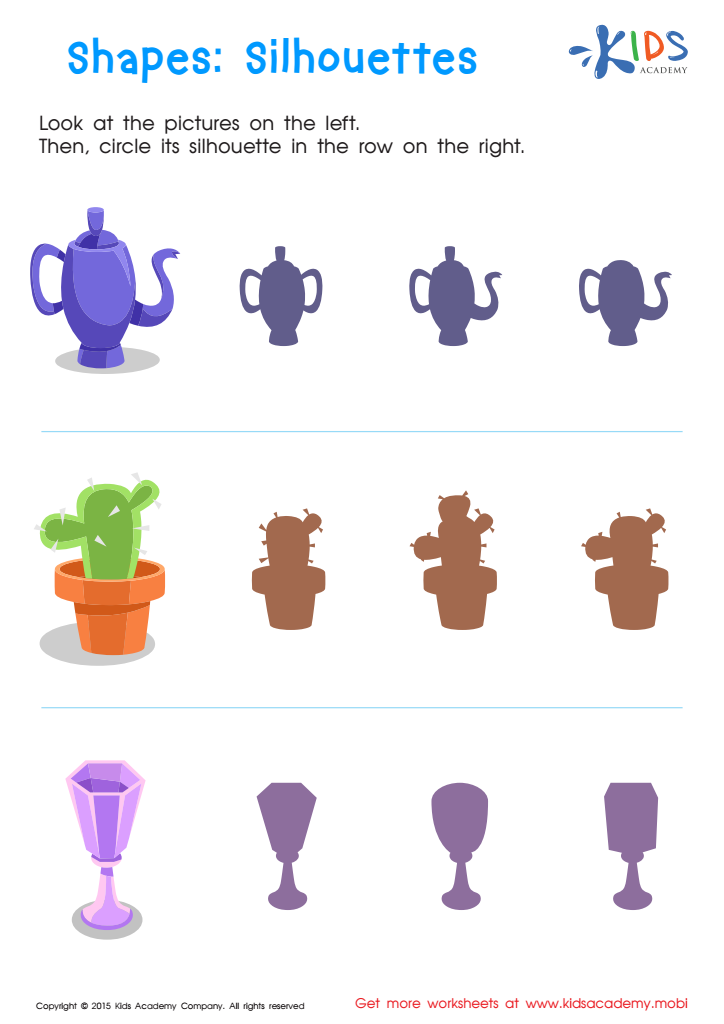
Silhouettes – Shapes Worksheet
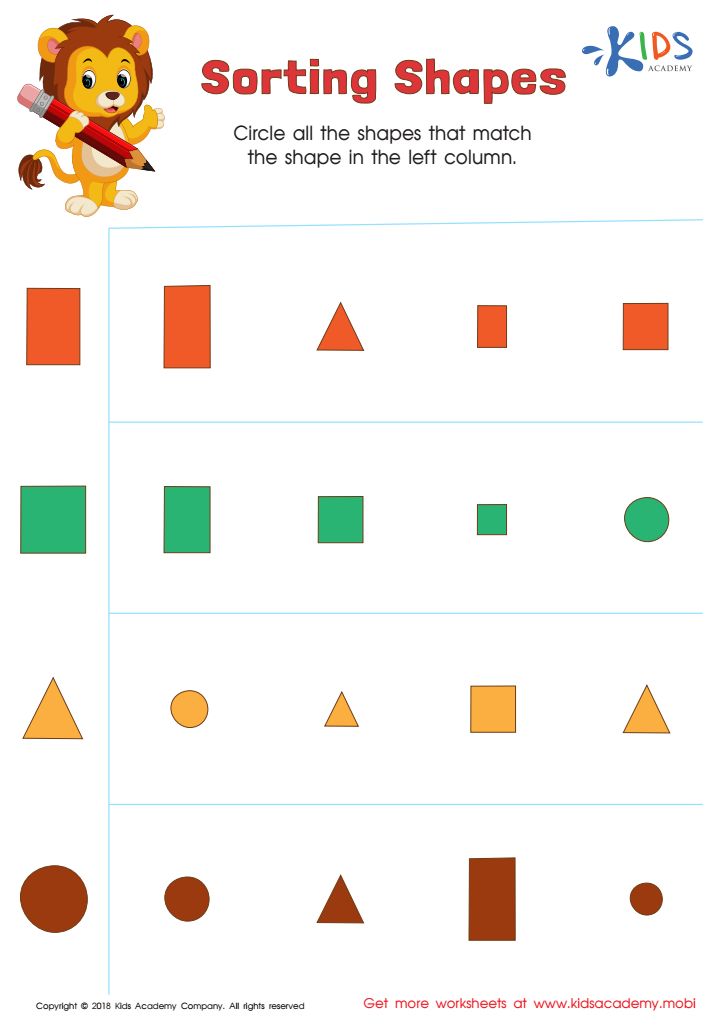
Sorting Shapes - Part 2 Worksheet







Shape recognition is a fundamental skill for 3-year-olds that plays a vital role in early childhood development. For parents and teachers, understanding the significance of this skill highlights its impact on numerous areas of learning. Firstly, shape recognition fosters cognitive development by helping children understand their environment, enhancing critical thinking skills as they learn to classify and predict based on attributes.
Moreover, shape recognition serves as a building block for more advanced math concepts. Recognizing shapes helps children grasp spatial awareness, geometry, and the foundational principles of measurement. As children identify and describe shapes, they also develop their vocabulary and communication skills.
Encouraging shape recognition also promotes fine motor skills through activities like sorting, drawing, and manipulating shape-based toys. These activities not only boost physical development but also cultivate problem-solving and creativity.
Additionally, shape recognition contributes to emotional and social development during play-based activities. Children often engage in collaborative play, helping each other learn while building social bonds.
Overall, caring about shape recognition is about investing in a child's holistic development—nurturing their cognitive, physical, linguistic, and social skills—establishing a strong foundation for future learning and lifelong skills.








