Cognitive Development Normal 2D Shapes Worksheets for 3-Year-Olds
4 filtered results
-
From - To
Enhance your 3-year-old's cognitive development with our engaging "Cognitive Development Normal 2D Shapes Worksheets." Designed to promote early math skills, these worksheets introduce children to basic shapes, helping them recognize and differentiate between circles, squares, triangles, and more. Each activity encourages critical thinking through fun and interactive exercises, fostering problem-solving skills in a supportive learning environment. Perfect for at-home practice or classroom use, our colorful and creative designs keep young learners motivated and excited. Start building a strong foundation in geometry today while nurturing essential cognitive skills with these specially crafted worksheets that make learning shapes enjoyable and effective!
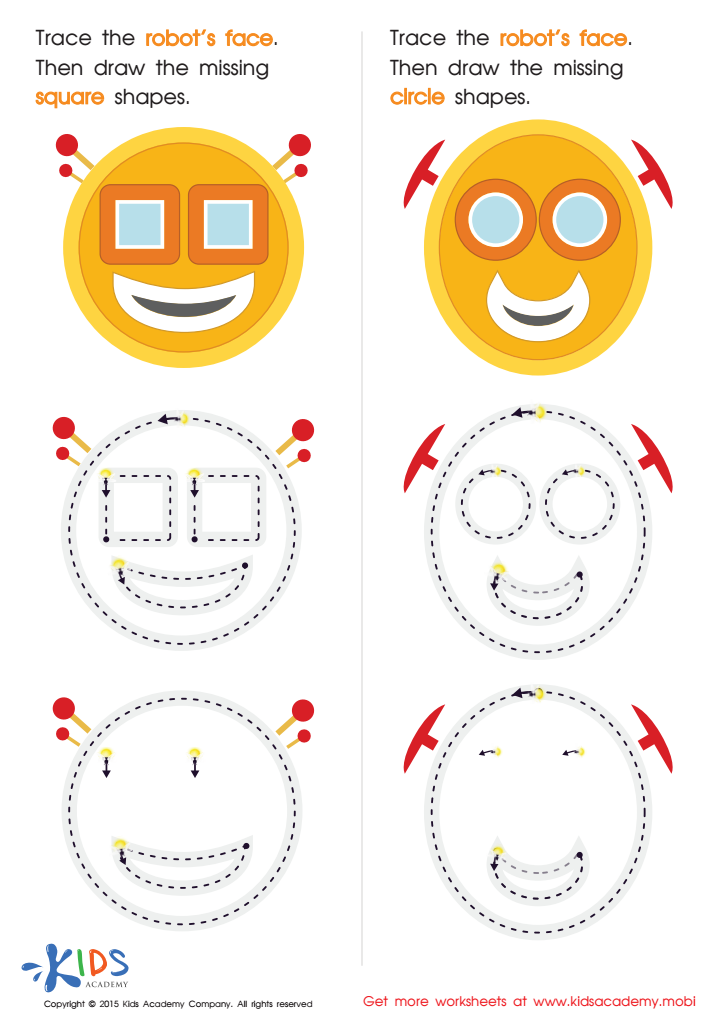
Practicing to Draw Circles And Squares Printable
 Assign to My Students











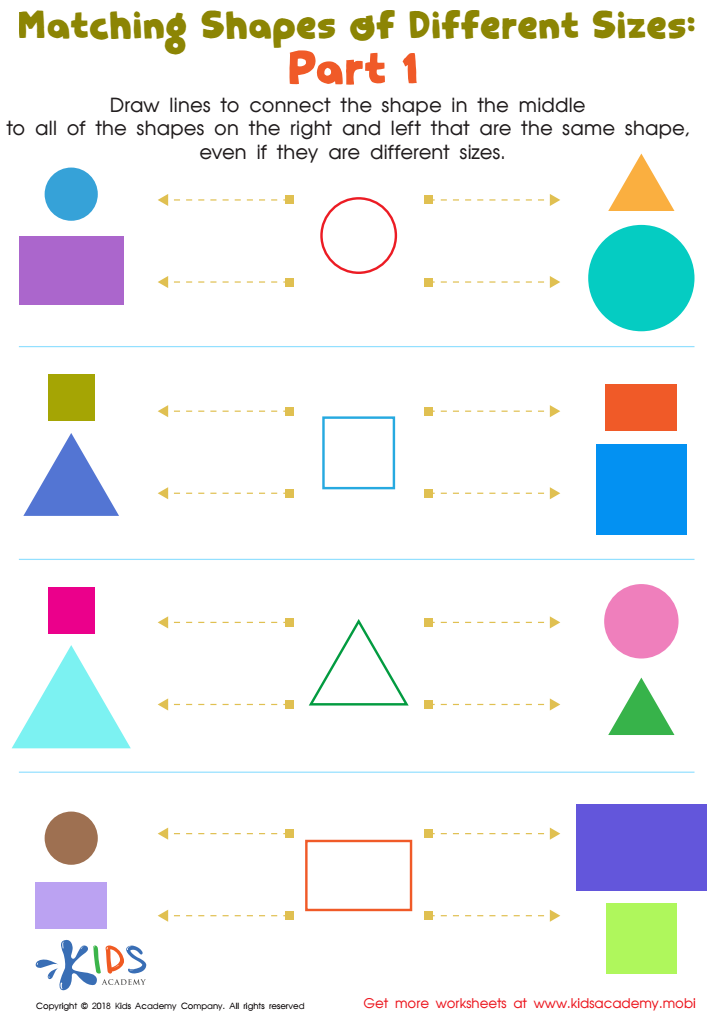
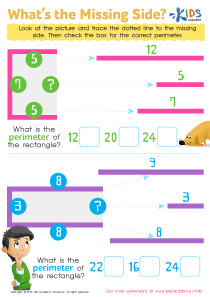
Geometry: part 1 Worksheet
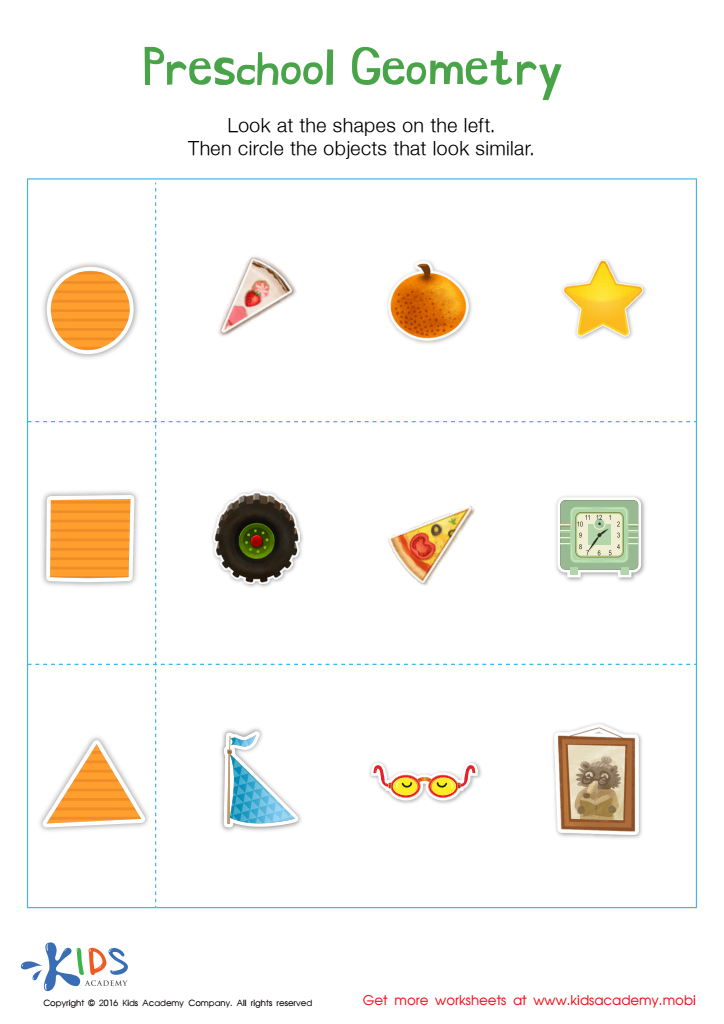
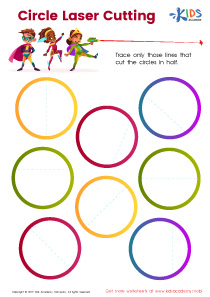
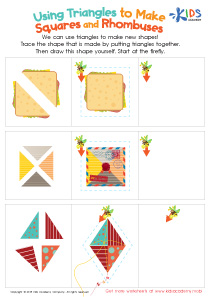
Preschool Geometry Match Up Worksheet
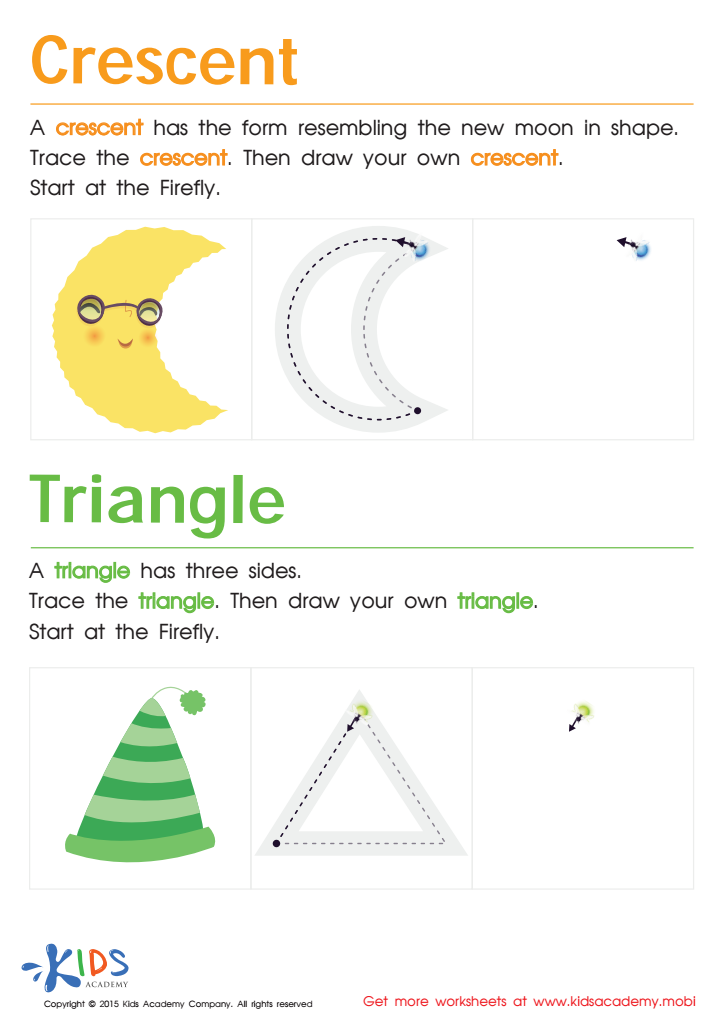
Learning to Draw Crescents And Triangles Worksheet








Cognitive development in early childhood is crucial for a child’s overall learning and future academic success. At the age of three, children start to engage with and understand the world around them, making this an ideal time to introduce basic concepts like 2D shapes. Learning about shapes not only enhances a child’s visual perception and spatial awareness but also serves as a foundation for more complex math and problem-solving skills.
When parents and teachers focus on teaching normal 2D shapes—such as circles, squares, triangles, and rectangles—they help children to recognize patterns and develop classification skills. By identifying and categorizing shapes, children enhance their critical thinking capabilities. This knowledge also expands their vocabulary, as they learn the names and characteristics of various shapes.
Furthermore, shape recognition is often integrated into everyday activities, such as art, building blocks, and play. This hands-on exploration promotes active learning and cognitive engagement, which reinforce memory retention. Encouraging such learning experiences helps create a strong intellectual base that supports future studies in geometry and other subjects. Ultimately, an early understanding of 2D shapes enriches a child’s cognitive growth, empowering them for long-term academic success and life skills.