Number Recognition Normal Addition and Subtraction Word Problems Worksheets for 3-Year-Olds
5 filtered results
-
From - To
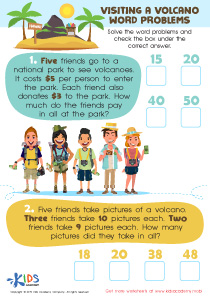
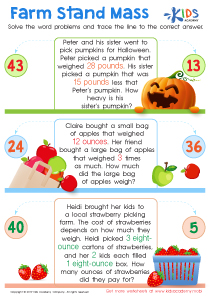
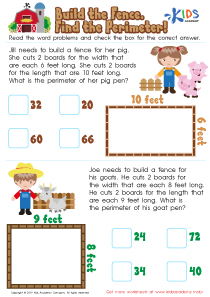
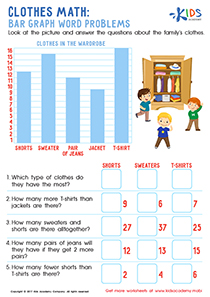
Introducing our engaging "Number Recognition Normal Addition and Subtraction Word Problems Worksheets for 3-Year-Olds"! These thoughtfully designed worksheets help young learners develop foundational math skills through fun, relatable word problems tailored to their age group. By combining number recognition with basic addition and subtraction concepts, children will enhance their critical thinking and problem-solving abilities in a playful environment. Each worksheet features vibrant visuals and simple scenarios to keep your little ones motivated and excited about math. Perfect for classroom use or at-home learning, these worksheets are an essential resource for nurturing early numeracy skills in preschoolers. Start their math journey today!
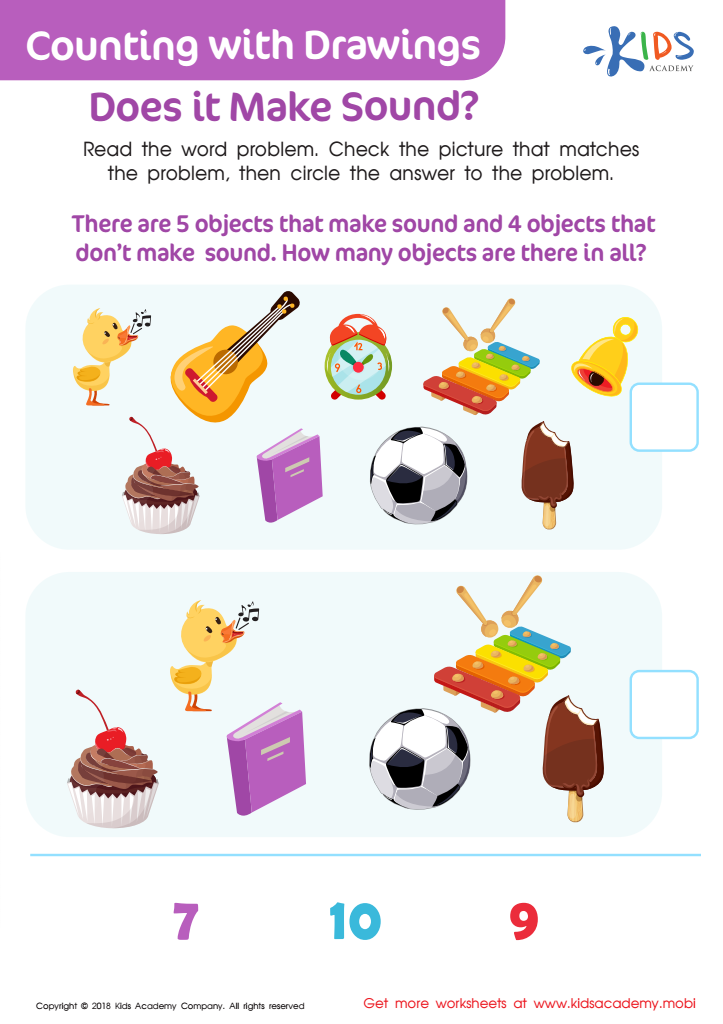
Counting With Drawings. Does It Make Sound? Worksheet
 Assign to My Students
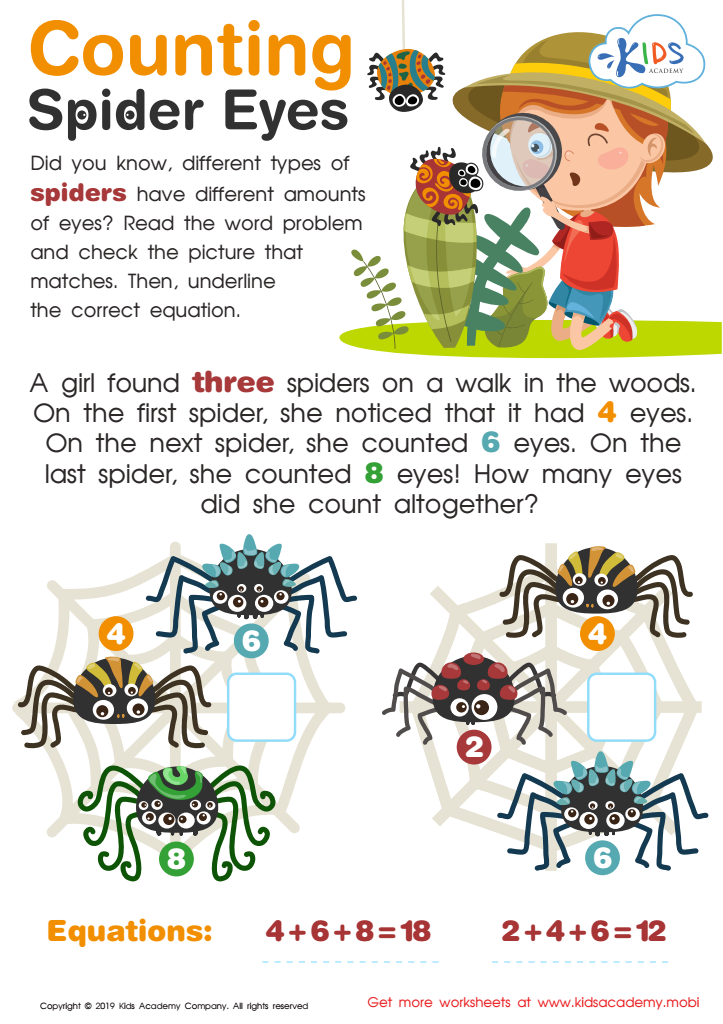
Counting Spider Eyes Worksheet
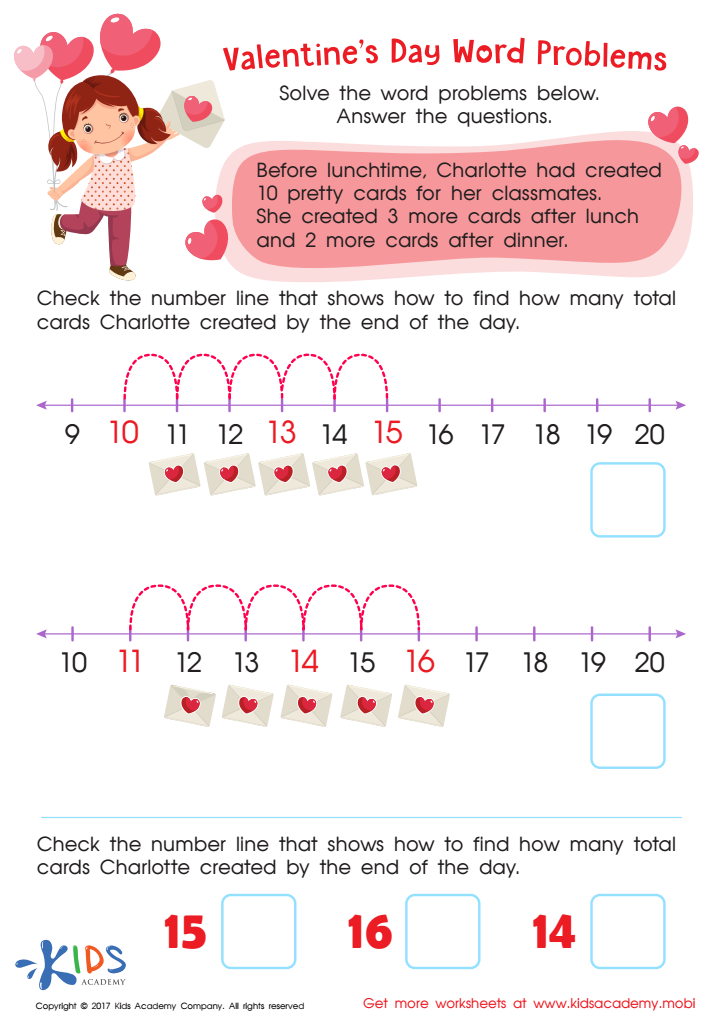
Valentines Day Word Problem Worksheet
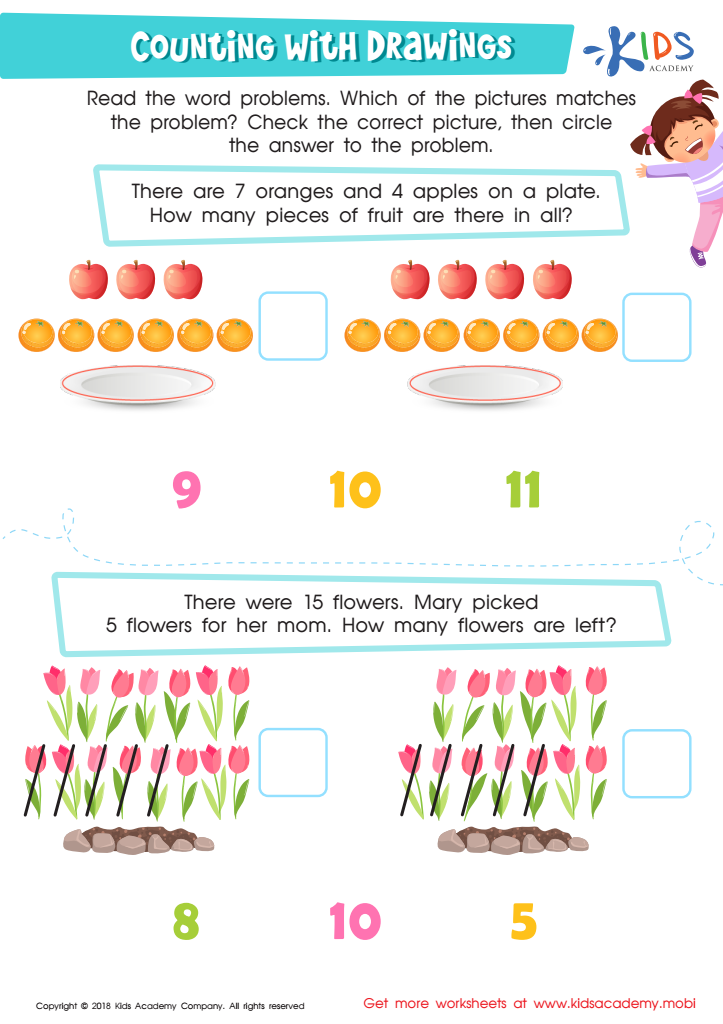
Counting with Drawings: Fruits & Chocolates Worksheet
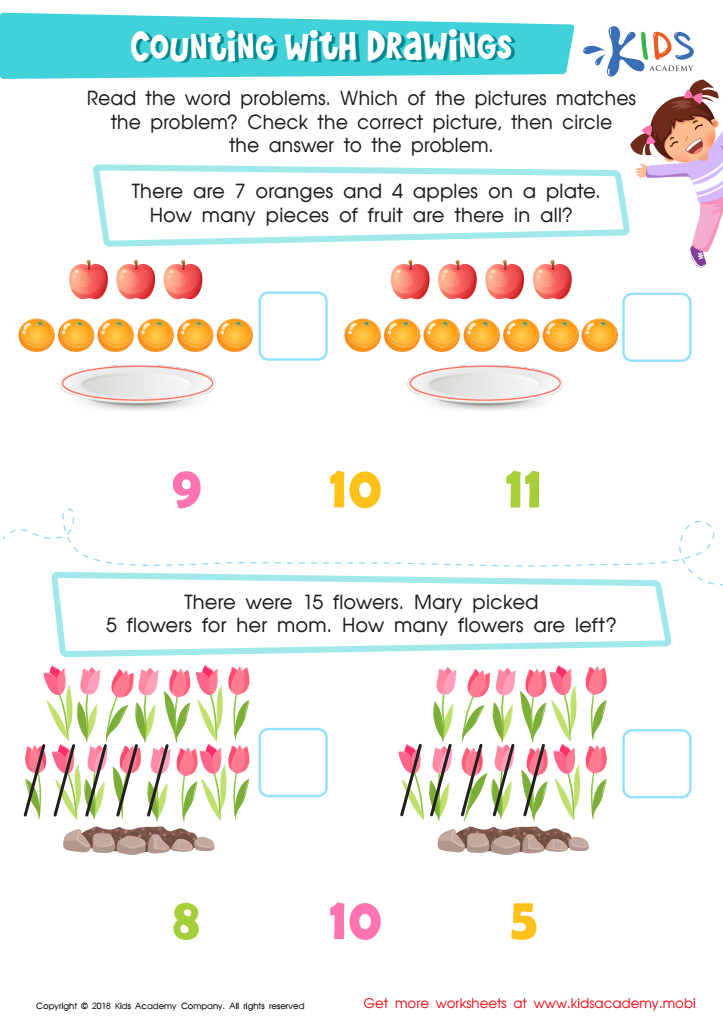
Counting with Drawings:Fruits & Flowers Worksheet








Number recognition, along with normal addition and subtraction word problems, is crucial for 3-year-olds as it lays the foundation for mathematical understanding. At this age, children are naturally curious and eager to learn, making it the perfect time to introduce basic numeracy concepts. Parents and teachers should care because enhancing number recognition boosts cognitive development and problem-solving skills, encouraging children to engage with math in a playful and intuitive manner.
Moreover, incorporating addition and subtraction word problems cultivates critical thinking and comprehension skills. When children learn to understand and solve these problems, they develop the ability to connect numbers to real-world scenarios, fostering a practical understanding of math that extends beyond the classroom. Engaging children in verbal problem-solving also strengthens language skills and enhances their ability to articulate thoughts.
Additionally, early exposure to these concepts can build a positive attitude towards learning math, reducing anxiety around the subject as they grow. Encouraging a playful and supportive environment for practicing numbers turns learning into an enjoyable activity, making it more likely that children will embrace math enthusiastically as they advance. Thus, prioritizing number recognition and simple arithmetic is essential for well-rounded early childhood development.