Cognitive Development Normal Numbers Worksheets for 3-Year-Olds
5 filtered results
-
From - To
Explore our engaging Cognitive Development Normal Numbers Worksheets designed specifically for 3-year-olds! These worksheets feature fun activities that enhance number recognition, counting skills, and basic mathematical understanding. Tailored to stimulate cognitive growth, our resources incorporate vibrant illustrations and relatable themes to keep young learners captivated. As children practice recognizing and working with numbers, they develop essential foundational skills for future learning. Perfect for at-home learning or early childhood education settings, these worksheets encourage independent exploration and parent involvement. Support your child's cognitive milestones while fostering a love for numbers with our thoughtfully crafted worksheets, designed for little hands and curious minds!
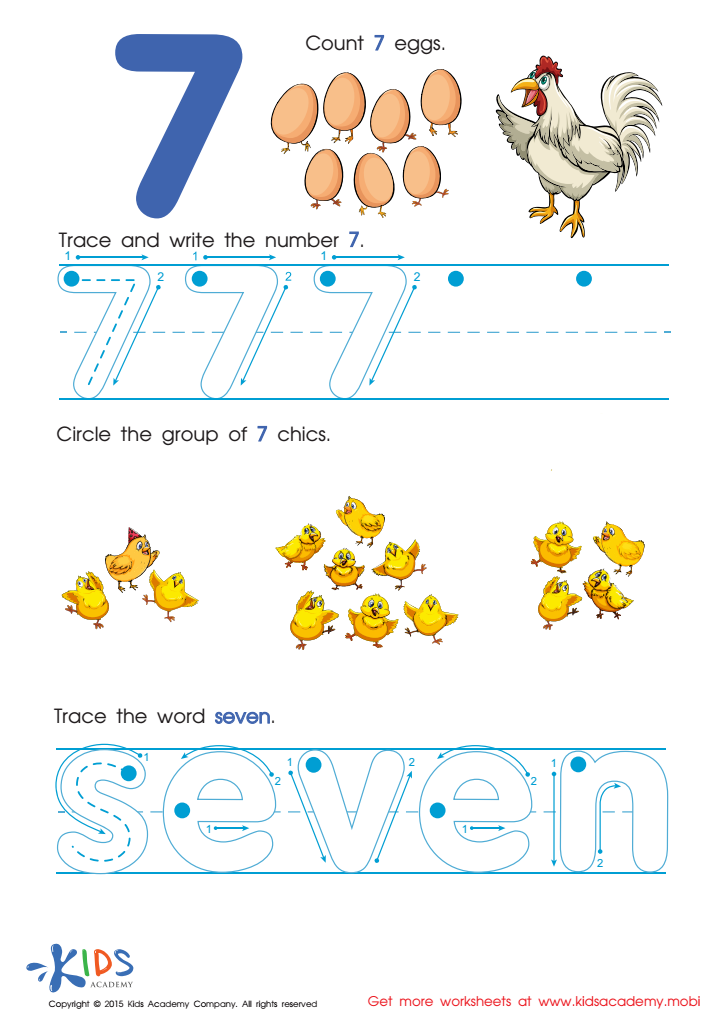
Trace And Write Number 7 with Fun Worksheet
 Assign to My Students
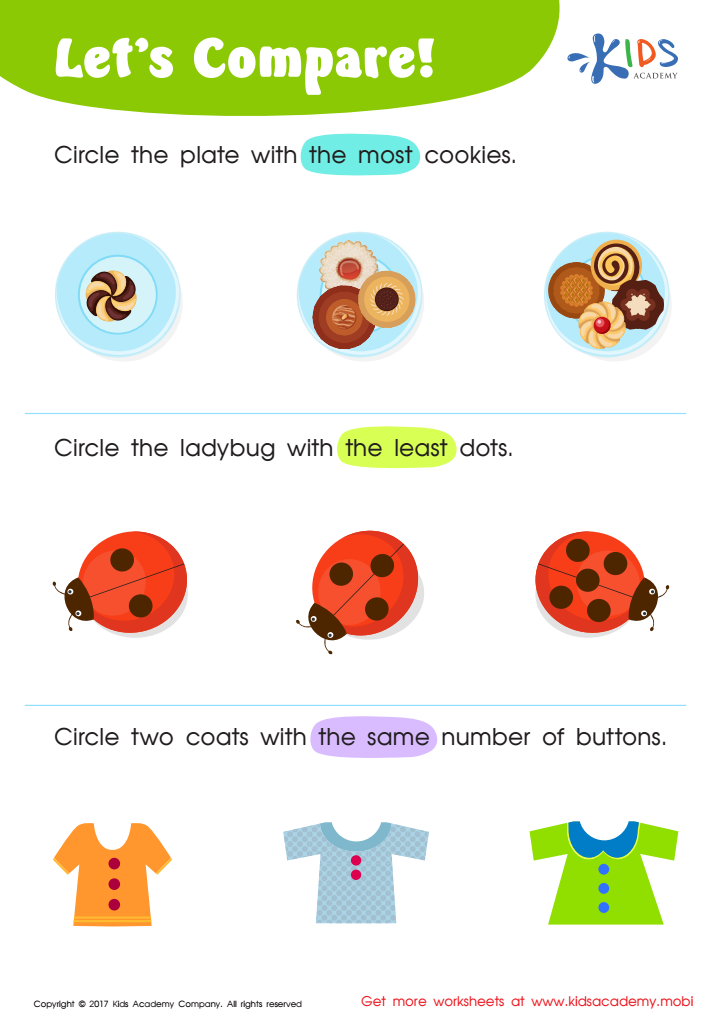
Matching: Classifying Toys by Size Worksheet
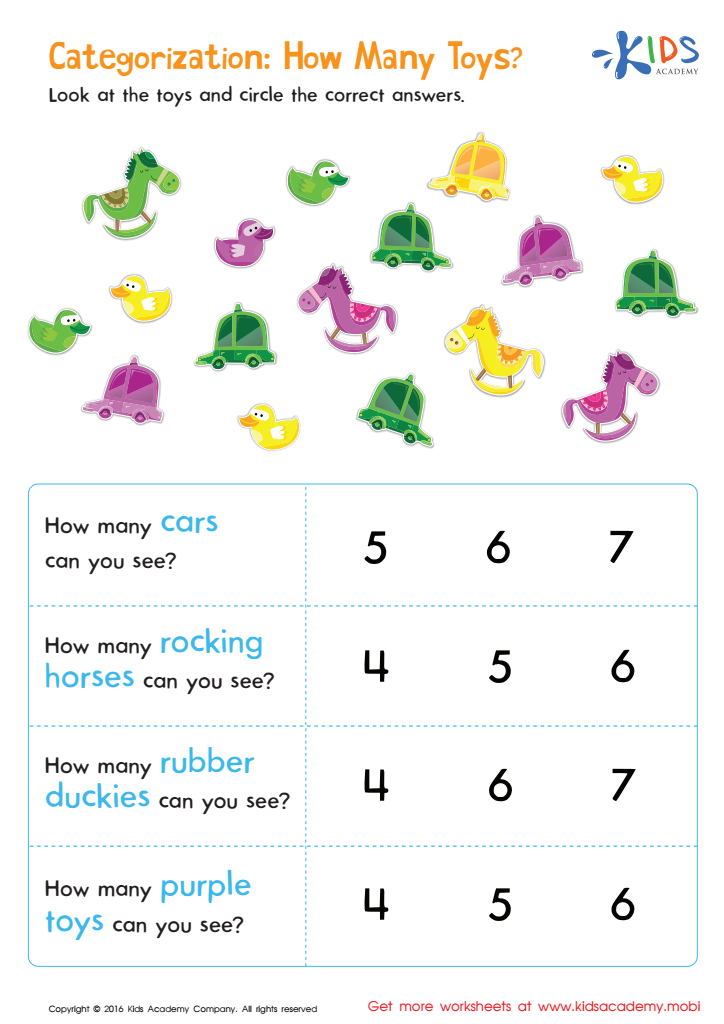
Classifying Toys by Type and Color Sorting Worksheet
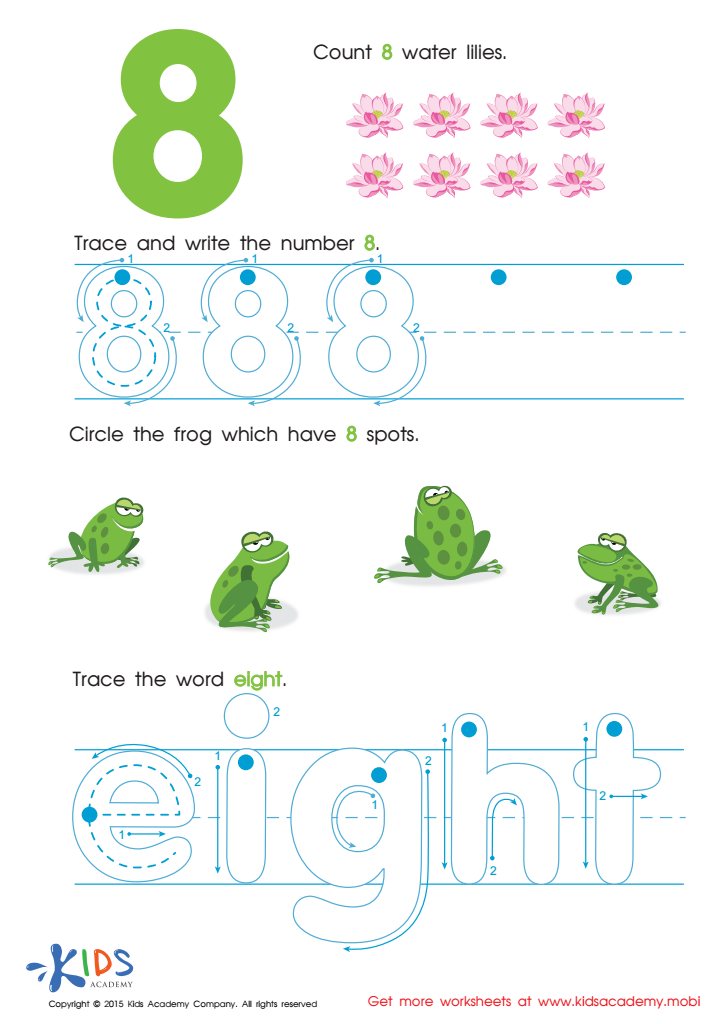
Learn Number 8 Easily Worksheet
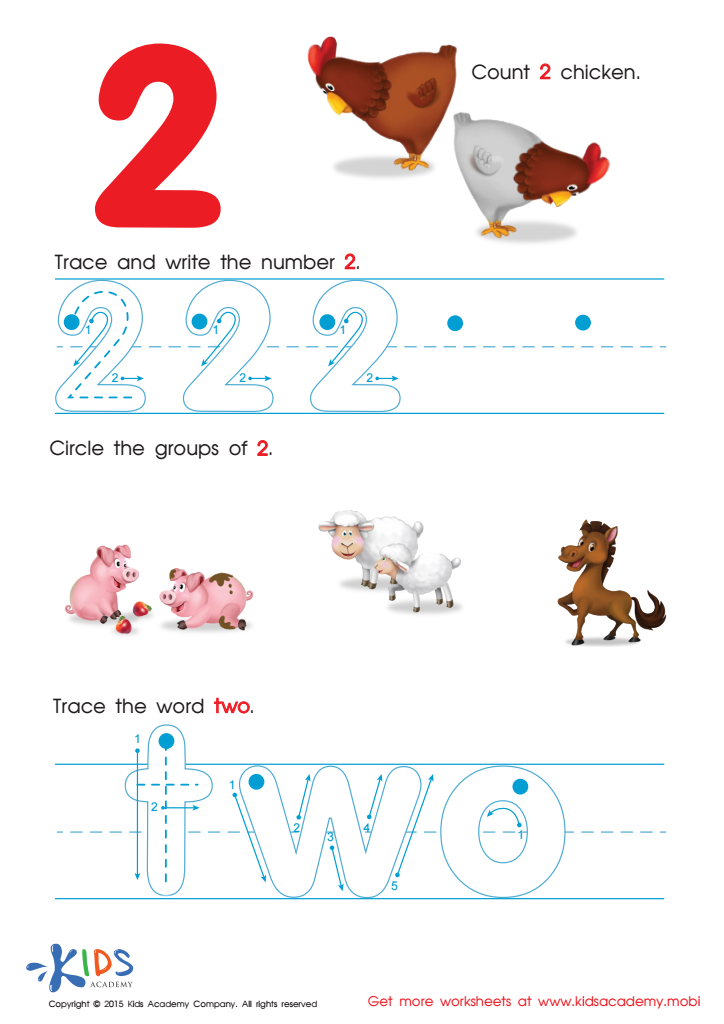
Learn to Write the Number 2 Worksheet








Cognitive development during early childhood is crucial as it lays the foundation for a child’s future learning and overall well-being. By age three, children typically exhibit certain cognitive milestones related to number recognition and basic numerical understanding. Parents and teachers should care about these normative expectations for several reasons.
First, recognizing the typical cognitive development stages for 3-year-olds helps caregivers identify if a child is on track or if there may be a need for additional support. Early intervention can lead to significant improvements in skills and overall development.
Second, fostering cognitive development in numerical understanding is important for future academic success. Children who grasp basic number concepts—like counting, sorting, and recognizing numerals—are better prepared for later mathematical learning, leading to higher achievement in school.
Additionally, understanding cognitive milestones allows parents and teachers to create enriching learning environments that inspire curiosity and promote cognitive skills. Engaging children in playful activities involving numbers, such as counting objects during play or reading number-focused books, can enhance their cognitive growth.
Overall, paying attention to cognitive development helps ensure children build a strong foundation for their educational journeys, positively impacting their confidence and competence in learning.








