Problem-Solving Skills Normal Building Vocabulary Worksheets for 3-Year-Olds
3 filtered results
-
From - To
Discover engaging "Problem-Solving Skills Normal Building Vocabulary Worksheets" designed specifically for 3-year-olds. These worksheets aim to enhance young learners' critical thinking and vocabulary as they tackle fun challenges and puzzles. Each activity promotes essential problem-solving skills while helping children expand their language abilities. Kids will enjoy exploring concepts through colorful visuals and relatable scenarios, making learning both enjoyable and effective. Ideal for parents and educators seeking to foster early cognitive development and vocabulary growth, these resources ensure children have a solid foundation for future learning adventures. Empower your child’s curiosity and language skills today!
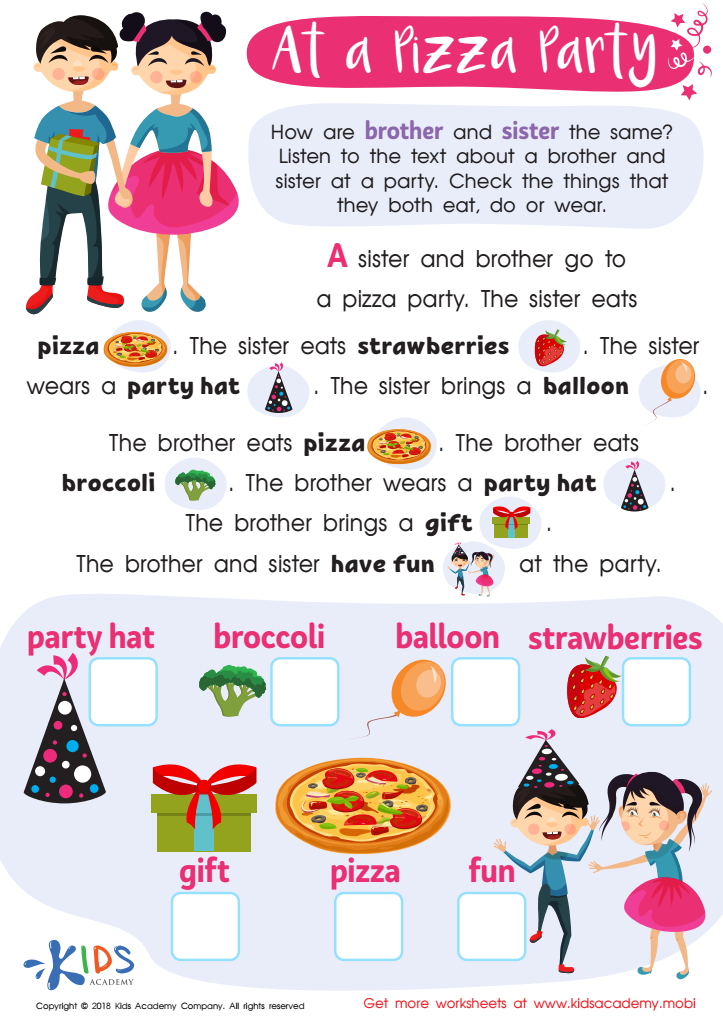
At a Pizza Party Worksheet
 Assign to My Students











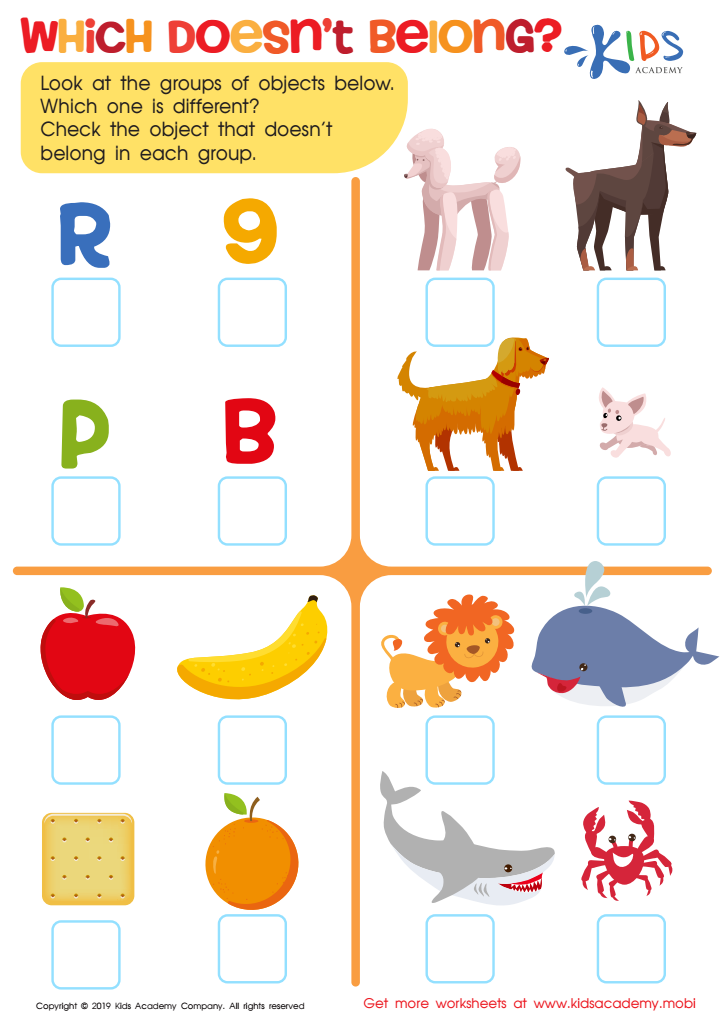
Which Doesn't Belong? Worksheet
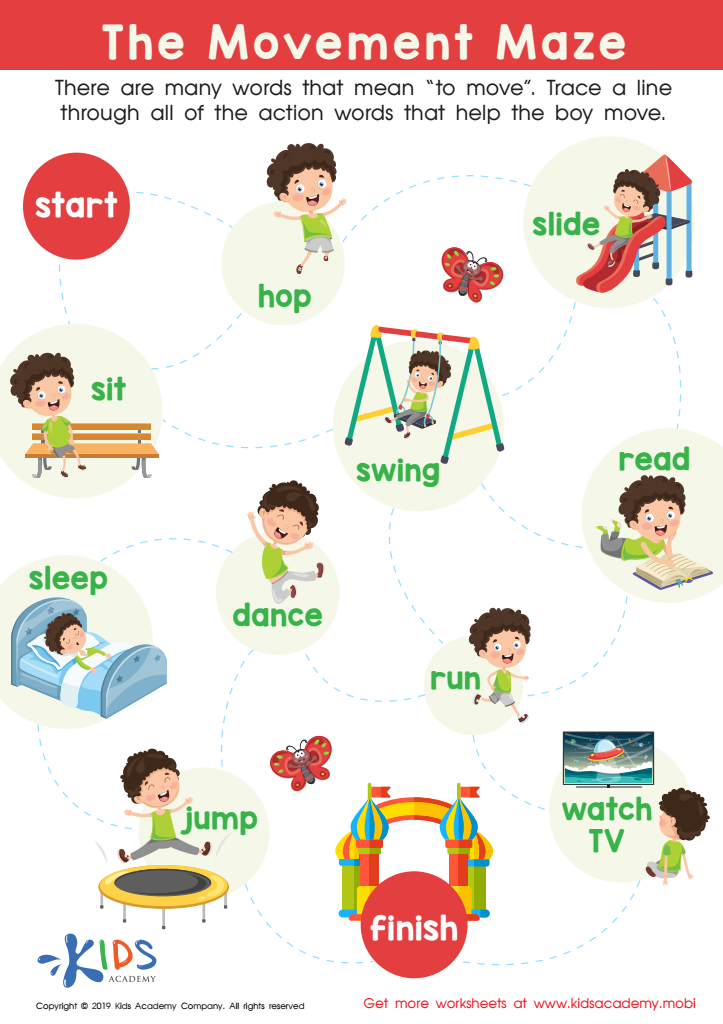
The Movement Maze Worksheet





.jpg)


Developing problem-solving skills and a rich vocabulary in three-year-olds is crucial for their overall growth and future success. At this age, children are natural explorers, and honing their ability to solve problems empowers them to navigate new challenges independently. When they face issues, such as choosing toys or figuring out social dynamics with peers, strong problem-solving skills help them to think critically and creatively, laying a foundation for lifelong learning.
Furthermore, acquiring vocabulary is essential in every child's language development. A solid vocabulary allows children to express their thoughts, feelings, and ideas more clearly. This expression fosters effective communication, enhances comprehension, and builds self-confidence. Young children learn best through play and interactive experiences, which also provide opportunities for discussion, storytelling, and verbal interaction, forming a rich language environment.
Both problem-solving and vocabulary skills influence academic readiness, socialization, and emotional intelligence. By engaging children in activities that stimulate critical thinking and providing rich language exposure, parents and teachers can support their developmental journey. Encouraging dialogue, asking open-ended questions, and modeling problem-solving approaches can empower children, preparing them not just for school, but for life. Ultimately, nurturing these skills equips them for future academic and personal endeavors.








