Reading comprehension Normal Building Vocabulary Worksheets for 3-Year-Olds
8 filtered results
-
From - To
Introduce your little ones to the world of words with our Reading Comprehension Building Vocabulary Worksheets for 3-Year-Olds. Carefully crafted to engage preschoolers, these activities focus on nurturing early reading skills and vocabulary development. Through fun and interactive exercises, kids will enhance their ability to understand and interpret simple text. Our worksheets feature bright illustrations and relatable scenarios, making learning enjoyable and effective. Perfect for at-home practice or classroom use, these printable resources support a foundational step in your child's literacy journey, ensuring they build the confidence to become proficient readers. Bring joy to early reading explorations!
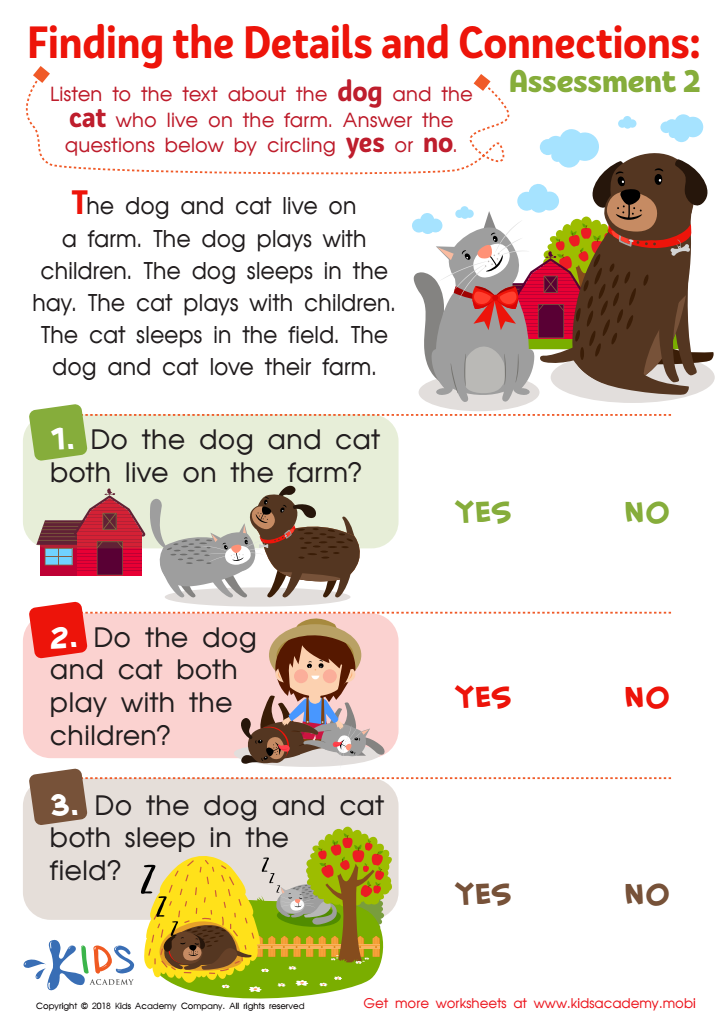
Finding the Details and Connections: Assessment 2 Worksheet
 Assign to My Students











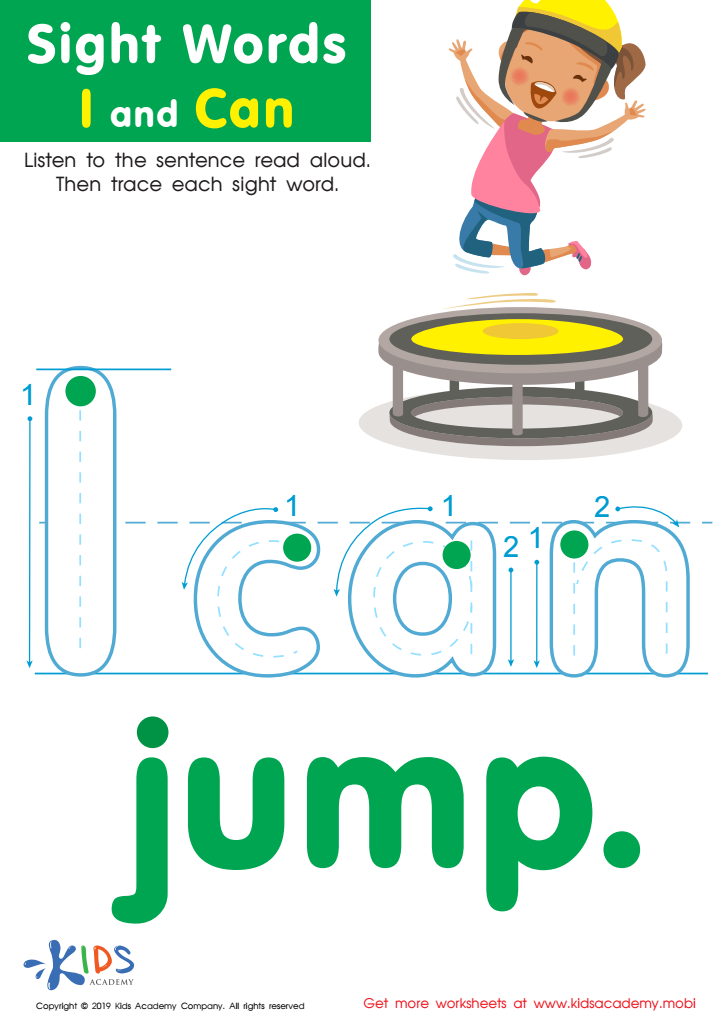
Sight Words I Can Worksheet
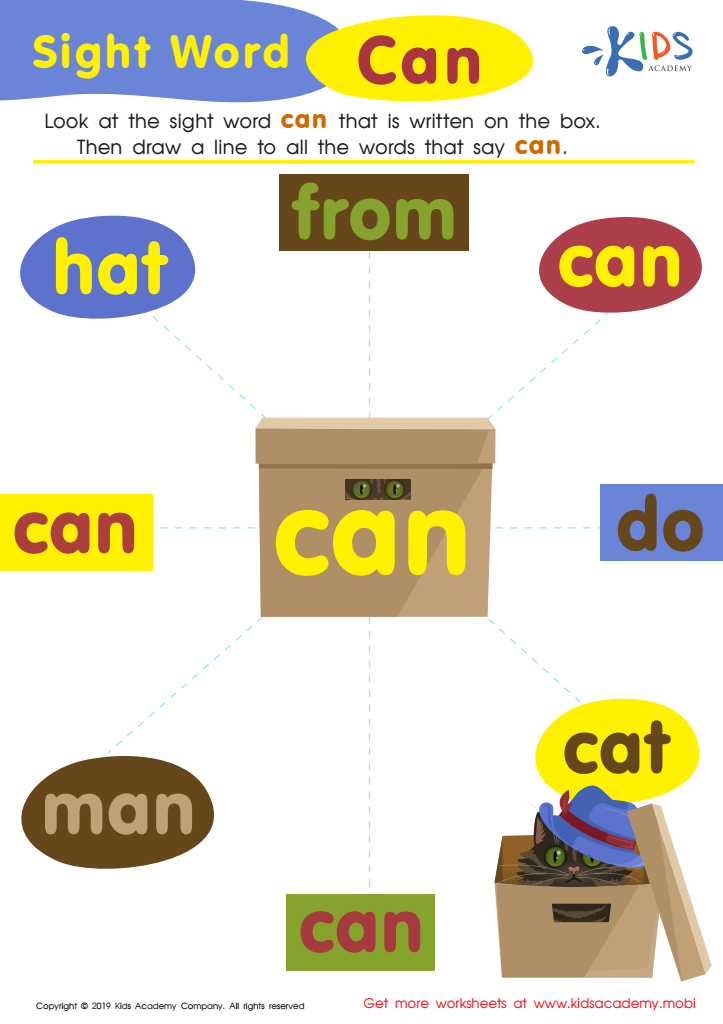
Sight Word Can Worksheet
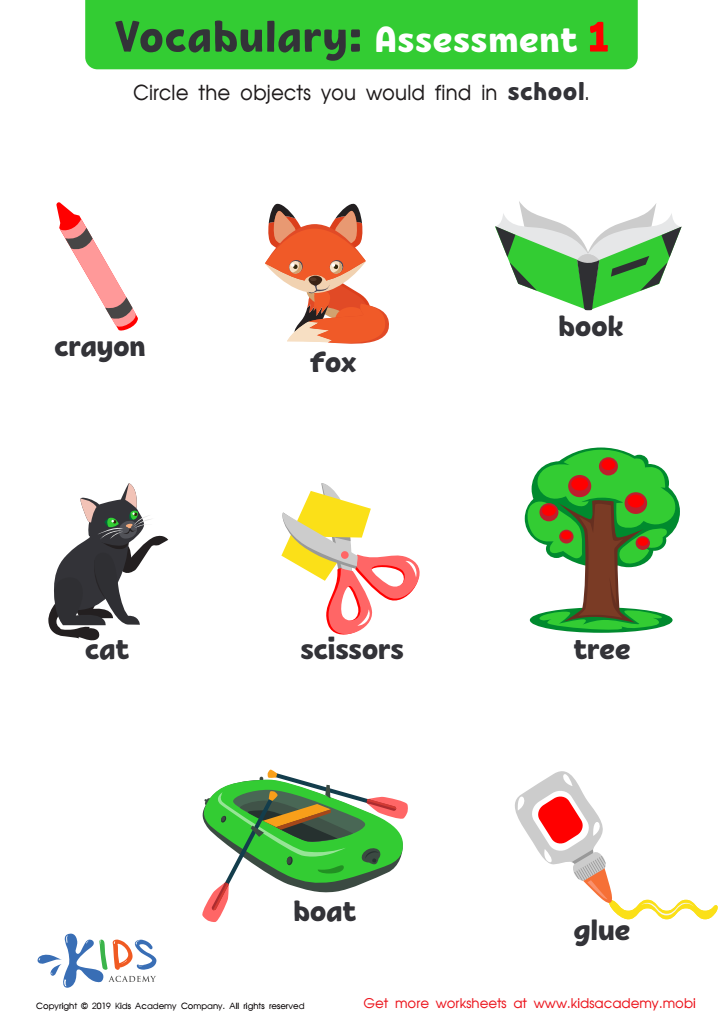
Vocabulary: Assessment 1 Worksheet
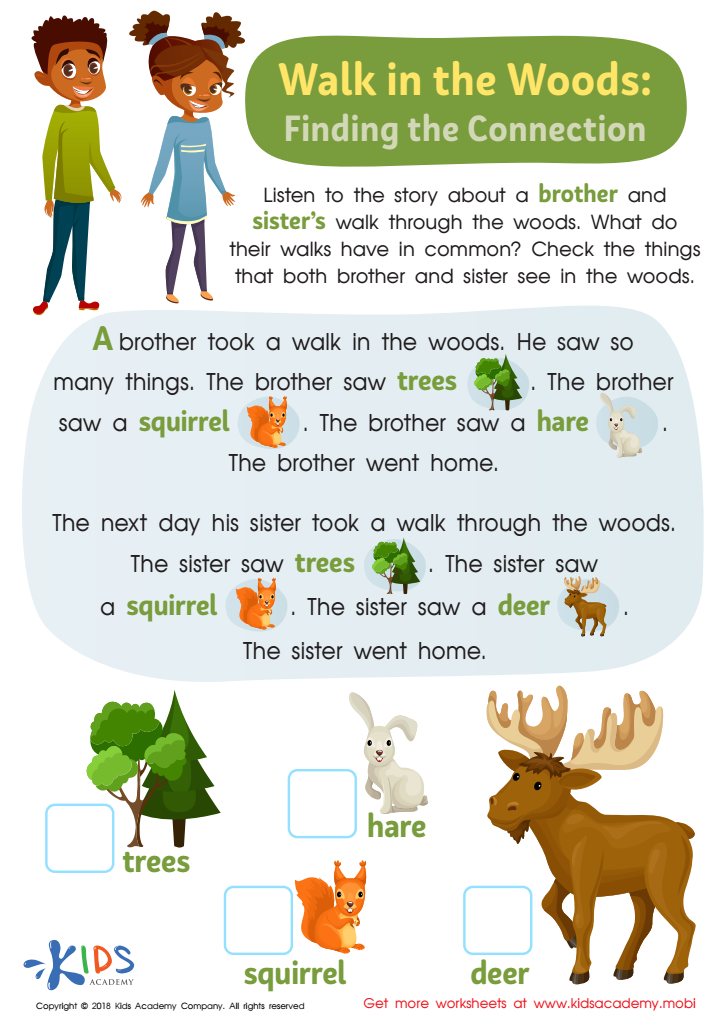
Walk In the Woods: Finding Connections Worksheet
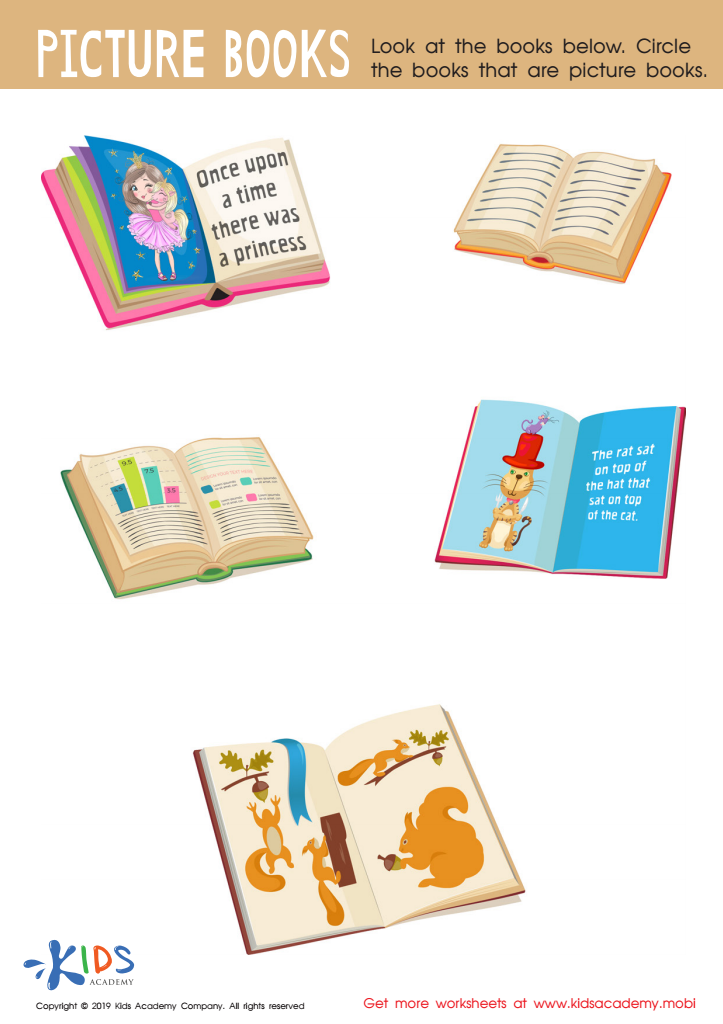
Picture Books Worksheet
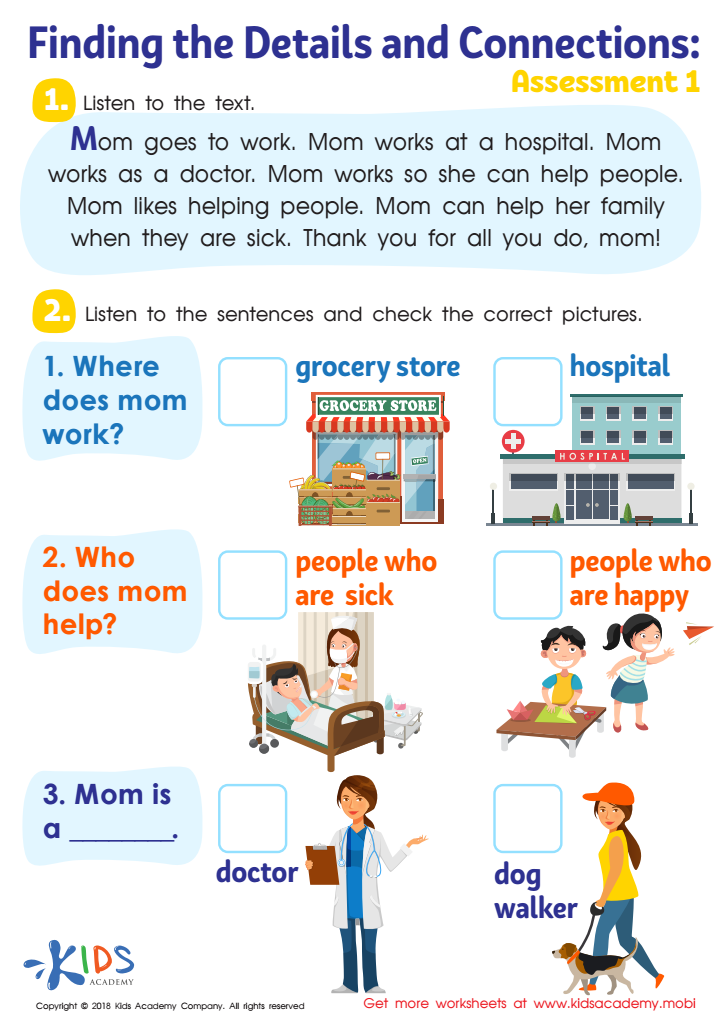
Finding the Details and Connections: Assessment 1 Worksheet
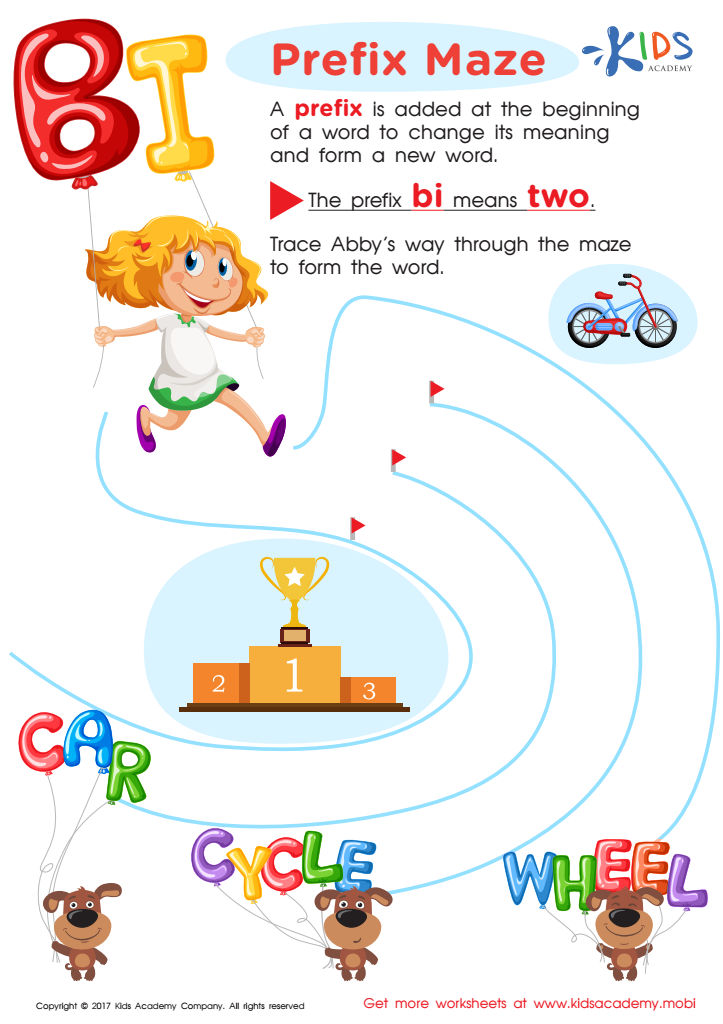
Prefix Bi Words Worksheet



.jpg)
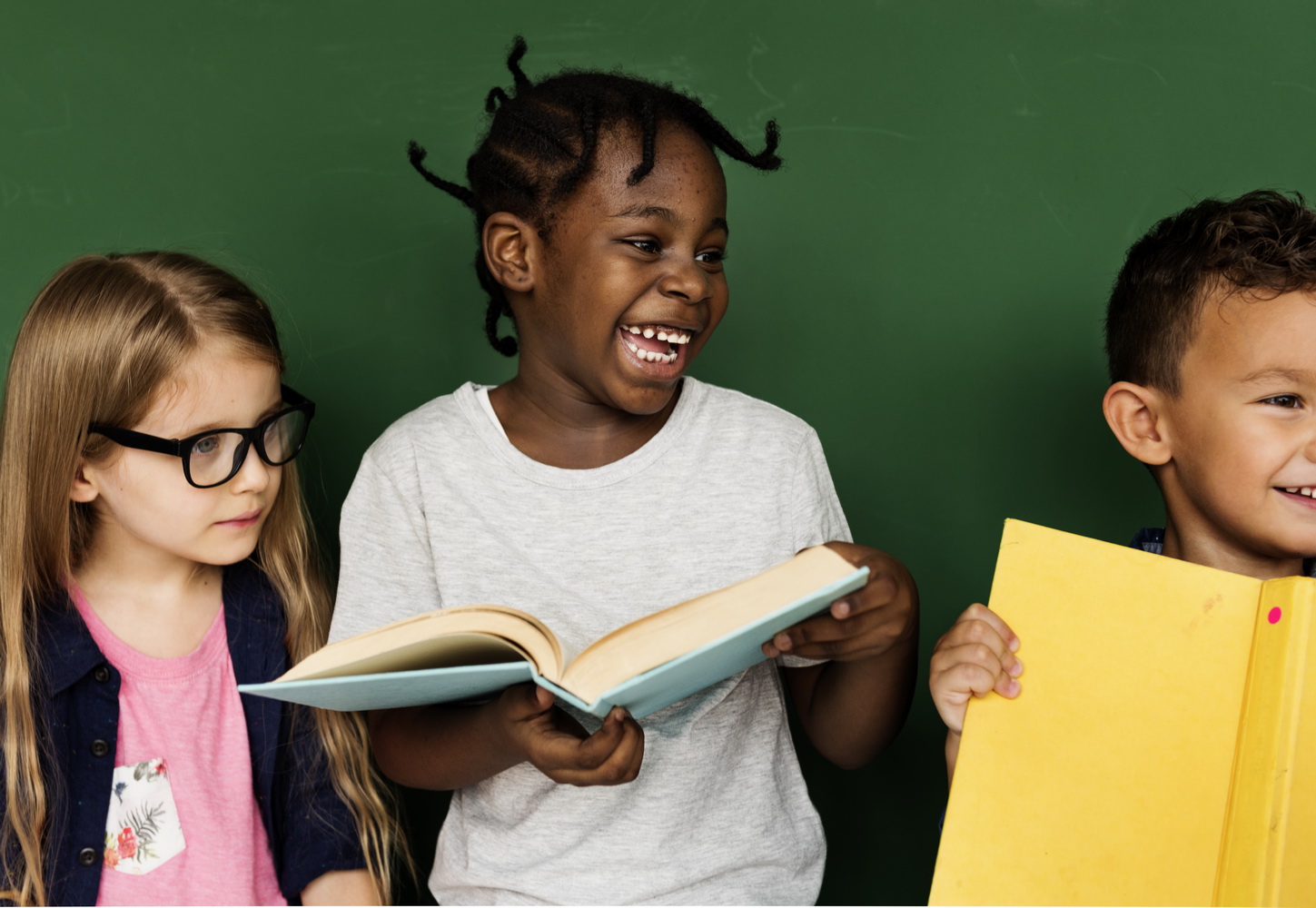



Parents and teachers should deeply care about fostering reading comprehension and building vocabulary in 3-year-olds because these early skills are the foundation for future academic success and cognitive development. At this formative stage, a child's brain is incredibly receptive, and rich language exposure can significantly boost vocabulary growth, enhancing their ability to understand and communicate ideas.
Reading comprehension extends beyond merely recognizing words; it involves understanding stories, ideas, and information. When young children engage with stories and vocabulary, they cultivate critical thinking skills, improve their attention spans, and foster an enduring love for reading. As they hear and understand new words, their language abilities expand, allowing more detailed expression of thoughts and emotions, which is pivotal for effective communication.
Building a sturdy vocabulary in preschool years bolsters readiness for formal education. Diverse bandwidth in vocabulary directly correlates with better reading skills and academic success. Children proficient in language comprehension are more equipped to grasp new concepts and thrive in various subjects as they advance in their education.
Moreover, having a rich vocabulary and reading comprehension skills enhances a child’s social-emotional skills. Understanding and using words appropriately in different contexts help them interact more effectively with peers and adults, fostering healthy relationships and confidence. Hence, focusing on these essential skills at a young age sets a robust groundwork for lifelong learning and personal growth.








