Handwriting practice Normal Alphabet Worksheets for Ages 4-5 - Page 2
37 filtered results
-
From - To
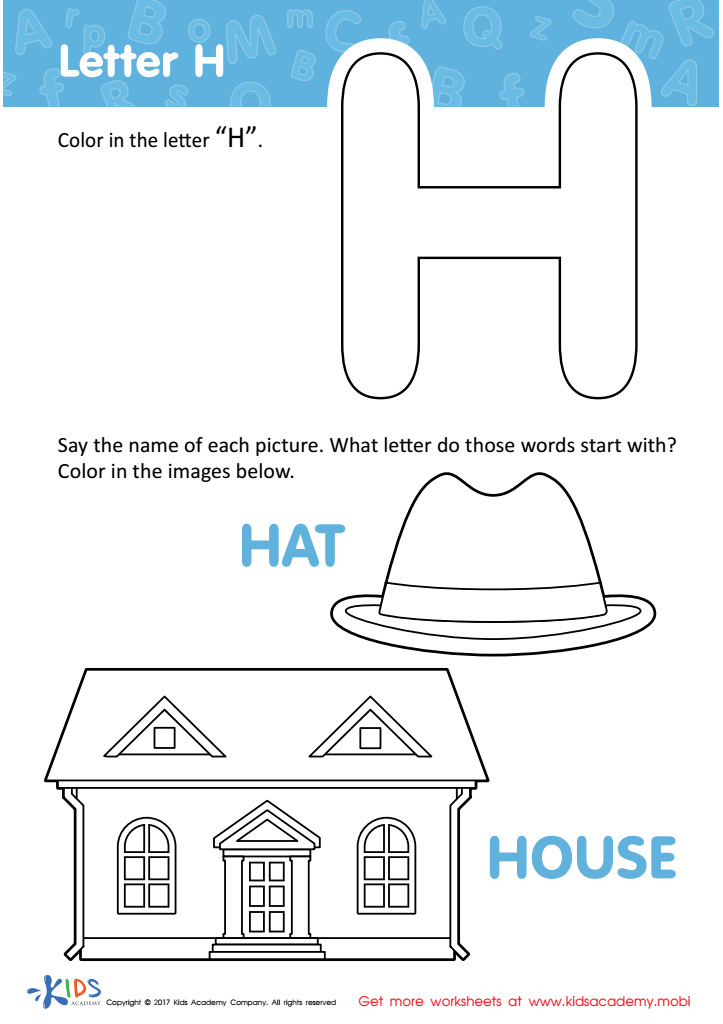
Letter H Coloring Sheet
 Assign to My Students
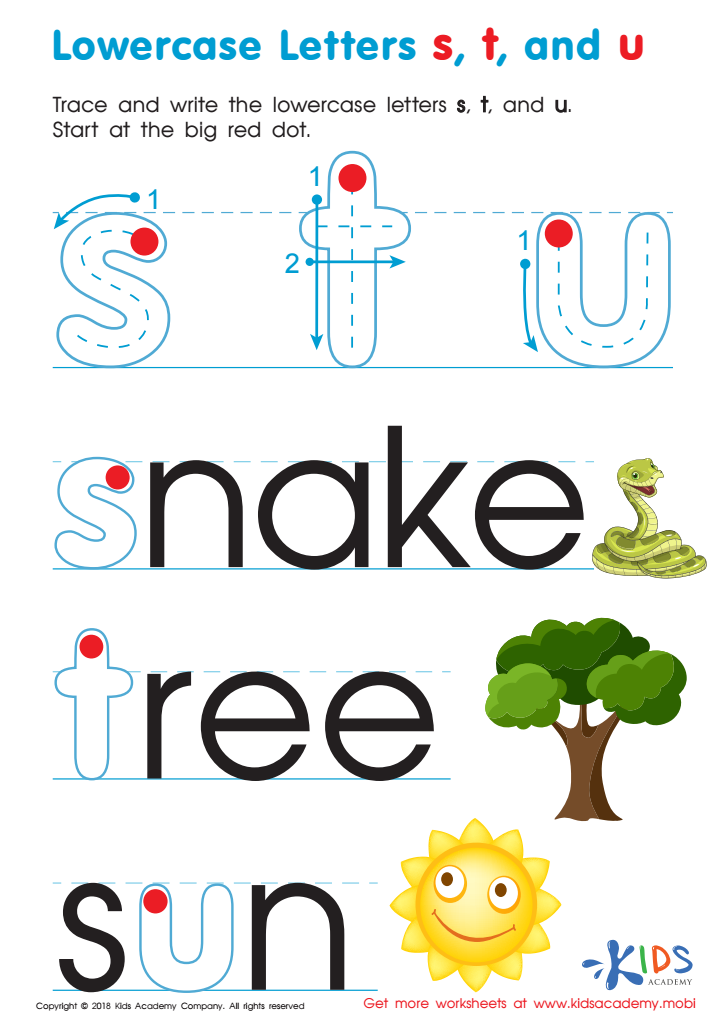
Lowercase Letters s t u Worksheet
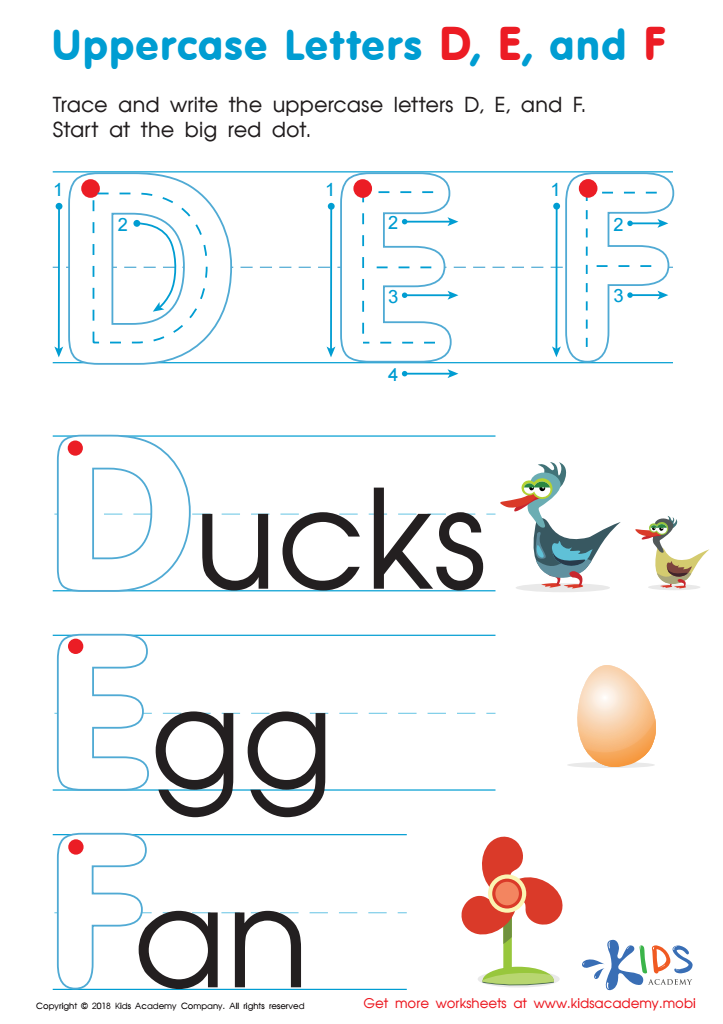
Uppercase Letters D, E, and F Worksheet
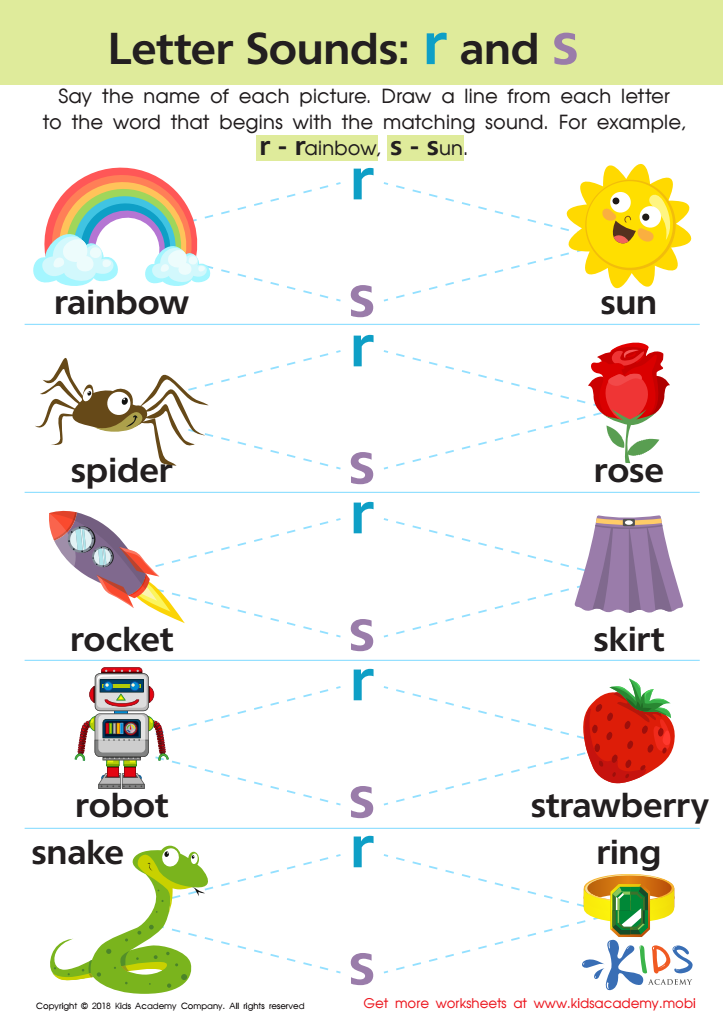
Letter R and S Sounds Worksheet
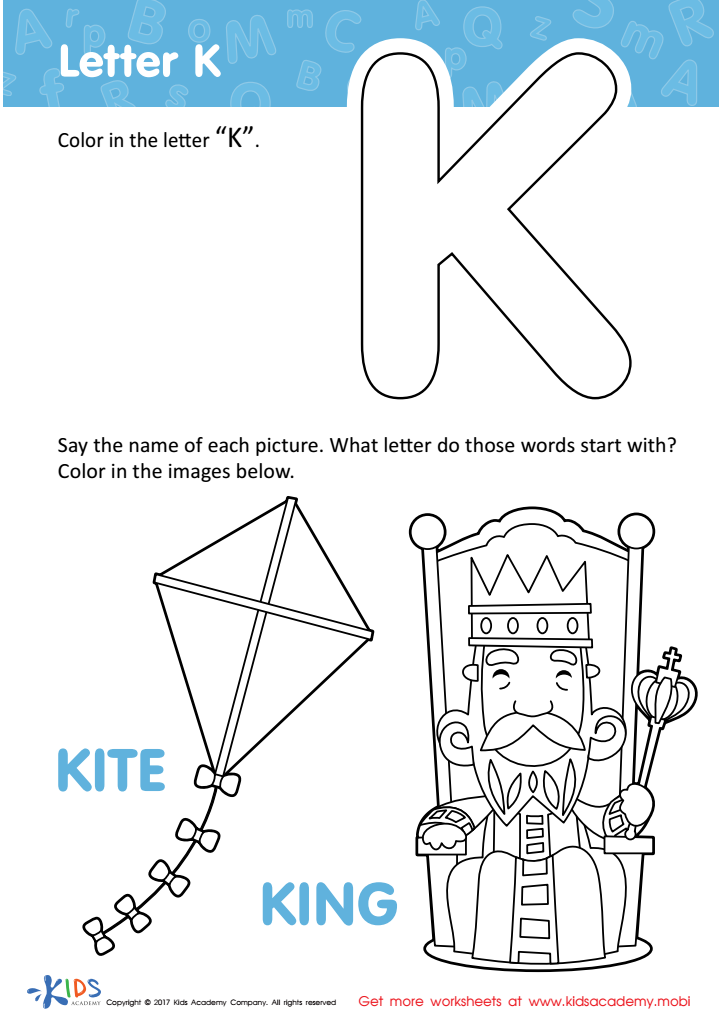
Letter K Coloring Sheet
Assign to My Students
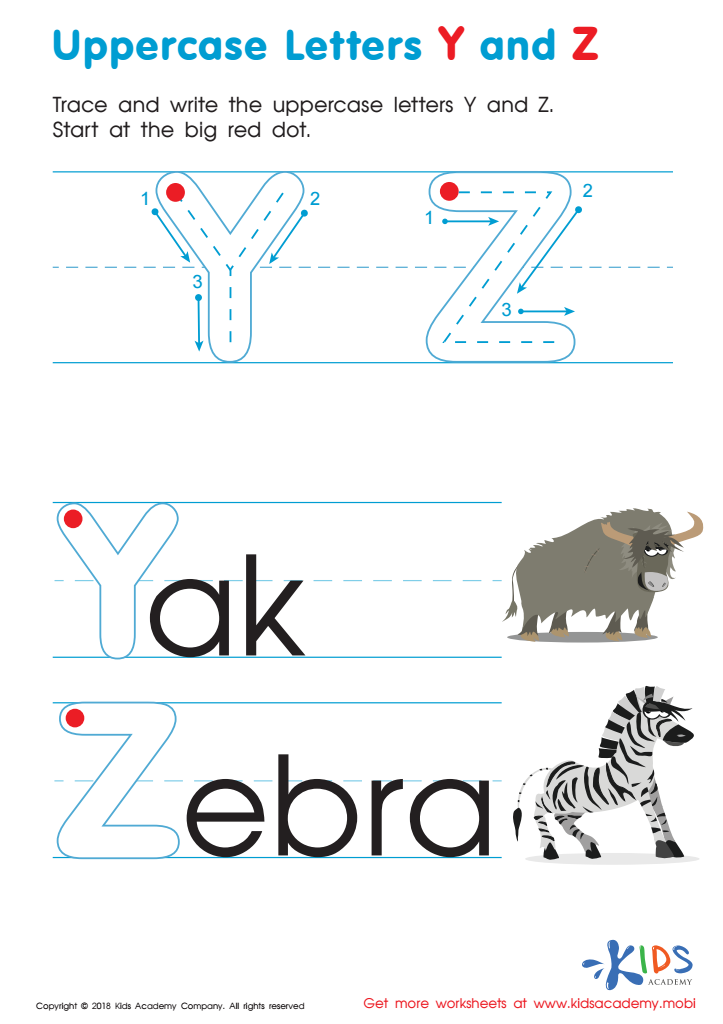
Uppercase Letters Y Z Worksheet
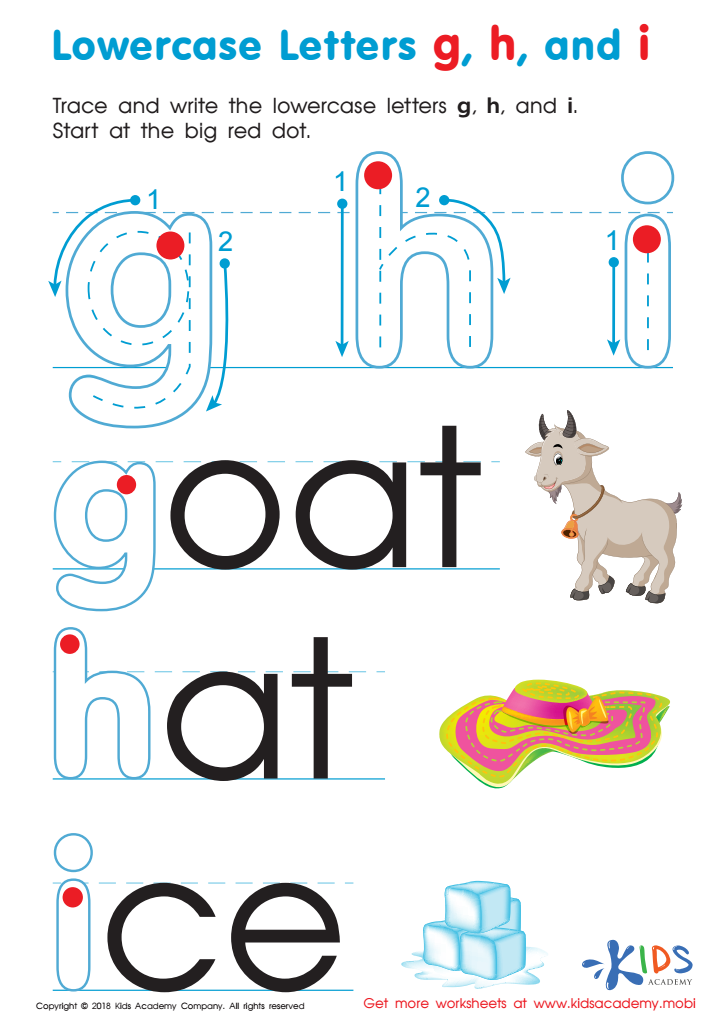
Lowercase Letters g h i Worksheet
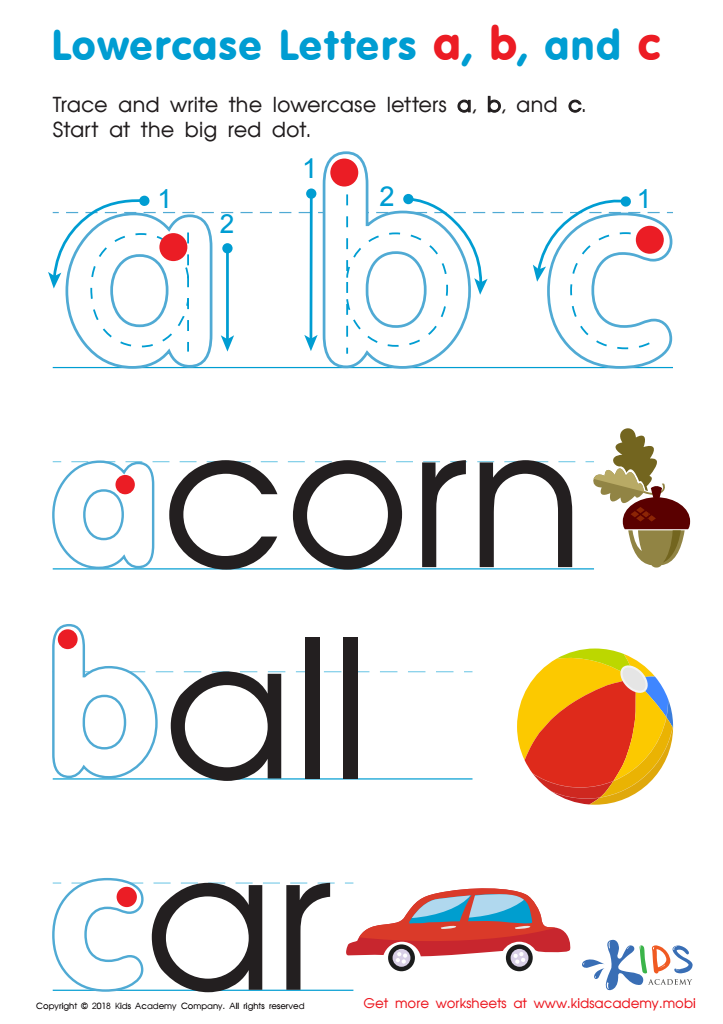
Lowercase Letters a b c Worksheet
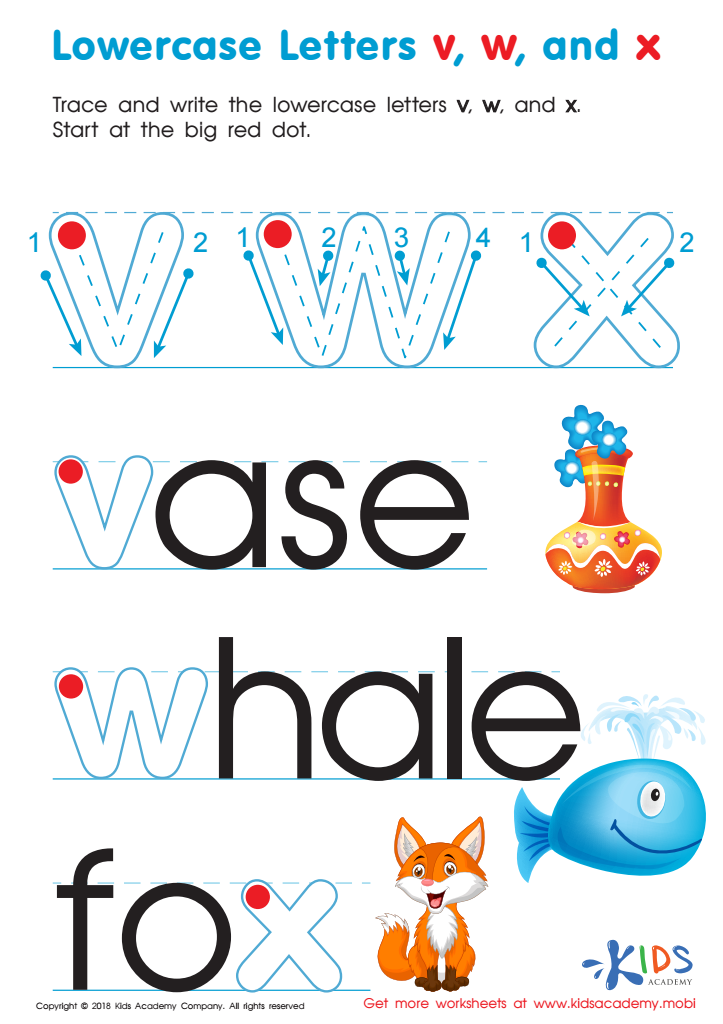
Lowercase Letters v w x Worksheet
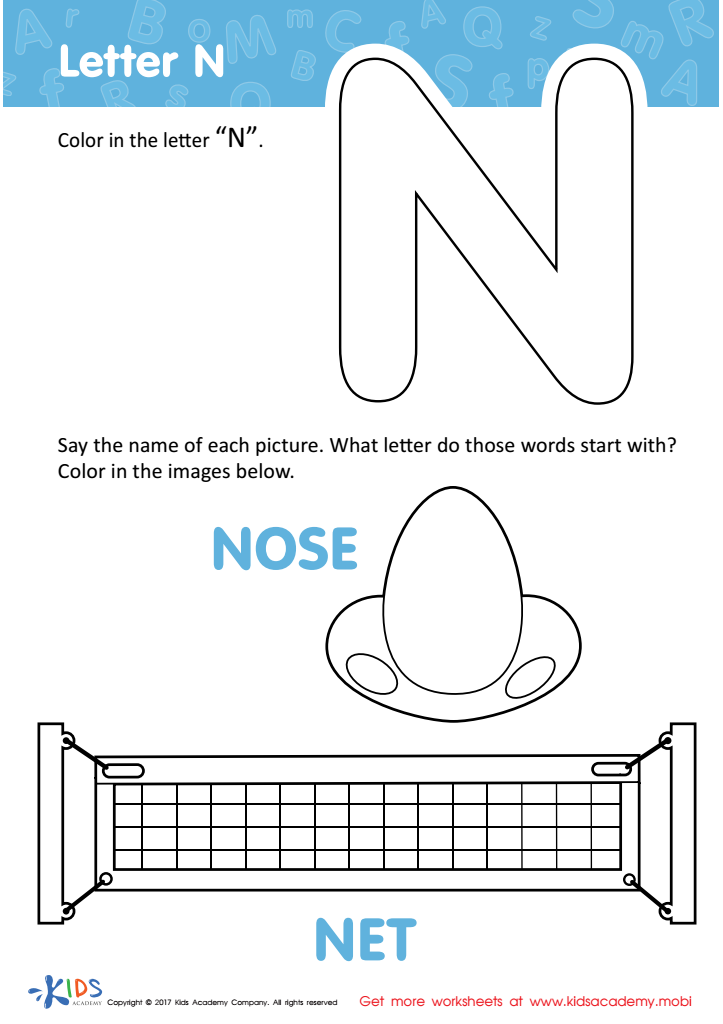
Letter N Coloring Sheet
Assign to My Students
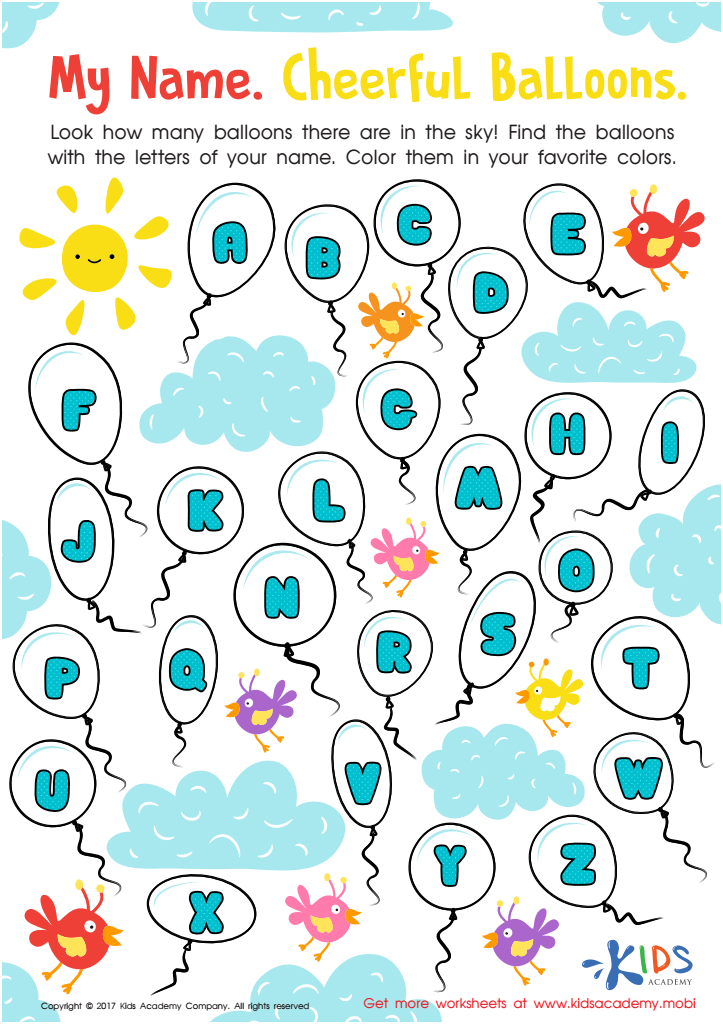
My Name: Cheerful Balloons Worksheet
Assign to My Students
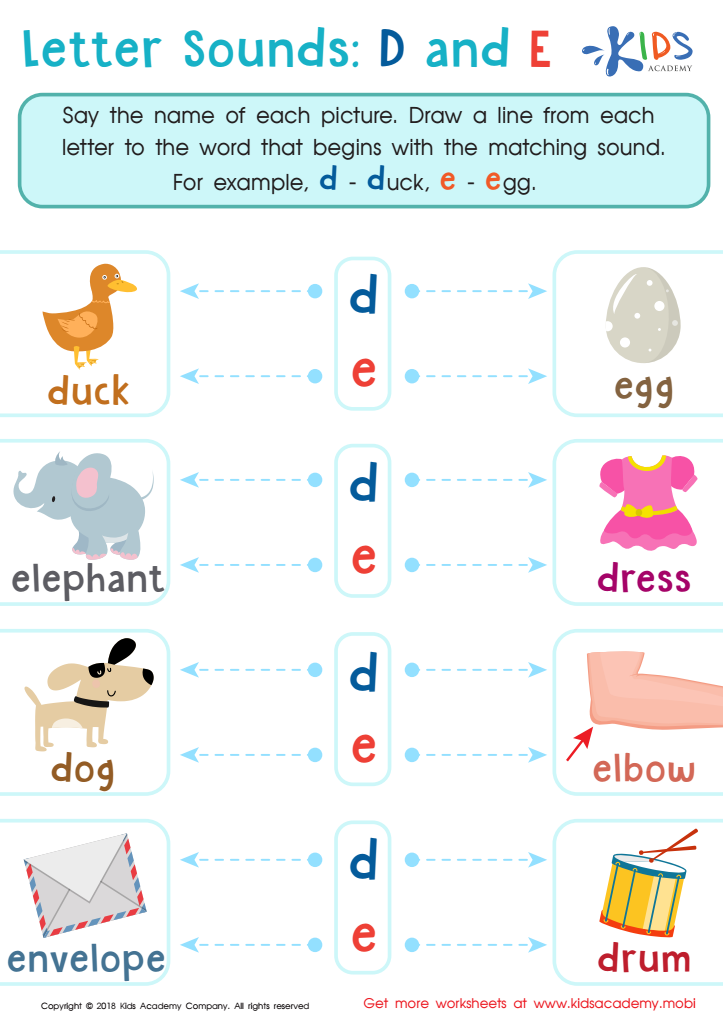
Letter D and E Sounds Worksheet
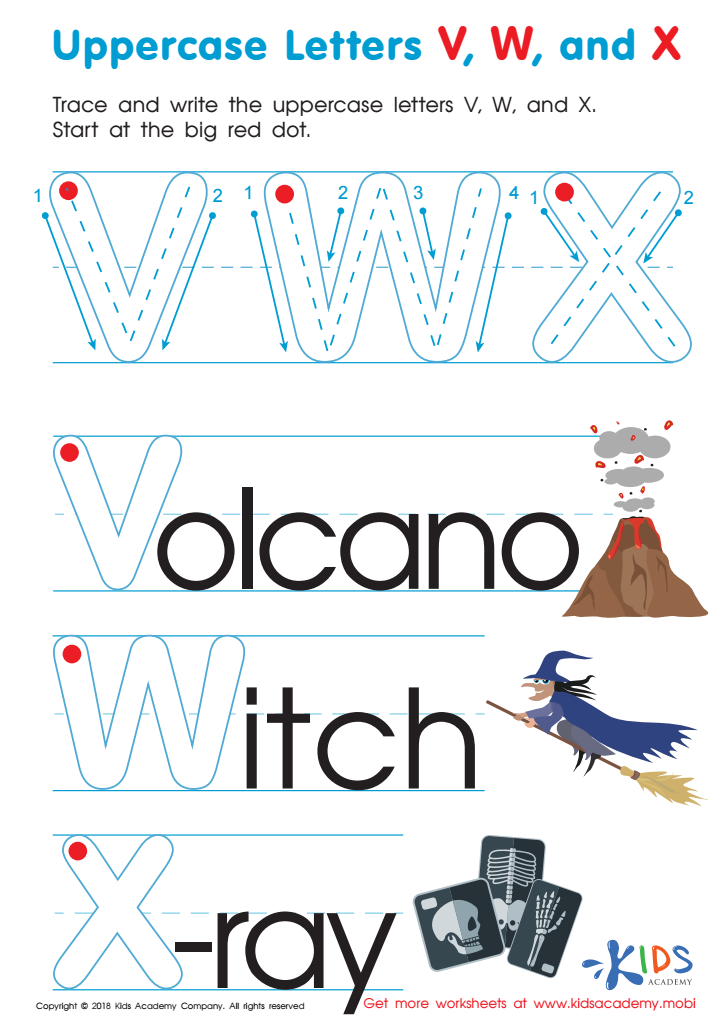
Uppercase Letters V, W, and X Worksheet







Handwriting practice, particularly for normal alphabet letters, is crucial for children aged 4-5 as it lays the foundation for effective communication and academic success. During this developmental stage, children refine their fine motor skills, which are essential for both handwriting and other everyday tasks. Practicing handwriting helps enhance hand-eye coordination and improves muscle control in their fingers, enabling them to write more fluidly and confidently as they grow.
Furthermore, handwriting practice promotes cognitive development. As children learn to form letters, they engage in critical thinking and problem-solving, interpreting phonetic sounds as they match them with their corresponding symbols. This foundational skill directly correlates with early literacy and reading skills, allowing children to form connections between letters, words, and sounds.
Additionally, the rhythmic nature of handwriting practice provides a calming routine that can be beneficial for emotional regulation. Parents and teachers play a pivotal role in creating an encouraging environment where children can explore and develop their handwriting abilities, fostering a love for learning. By prioritizing handwriting practice, adults help ensure children not only master an essential academic skill but also build self-esteem and a sense of achievement that can motivate them throughout their educational journey.







