Letter recognition Normal Phonics Worksheets for Ages 4-5
17 filtered results
-
From - To
Introducing our "Letter Recognition Normal Phonics Worksheets," specially designed for children ages 4-5! These engaging worksheets help young learners identify and familiarize themselves with letters and their sounds, laying a crucial foundation for reading skills. Each worksheet features fun, age-appropriate activities that encourage letter recognition through tracing, coloring, and matching exercises. With vibrant illustrations and interactive tasks, these phonics worksheets keep your little ones motivated while enhancing their literacy skills. Perfect for classroom use or at-home learning, our resources make mastering the alphabet enjoyable and effective. Empower your child’s education with our comprehensive and accessible letter recognition tools today!
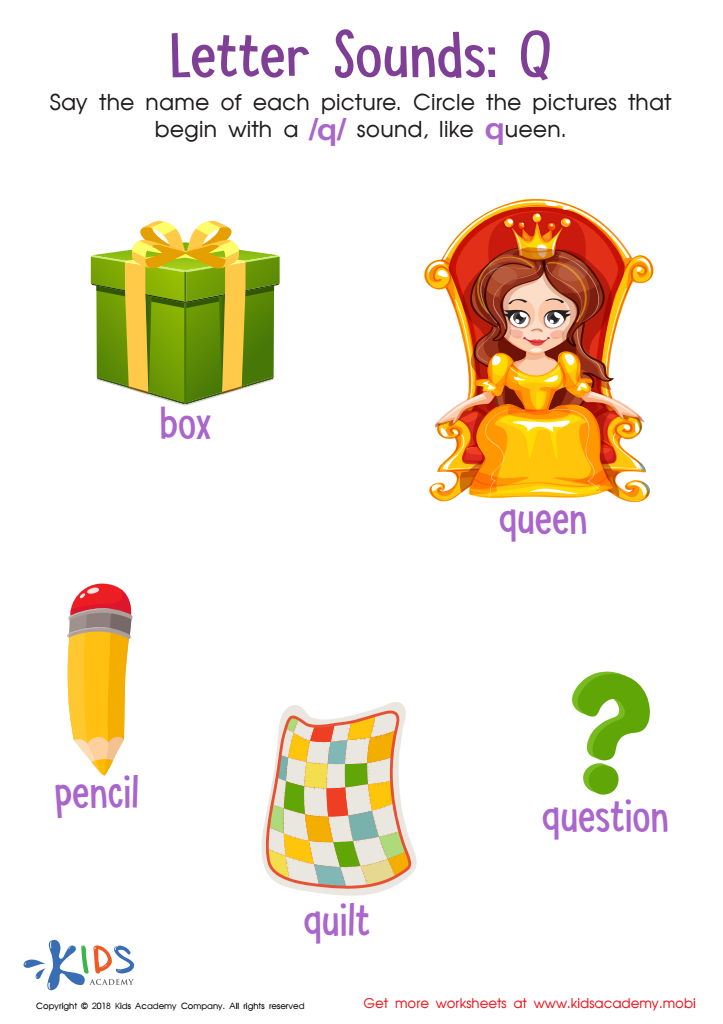
Letter Q Sounds Worksheet
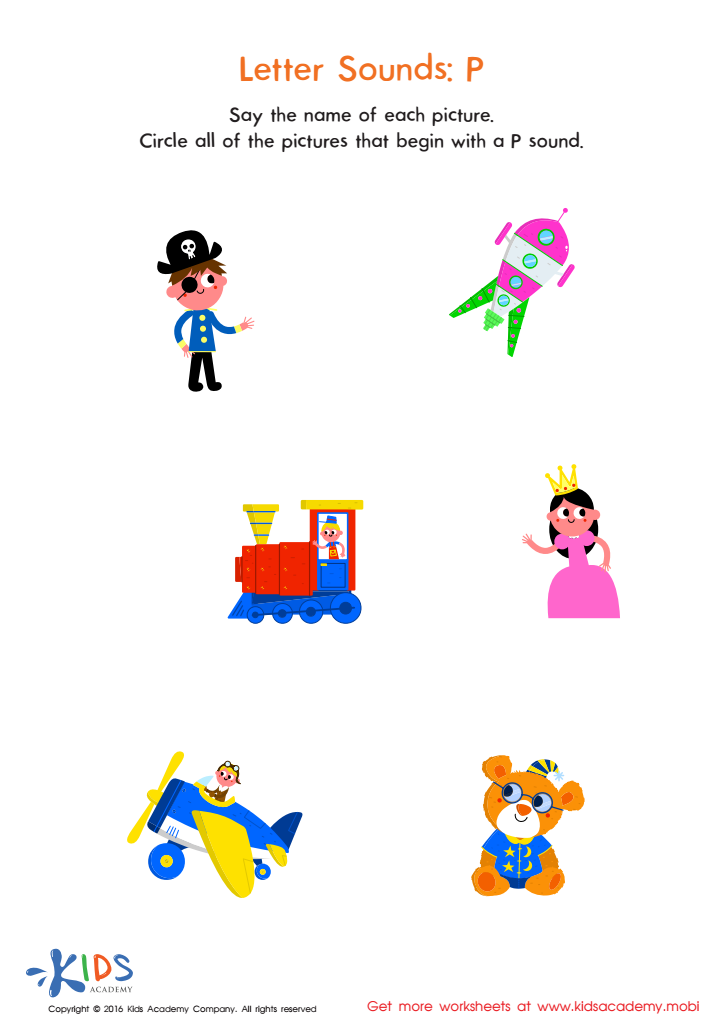
Letter P Sound Worksheet
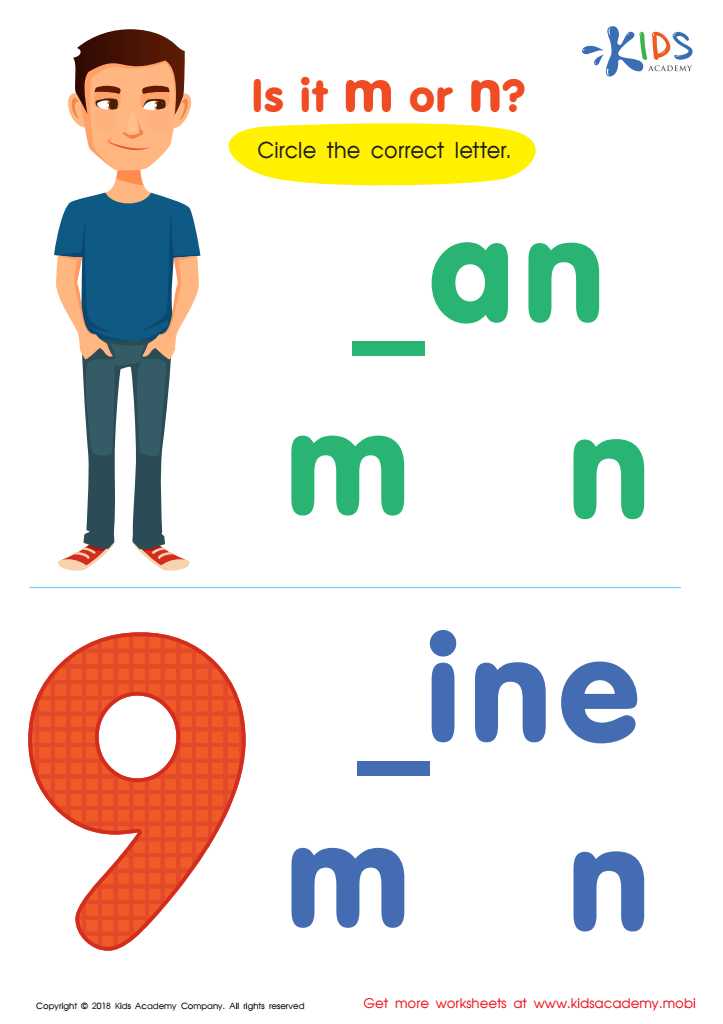
Is It m or n? Worksheet
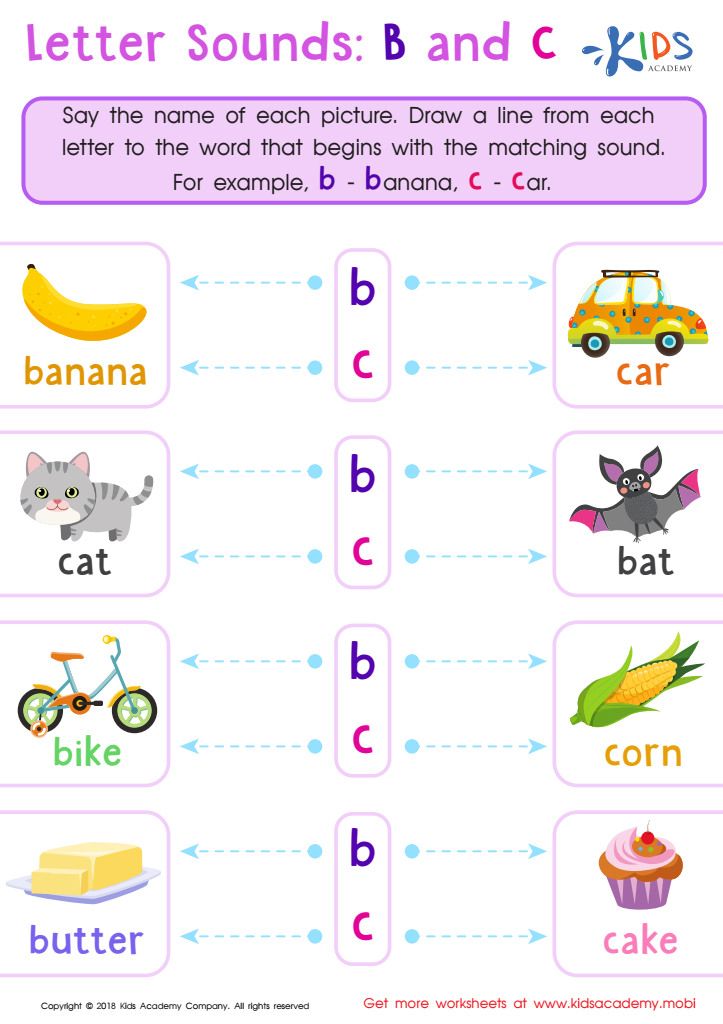
Letter B and C Sounds Worksheet
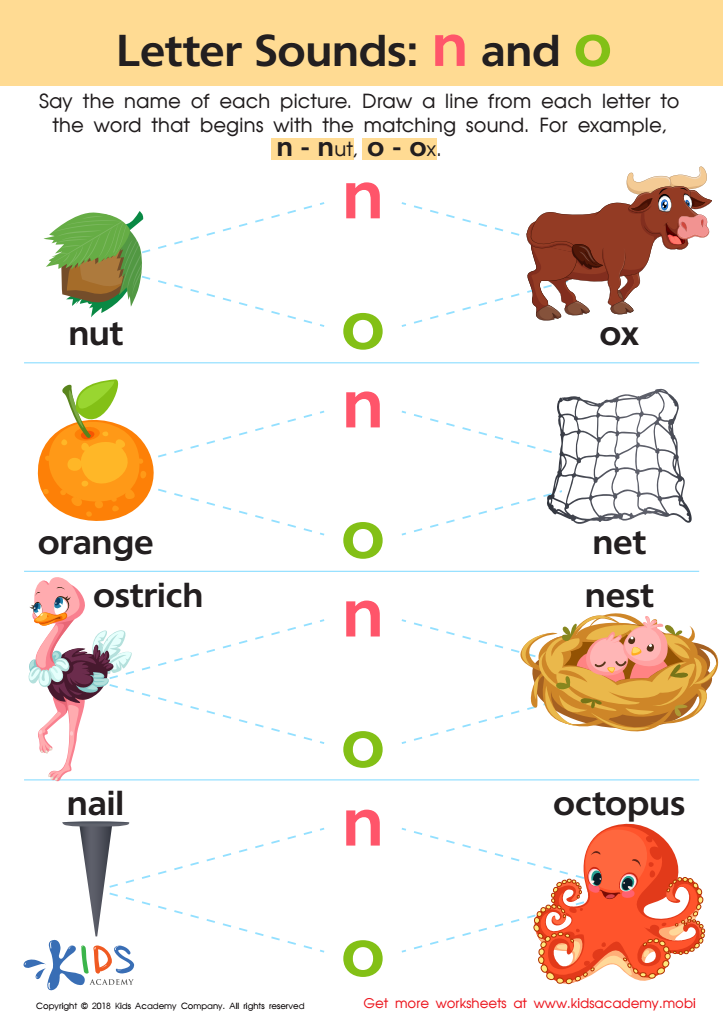
Letter N and O Sounds Worksheet
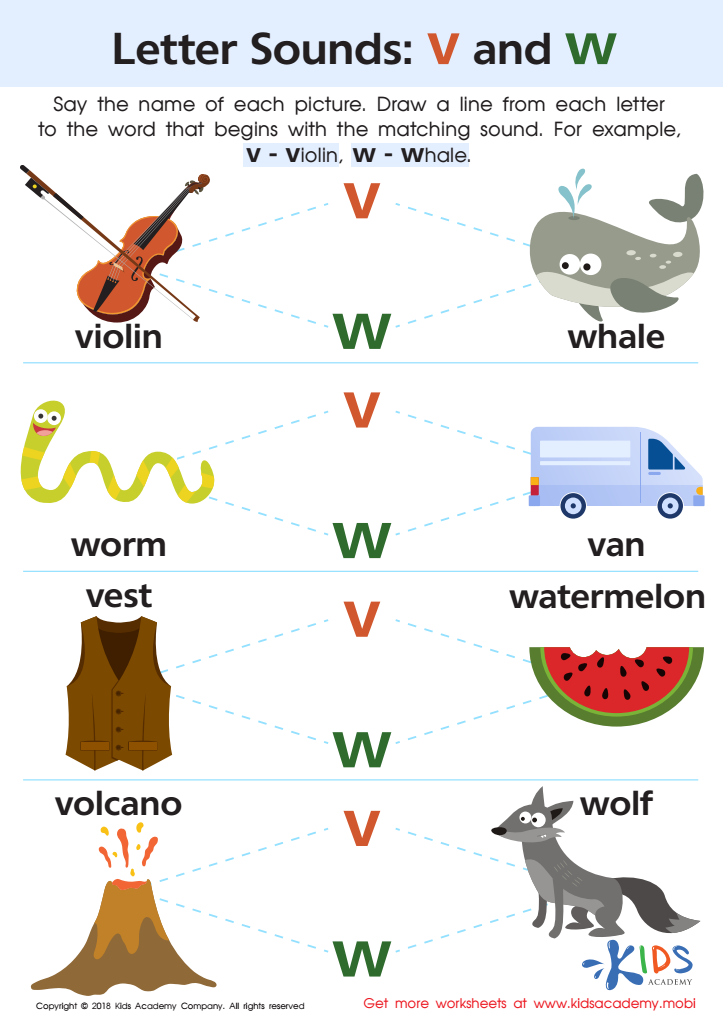
Letter V and W Sounds Worksheet
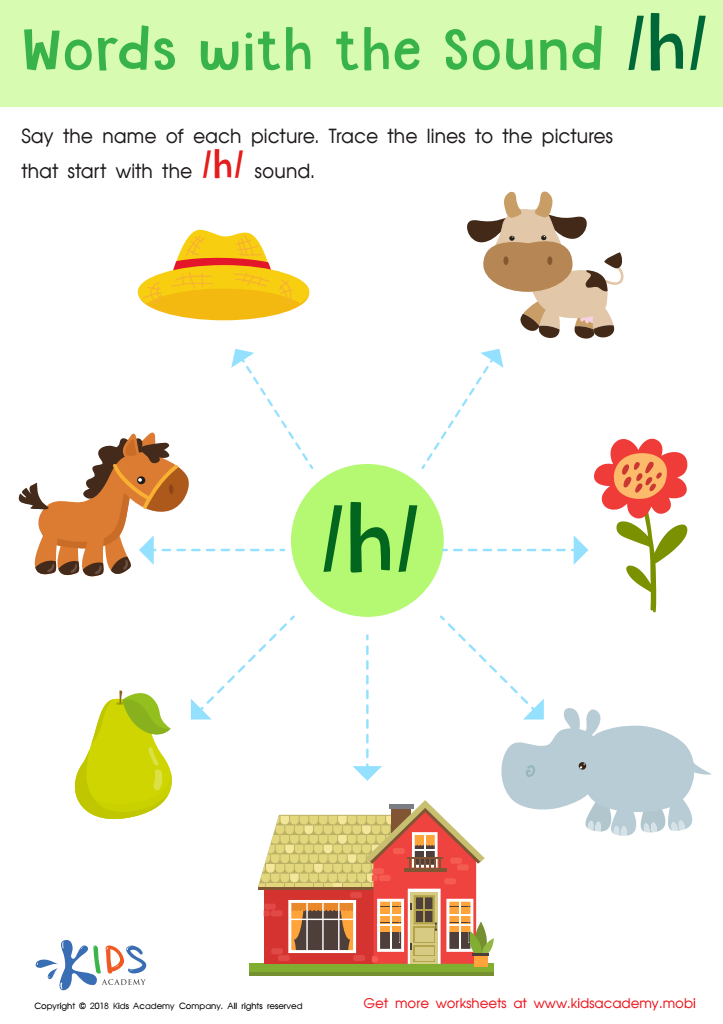
Words with sound h Reading Worksheet
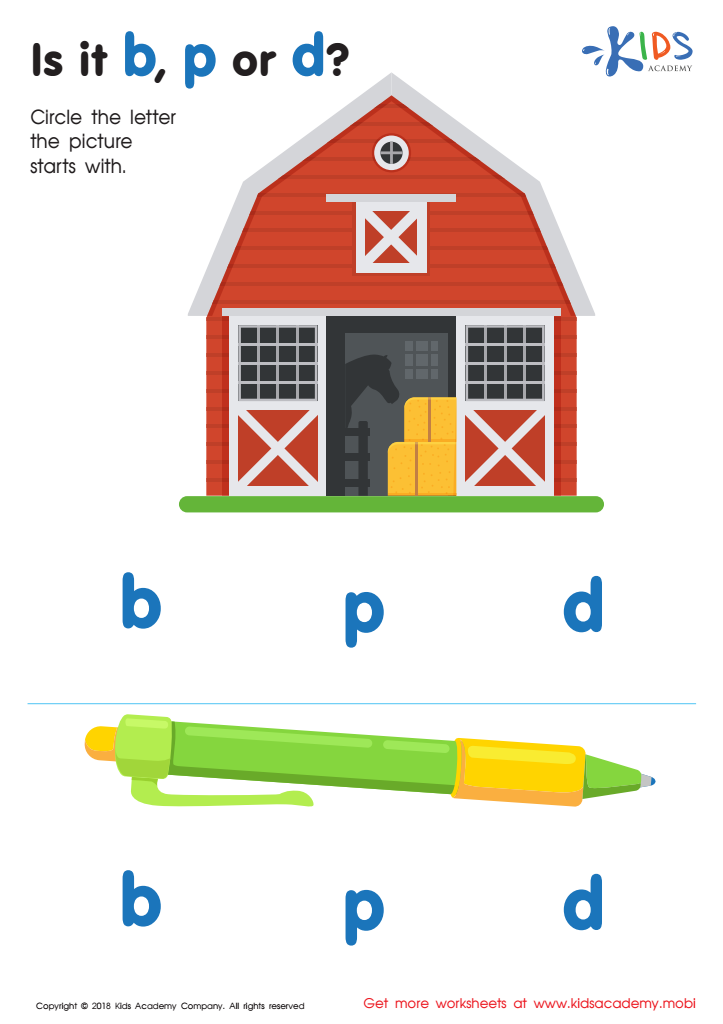
Is it b, p or d? Worksheet
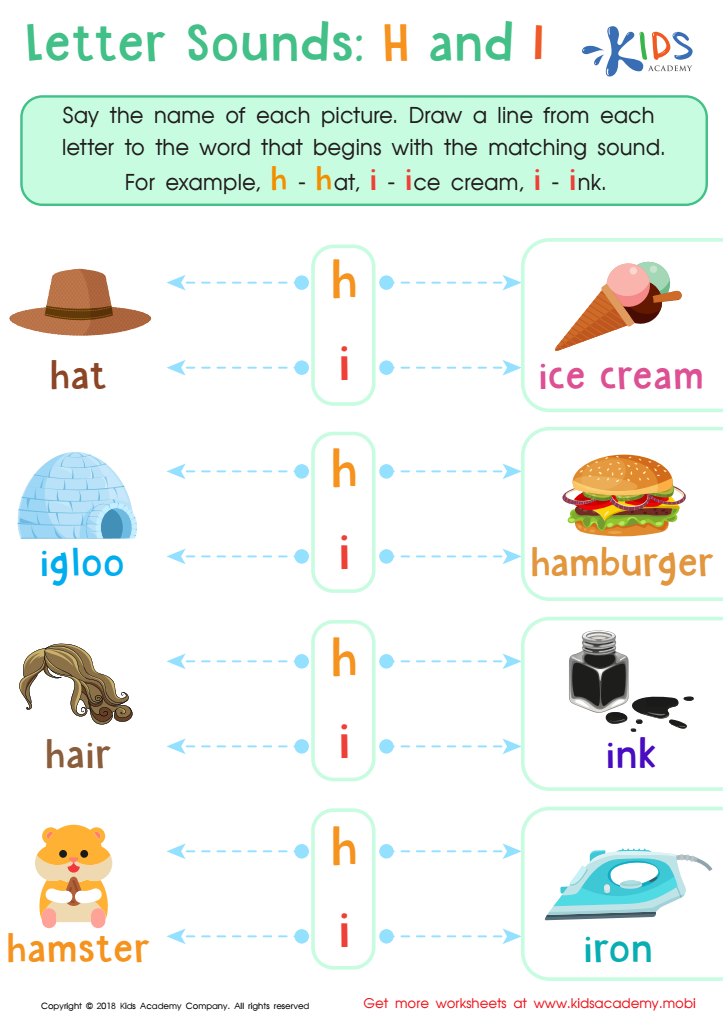
Letter H and I Sounds Worksheet
Long and Short U Worksheet
 Assign to My Students
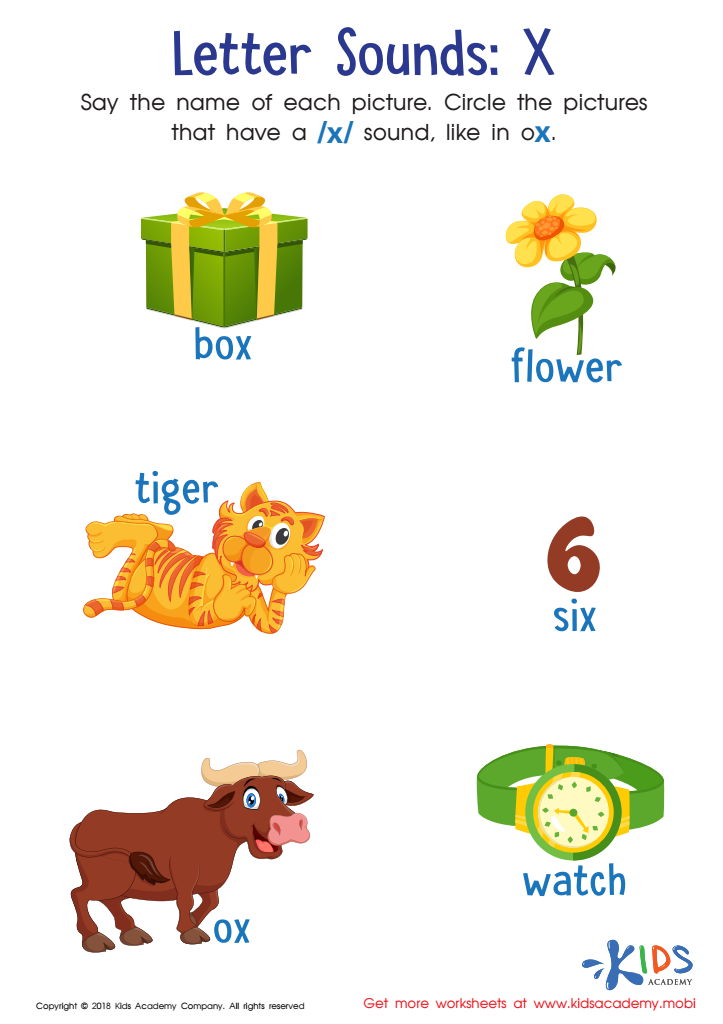
Letter X Sounds Worksheet
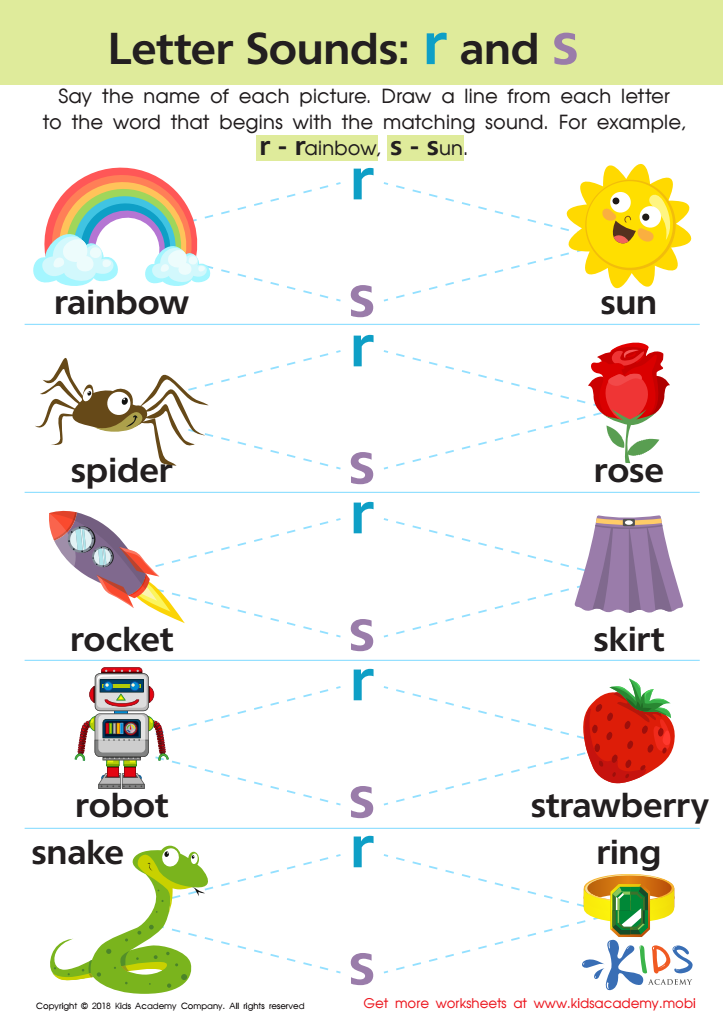
Letter R and S Sounds Worksheet
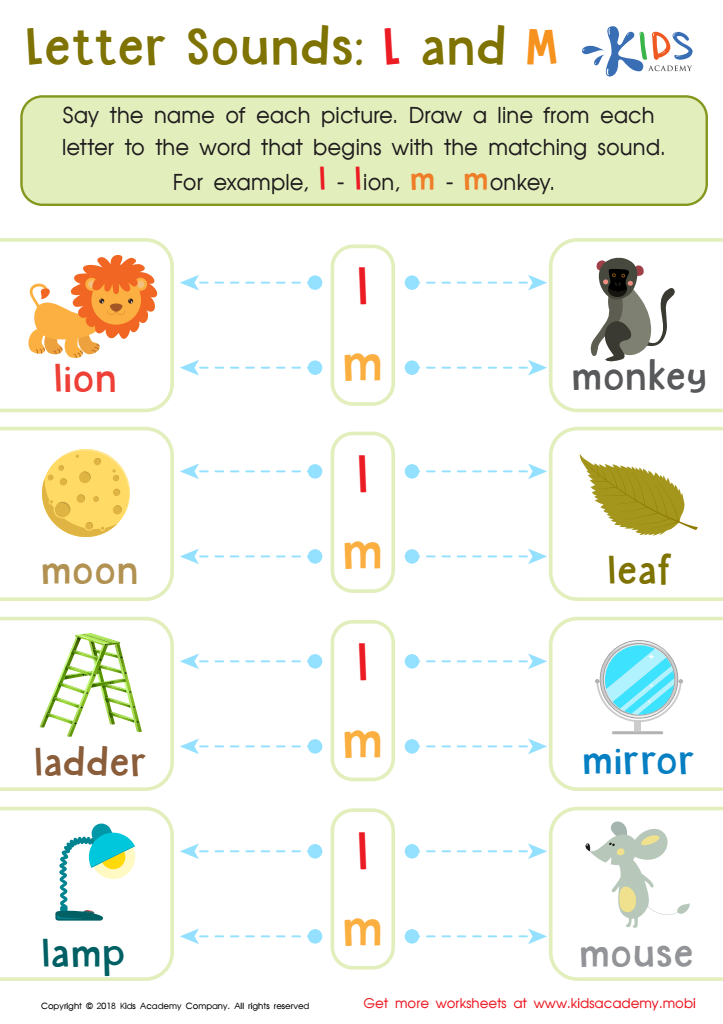
Letter l and M Sounds Worksheet

Long and Short E Worksheet
Assign to My Students
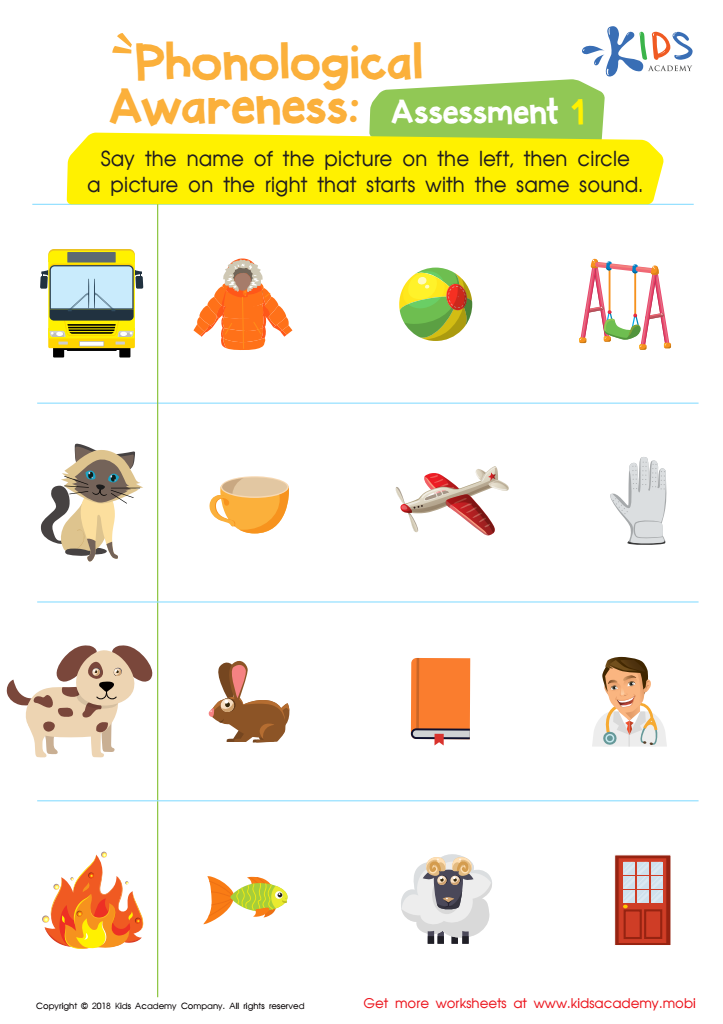
Phonological Awareness: Assessment 1 Worksheet
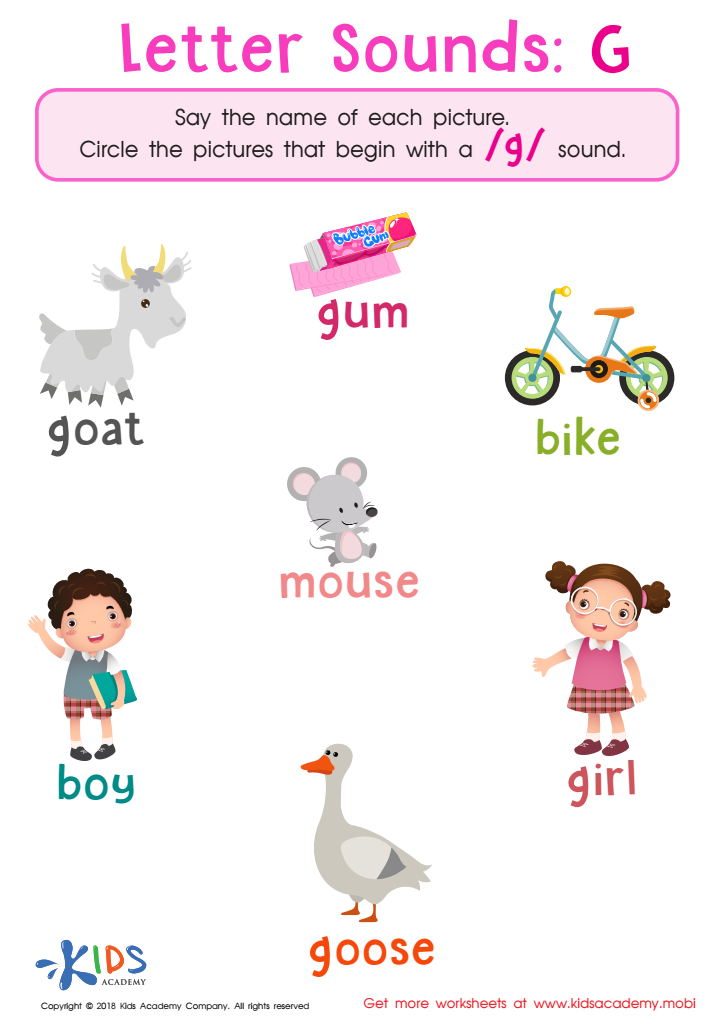
Letter G Sounds Worksheet
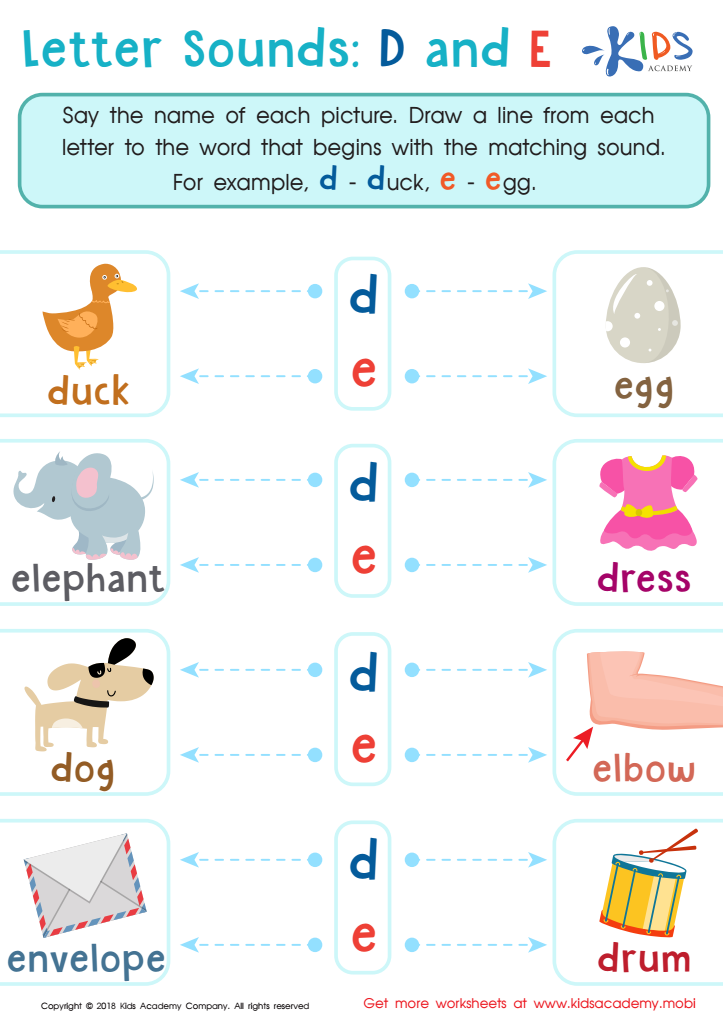
Letter D and E Sounds Worksheet








Letter recognition and phonics are fundamental components of early literacy that significantly impact a child's reading and writing abilities. For parents and teachers of children aged 4-5, understanding the importance of these skills is crucial. Letter recognition involves identifying and naming letters in various contexts, enabling children to build the foundational skills necessary for word formation. When children can recognize letters, they feel more confident as they transition into reading, which fosters a love for literature.
Normal phonics, which teaches the relationship between letters and their sounds, helps children decode words, making reading a more enjoyable and less daunting task. Early exposure to phonics allows children to start sounding out words independently, promoting autonomy in learning. Both letter recognition and phonics increase vocabulary development and comprehension skills, essential for success in later academic pursuits.
Moreover, these literacy skills lay the groundwork for effective communication, critical thinking, and overall cognitive development. By fostering an environment that prioritizes these skills, parents and teachers can provide children with the tools they need to become proficient readers, opening the door to lifelong learning and personal growth. Ultimately, engaging children in letter recognition and phonics at this age is an investment in their future educational achievements.







