
Animal identification Normal Worksheets for Ages 4-5
6 filtered results
Difficulty Level
Grade
Age
-
From - To
Subject
Activity
Standards
Discover our engaging Animal Identification Normal Worksheets designed for children aged 4-5! These charming worksheets help young learners recognize various animals while enhancing their observational and communication skills. Kids will enjoy vibrant illustrations and fun activities that combine learning with play. Each worksheet is tailored to encourage early literacy and critical thinking, making it a perfect addition to preschool curriculums or home learning environments. Whether identifying animals, matching, or coloring, your little ones will have a blast while developing essential cognitive skills. Help nurture your child's fascination with the animal kingdom and watch them grow with confidence and creativity!
Favorites
With answer key
Interactive
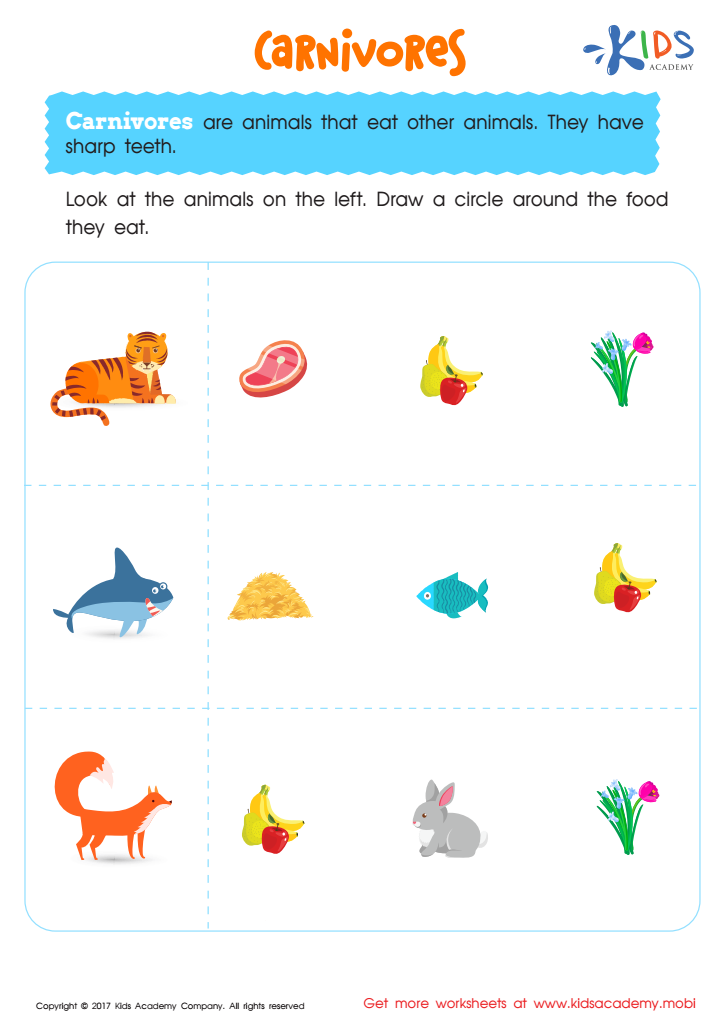
Carnivores Worksheet
Boost their vocabulary and help them explore the incredible world of carnivores.
Carnivores Worksheet
Worksheet
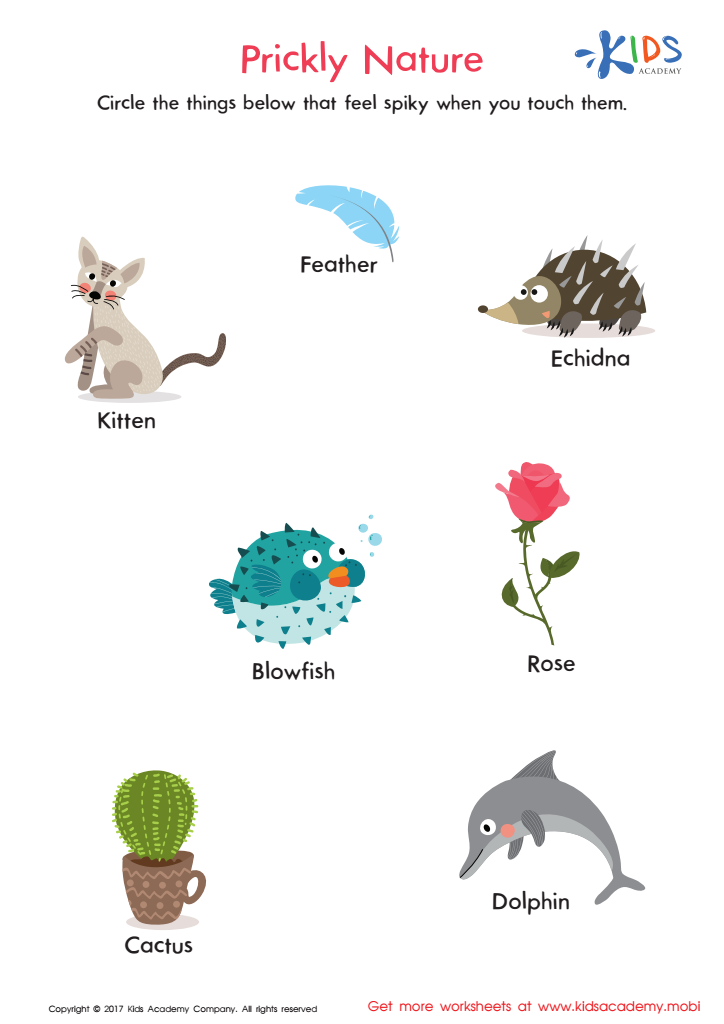
Prickly Nature Worksheet
Help your child stay safe and enhance critical thinking skills with this prickly nature worksheet. It can help them recognize spiky objects in their environment by teaching them to differentiate between prickly and soft textures. Plus, your kid will learn how to admire and avoid them. Get started today!
Prickly Nature Worksheet
Worksheet
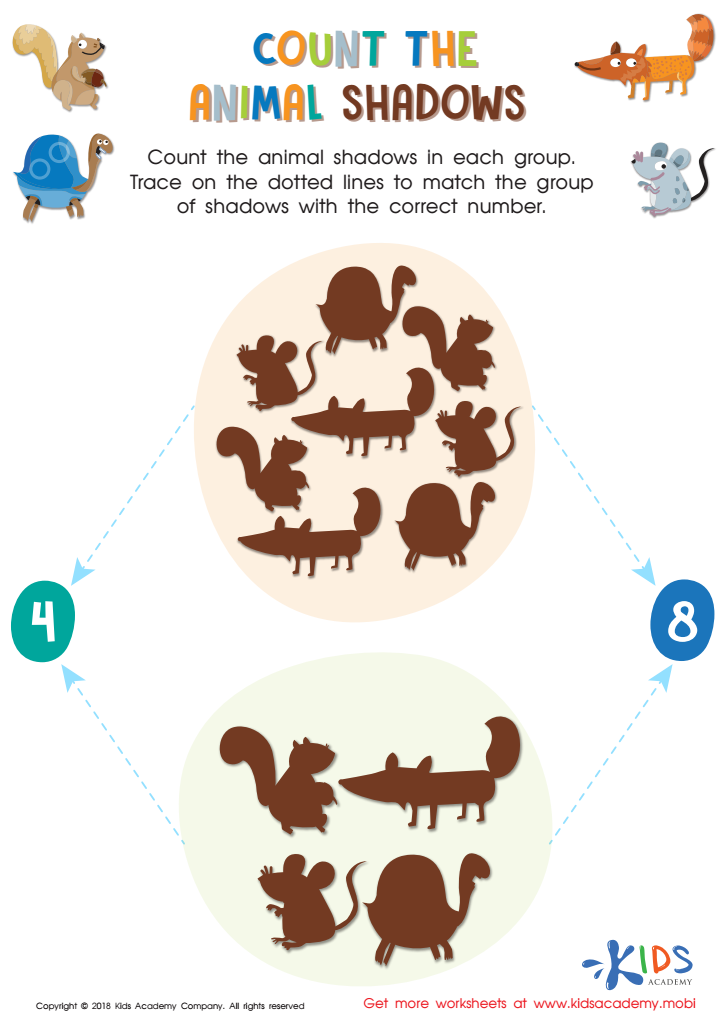
Count the Animal Shadows Worksheet
Our shadows accompany us wherever we go. Even your kids have seen theirs! Did they know that animals have shadows too? Count the animal shadows in each group with this worksheet. Ask your child to identify the animals pictured, then help them trace the dotted lines to match with the right number.
Count the Animal Shadows Worksheet
Worksheet
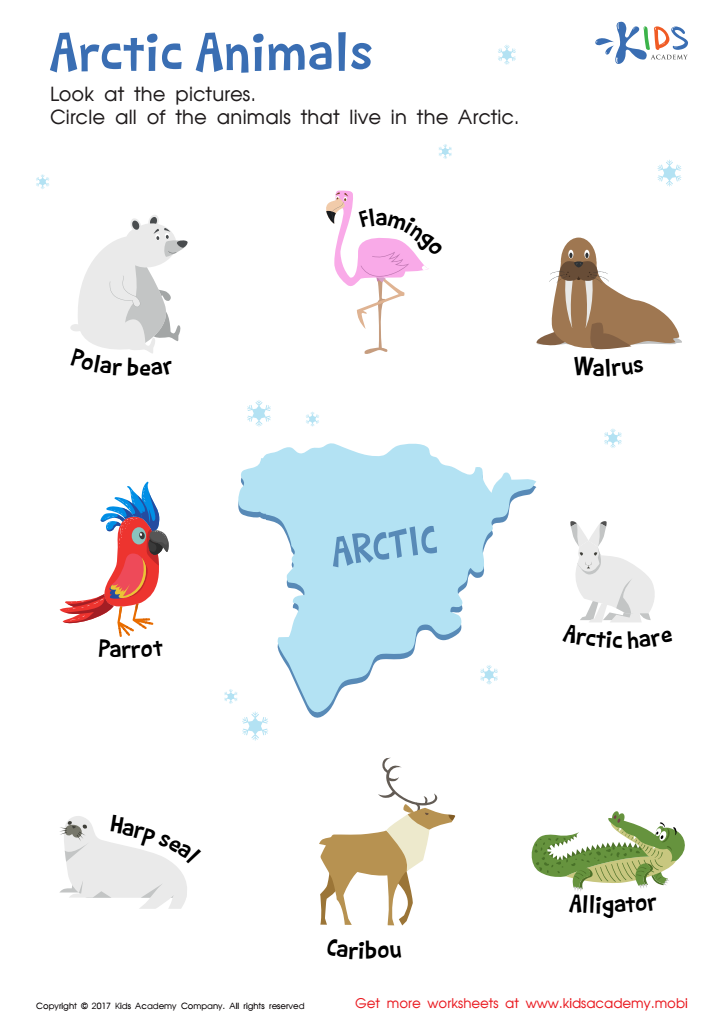
Arctic Animals Worksheet
Kids love animals and this worksheet is a great way to teach them where they live. It reinforces classification skills and introduces new animals, like the Arctic hare. Use it to discuss the Arctic climate and how these animals live, then ask your child where other animals live to keep the conversation going.
Arctic Animals Worksheet
Worksheet
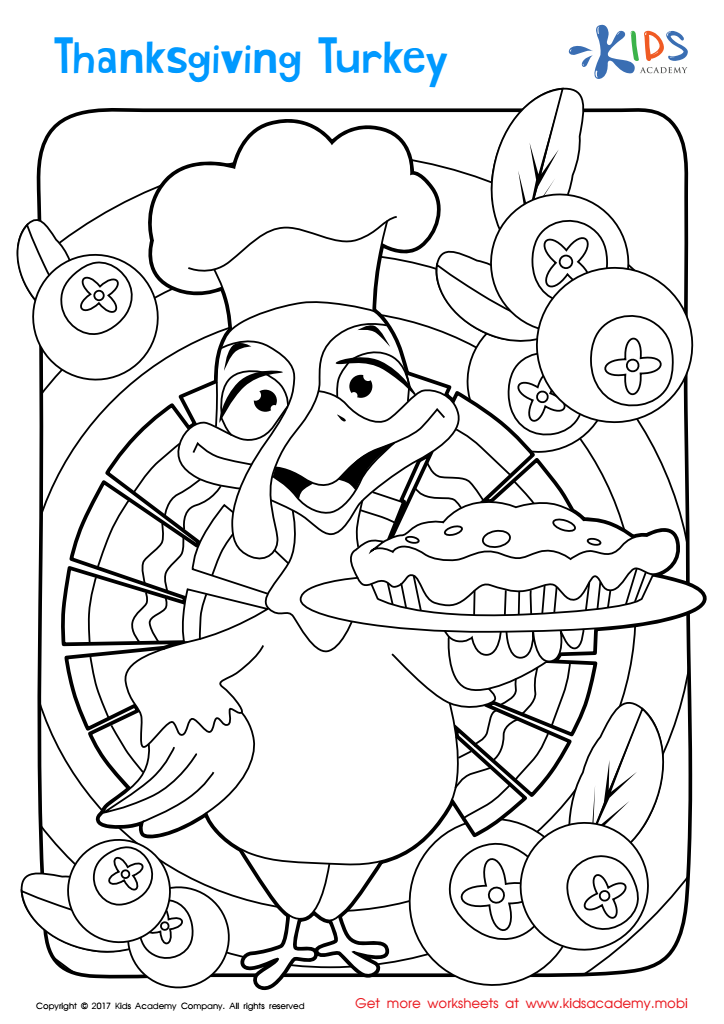
Turkey Thanksgiving Day Worksheet
Keep them occupied with a turkey-themed coloring page. Give them the opportunity to show off their creativity with colors related to the season. Make the car ride more enjoyable by letting them color as you travel. Let their imaginations soar!
Download (PDF)
 Assign to My Students
Assign to My Students
Turkey Thanksgiving Day Worksheet
Worksheet
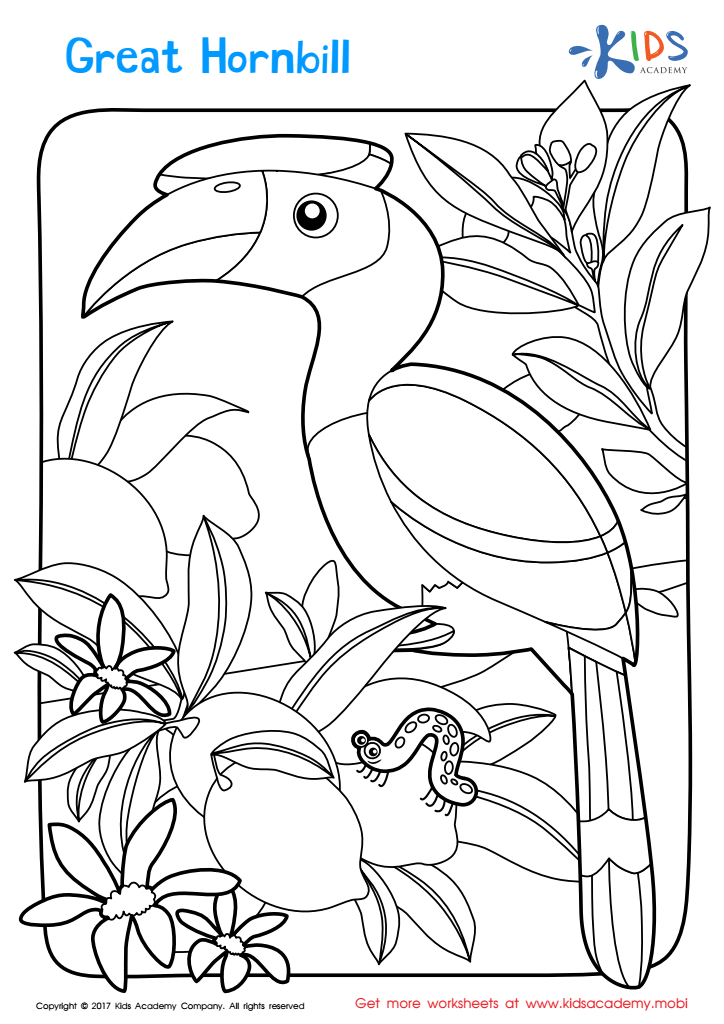
Great Hornbill Worksheet
Expand your child's knowledge with our exotic animal printable: the great hornbill coloring page. It’s a fun and easy way to explore this beautiful bird's stunning array of colors without leaving home. Look up pics online to get a better understanding of this incredible creature.
Download (PDF)
Assign to My Students
Assign to My Students
Great Hornbill Worksheet
Worksheet
Join Kids Academy for Free
Who is primarily going to use this learning content?






Animal identification is crucial for young learners aged 4-5 for several reasons. First, understanding different animals enhances children's cognitive development. As they learn to recognize and identify various species, they engage with key concepts such as classification and differences in habitats, diets, and behaviors.
Moreover, knowledge of animal identification fosters curiosity and compassion for living creatures. Children begins to appreciate the diversity of life, which can instill values of respect and responsibility towards animals and the environment. By knowing how to distinguish between pets, farm animals, and wild animals, they gain awareness of their roles in the ecosystem.
Also, animal identification can aid in developing language skills. When children learn the names and characteristics of animals, they expand their vocabulary and better express their thoughts and feelings. Activities like storytelling and games centered around animals can further enhance communication skills.
Lastly, reinforcing this knowledge encourages teamwork and social interaction as they share discoveries with peers, creating memorable learning experiences that build friendships. For parents and teachers, prioritizing animal identification enriches early learning, laying a foundation for scientific literacy, empathy, and language development in these impressionable years.








