Color recognition Normal Worksheets for Ages 4-5 - Page 2
31 filtered results
-
From - To
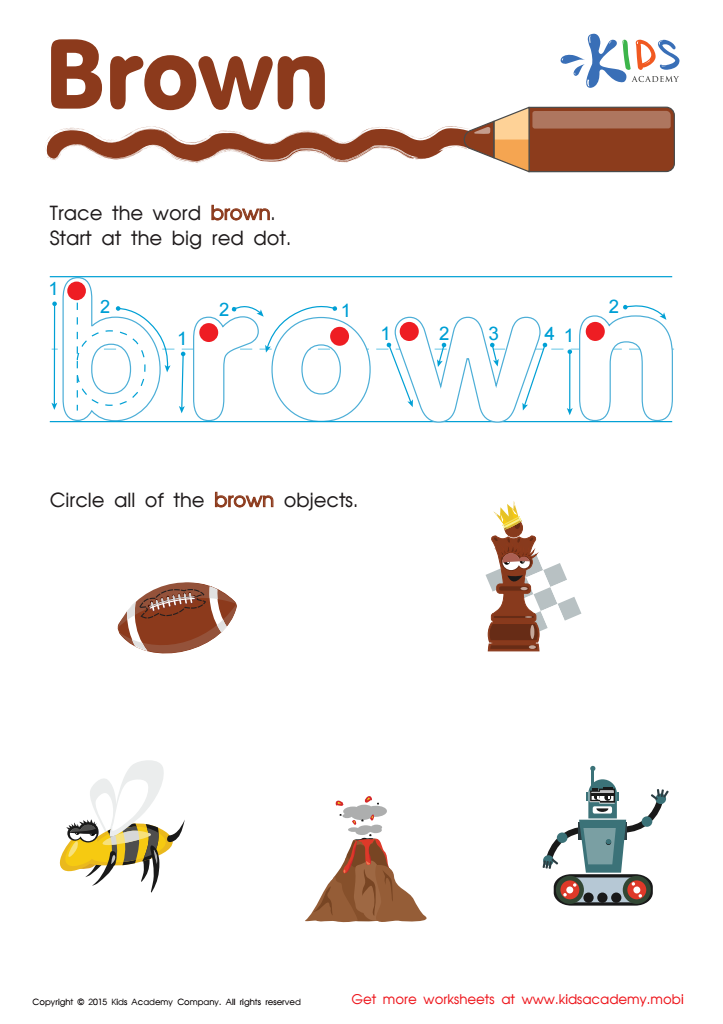
Brown Tracing Color Words Worksheet
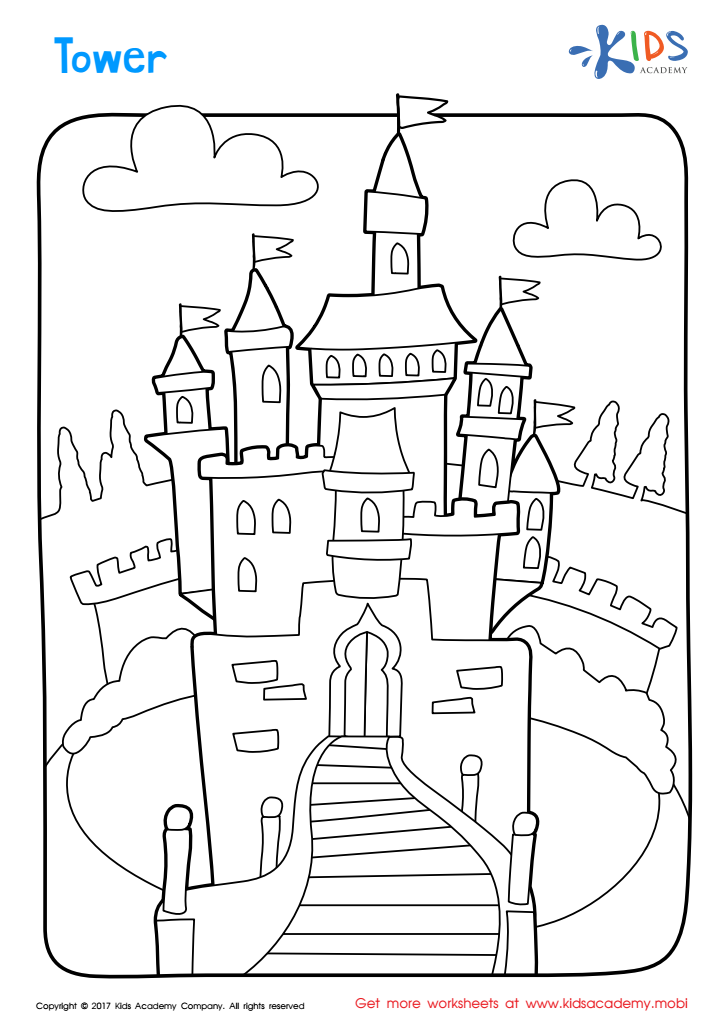
Tower Coloring Page
 Assign to My Students
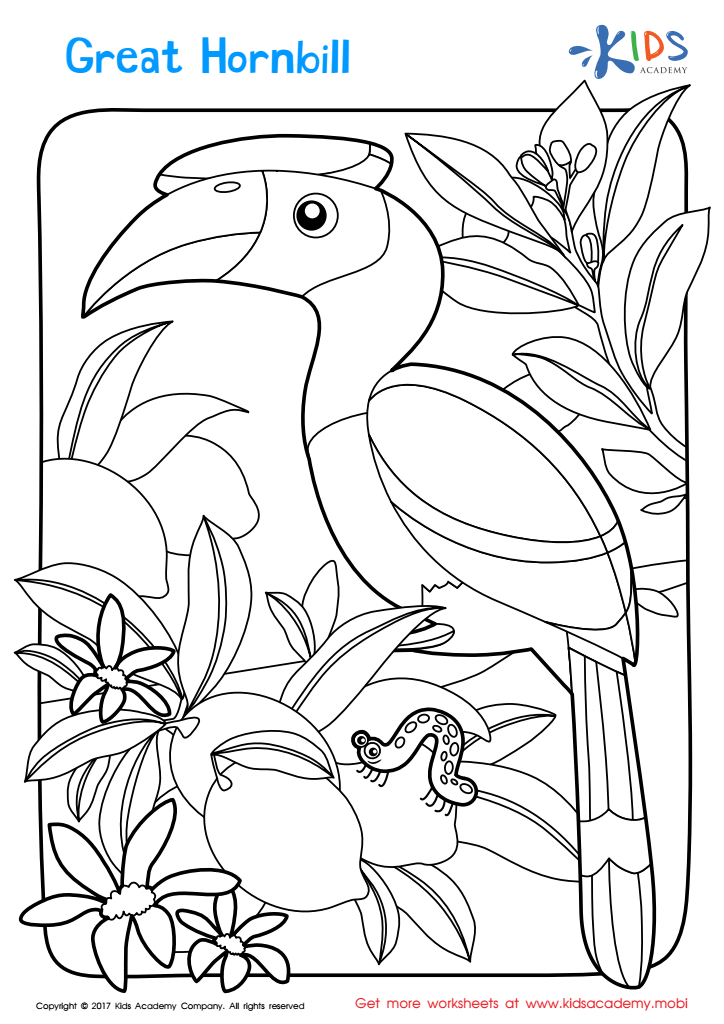
Great Hornbill Worksheet
Assign to My Students
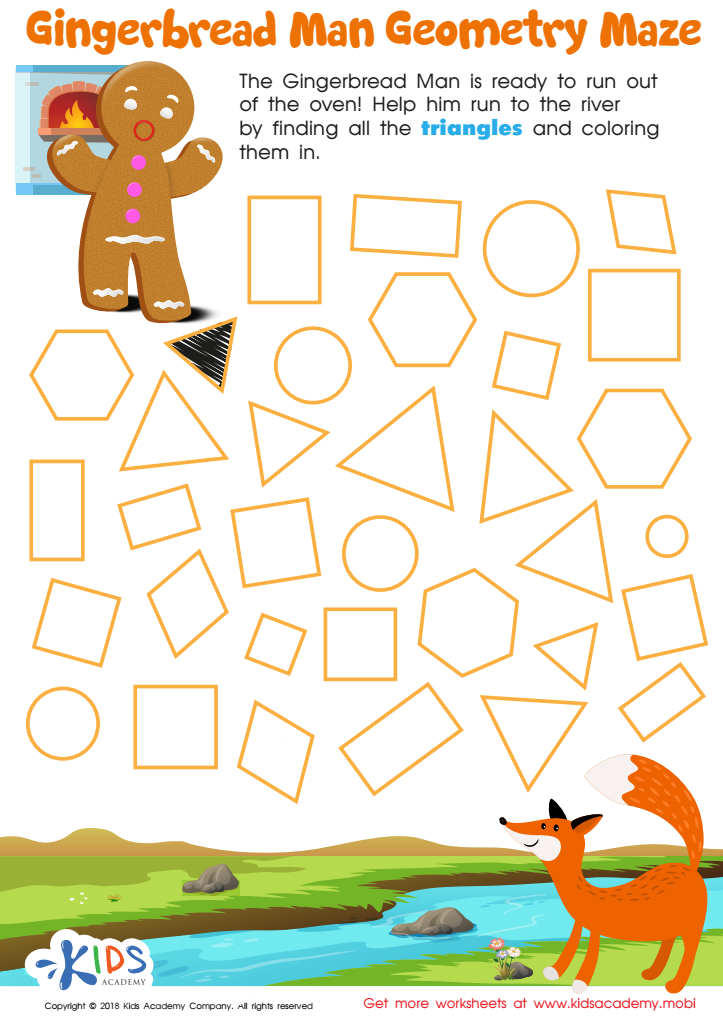
Gingerbread Man Geometry Maze Worksheet

Astronaut Coloring Page
Assign to My Students
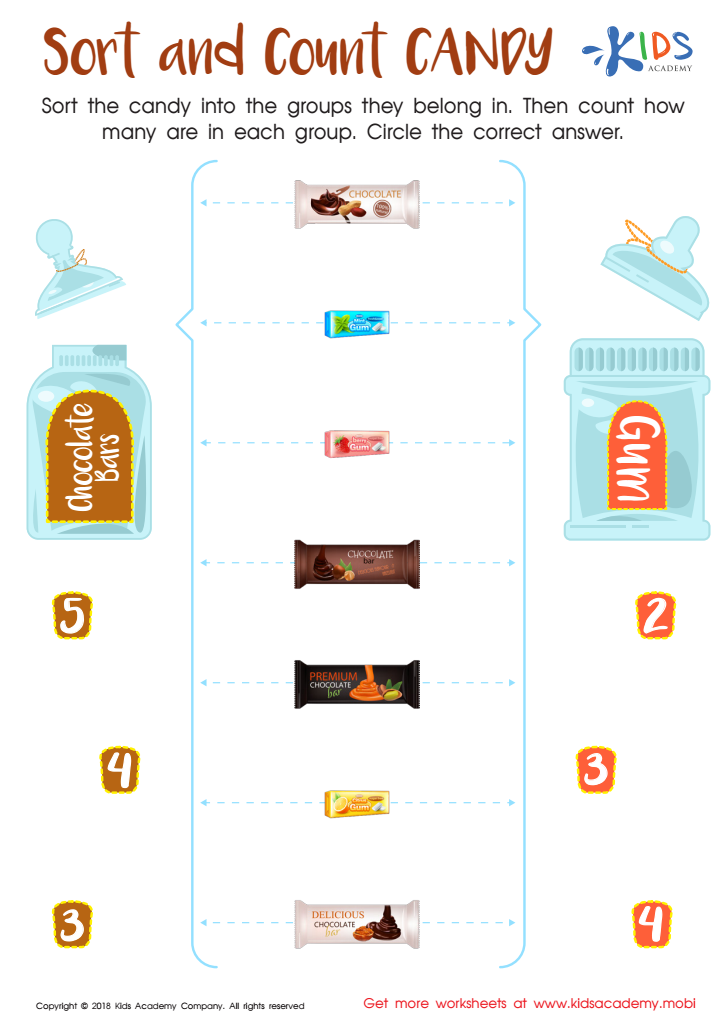
Sort and Count Candy Worksheet
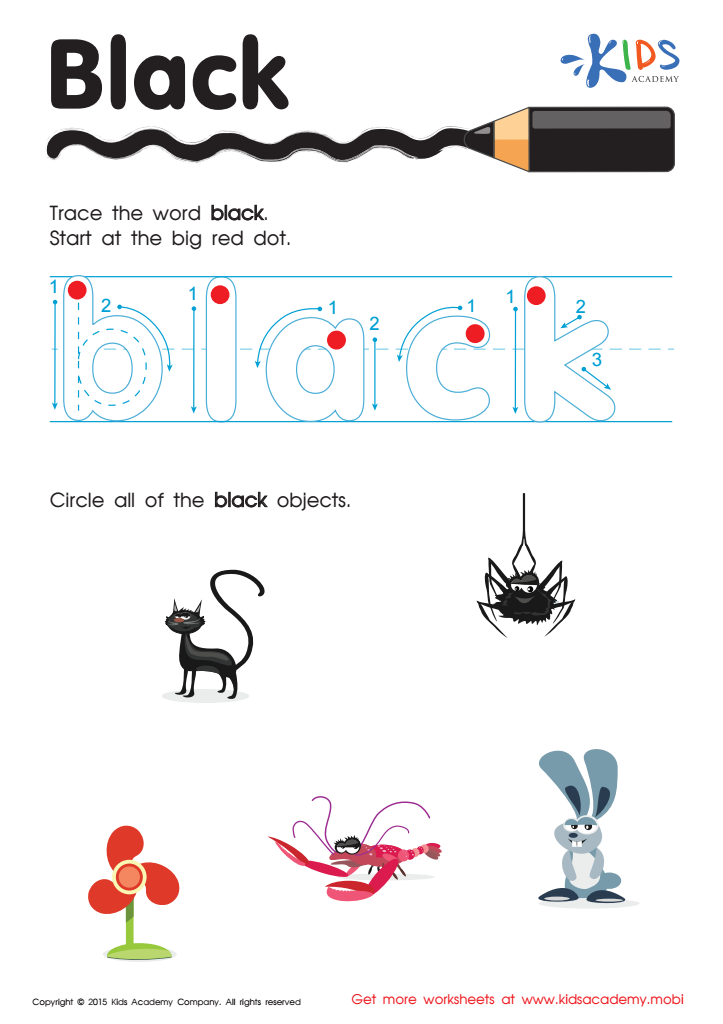
Black Tracing Color Words Printable








Color recognition for ages 4-5 is critical as it plays a fundamental role in early childhood development and sets a strong foundation for future learning. For one, identifying colors enhances cognitive skills. When children distinguish and name colors, they engage in a form of problem-solving and learn to categorize information, benefiting overall intellectual development.
Socially and emotionally, color knowledge helps children navigate their environment and express themselves. Imagine a child using colors to convey feelings in their drawings; this articulation deepens emotional intelligence and communication prowess.
Moreover, early color recognition is a precursor to advanced math and literacy skills. Sorting and organizing objects by color paves the way for understanding patterns and geometry. These activities could translate into understanding math concepts like grouping and sequencing.
From a motor skills perspective, exercises in color recognition, such as coloring within the lines, commendably refine fine motor skills, improving hand-eye coordination and preparedness for writing.
Finally, it's a practical life skill. Whether learning traffic light signals or understanding coded instructions in classrooms, recognizing colors ensures a child navigates the world more confidently and safely. Given its myriad benefits, investing time and resources into this area is a key responsibility for both parents and educators.








