Critical thinking skills Normal Worksheets for Ages 4-5
5 filtered results
-
From - To
Enhance your child's critical thinking skills with our engaging Normal Worksheets designed for ages 4-5. Our resources provide fun, interactive activities that stimulate young minds and encourage problem-solving abilities. Children will enjoy puzzles, matching games, and thought-provoking questions that foster curiosity and logic. By engaging in these activities, kids will not only sharpen their critical thinking skills but also develop confidence in their ability to tackle challenges. Perfect for home or classroom use, our worksheets make learning enjoyable and effective. Start nurturing the next generation of critical thinkers today with our thoughtfully crafted worksheets!
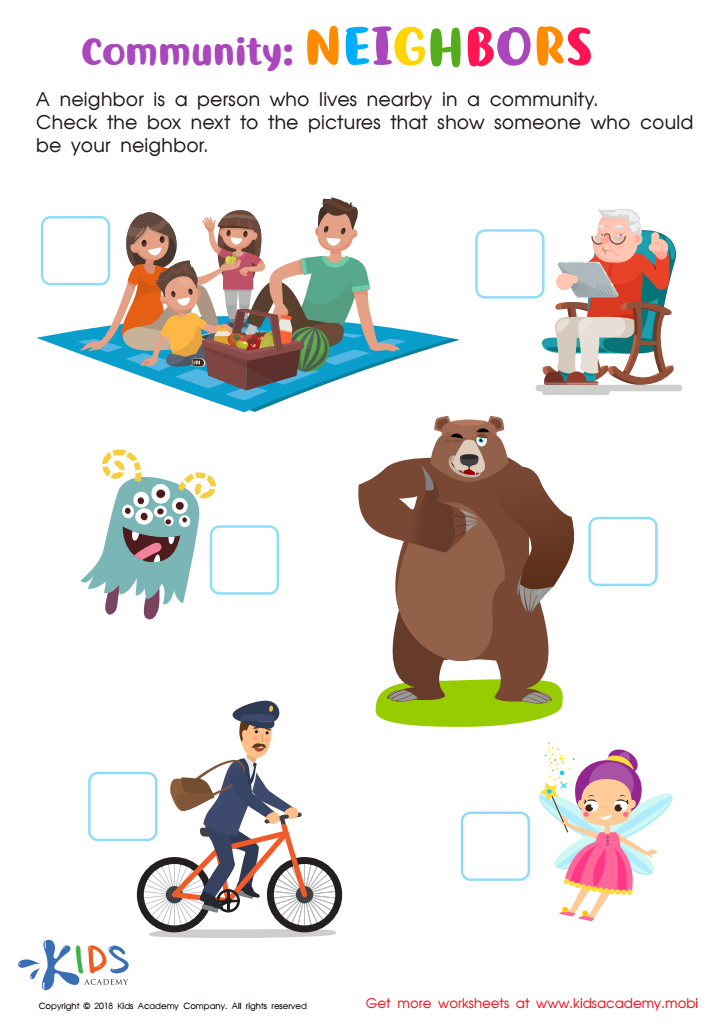
Community: Neighbors Worksheet
 Assign to My Students
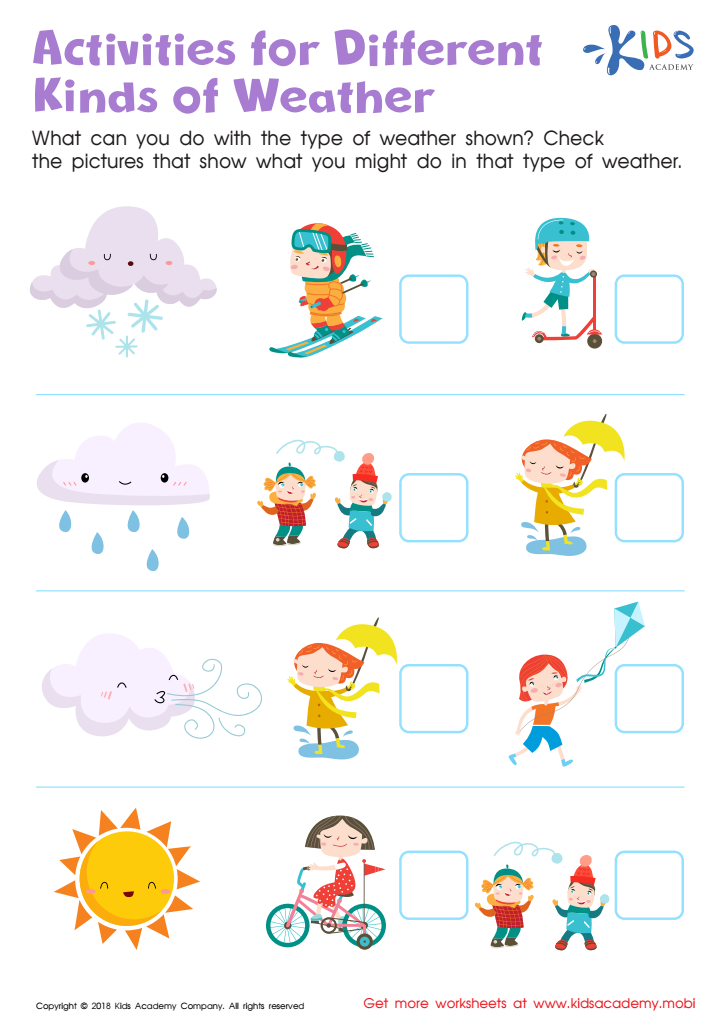
Activities for Different Kinds of Weather Worksheet
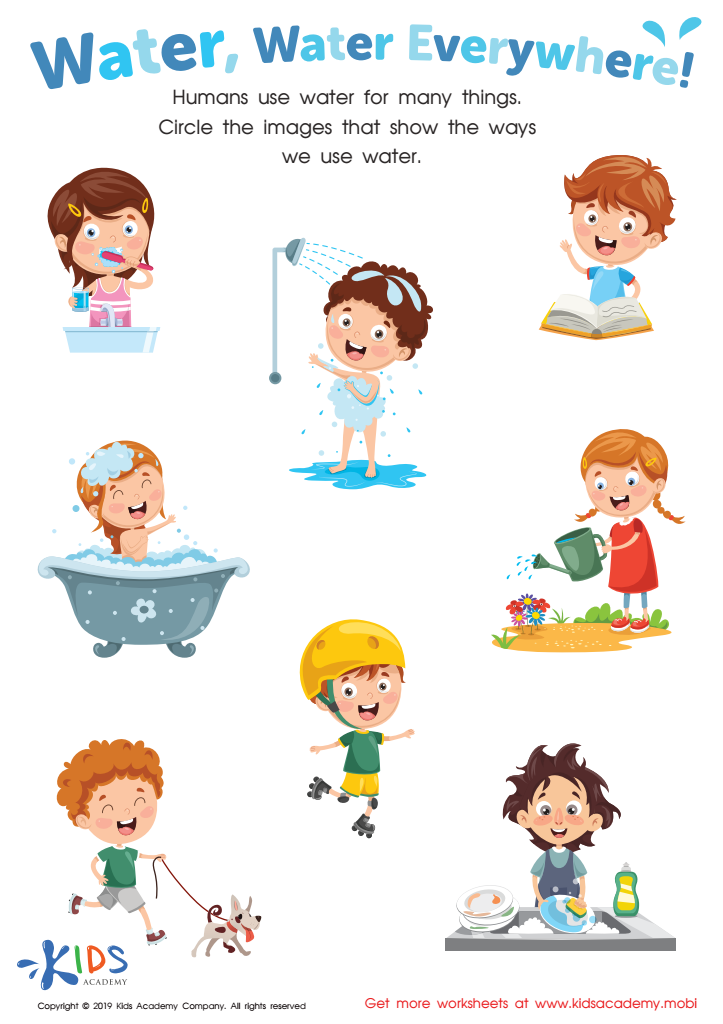
Water, Water Everywhere! Worksheet
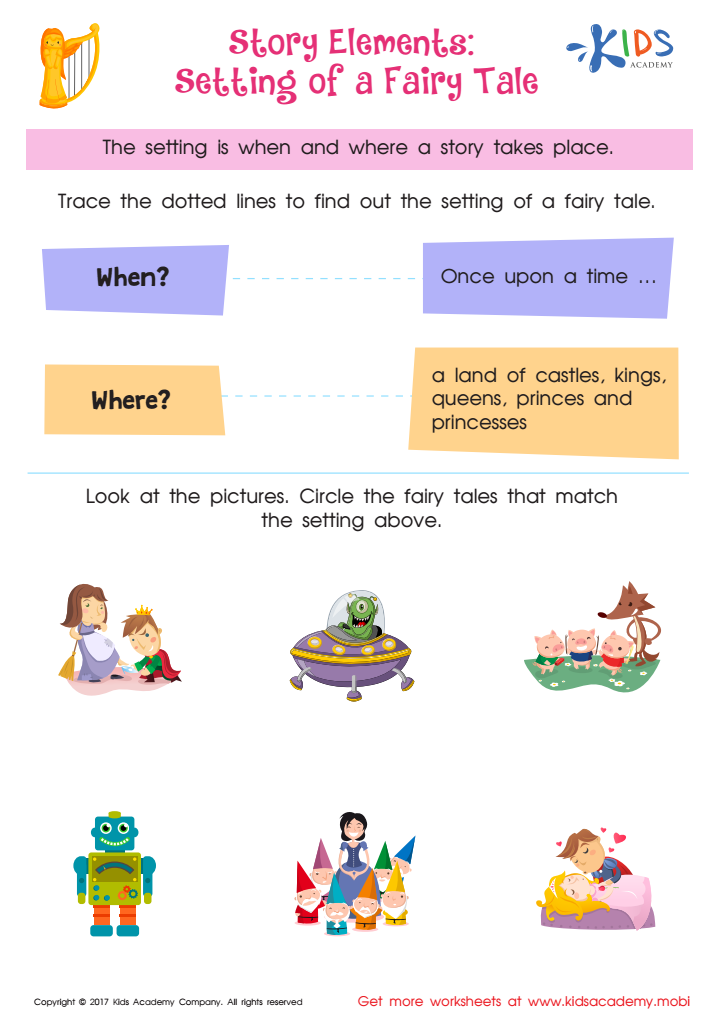
Story Elements: Setting of a Fairy Tale Printable
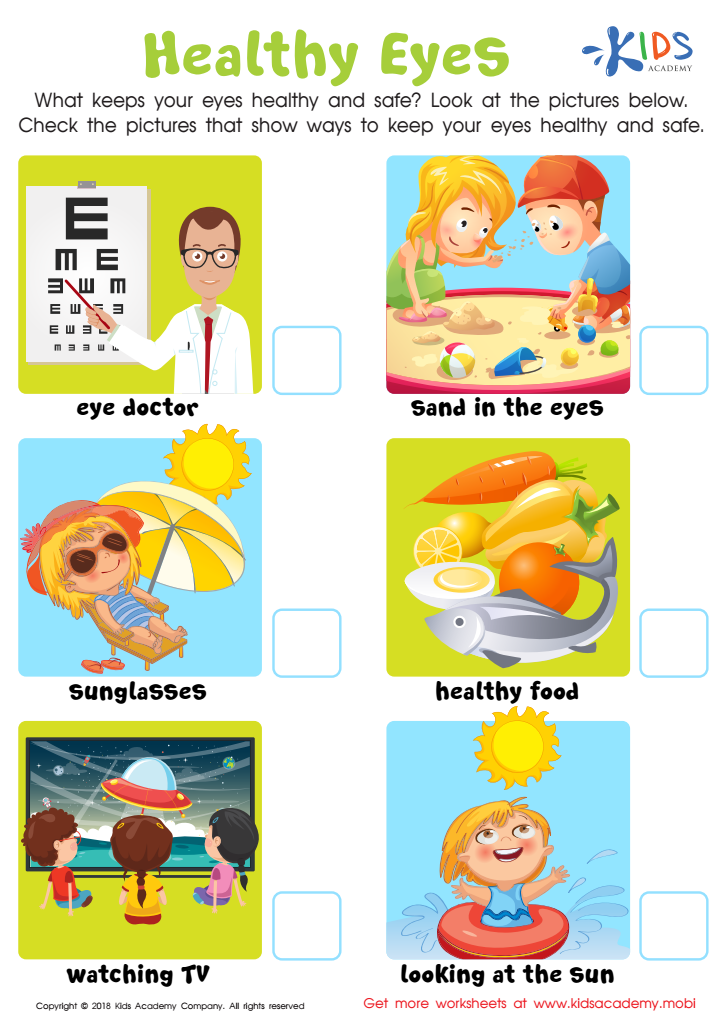
Healthy Eyes Worksheet








Critical thinking skills are essential for children ages 4-5 as they lay the groundwork for lifelong learning and problem-solving. At this young age, children naturally ask questions and seek to understand the world around them. By nurturing their critical thinking abilities, parents and teachers can help them develop curiosity, creativity, and confidence in their reasoning skills.
Learning to think critically encourages children to analyze situations, evaluate information, and make informed decisions. For example, when children engage in play, they frequently encounter challenges that require them to think through solutions. Guiding them through such scenarios helps cultivate cognitive flexibility—the ability to adapt their thinking in response to new information.
Critical thinking also fosters social-emotional growth, allowing children to articulate their thoughts, listen to others, and resolve conflicts constructively. As they learn to express their ideas logically, they build communication skills that are crucial for healthy relationships.
Ultimately, equipping young learners with critical thinking skills sets the stage for academic success and prepares them for a rapidly changing world, where the ability to analyze information and think independently is more important than ever. Parents and teachers play an invaluable role in guiding this developmental process.








