
Cultural awareness Normal Worksheets for Ages 4-5
6 filtered results
Difficulty Level
Grade
Age
-
From - To
Subject
Activity
Standards
Explore a world of diversity with our "Cultural Awareness Normal Worksheets for Ages 4-5". These engaging printables are designed to introduce young learners to varied cultures through fun activities. Kids will develop an appreciation for different traditions, languages, and customs, enhancing their global awareness and empathy. Perfect for early learners, these worksheets promote curiosity and understanding, fostering a respect for multiculturalism. Help your child discover and embrace the richness of our world's cultures with hands-on lessons that are both educational and enjoyable. Build a foundation of compassion and inclusivity today!
Favorites
With answer key
Interactive
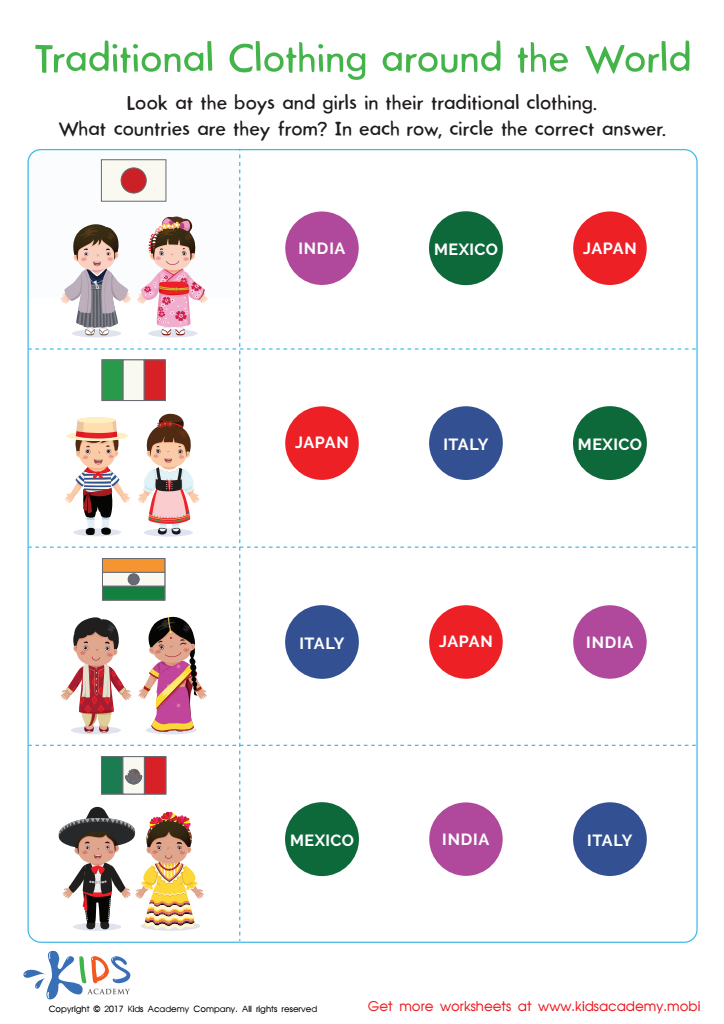
Traditional Clothing Worksheet
Introduce your child to cultures around the world with this illustrated traditional clothing printable worksheet! It will help them to recognize clothing, national flags and cultures from different countries, fostering an appreciation and love for all. It's a joyful way to learn and recognize the differences of people from around the world!
 Assign to My Students
Traditional Clothing Worksheet
Worksheet
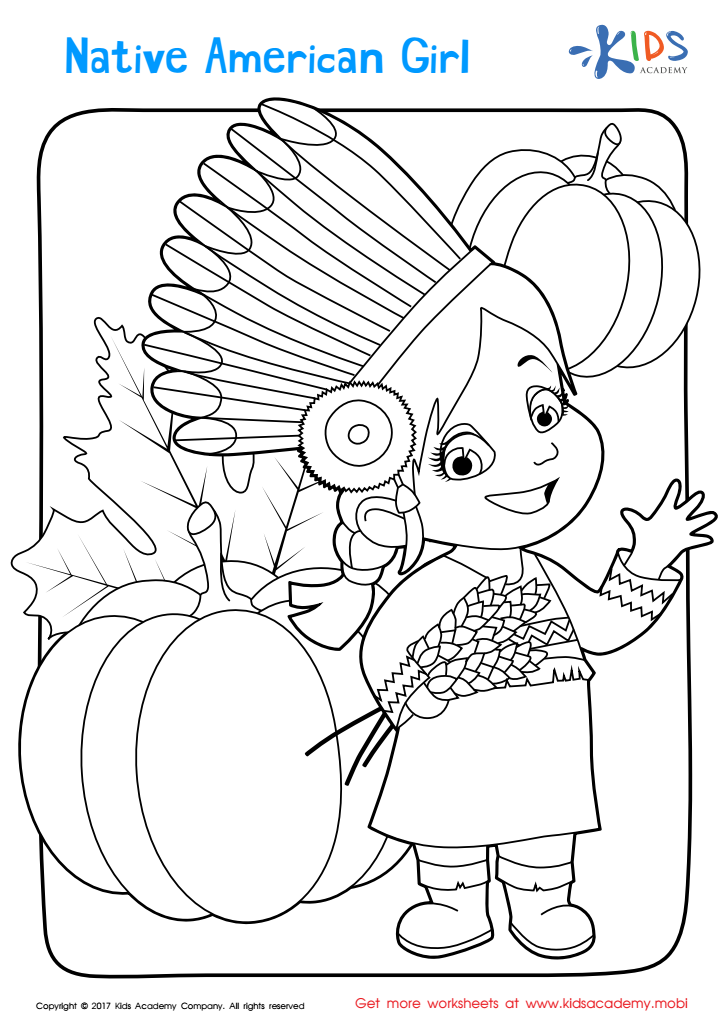
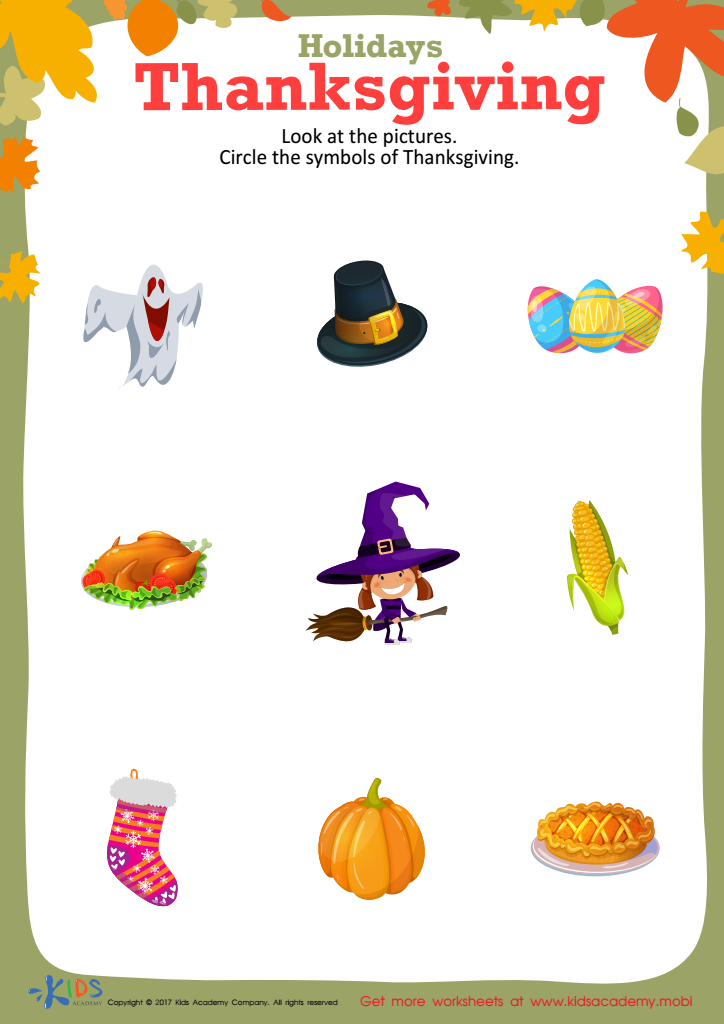
Thanksgiving Holiday Printable
Thanksgiving is here! Celebrate by showing appreciation and giving thanks. Teach your kids about the iconic symbols of the holiday with this free printable worksheet. Enjoy America's most famous feast!
Thanksgiving Holiday Printable
Worksheet
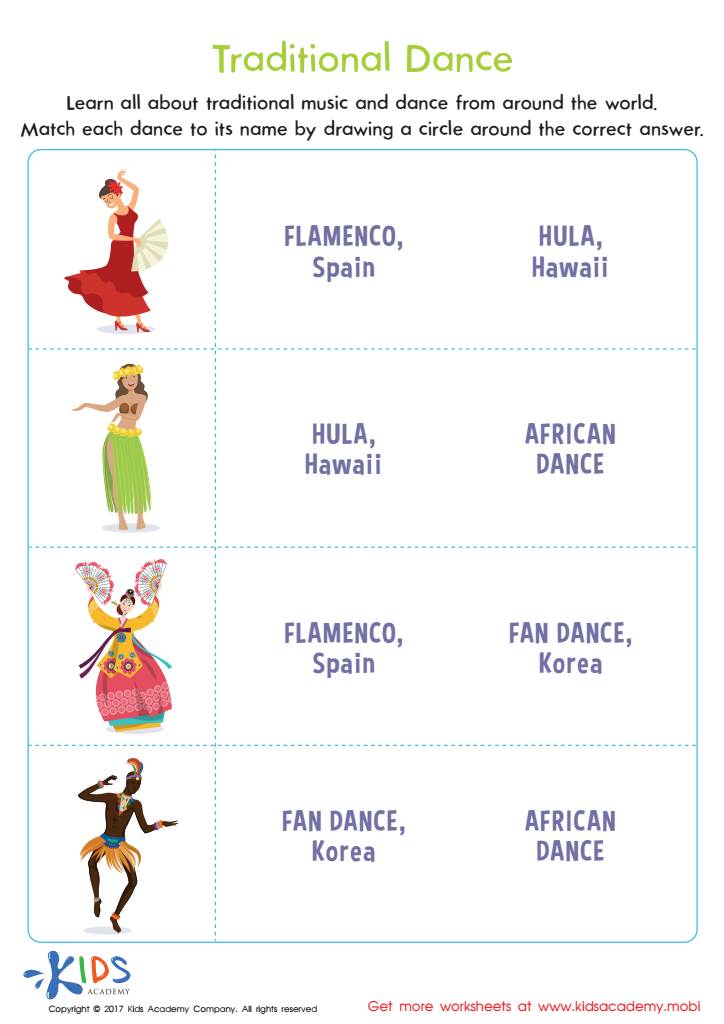
Traditional Dance Printable
Introduce your child to traditional dances from across the globe with this worksheet. They'll learn to identify dances from different cultures, use their critical thinking skills and build an appreciation for different cultures. Let’s help kids to appreciate people’s differences and explore the world with this fun, colorful worksheet.
Traditional Dance Printable
Worksheet
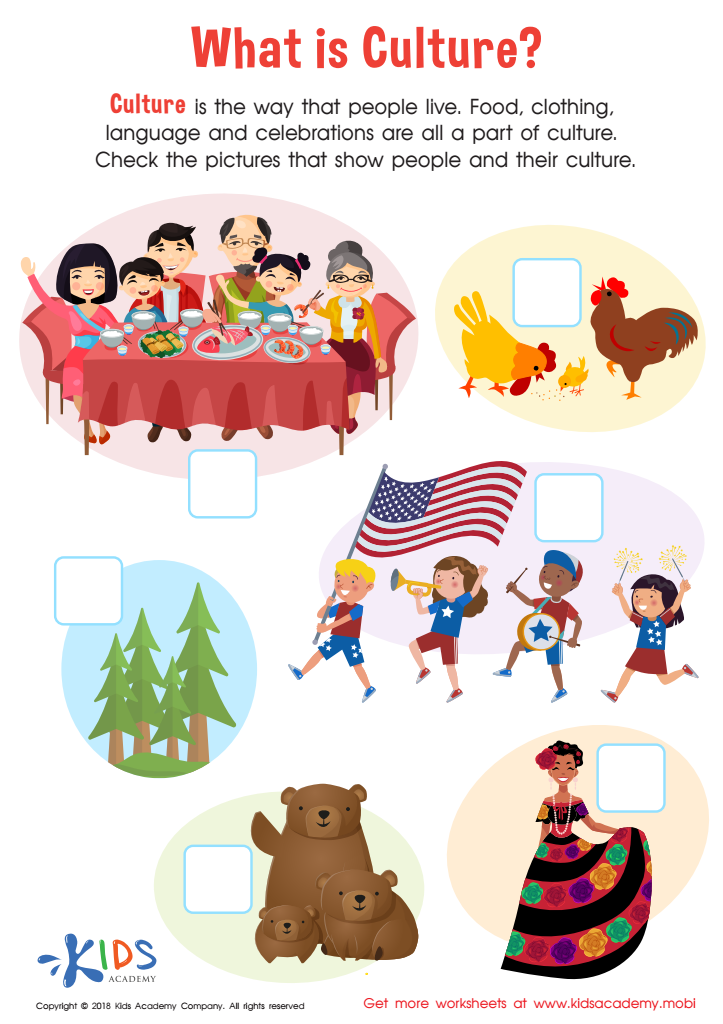
What Is Culture? Worksheet
Before beginning, talk to your kids about different cultures and how they may differ from yours. Explain that culture is the way of life and includes food, clothing, language and celebrations. Ask if they know any friends or classmates with a different culture and see if they can tell you about it. Then, help them look through this printout and check the pictures that show people and their culture.
What Is Culture? Worksheet
Worksheet
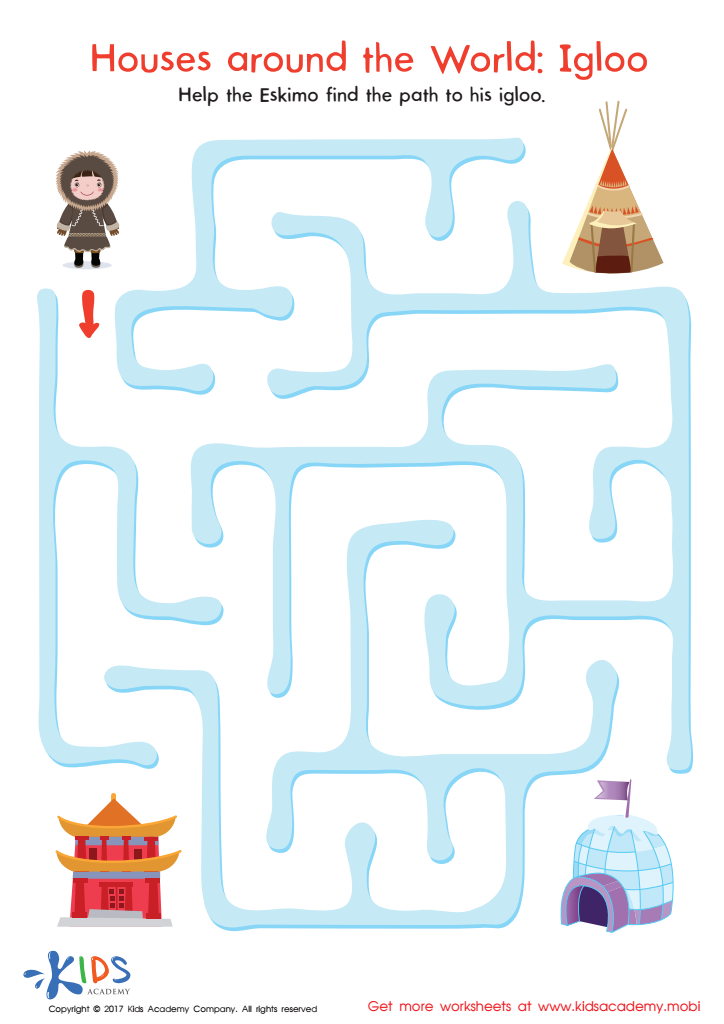
Houses Around the World: Igloo Printable
Print out the igloo maze worksheet and help the Eskimo find his way home. Along the way, you’ll discuss different types of houses. A perfect way to practice thinking skills!
Houses Around the World: Igloo Printable
Worksheet
Join Kids Academy for Free
Who is primarily going to use this learning content?







Cultural awareness is vital during the formative years of ages 4-5, a period when children's attitudes and understandings are distinctly impressionable. Early exposure to cultural diversity builds a foundation of inclusivity and empathy, helping children appreciate and respect differences. When parents and teachers emphasize cultural awareness, they nurture open-mindedness, reduce stereotypes, and combat prejudices. This not only aids in personal development but also fosters a harmonious learning environment where every child feels valued.
Culturally aware children are better equipped to interact confidently and respectfully with peers from varied backgrounds, honing their social and interpersonal skills. This global perspective enhances cognitive flexibility, encouraging them to think creatively and critically. In an increasingly interconnected world, such skills are invaluable and contribute to long-term success.
Parents and teachers holding their children accountable for cultural differences also strengthen bonds with the wider community. When children understand and respect diverse customs and traditions, they contribute to a culture of acceptance and collaboration.
Indeed, cultural awareness paves the way for more inclusive societies. By prioritizing such understanding at a young age, adults prepare children to navigate and thrive amidst our richly diverse world, yielding benefits that resonate far beyond the classroom.








