Identification skills Normal Worksheets for Ages 4-5
5 filtered results
-
From - To
Welcome to our "Identification Skills Normal Worksheets for Ages 4-5"! Our engaging and interactive worksheets are designed to support young learners in developing essential identification skills. Tailored for preschoolers, these activities enhance their ability to recognize shapes, colors, letters, and objects, which are foundational for early literacy and numeracy. Each worksheet is crafted with colorful images and fun themes to grab children's attention while promoting their cognitive development. These resources are perfect for parents and educators seeking to enrich their child's learning experience at home or in the classroom. Start exploring and help your child build confidence in their identification skills today!
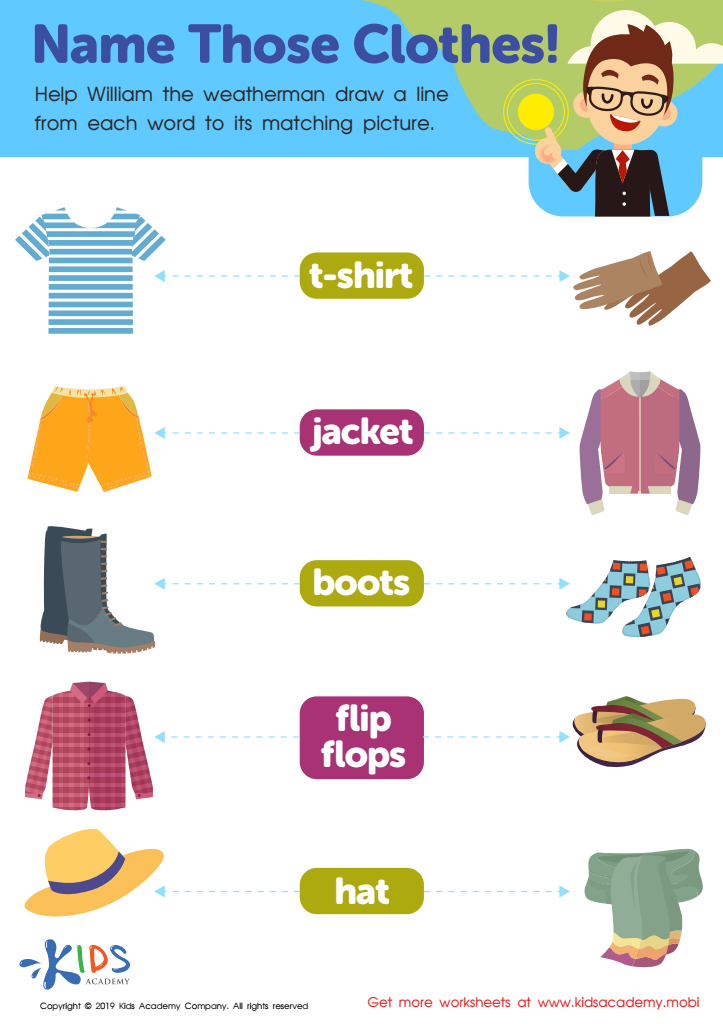
Name Those Clothes Worksheet
 Assign to My Students
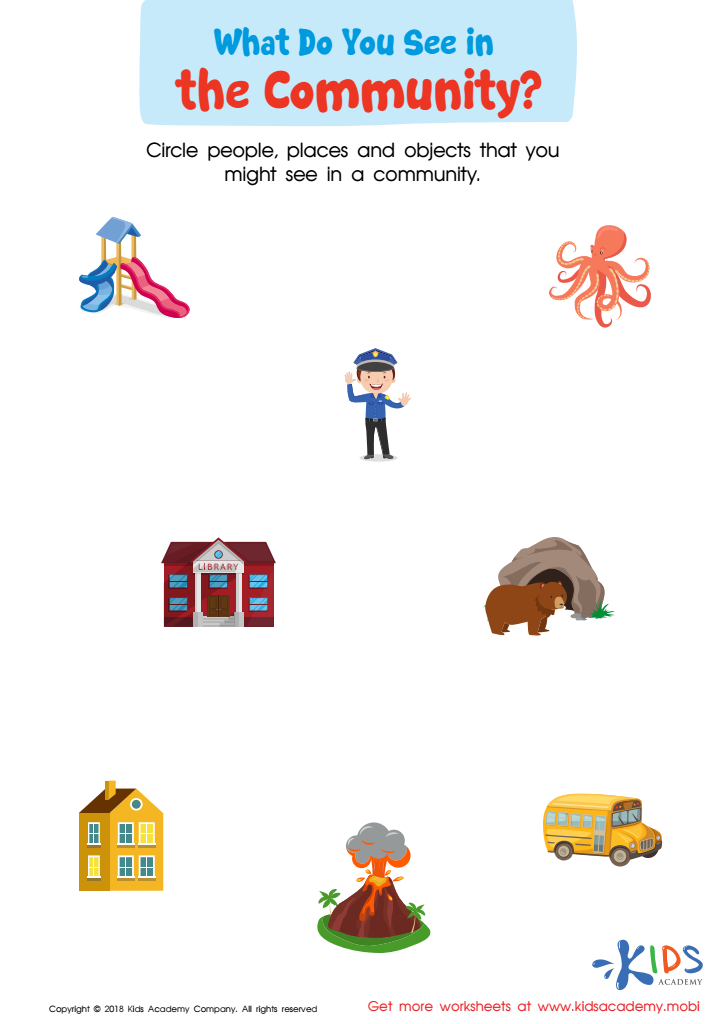
What Do You See in the Community Worksheet
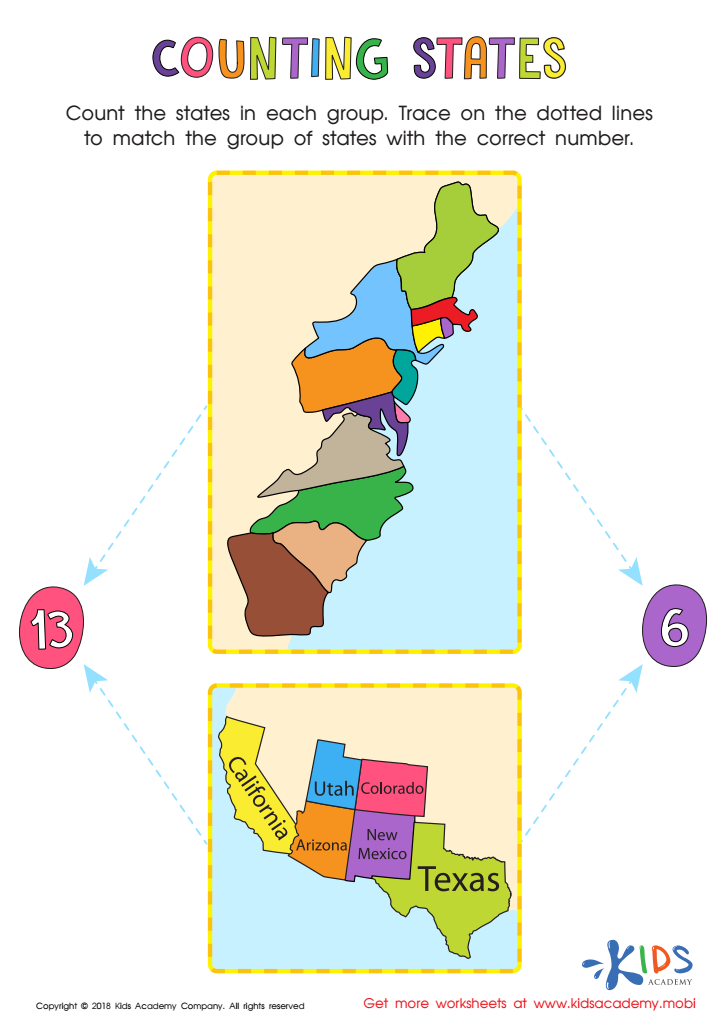
Counting States Worksheet
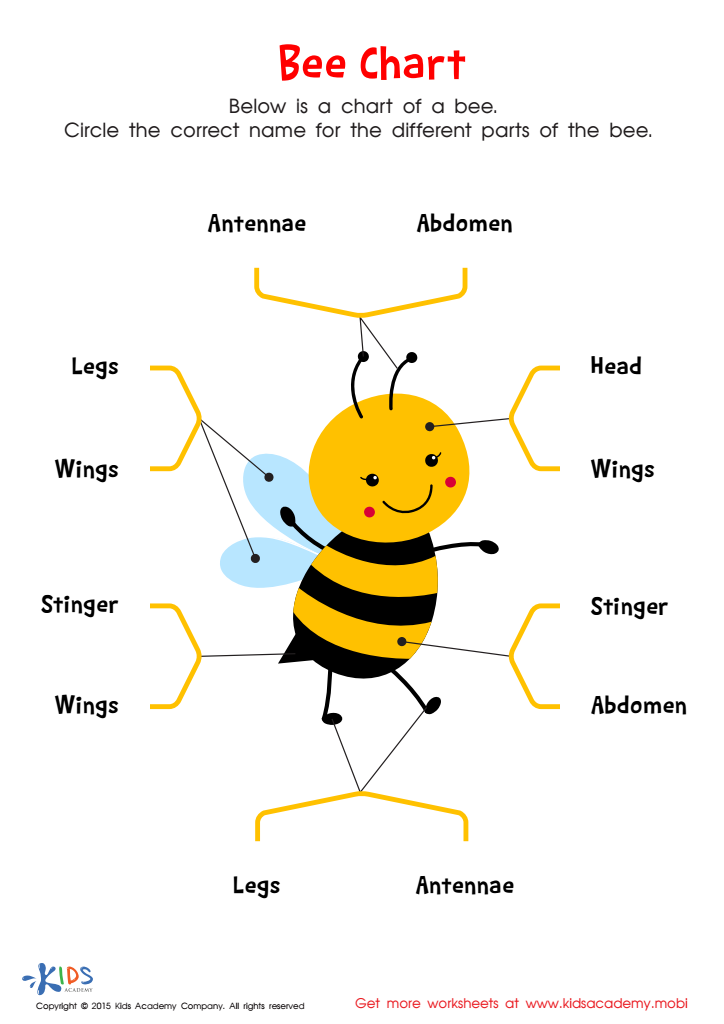
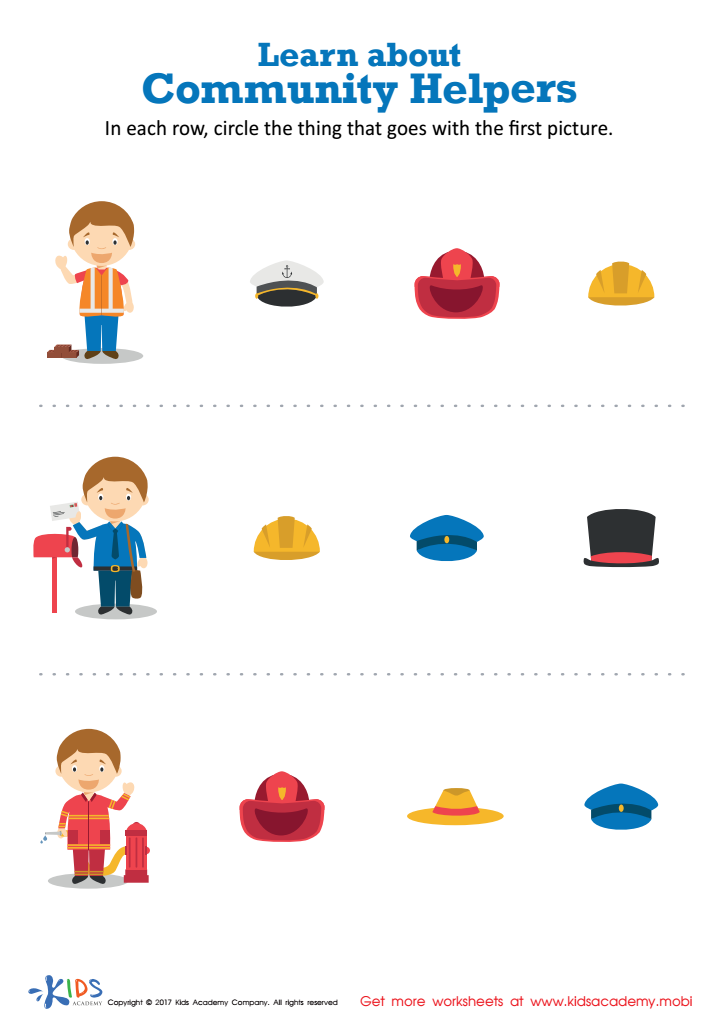
Learn about Community Helpers Printable


.jpg)





Identification skills are crucial for children aged 4-5 as they lay the foundation for later cognitive, social, and emotional development. During this formative stage, children begin to recognize and differentiate between various concepts, objects, and emotions. For parents and teachers, nurturing these skills is essential because they support children’s ability to make sense of the world around them.
Firstly, strong identification skills enhance language development. By recognizing and naming things in their environment, children broaden their vocabulary and improve communication abilities. Secondly, these skills contribute to problem-solving and critical thinking. When children can identify patterns, shapes, or colors, they develop analytical skills that are necessary for future learning.
In social contexts, identification skills enable children to recognize their own feelings and those of others, fostering empathy and effective interactions. Furthermore, these foundational skills also aid in early literacy and numeracy, as children learn to identify letters, numbers, and words.
Ultimately, prioritizing the development of identification skills equips children with essential tools for success in school and beyond. Engaging children in activities that promote these skills, such as sorting games and identification tasks, creates rich learning experiences that promise long-term benefits.








