Matching numbers Normal Worksheets for Ages 4-5
6 filtered results
-
From - To
Explore our "Matching Numbers Normal Worksheets" designed specifically for children aged 4-5. These engaging worksheets provide young learners with fun and interactive activities that promote number recognition and matching skills. Perfect for preschool and kindergarten students, our resources foster cognitive development and enhance counting abilities. With colorful illustrations and age-appropriate tasks, children will enjoy practicing their matching skills while reinforcing their understanding of numbers. Ideal for both in-class activities and at-home learning, these worksheets create a strong foundation for future math skills. Download now and watch your child's confidence and number mastery grow while having fun!
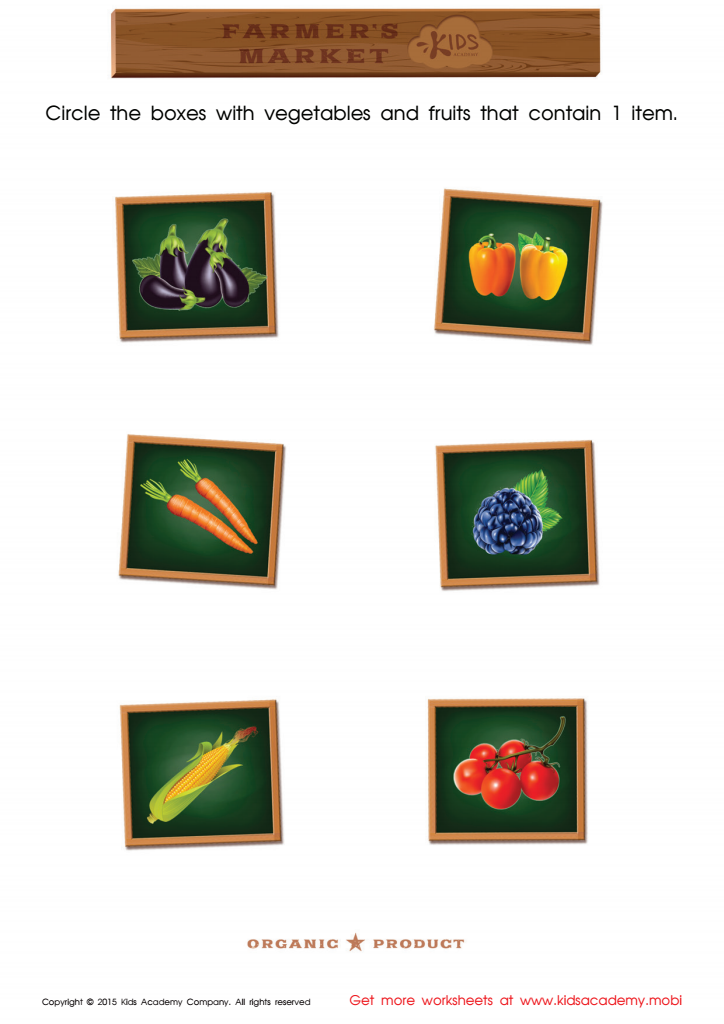
Count and Match Boxes with Vegetables
 Assign to My Students
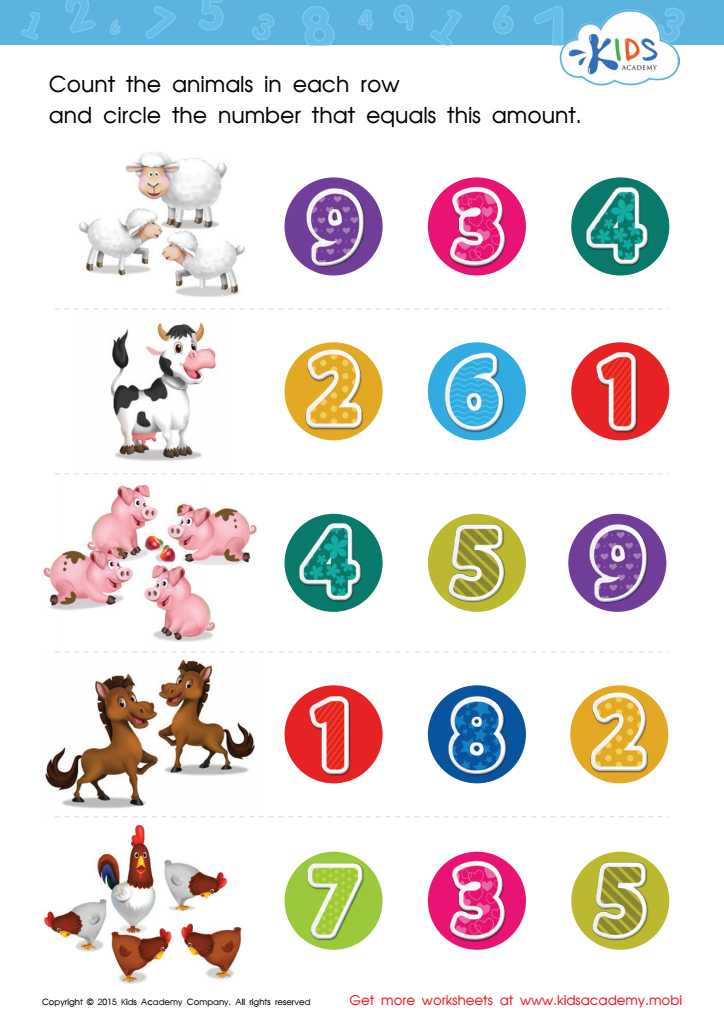
Count and Match 1 – 5 Math Worksheet
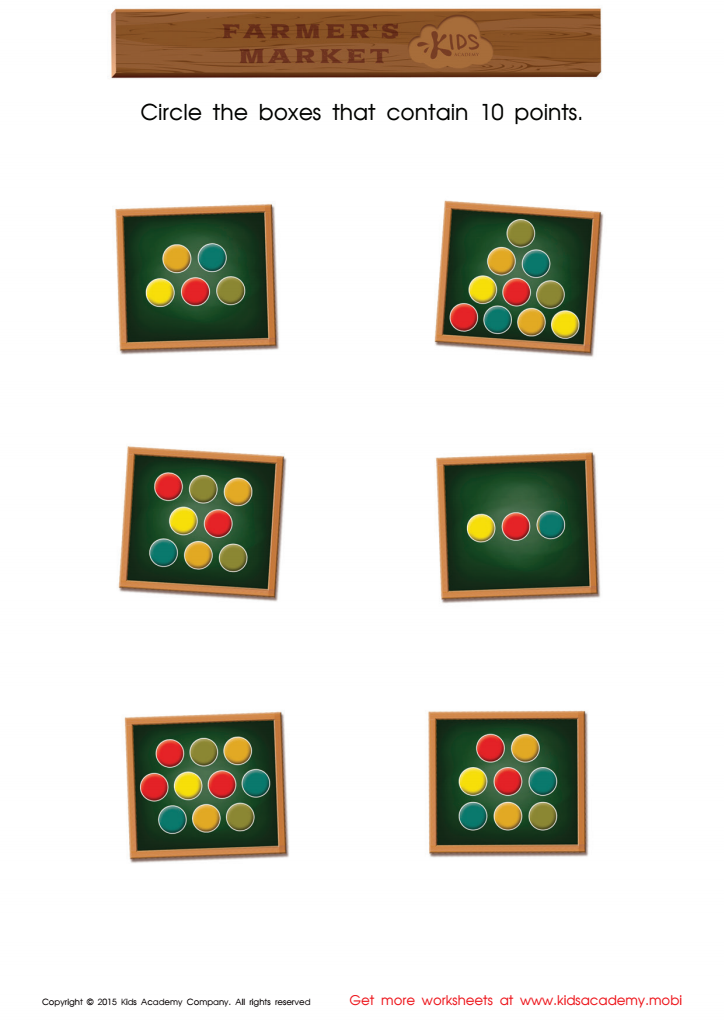
Count and Match Points 10 Math Worksheet
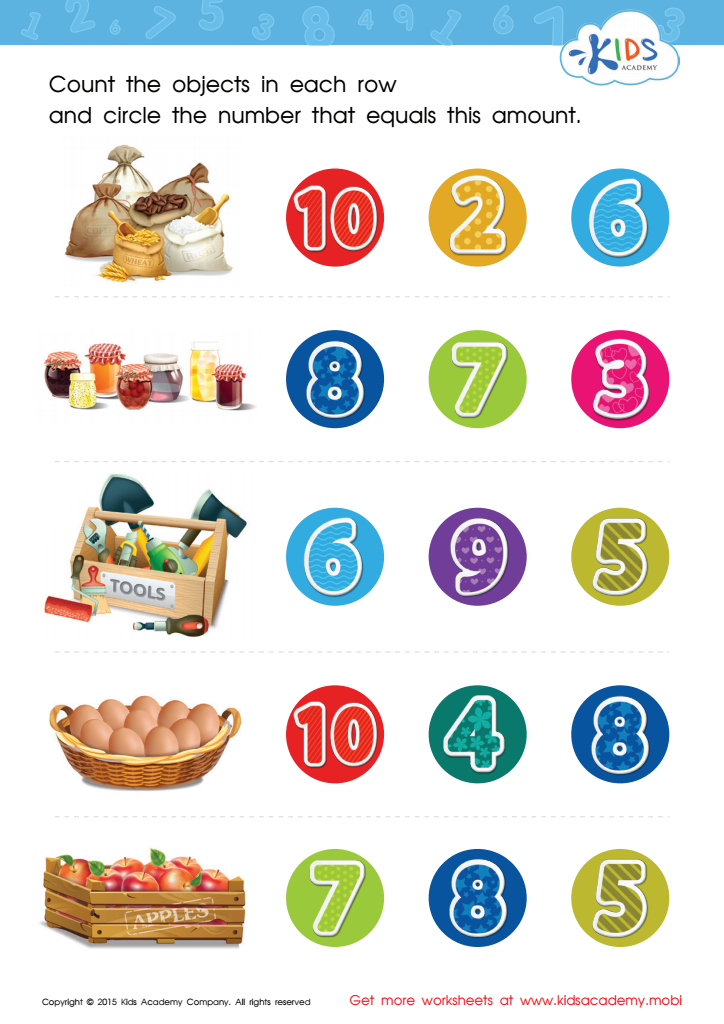
Count and Match 6 – 10 Math Worksheet
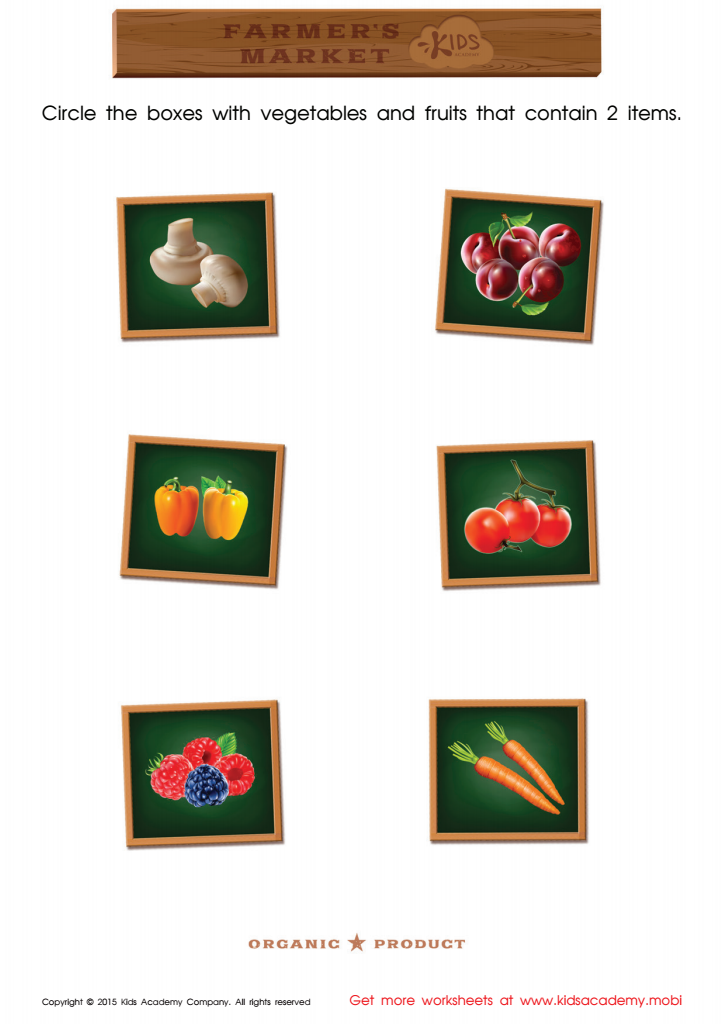
Count and Match Vegetables and Points Math Worksheet
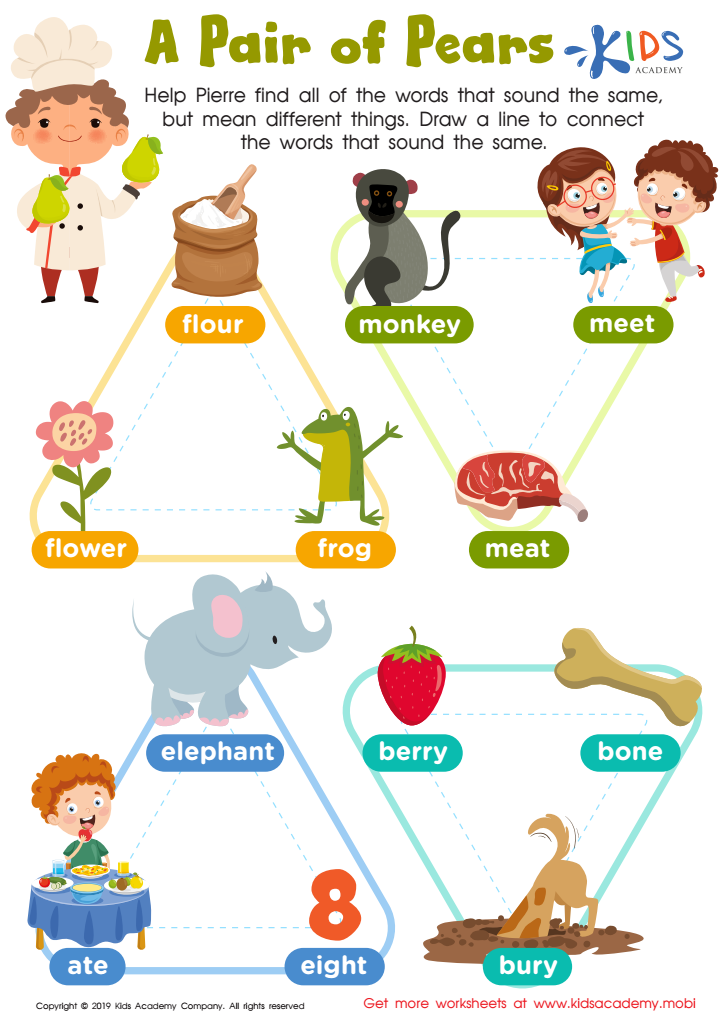
Pair Pears Worksheet








Matching numbers is a crucial developmental skill for children aged 4-5, offering a myriad of benefits that parents and teachers should prioritize. At this age, children are rapidly developing cognitive skills, and activities that encourage number matching lay the groundwork for mathematical understanding.
Firstly, matching numbers enhances a child's recognition and comprehension of numerals, fostering a strong foundation for future mathematics. Activities that involve matching help children associate quantities with written numbers, emphasizing the concept of one-to-one correspondence. This builds early numeracy skills that are essential for more complex learning later on.
Furthermore, number matching activities encourage fine motor skills as children engage in sorting, grouping, and pairing tasks, which are essential for dexterity. These activities also support critical thinking and problem-solving, as children must navigate how different numbers correspond.
Additionally, fostering a positive and engaging learning environment through these games promotes a love for learning. When children actively participate in fun and interactive number matching, it cultivates their curiosity and motivation.
In summary, parents and teachers should care about matching numbers for young children because it not only supports mathematical skills but also enhances overall cognitive and physical development in a playful manner.








