Mathematical reasoning Normal Worksheets for Ages 4-5
10 filtered results
-
From - To
Discover engaging "Mathematical Reasoning Worksheets for Ages 4-5" designed to develop young minds at Kids Academy. Our worksheets provide an interactive way for children to learn foundational math skills, including counting, pattern recognition, and basic problem-solving. Through playful activities and colorful designs, kids are encouraged to explore numbers, shapes, and logical thinking. Ideal for early learners, these resources boost confidence and foster a love for math. Help your child build critical thinking skills and prepare them for future mathematical concepts with our fun and educational worksheets.
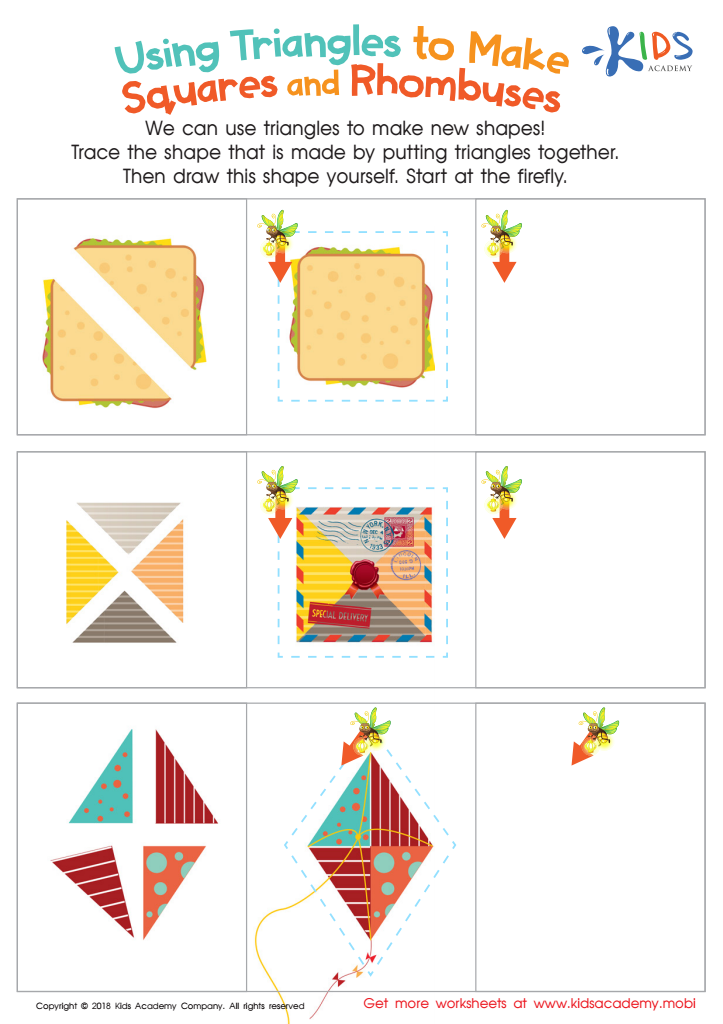
Using Triangles to Make Squares and Rhombuses Worksheet
 Assign to My Students
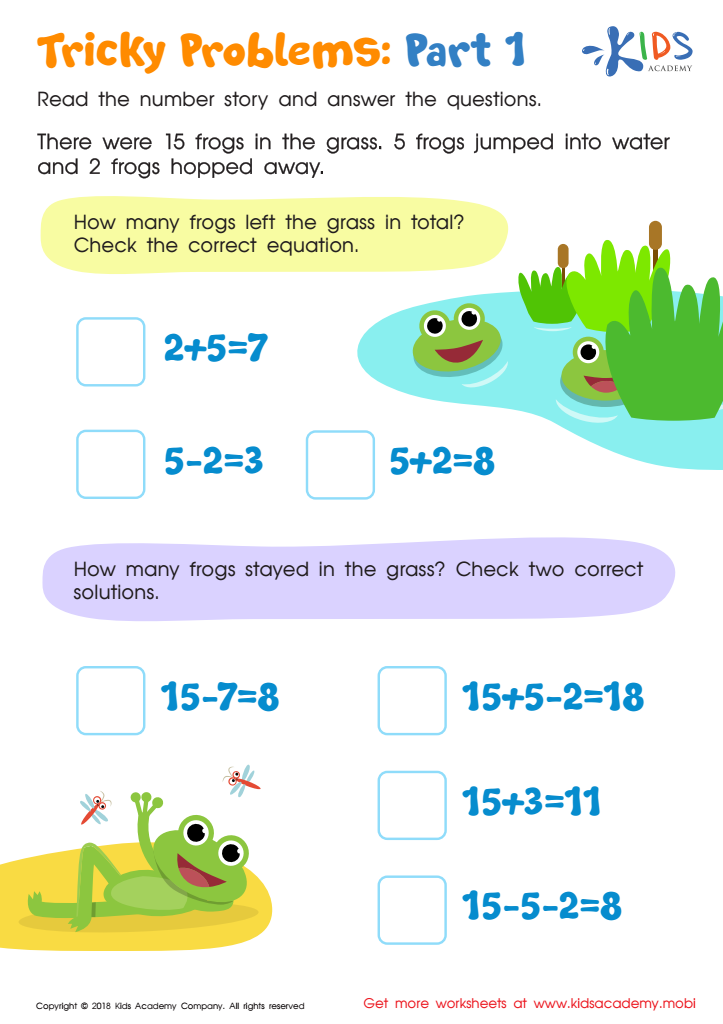
Tricky Problems Worksheet: Part 1
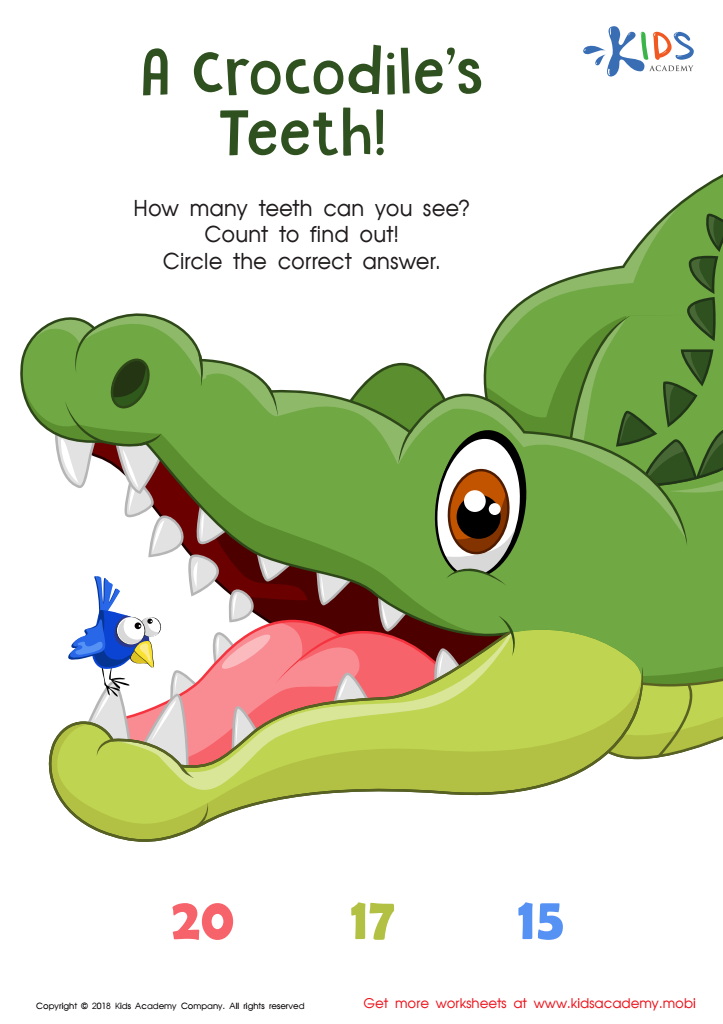
A Crocodile's Teeth Worksheet
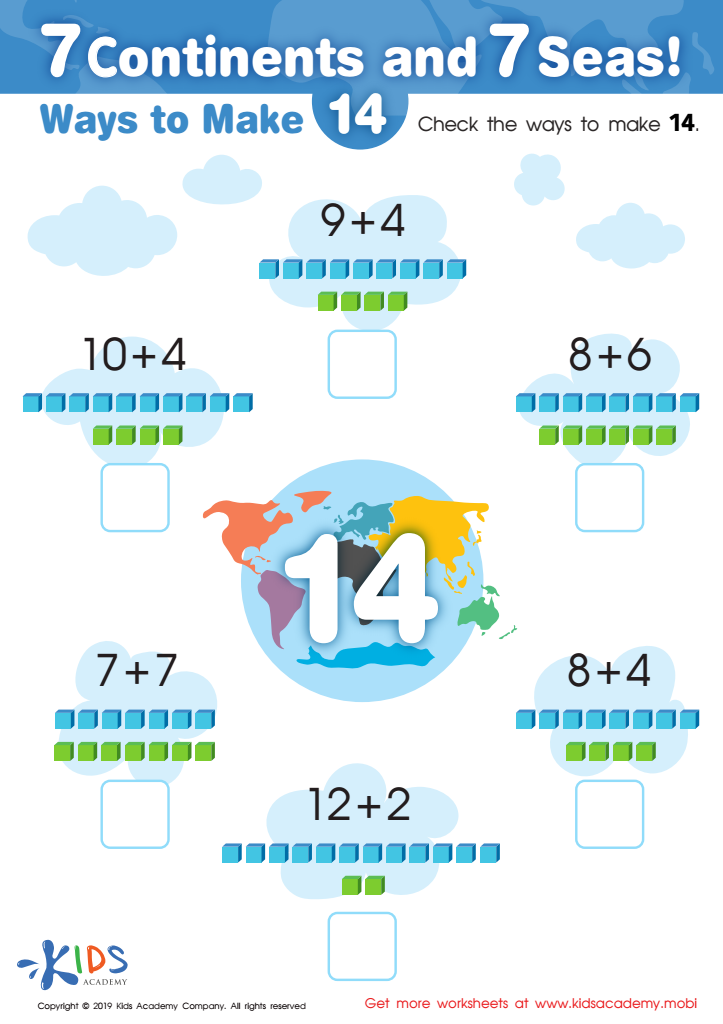
7 Continents and 7 Seas Worksheet
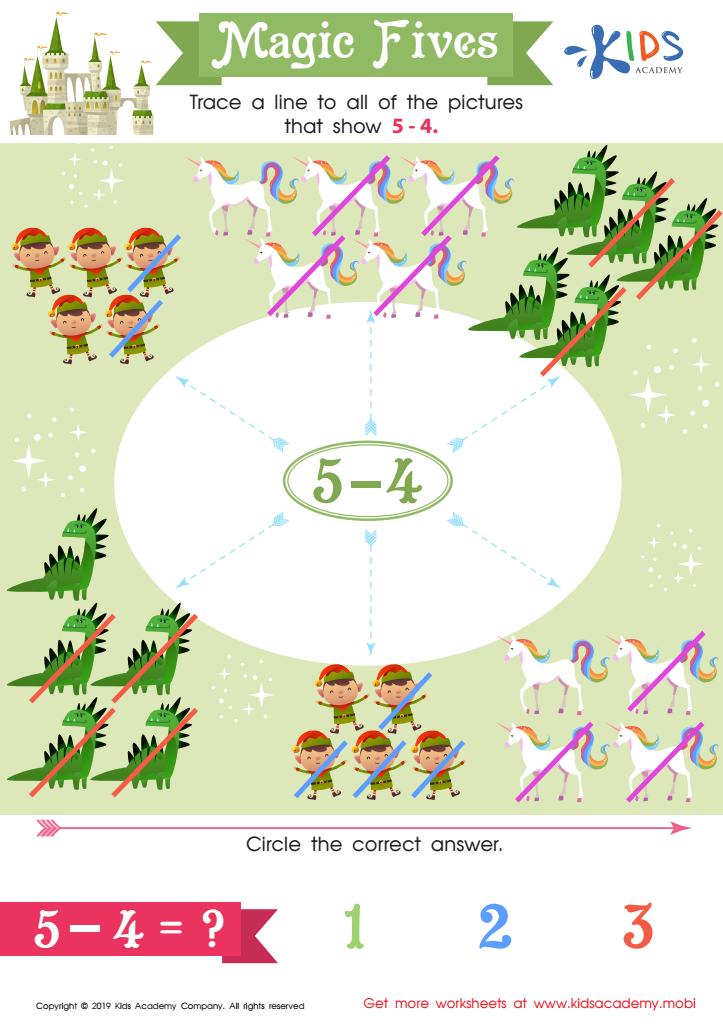
Magic Fives Worksheet
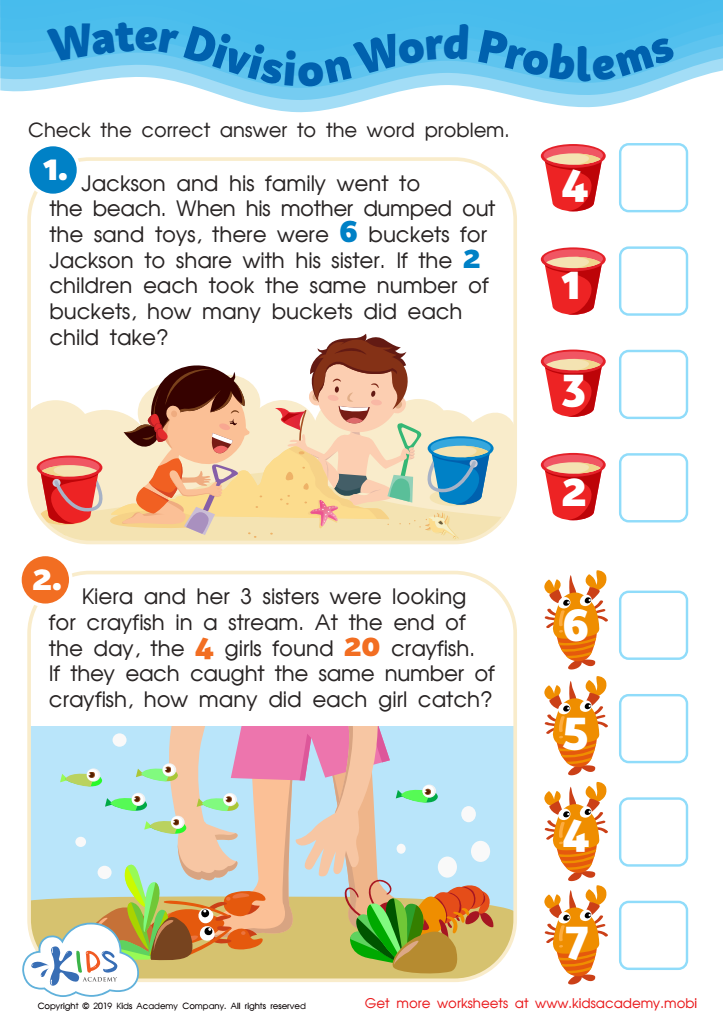
Water Division Word Problems Worksheet
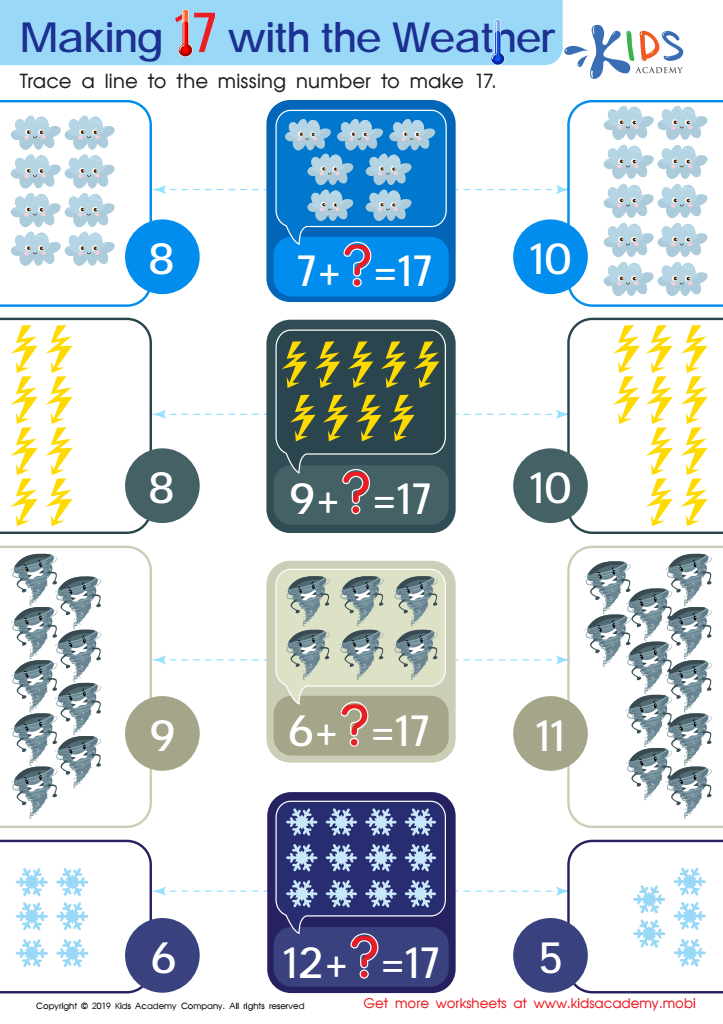
Making 17 with the Weather Worksheet
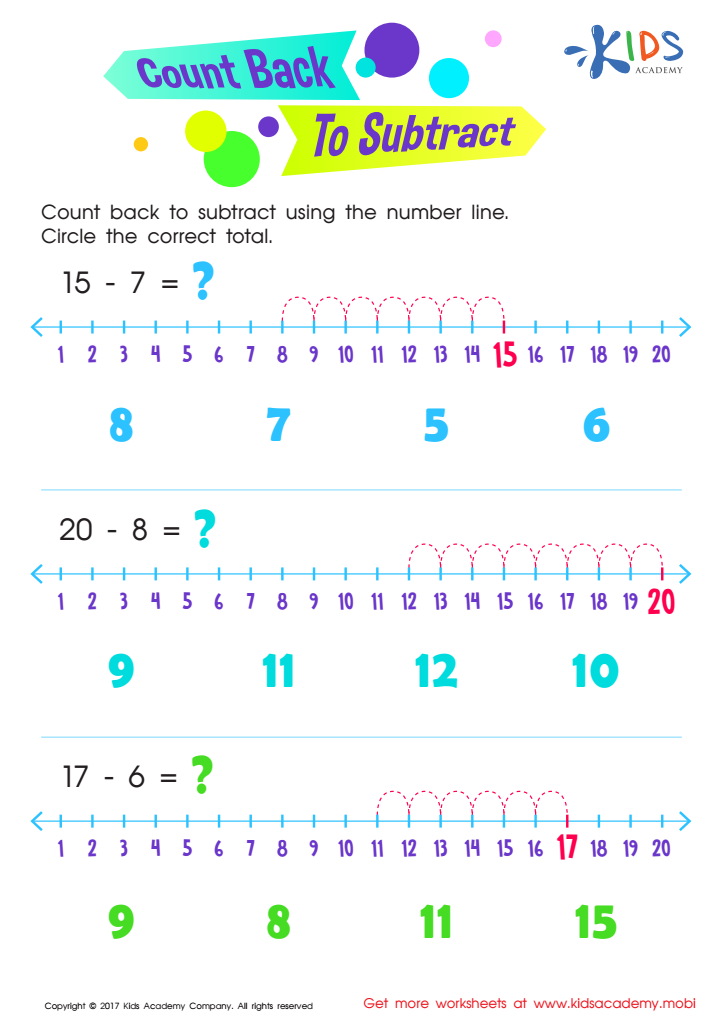
Count Back to Subtract Substraction Worksheet
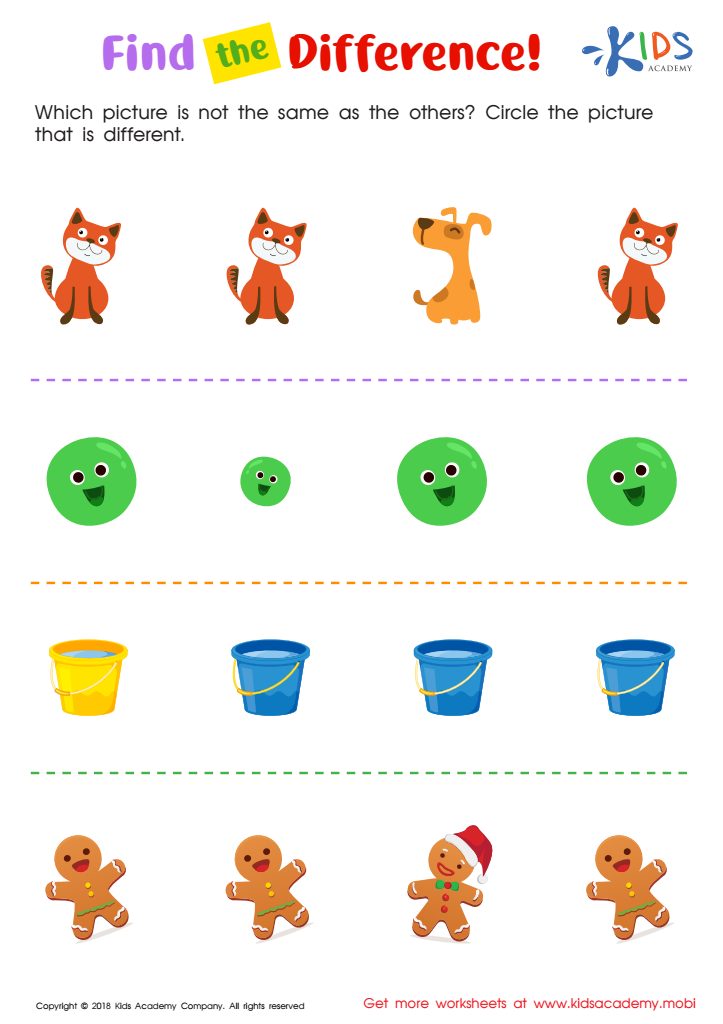
Find the Difference Worksheet
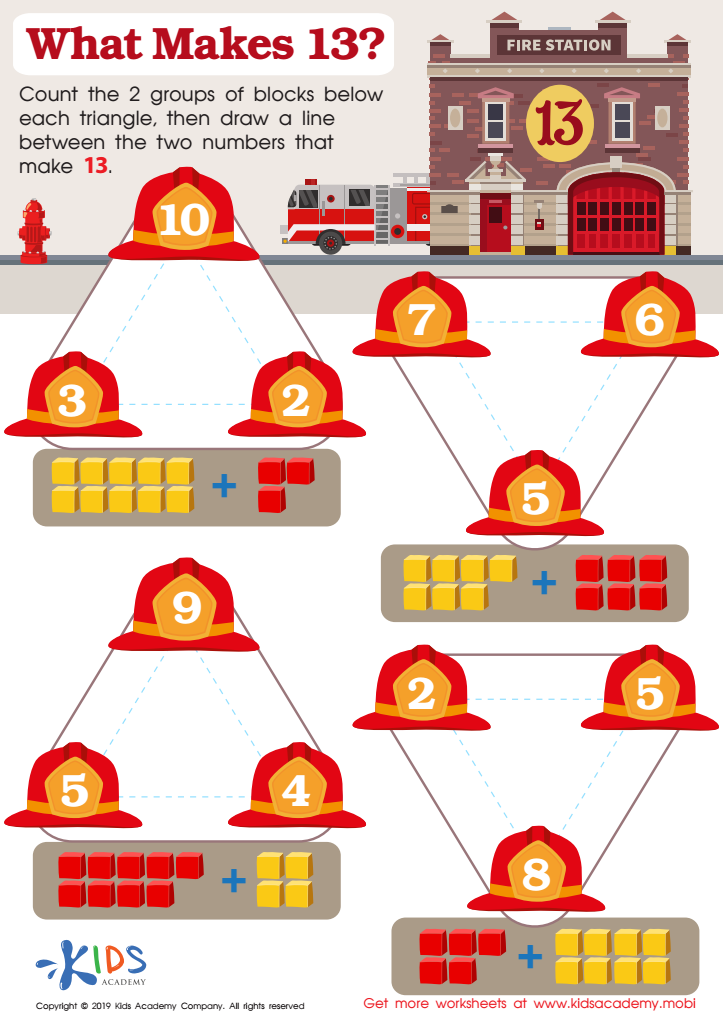
What Makes 13 Worksheet


%20(1).jpg)


.jpg)


Developing mathematical reasoning skills in children aged 4-5 is crucial for several key reasons. Firstly, it lays a foundational understanding for future math learning. At this tender age, children start to grasp basic concepts such as numbers, shapes, and patterns, which are critical building blocks for more complex mathematical thinking.
Engaging in early math activities also enhances cognitive abilities. It improves logical thinking, problem-solving skills, and the capability to analyze and interpret data. For example, sorting objects by size or recognizing patterns can enhance a child's ability to think critically and follow steps, skills that are essential for all academic subjects and everyday decision-making.
Furthermore, early exposure to mathematical reasoning encourages a positive attitude towards math. When children experience early success and enjoyment with math, they are more likely to feel confident and enthusiastic about the subject throughout their school years and beyond.
From a social-emotional perspective, participating in math-related play cultivates persistence, patience, and resilience. Children learn that some solutions require trial and error and that struggling with a problem can lead to eventual success.
Parents and teachers nurtured these skills by using engaging tools such as games, puzzles, or hands-on activities. This process helps children understand that math is not just an academic discipline but also a useful and enjoyable part of everyday life. This holistic early exposure sets the stage for lifelong learning and intellectual curiosity.








