Problem Solving Normal Worksheets for Ages 4-5
6 filtered results
-
From - To
Our "Problem Solving Normal Worksheets for Ages 4-5" focus on enhancing critical thinking and cognitive skills in young children. Engaging and thoughtfully designed, these worksheets help preschoolers develop essential problem-solving abilities through fun and age-appropriate activities. Each worksheet provides opportunities for kids to practice logical reasoning, pattern recognition, and basic math skills. Perfect for both classroom and home use, our worksheets not only foster a love for learning but also help build a strong foundation for future academic success. Give your child a head start with our expertly crafted problem-solving worksheets.
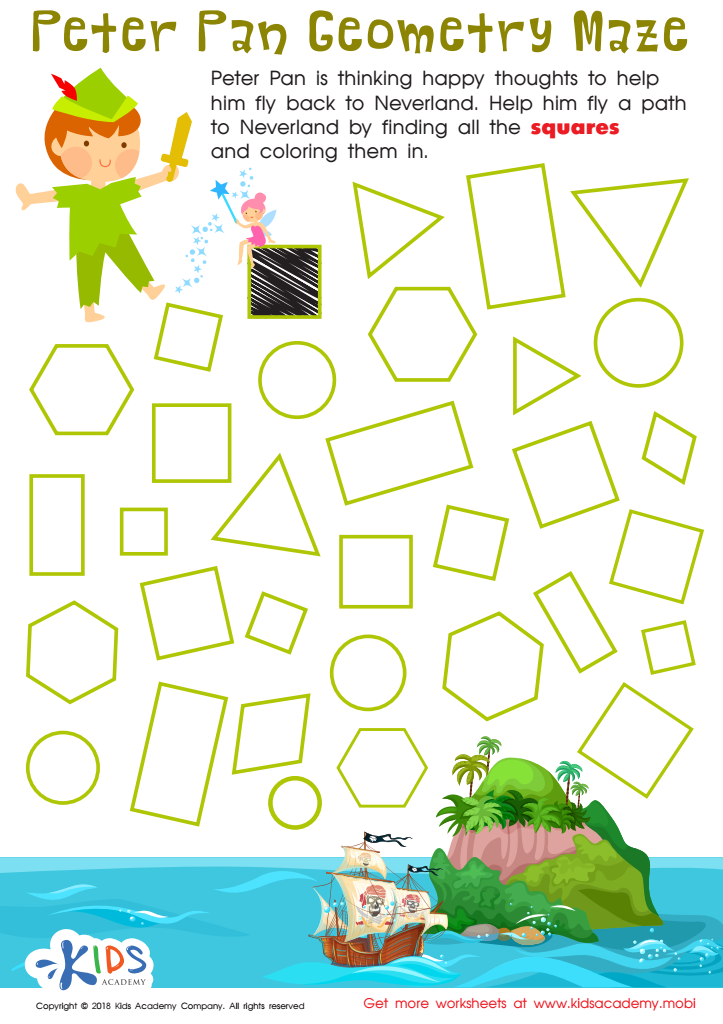
Peter Pan Worksheet
 Assign to My Students
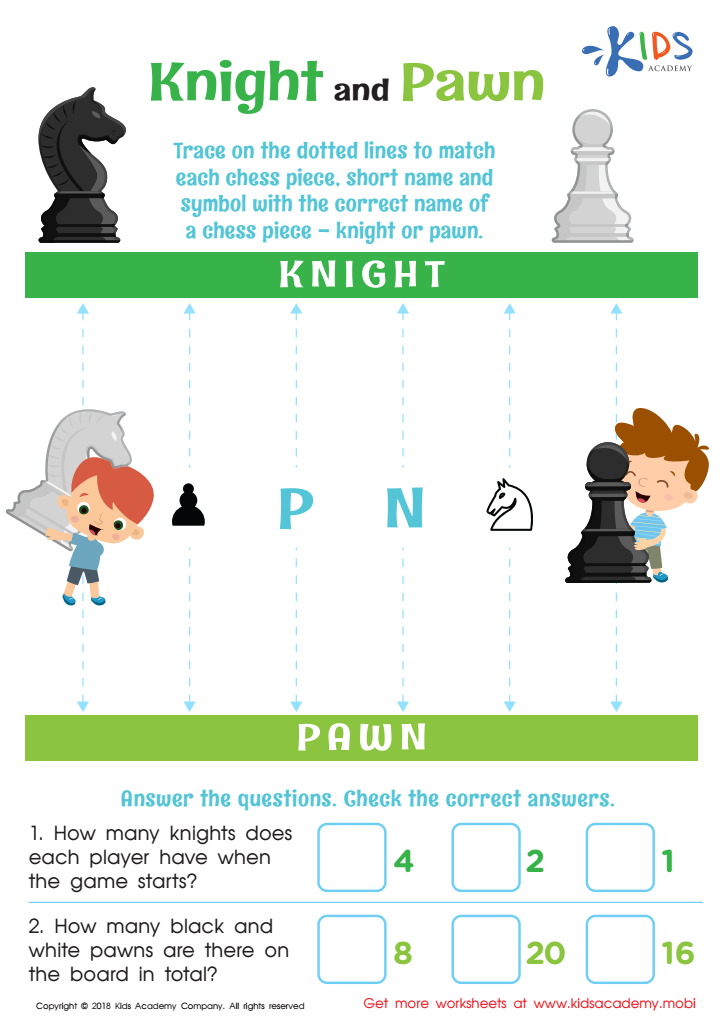
Knight and Pawn Worksheet
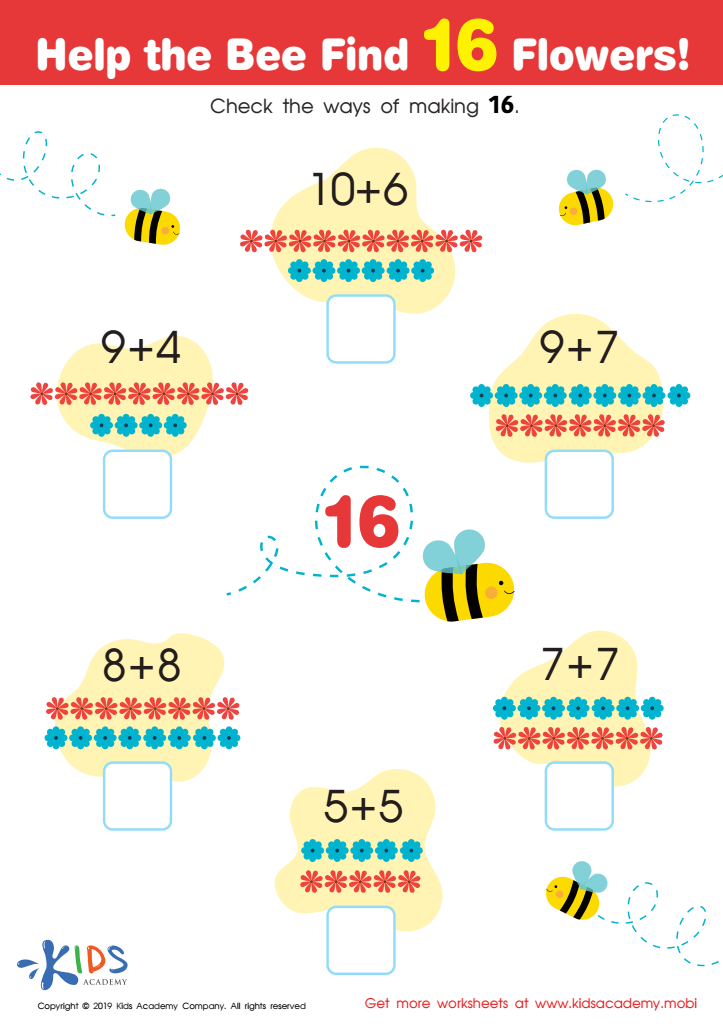
Help the Bee Find 16 Flowers Worksheet
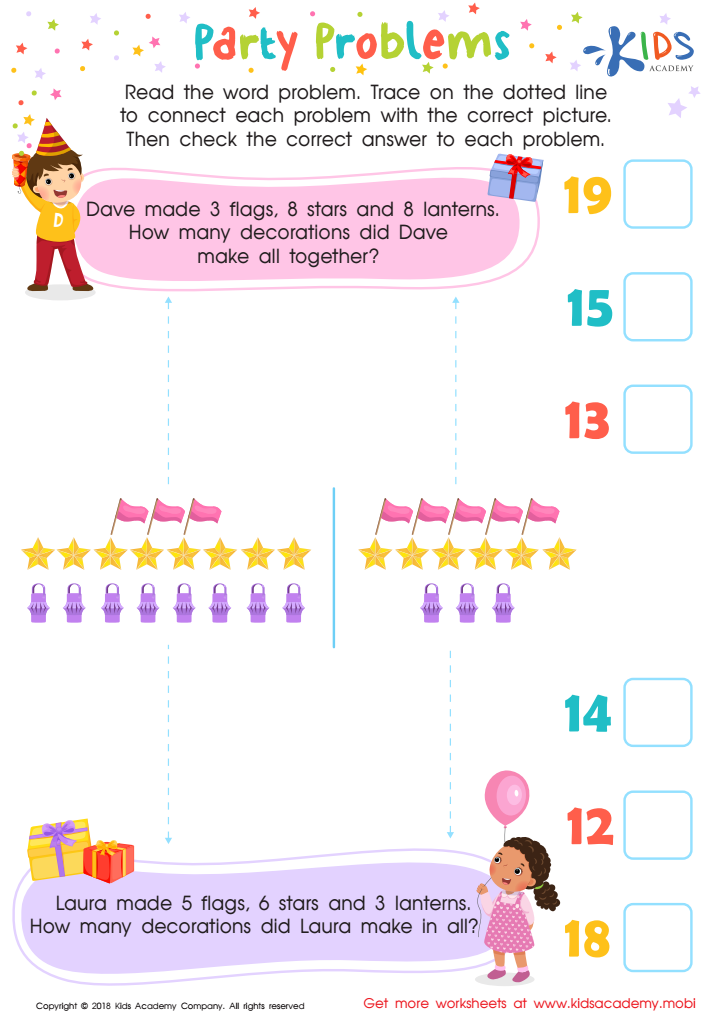
Party Problems Worksheet
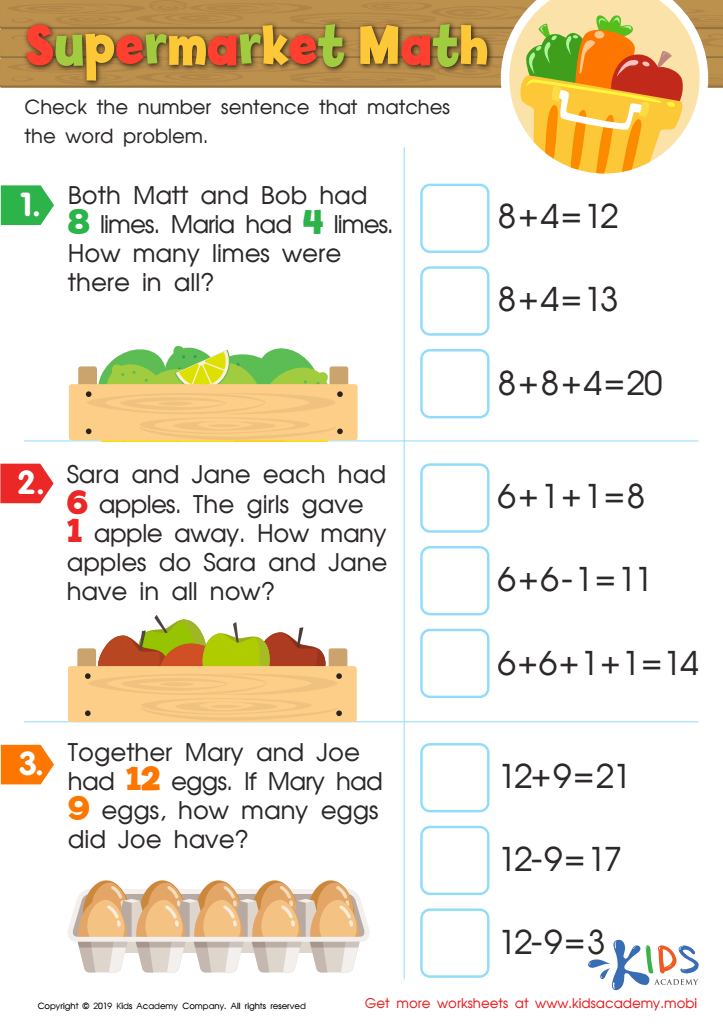
Supermarket Math Worksheet
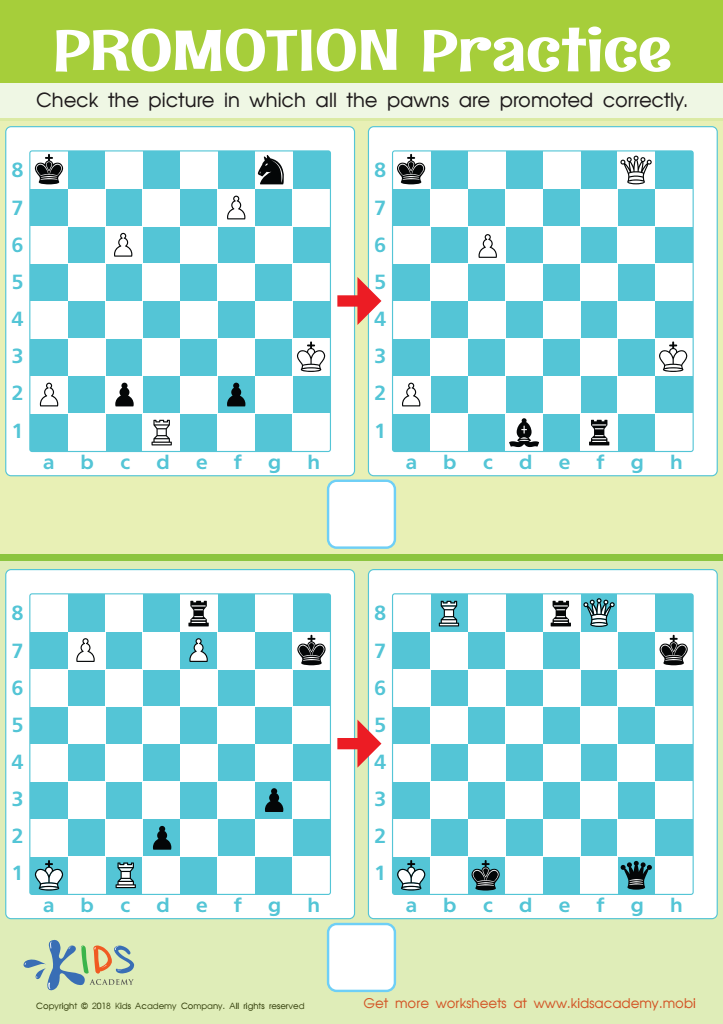
Promotion Practice Worksheet








Parents and teachers should prioritize problem solving skills for children aged 4-5 because these early experiences lay the foundation for critical cognitive, emotional, and social development. At this age, young children are curious and eager to explore their environment, providing a natural opportunity to introduce problem-solving activities.
Practicing problem solving helps children develop essential cognitive abilities like reasoning, logical thinking, and creativity. When children encounter and navigate simple problems, like fitting shapes into a puzzle, they learn to assess situations, consider possible solutions, and make decisions. These cognitive processes are vital for later success in math, science, and everyday life.
Emotionally, problem solving fosters resilience and a growth mindset. When children experience trial and error and learn to overcome small challenges, they build confidence and understand that perseverance leads to success. This helps reduce anxiety around making mistakes and encourages a proactive approach to life's challenges.
Socially, problem solving enhances communication and cooperation. Working together on problems teaches children to share ideas, listen to others, and build teamwork skills. These interactions prepare them for classrooms and collaborative environments in the future.
By integrating problem-solving activities into daily routines, parents and teachers support holistic development and ensure children have the tools they need for successful lifelong learning.








