
Word association skills Normal Worksheets for Ages 4-5
3 filtered results
Difficulty Level
Grade
Age
-
From - To
Subject
Activity
Standards
Introduce your child to the joy of word association with our Normal Worksheets for Ages 4-5! These engaging and educational worksheets are designed to boost your child's vocabulary, cognitive skills, and critical thinking. Perfect for preschoolers, each activity encourages kids to connect words, ideas, and images in a fun and interactive way. From matching pictures to identifying word pairs, these worksheets offer a variety of exercises suited for young learners. Support your child's language development and watch their confidence soar with these expertly crafted resources! Download now and embark on this educational adventure together.
Favorites
With answer key
Interactive
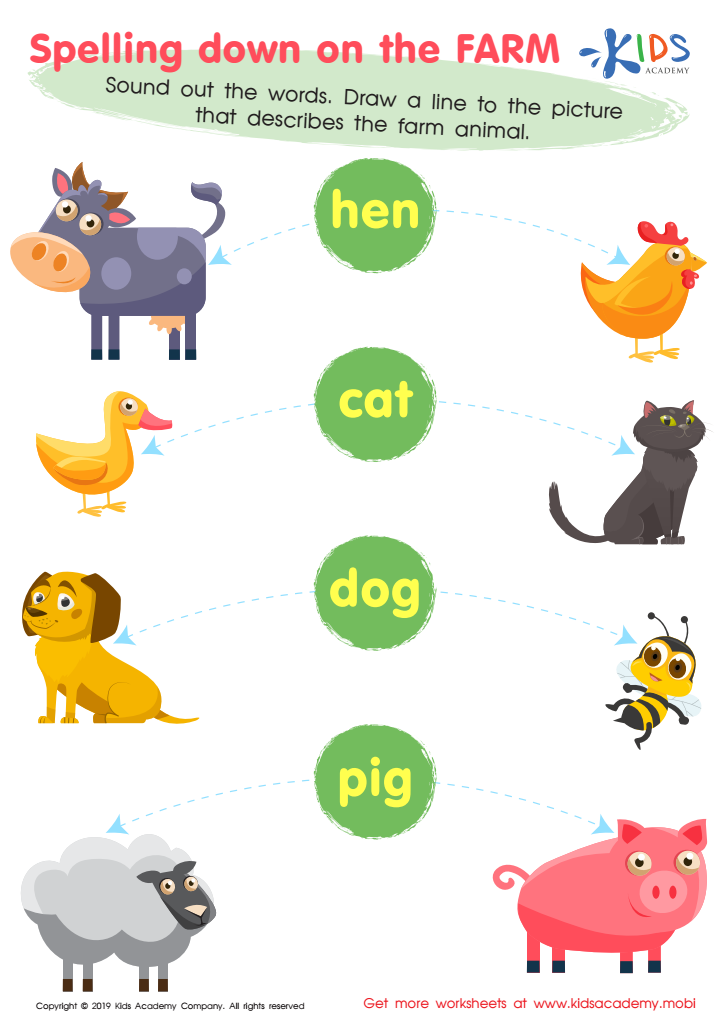
Spelling Down on the Farm Worksheet
Want to help your kids nail their spelling? Introduce them to this farm animal worksheet! Get them to look at the animals in the tracing sheet, name them and then sound out the words. Have them draw a line to the picture that describes it. You'll be surprised at how quickly their skills improve.
 Assign to My Students
Spelling Down on the Farm Worksheet
Worksheet
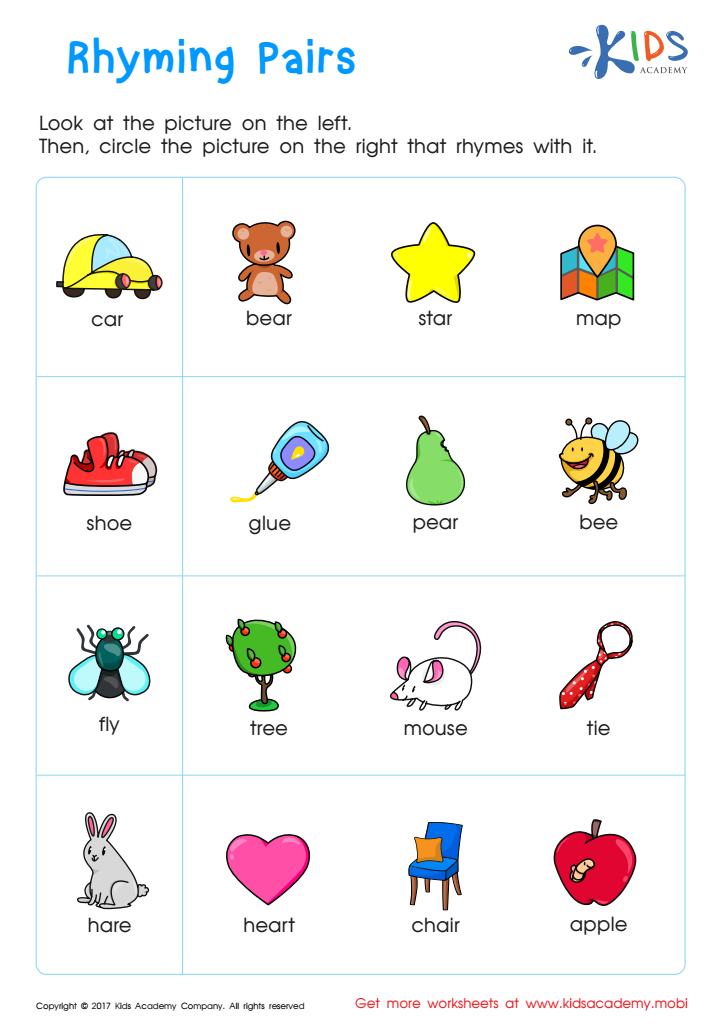
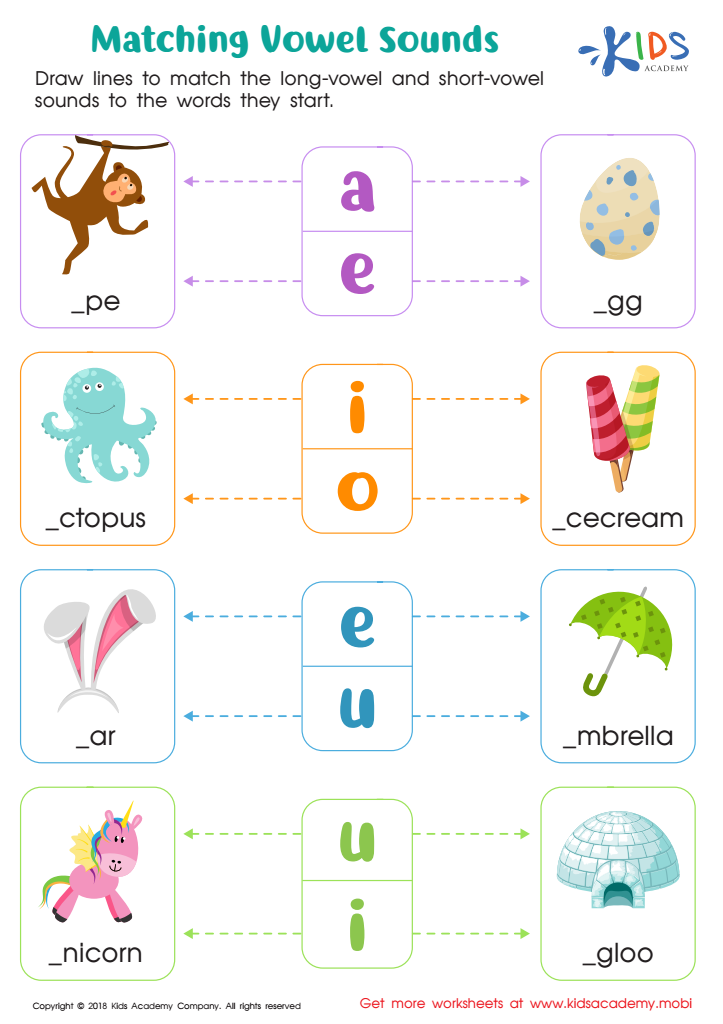
Matching Vowel Sounds Worksheet
Teach your child phonics with a fun worksheet! Ask your child to name a vowel sound and listen if it's long or short. Differentiating between long and short vowel sounds can be tricky, but this matching worksheet makes it easy for kids to understand. Have fun and master phonics - the worksheet will help them understand the difference between long and short vowel sounds!
Matching Vowel Sounds Worksheet
Worksheet
Join Kids Academy for Free
Who is primarily going to use this learning content?


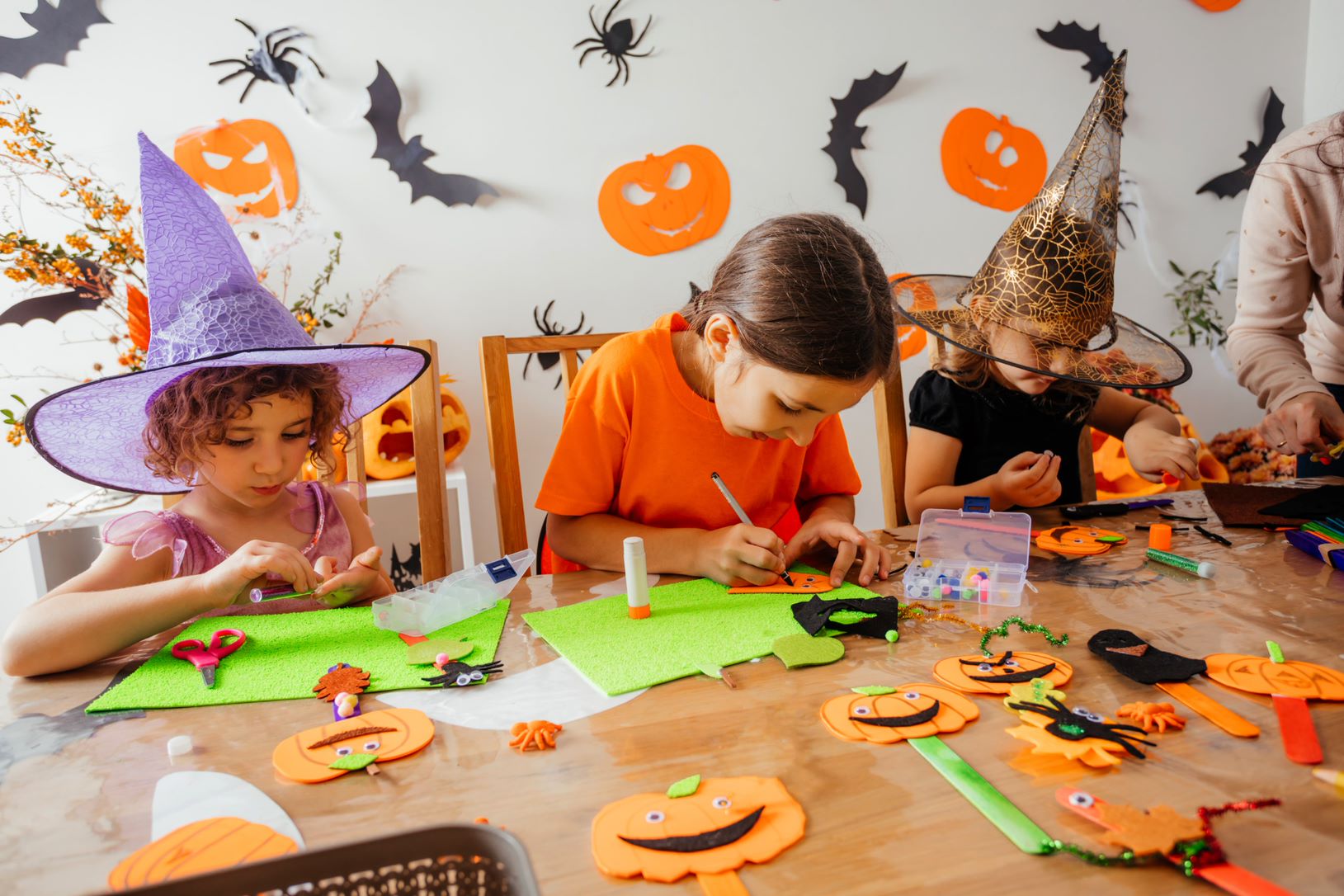




Word association skills are crucial for children ages 4-5 as they represent a foundational element in language development, critical thinking, and cognitive growth. At this stage, children rapidly build their vocabulary and understanding of language, and honing word association skills can accelerate this process. When children engage in word association tasks, they learn to make connections between words, enhancing their comprehension of relationships and contexts. For example, recognizing that "cat" is related to "animal" or that "milk" is associated with "breakfast" fosters better conceptual understanding.
Furthermore, effective word association can improve a child's communication abilities. As children learn to link words and ideas, they could express themselves more clearly and accurately. This has a positive impact on both their academic performance and social interactions, paving the way for stronger writing and speaking skills.
Additionally, word association activities can stimulate a child's cognitive functions by encouraging them to recognize patterns and categorize concepts. This kind of mental exercise promotes problem-solving skills and analytical thinking, which are pivotal for lifelong learning. By supporting word association skill development, parents and teachers invest in the child's future academic success and cognitive abilities, establishing a robust foundation for more complex intellectual tasks ahead.








