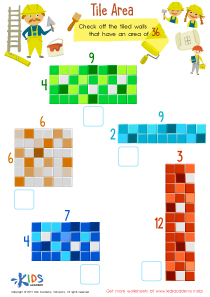
Counting skills Normal Numbers Worksheets for Ages 4-5 - Page 3
51 filtered results
-
From - To
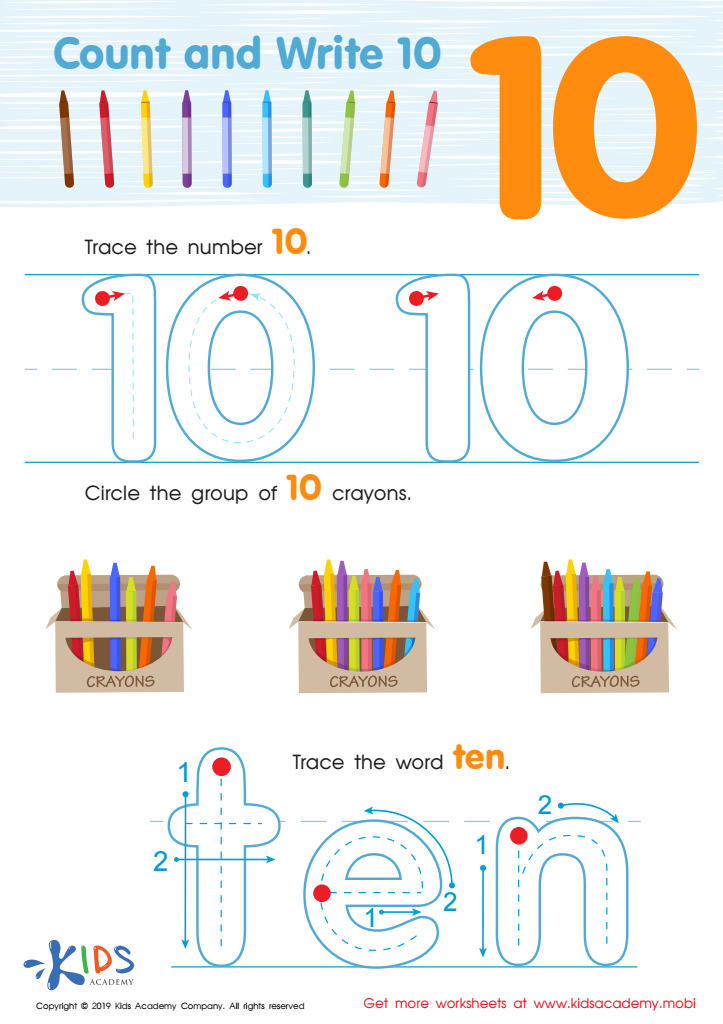
Count and Write 10 Worksheet
 Assign to My Students
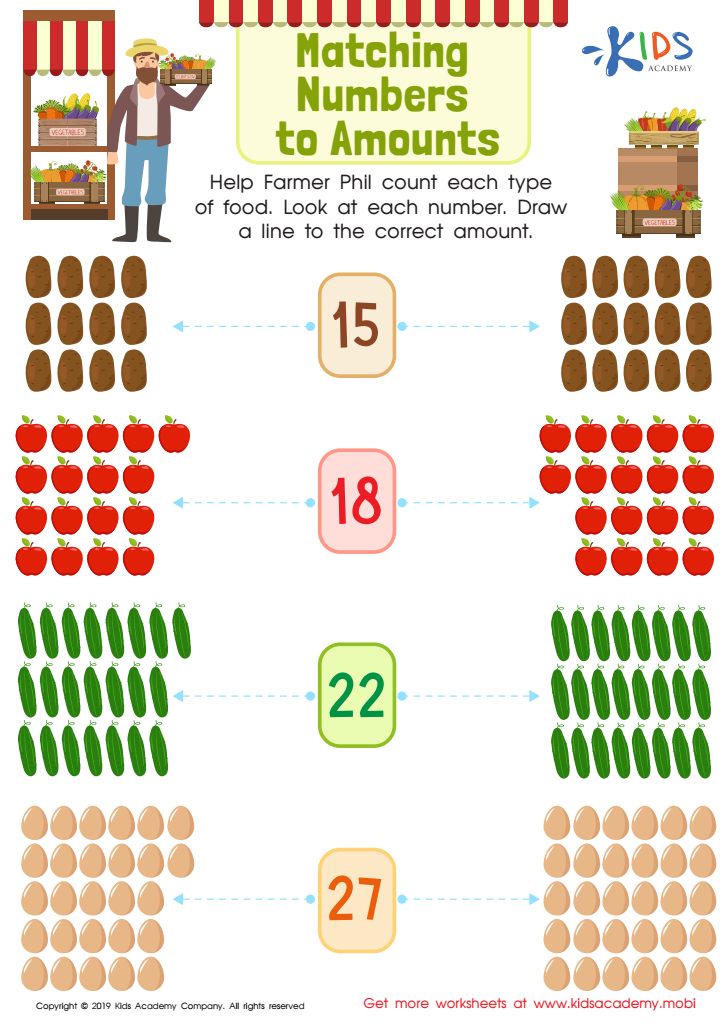
Matching Numbers to Amounts Worksheet
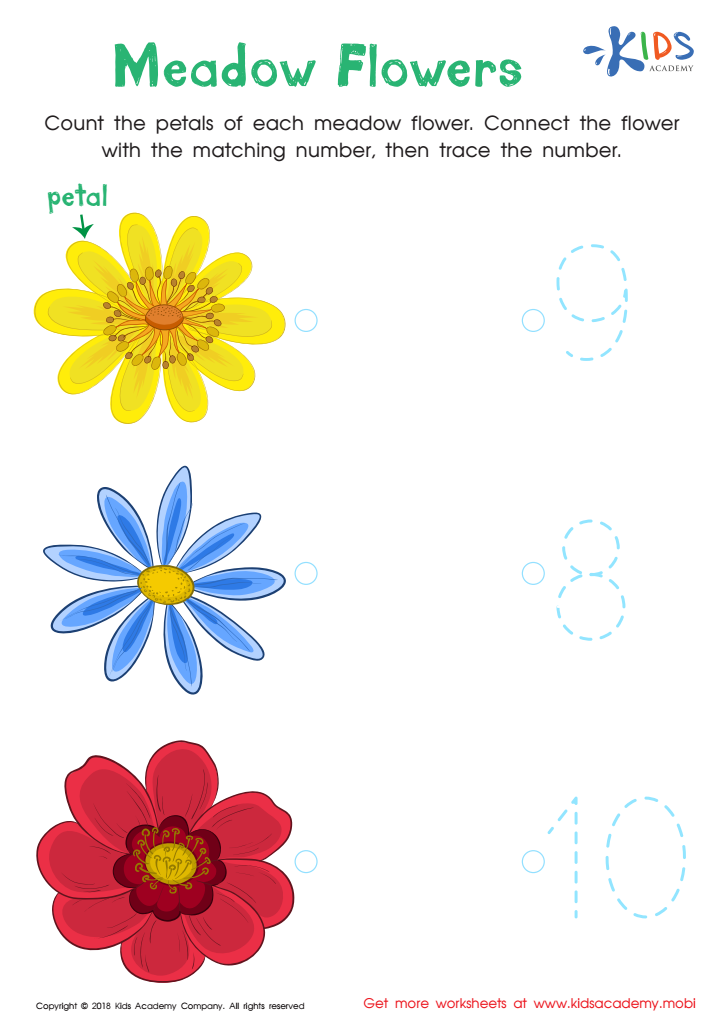
Kindergarten Number Tracing: Medow Flowers Worksheet






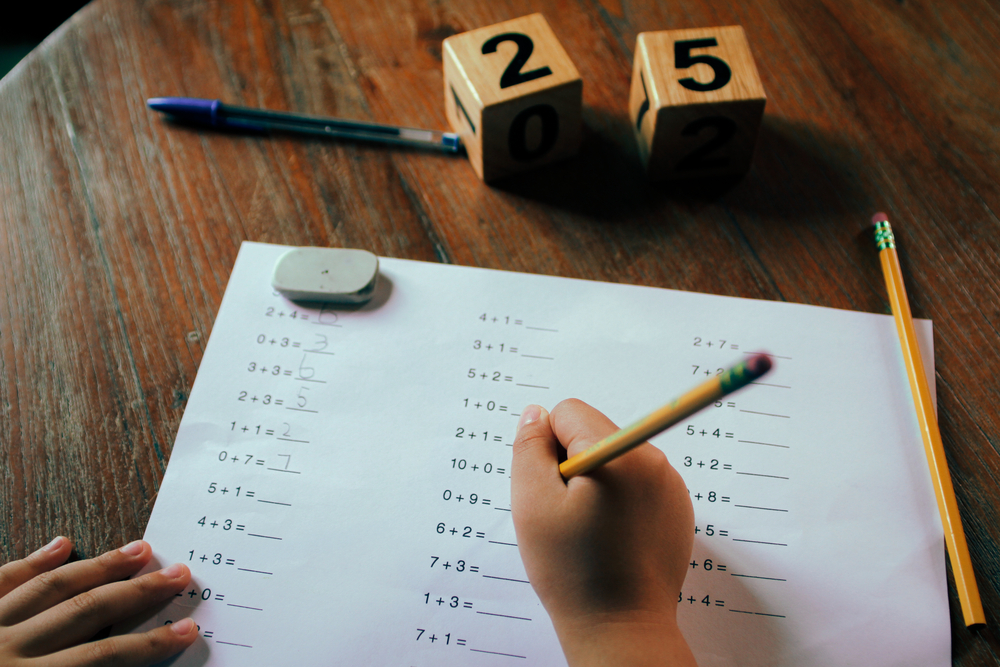

Counting skills and understanding of normal numbers are foundational components of early numeracy for children ages 4-5. Parents and teachers should prioritize these skills because they significantly influence a child's future mathematical understanding and problem-solving abilities. Mastering counting lays the groundwork for more complex mathematical concepts, such as addition, subtraction, and number recognition, which are critical for success in school and everyday life.
At this age, children are naturally curious and eager to learn, making it an ideal time to introduce counting through engaging activities. Activities like counting objects, singing number songs, or using toys stimulate cognitive development and enhance fine motor skills. Furthermore, a solid grasp of counting helps children develop logical thinking, improve concentration, and boost confidence in their abilities.
Additionally, counting skills promote social interactions and communication as children engage in group activities where they share and compare numbers. By encouraging counting skills, parents and teachers foster a positive attitude toward mathematics that can diminish math anxiety later in life. Ultimately, supporting counting skills in early childhood creates a strong foundation for lifelong learning and enables children to tackle future challenges with confidence.