Problem-Solving Skills Normal Math Worksheets for Ages 4-5 - Page 2
29 filtered results
-
From - To
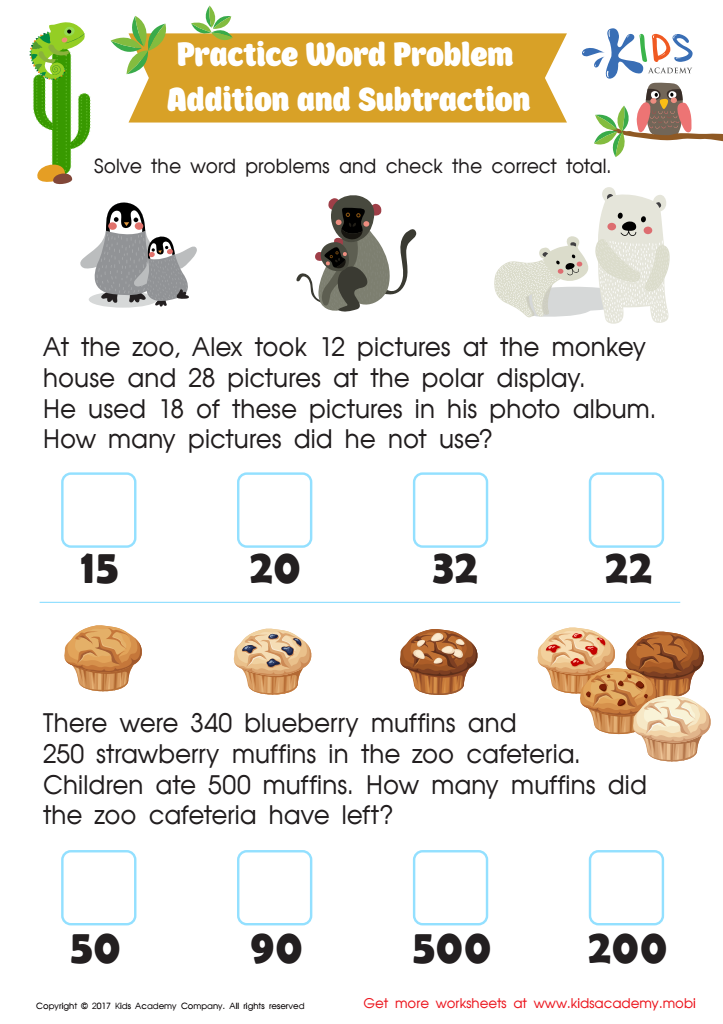
Addition and Subtraction: Word Problems Worksheet
 Assign to My Students
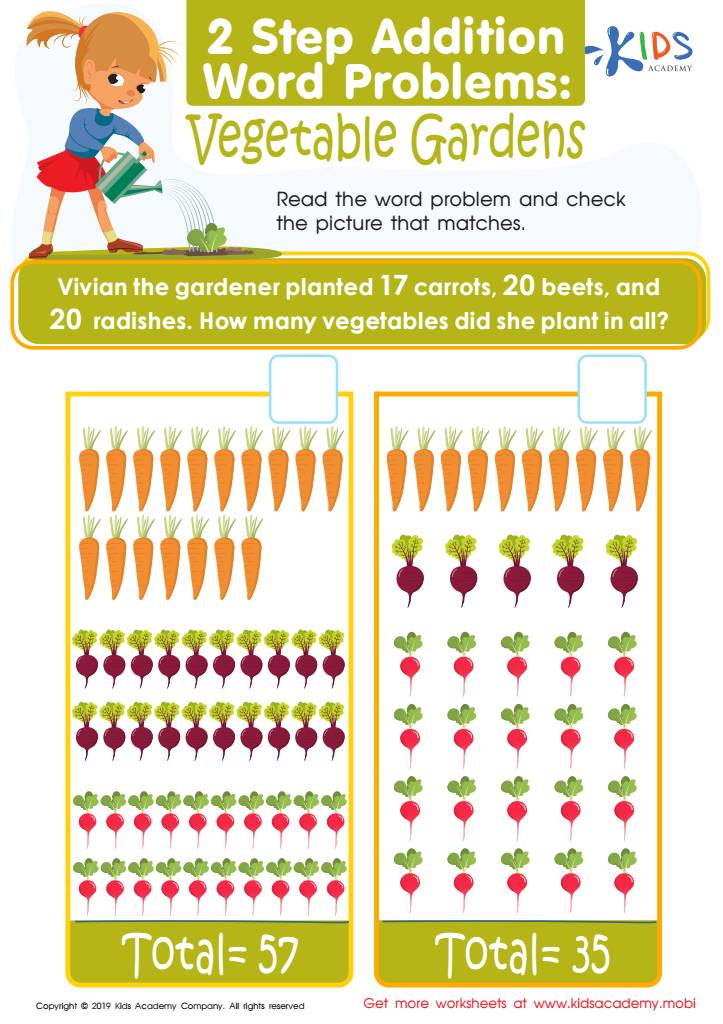
Vegetable Gardens Worksheet
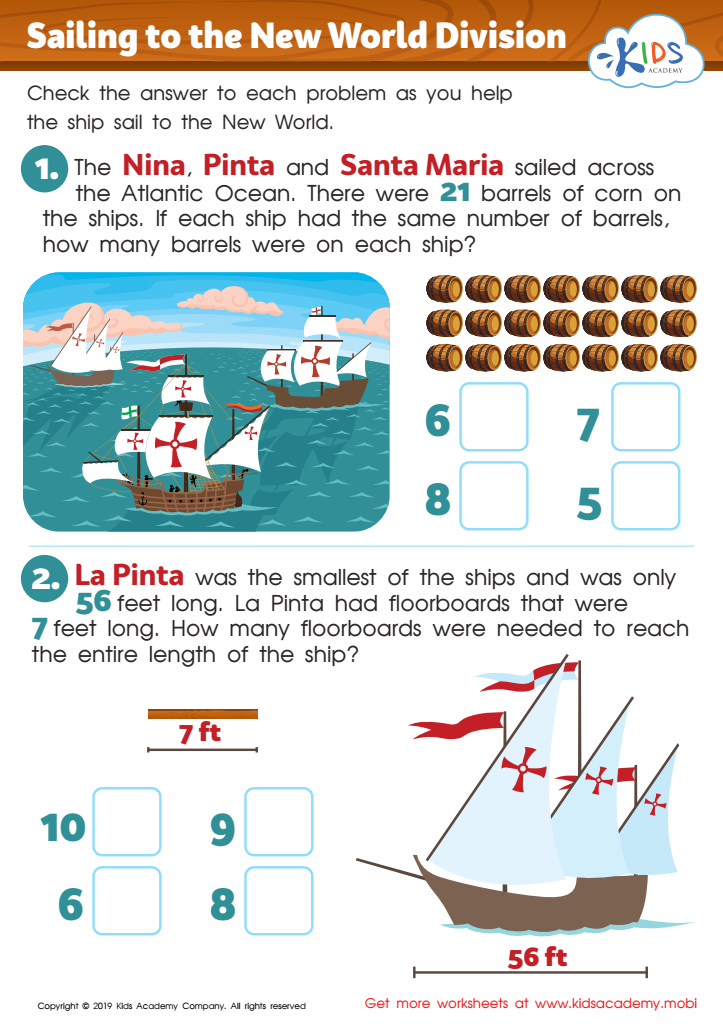
Sailing to the New World Division Worksheet
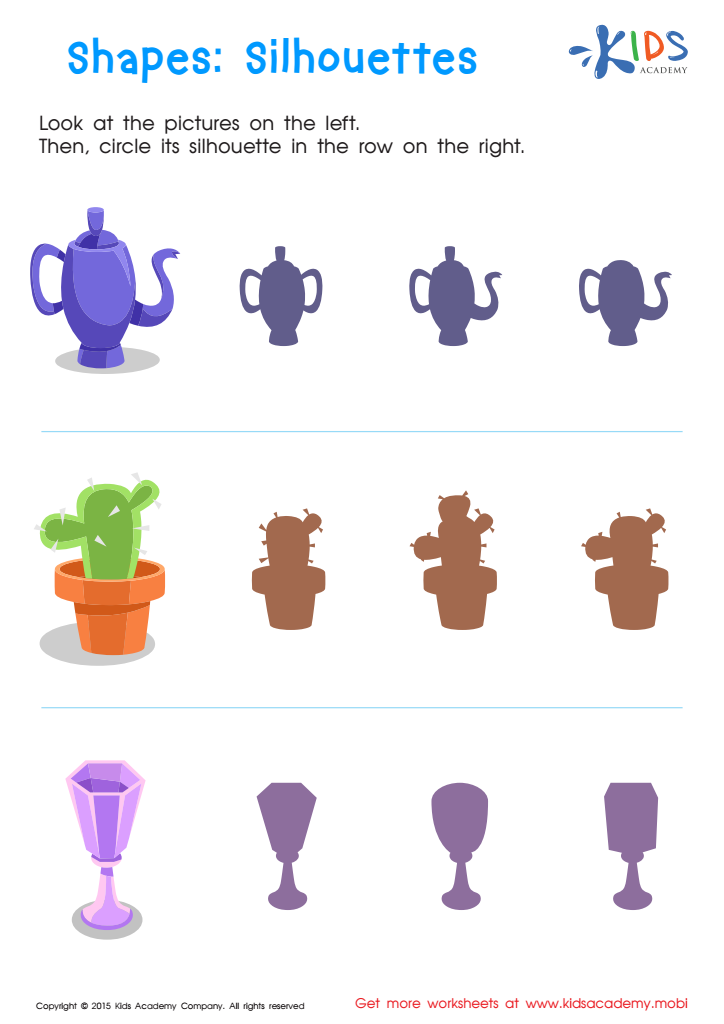
Silhouettes – Shapes Worksheet
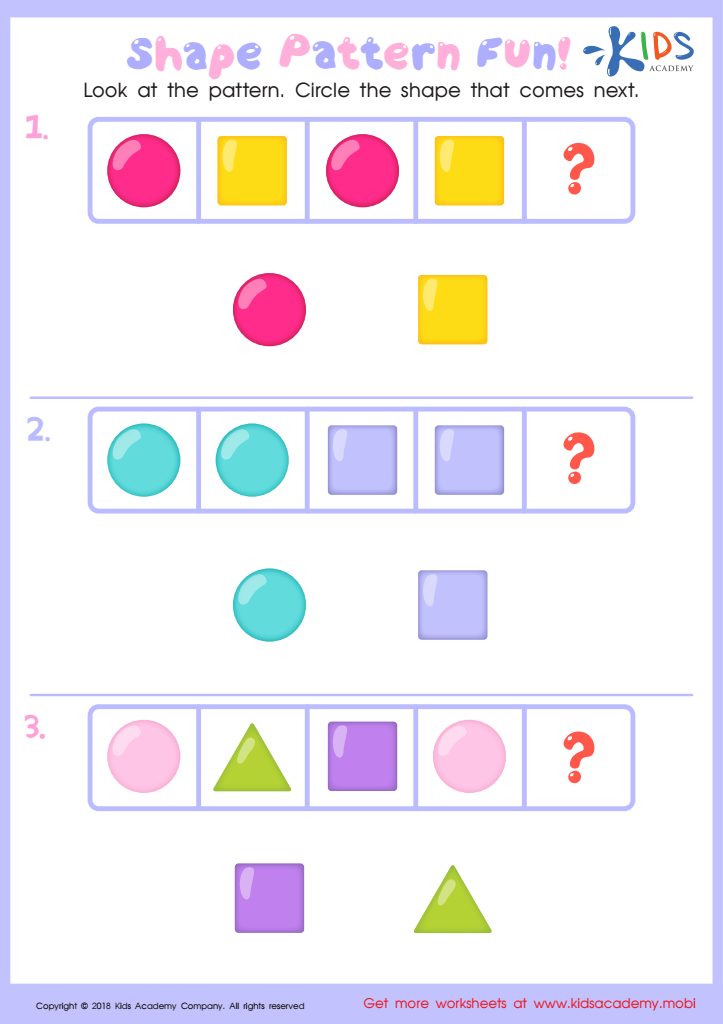
Shape Pattern Fun Worksheet








Young children benefit immensely from developing problem-solving skills through normal math activities. For ages 4-5, engaging with basic math concepts not only builds a strong academic foundation but also enhances cognitive abilities and critical thinking. During these early years, children's brains are extremely receptive and adaptable. Introducing them to math through enjoyable and age-appropriate tasks helps bolster their ability to reason, recognize patterns, and understand relationships between objects and numbers.
Problem-solving skills in math teach perseverance and innovation. Children learn to try different approaches when faced with new challenges, fostering a sense of resilience and creativity. These skills are transferable; once a child understands how to break down a math problem, they can apply the same methods to other areas of learning and everyday life.
Furthermore, early exposure to math can debunk the myth that math is too difficult or intimidating. Positive experiences at a young age can nurture a lifelong interest and confidence in the subject, which is crucial as math becomes more complex in later grades.
Parents and teachers play a pivotal role in this developmental stage. Their support, encouragement, and integration of fun, problem-solving math activities into daily routines can profoundly impact a child’s learning trajectory and enthusiasm for the subject. In essence, caring about and promoting problem-solving skills through normal math activities lays a vital cornerstone for future academic success and life skills.








