Sorting skills Normal Math Worksheets for Ages 4-5
7 filtered results
-
From - To
Discover our engaging "Sorting Skills Normal Math Worksheets" designed specifically for children ages 4-5. These interactive worksheets help young learners develop essential sorting and classification abilities through fun, hands-on activities. By organizing objects based on size, shape, color, and other attributes, children enhance critical thinking and problem-solving skills. Ideal for both home and classroom use, these worksheets provide a variety of colorful images and easy-to-follow instructions to keep early learners motivated. Foster foundational math skills while making learning enjoyable! Explore our collection today to support your child’s educational journey in a playful and impactful way.
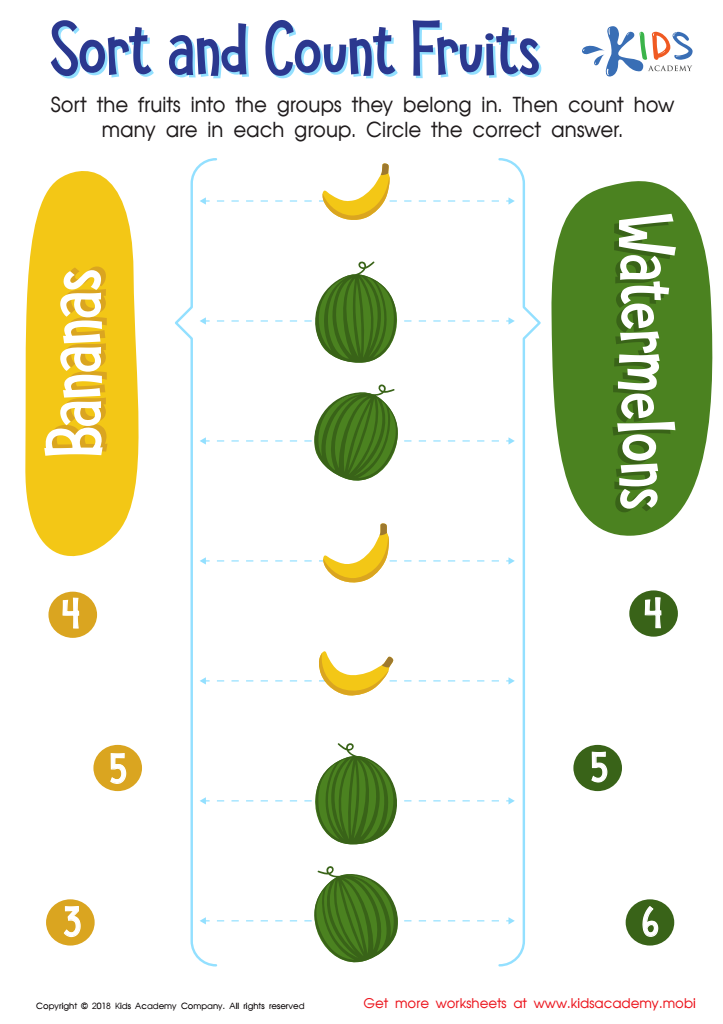
Sort and Count Fruits Worksheet
 Assign to My Students
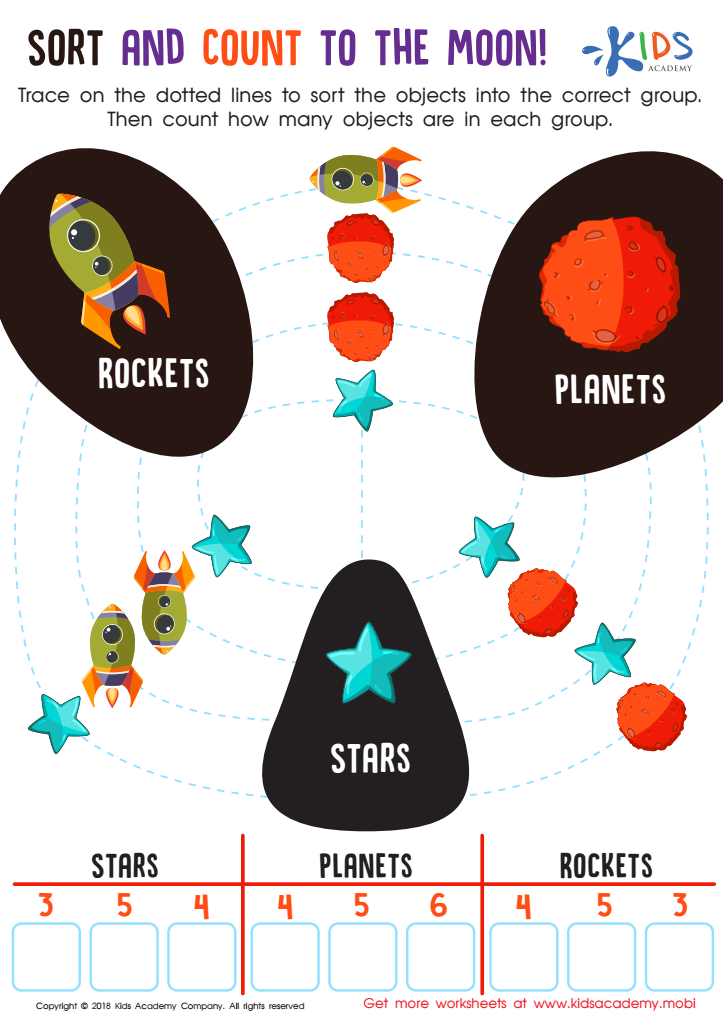
Sort and Count to the Moon Worksheet
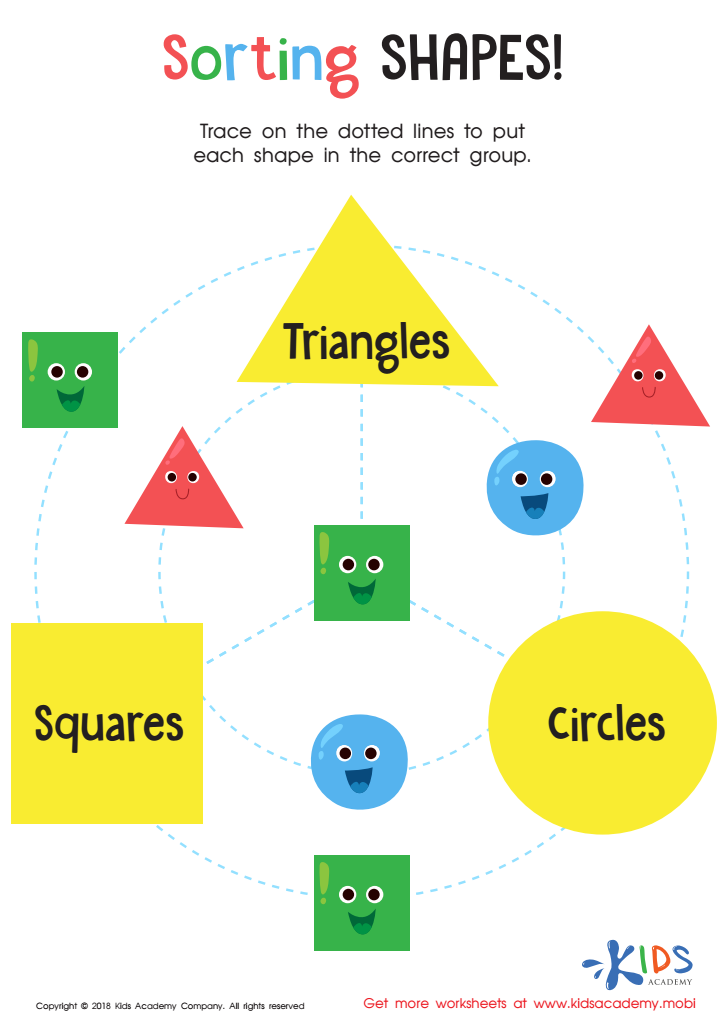
Sorting Shapes - Part 3 Worksheet
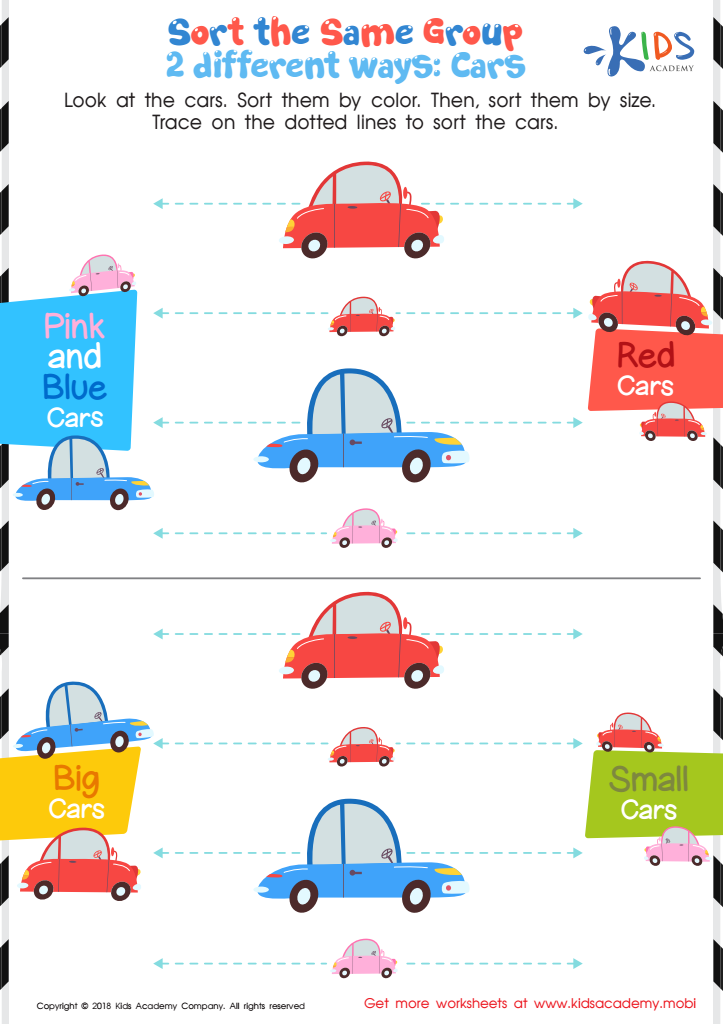
Sort the Same Group 2 Different Ways: Cars Worksheet
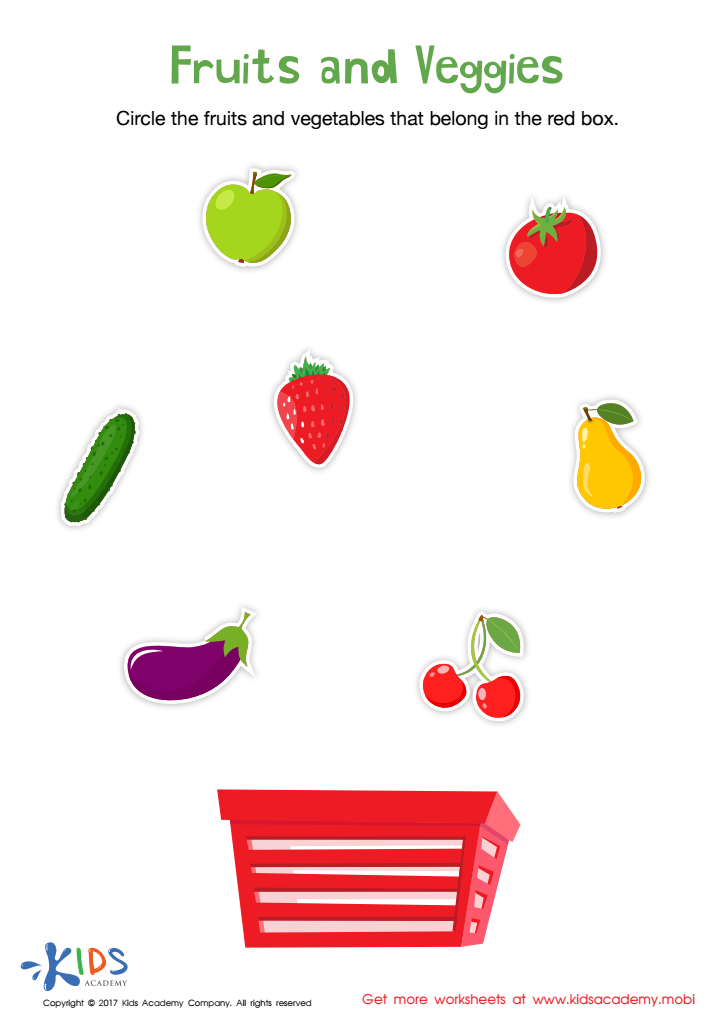
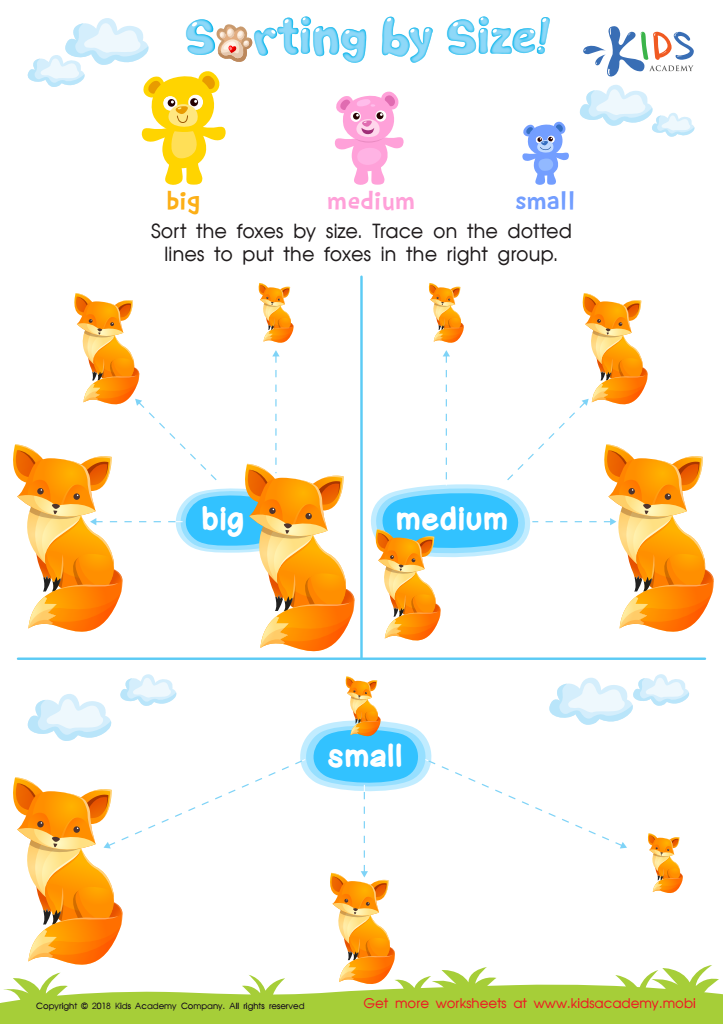
Sorting by Size Worksheet
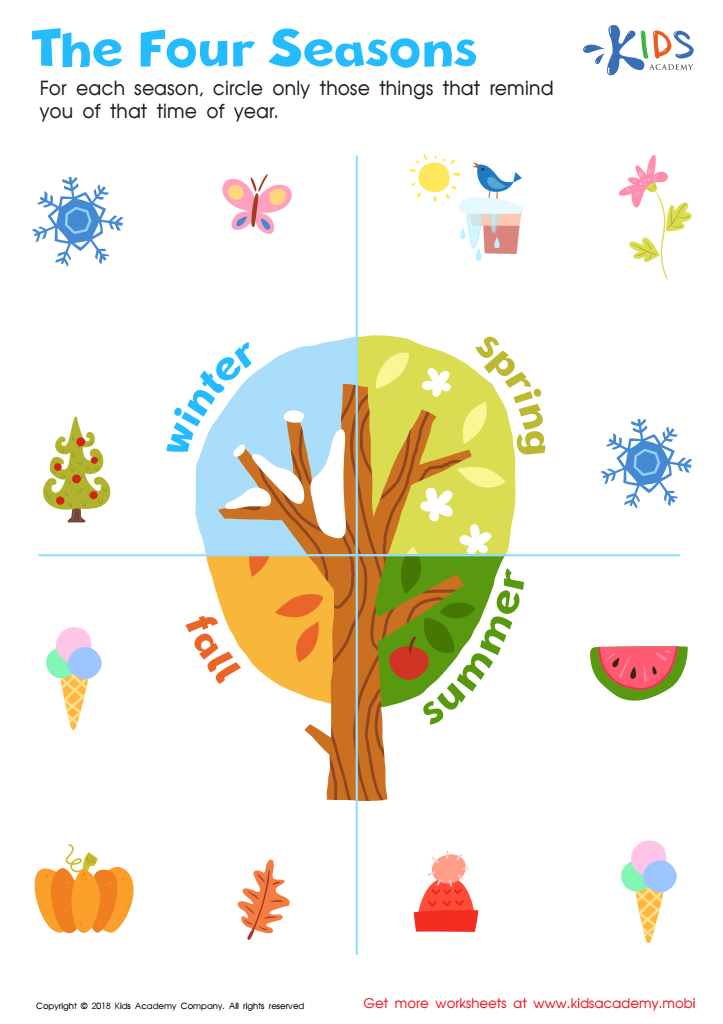
The Four Seasons Worksheet







%20(1).jpg)
Sorting skills are a foundational aspect of early mathematical development for children aged 4-5. Parents and teachers should prioritize these skills because they play a vital role in cognitive development and promote critical thinking. By learning to categorize objects based on size, color, shape, or other attributes, children enhance their ability to recognize patterns, which is essential for more complex mathematical concepts like counting, addition, and organization.
Moreover, sorting activities can improve fine motor skills, enhance language development through terminology associated with classification, and foster essential social skills during collaborative tasks. Engaging in sorting helps children develop the ability to make distinctions and judgments about similarities and differences, paving the way for logical reasoning.
Additionally, incorporating sorting into everyday learning promotes curiosity and exploration, making learning fun and relatable. Parents can guide at-home activities using household items, while teachers can implement structured lessons. Fostering sorting skills early on lays a strong foundation not only for math but also for overall cognitive abilities and problem-solving skills necessary for academic success in future grades. Ultimately, attending to sorting skills at this age opens windows to broader educational opportunities, preparing children for a lifetime of learning.








