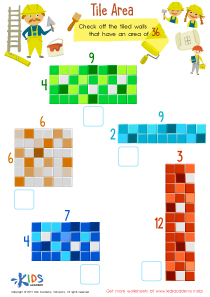
Categorization skills Normal Sorting Worksheets for Ages 4-5
5 filtered results
-
From - To
Develop essential categorization skills with our engaging Normal Sorting Worksheets designed for children aged 4-5! These fun and educational worksheets help young learners enhance critical thinking by sorting and classifying objects based on various attributes such as shape, color, size, and more. Our activities are carefully crafted to boost cognitive development, encourage problem-solving, and foster attention to detail. By differentiating and grouping items, kids will build a solid foundation for future math and science learning. Ideal for preschool and kindergarten students, these worksheets make learning an enjoyable journey. Discover the joy of organized learning with our interactive sorting exercises!
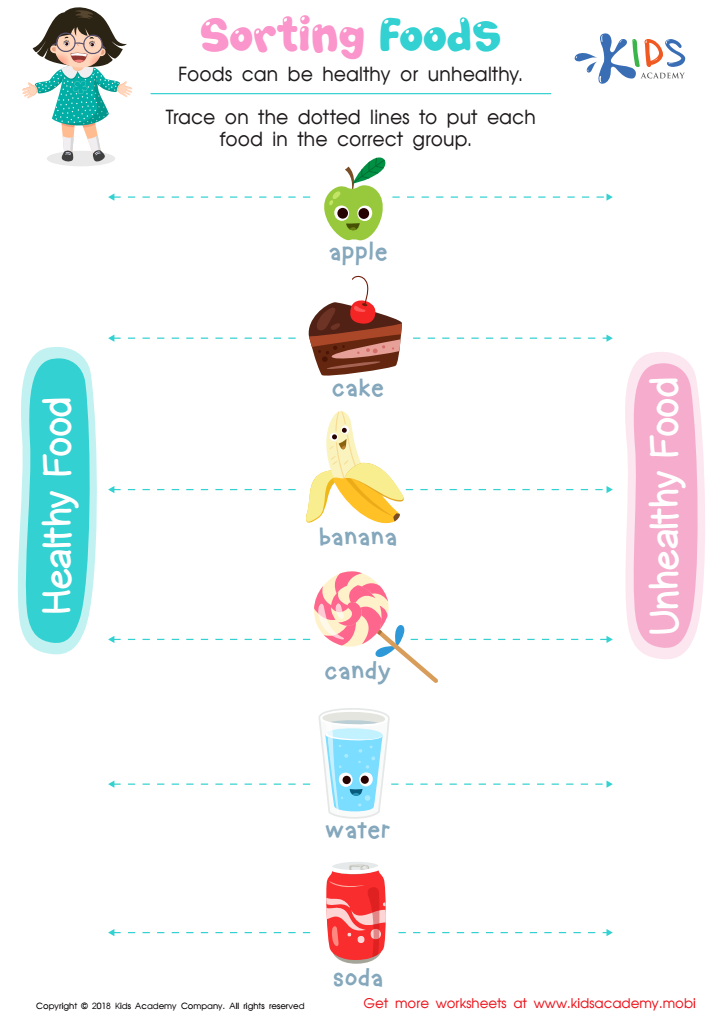
Sorting Food Worksheet
 Assign to My Students
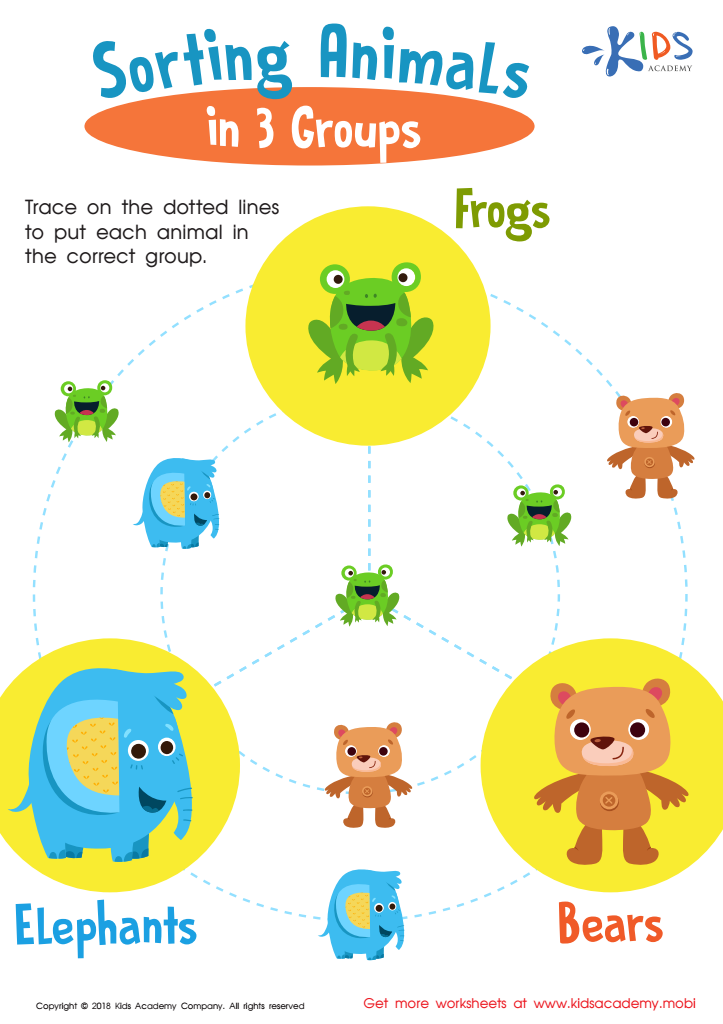
Sorting Animals in 3 Groups Worksheet
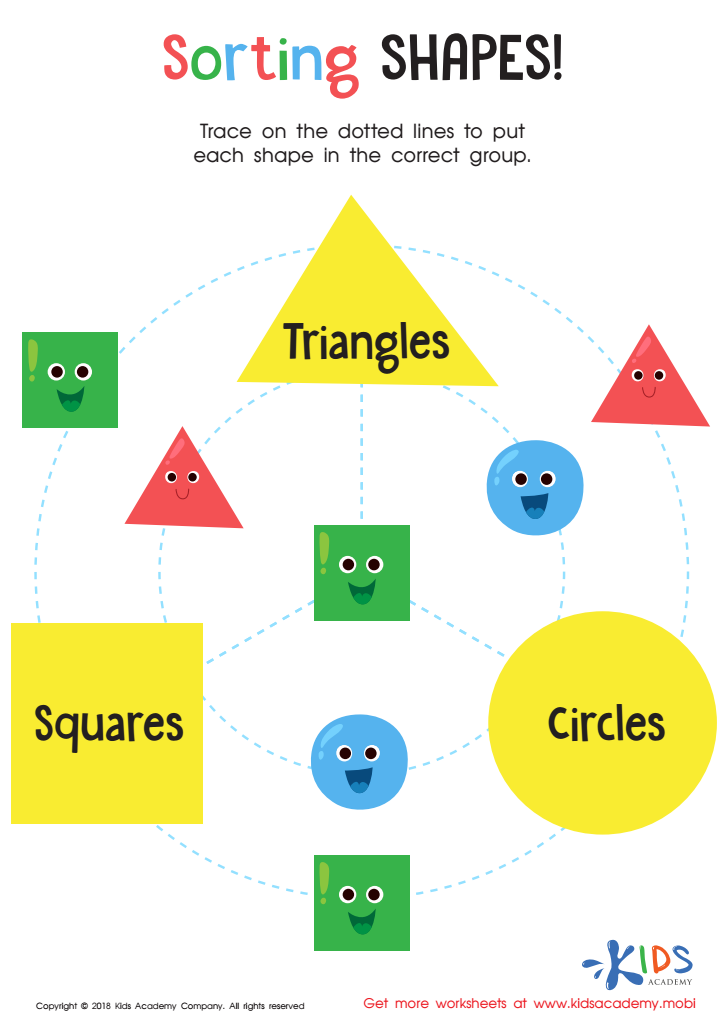
Sorting Shapes - Part 3 Worksheet
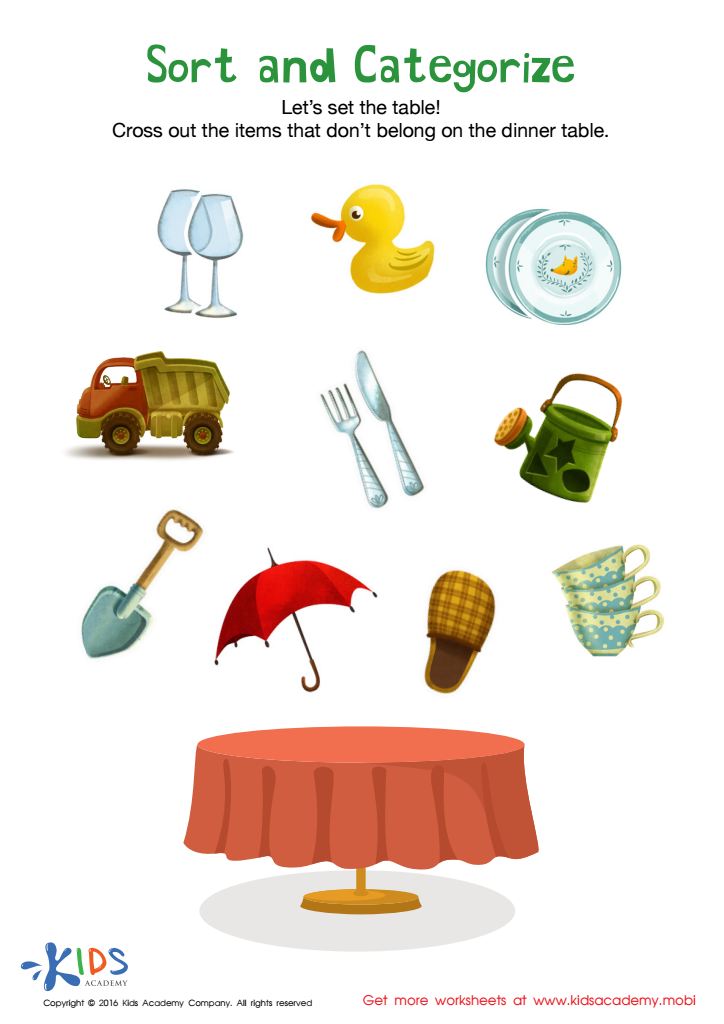
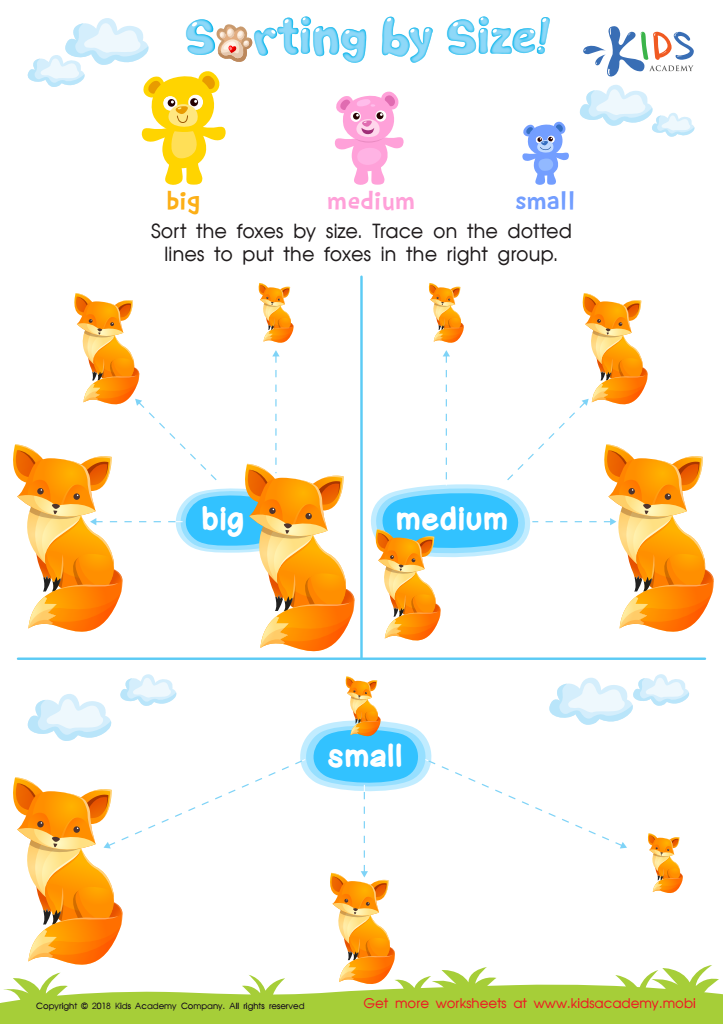
Sorting by Size Worksheet







Categorization is a crucial cognitive skill for children aged 4-5 that significantly impacts their developmental journey. At this age, children are beginning to make sense of the world around them, and categorization helps them organize information into manageable groups. This skill is foundational for academic learning and everyday functioning.
When parents and teachers encourage categorization activities, such as sorting objects by color, shape, or size, children develop critical thinking and problem-solving skills. These activities enhance their ability to recognize patterns and relationships, which are essential for later learning in subjects like math and science. For instance, understanding geometric shapes or grouping numbers lays the groundwork for more complex mathematical concepts.
Beyond academics, categorization skills support language development. As children sort and classify items, they expand their vocabulary and improve their ability to articulate thoughts. For example, grouping animals by habitat fosters discussions that introduce new words and concepts, enriching their language skills.
Furthermore, categorization enhances social skills and self-confidence. Successfully sorting items provides a sense of achievement, motivating children to engage in more complex tasks. It also teaches them to apply learned skills in new situations, promoting flexible thinking and adaptability.
In summary, fostering categorization skills in young children sets the stage for future learning and personal growth, making it an essential focus for parents and teachers.