Critical Thinking Normal Reading Fiction Worksheets for Ages 4-5
13 filtered results
-
From - To
Unlock your child's imagination and cognitive skills with our "Critical Thinking Normal Reading Fiction Worksheets" designed for ages 4-5! These engaging worksheets combine storytelling with essential critical thinking exercises, fostering comprehension and analytical skills. Through age-appropriate fiction texts, children will explore characters, plot developments, and morals, while answering questions that stimulate their ability to think critically and creatively. Perfect for home or classroom use, these worksheets encourage parents and educators to nurture young learners' curiosity and thoughtful interactions with stories. Help your child embark on an exciting reading journey designed to enhance understanding and imagination—download our critical thinking worksheets today!
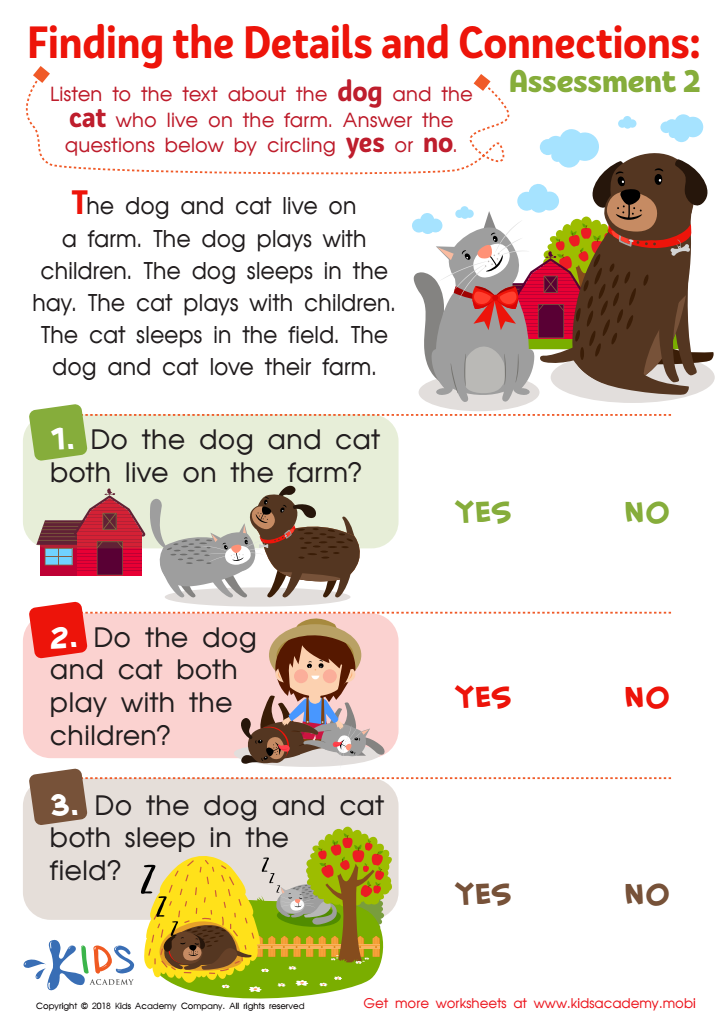
Finding the Details and Connections: Assessment 2 Worksheet
 Assign to My Students
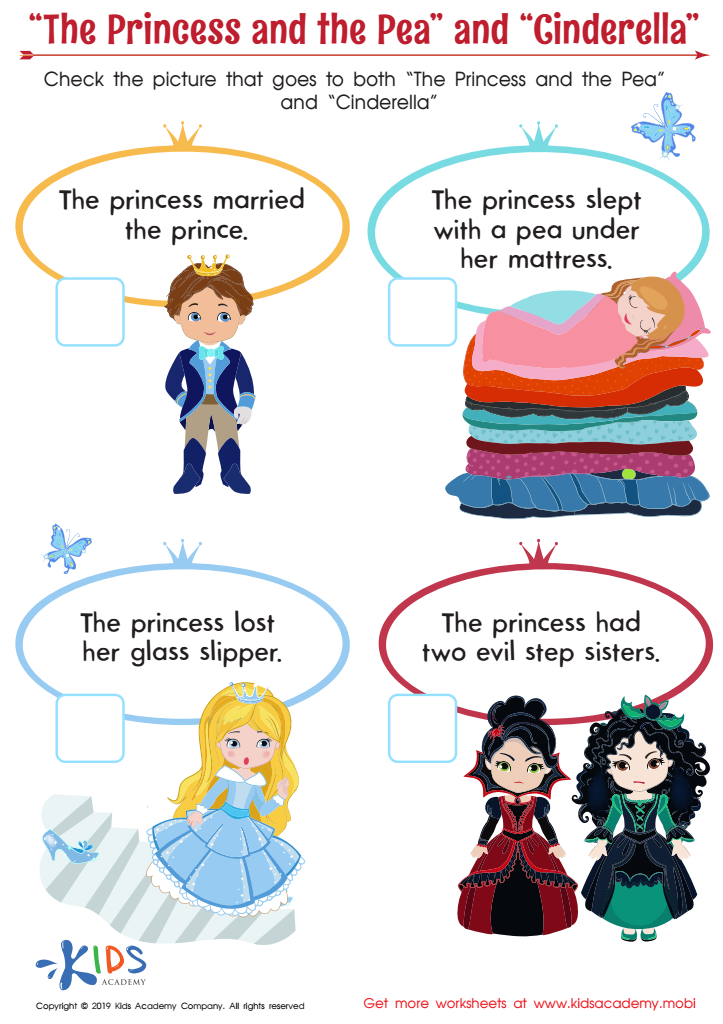
“The Princess and the Pea” and “Cinderella” Worksheet
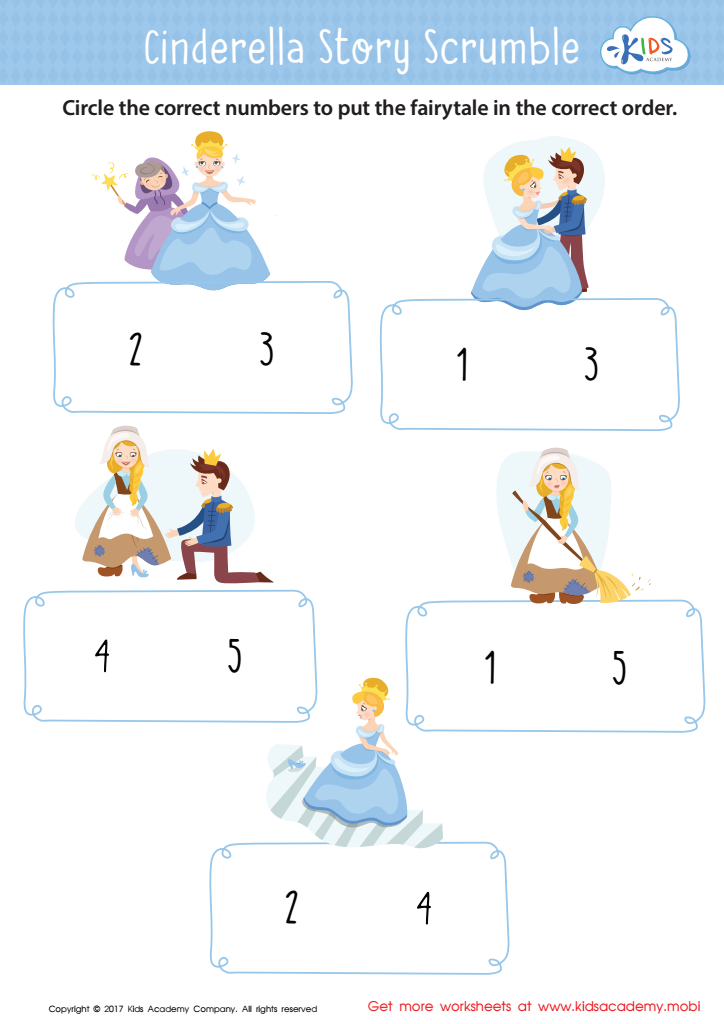
Cinderella Story Sequencing Worksheet
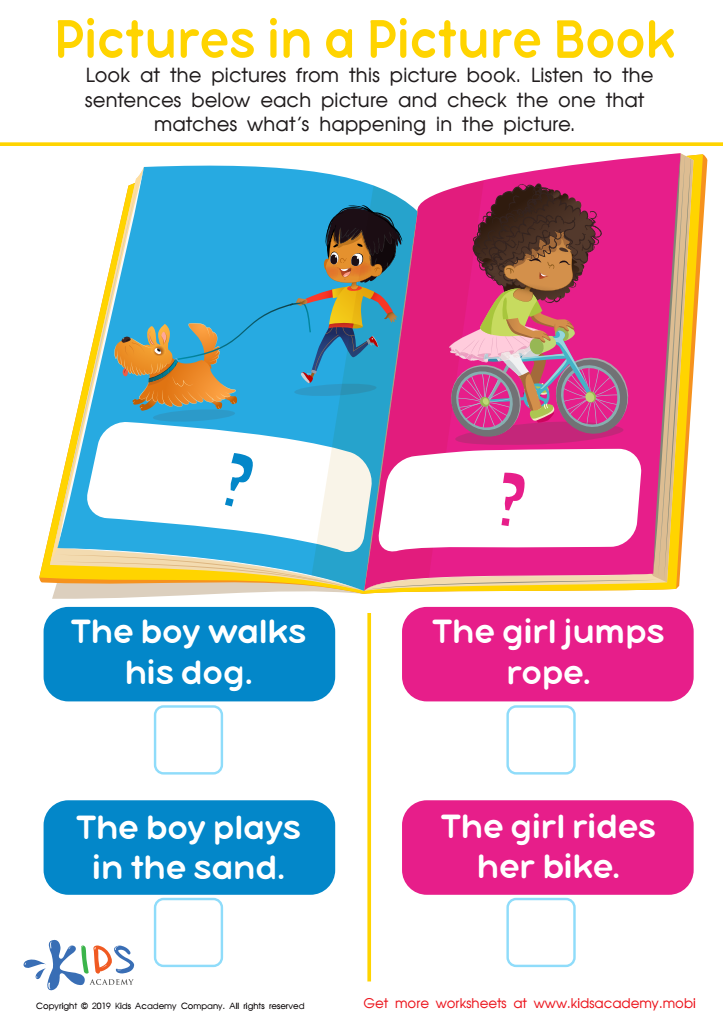
Picture in Books Worksheet
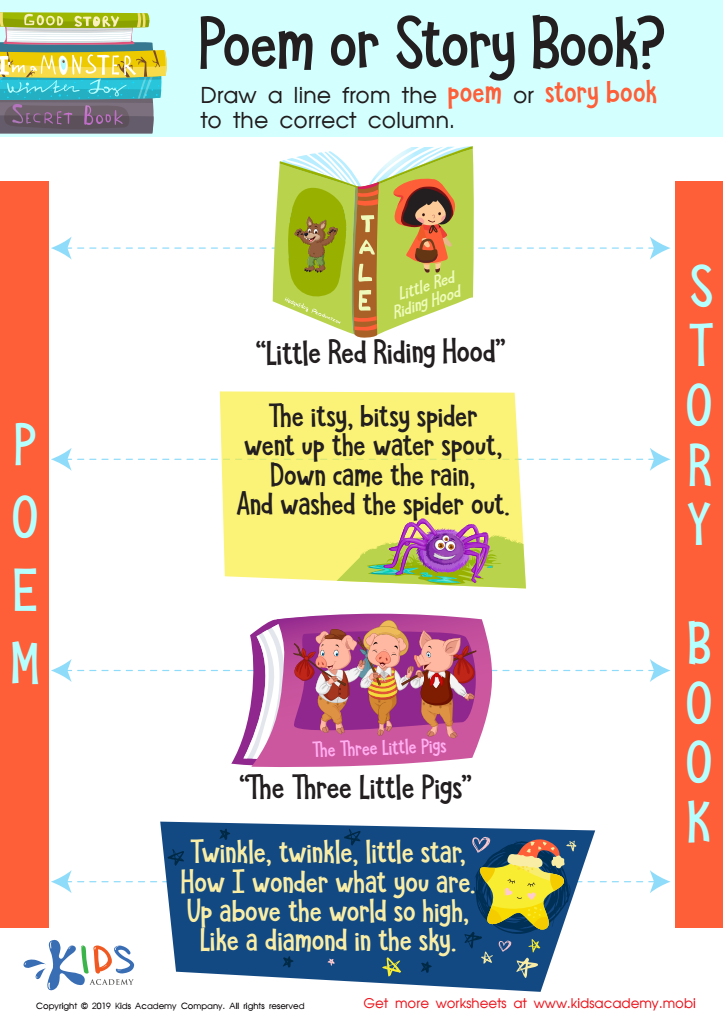
Poem or Story Book? Worksheet
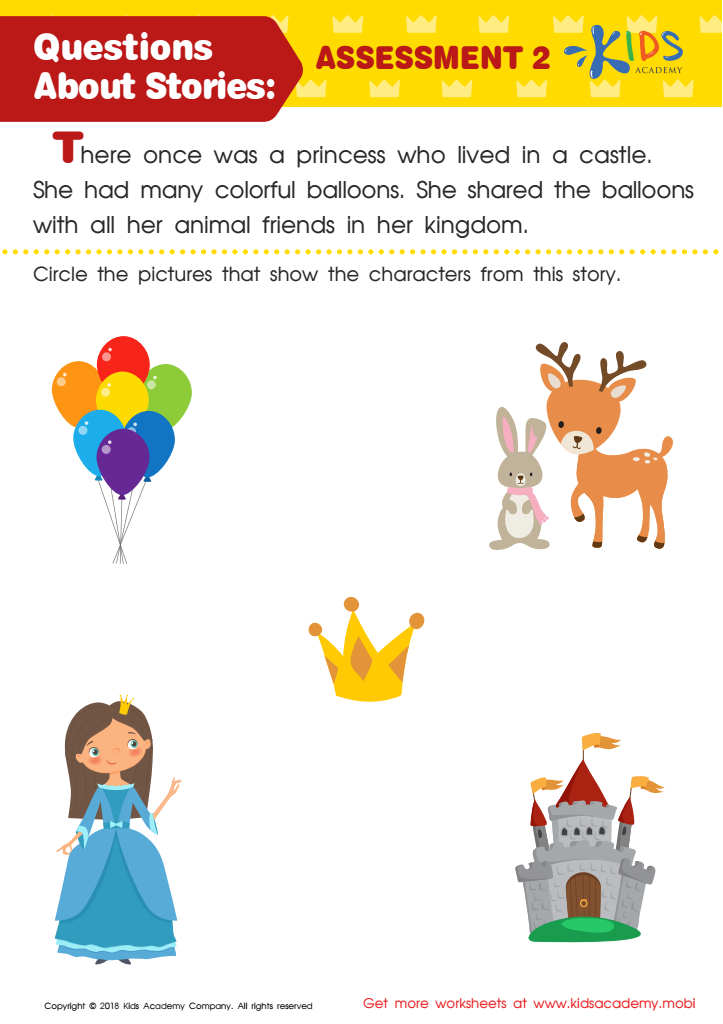
Questions About Stories: Assessment 2 Worksheet
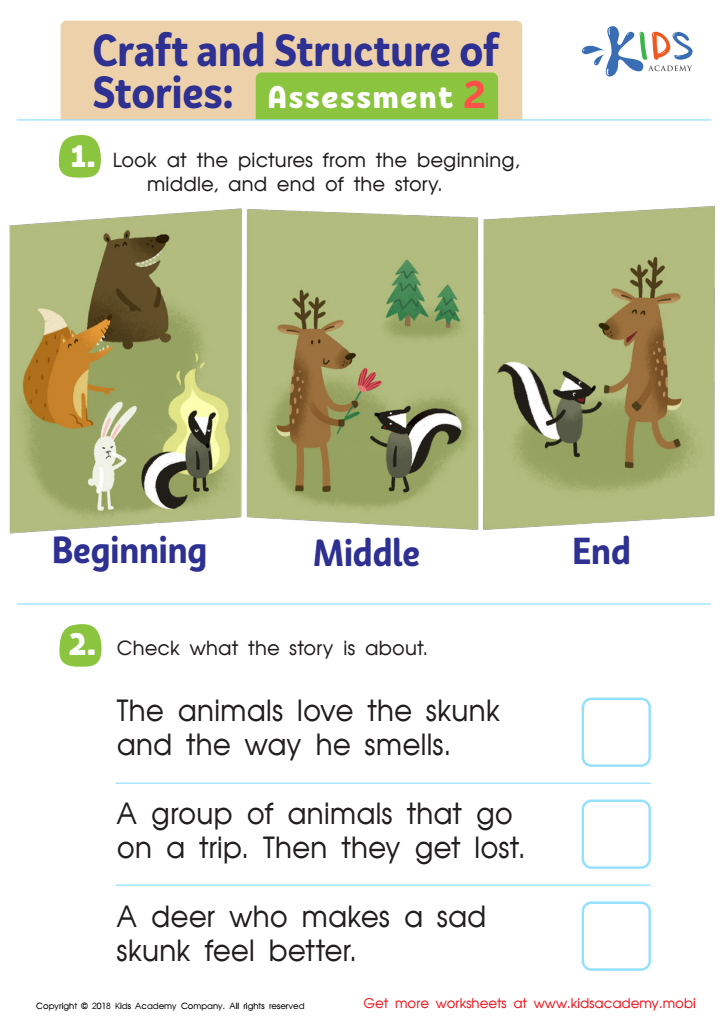
Craft and Structure of Stories: Assessment 2 Worksheet
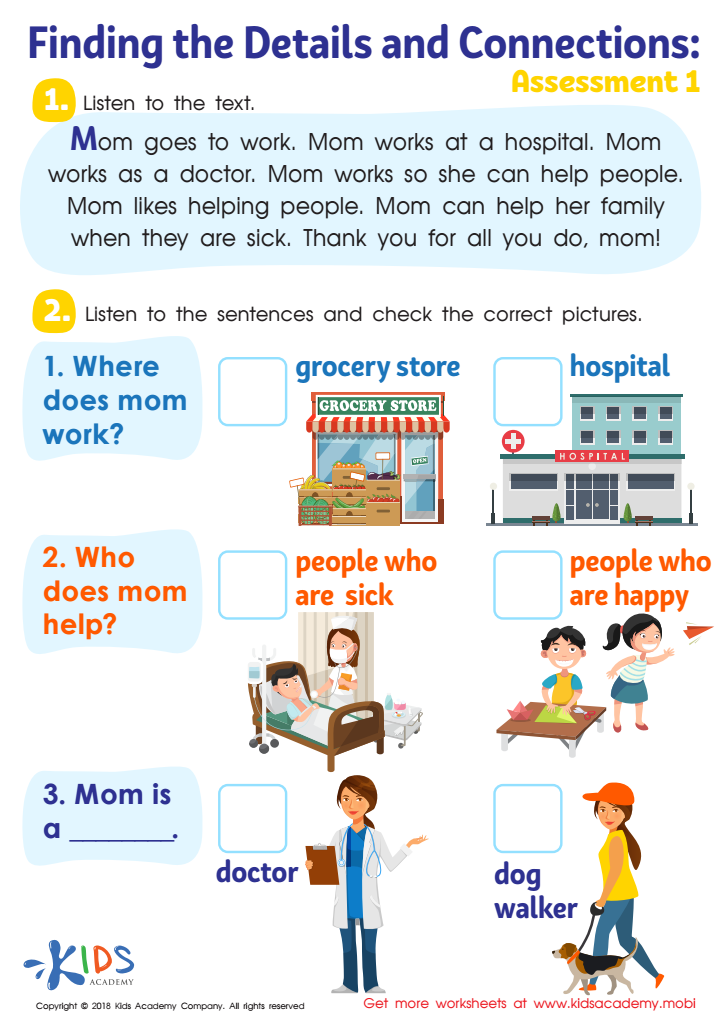
Finding the Details and Connections: Assessment 1 Worksheet
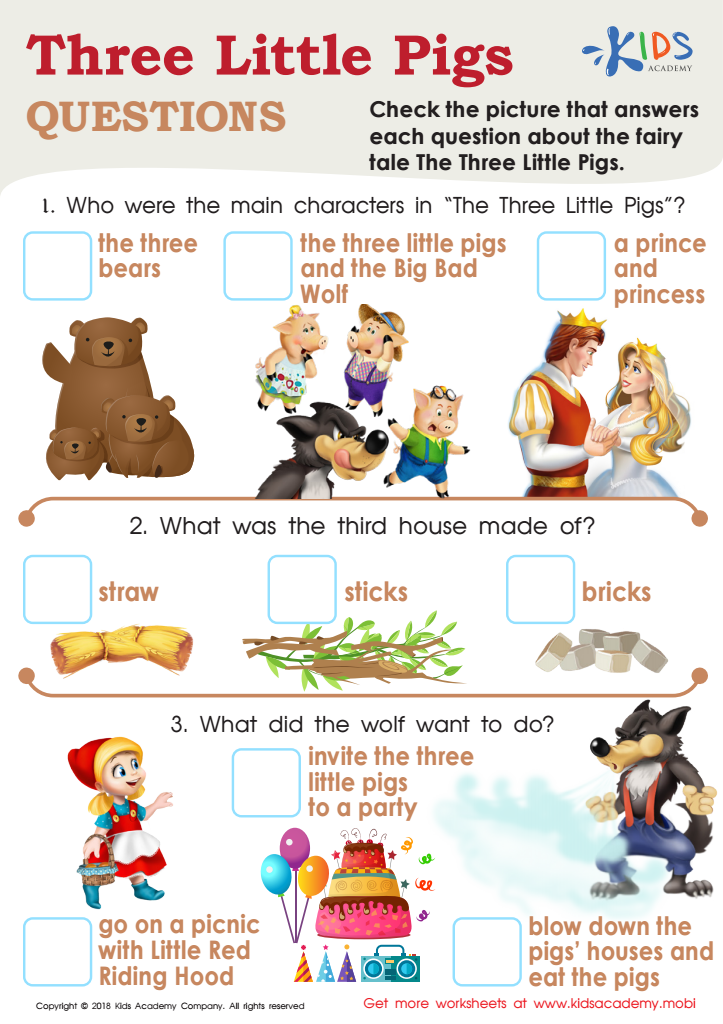
Three Little Pigs Questions Worksheet
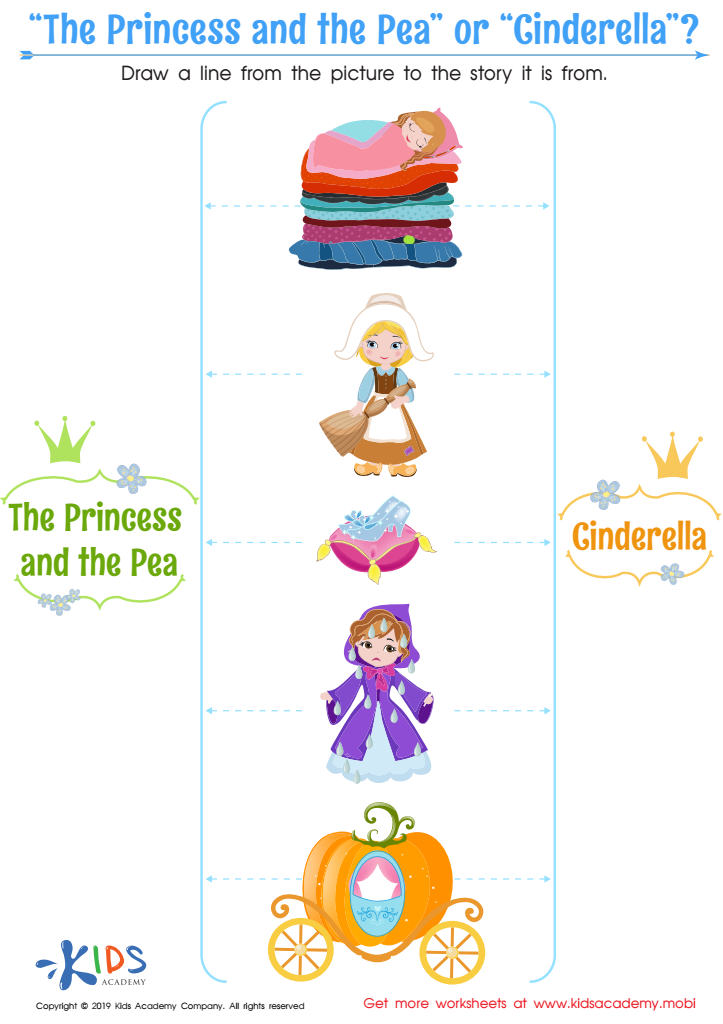
“The Princess and the Pea” or “Cinderella” Worksheet
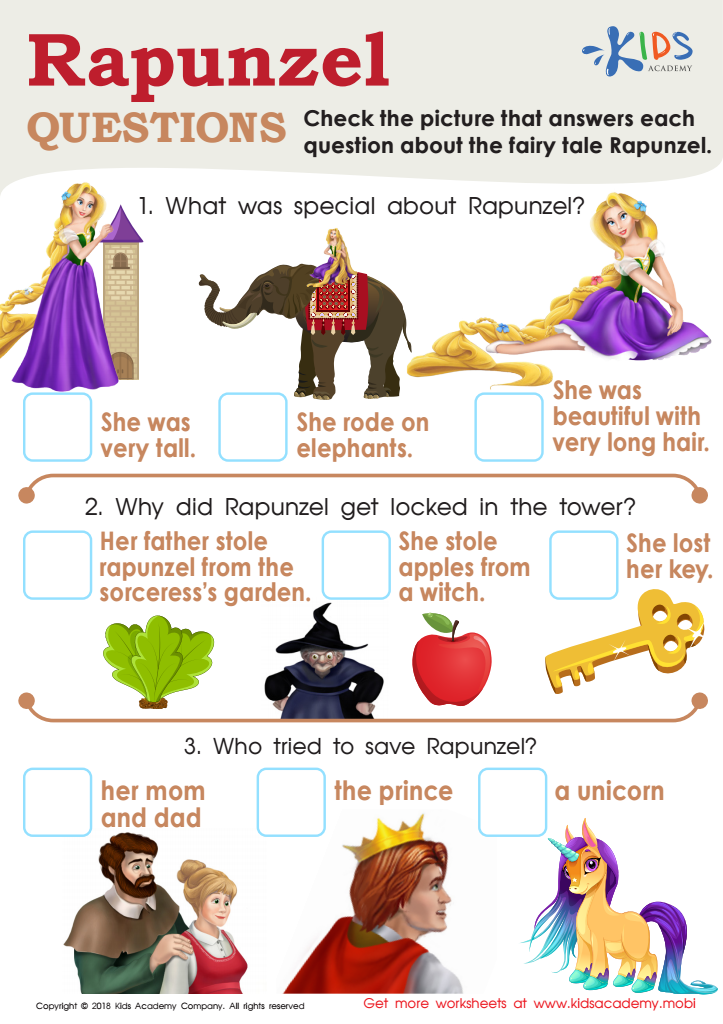
Rapunzel Questions Worksheet
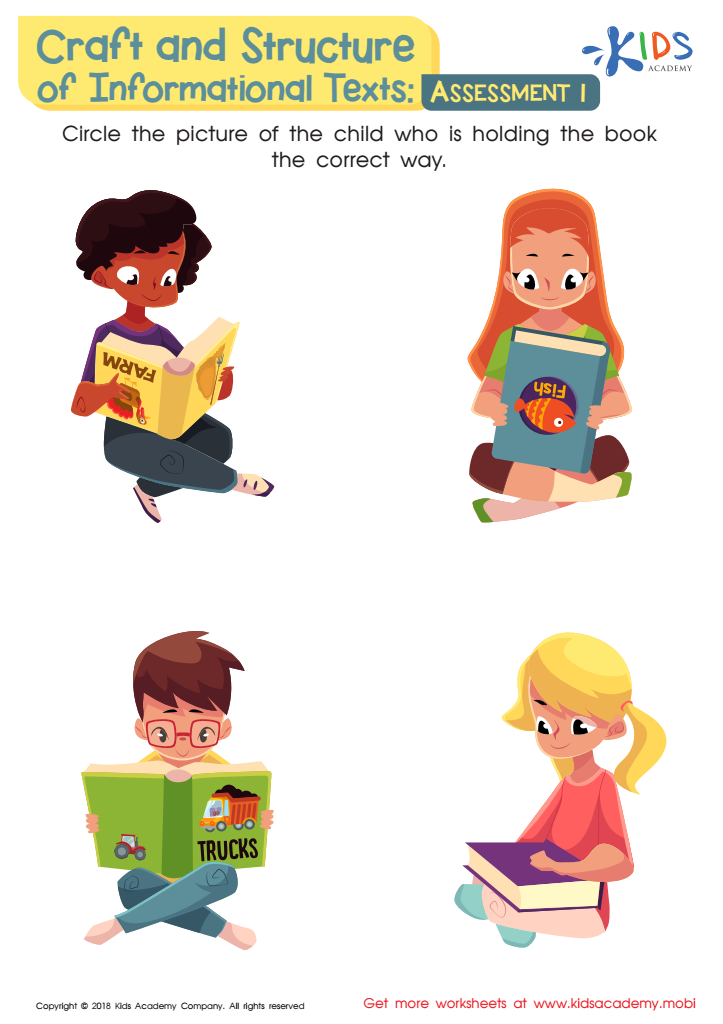
Craft and Structure of Informational Texts: Assessment 1 Worksheet
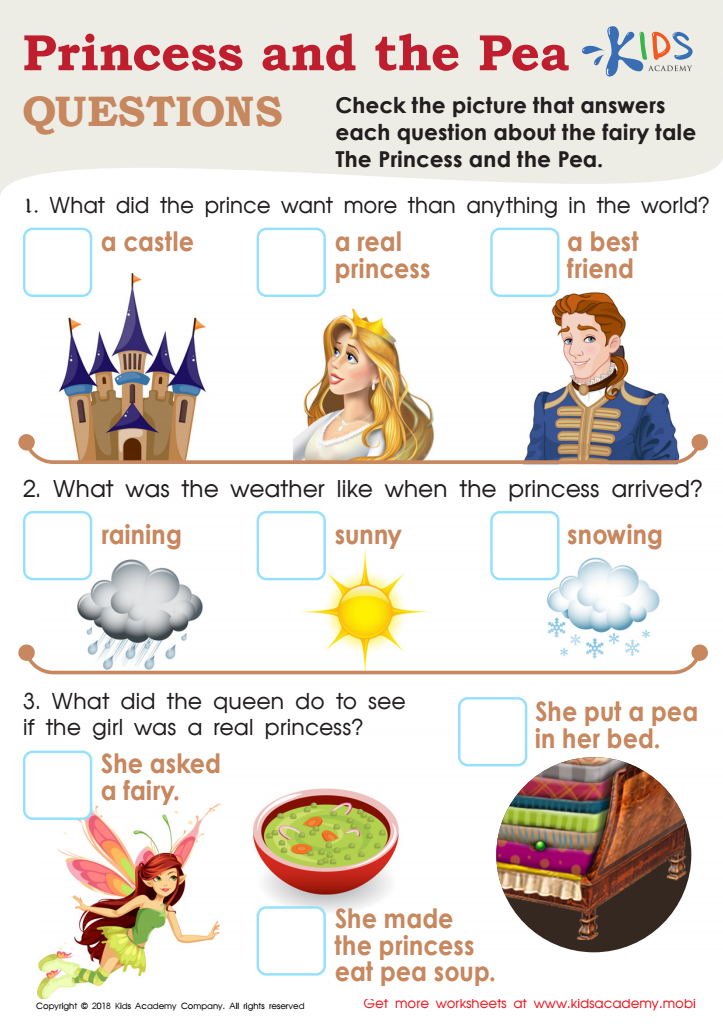
Princess and the Pea Questions Worksheet



.jpg)
.jpg)


Parents and teachers should prioritize critical thinking during reading, especially for children aged 4-5, as it lays the foundation for lifelong learning and problem-solving skills. Engaging in fiction during story time not only captivates young imaginations but also encourages children to think beyond the surface. When educators and parents ask open-ended questions about the characters, plot, and intentions behind the story, they stimulate cognitive processes that enhance understanding and empathy.
Critical thinking also promotes language development, enabling children to articulate their thoughts and make connections between different ideas. This skill is essential as they learn to analyze situations, assess the reliability of sources, and make informed decisions in their daily lives. Furthermore, by integrating critical thinking into normal reading habits, adults can foster a love for literature while encouraging curiosity and exploration.
In summary, parents and teachers play a crucial role in nurturing critical thinking skills through engaging reading experiences. By instilling these capabilities at an early age, they empower children to become confident learners, prepared to navigate an increasingly complex world. The benefits extend beyond academics into social interactions, fostering responsible, reflective, and creative individuals.







