Cognitive Development Normal Animals Worksheets for Ages 4-5
3 filtered results
-
From - To
Enhance your child's learning journey with our "Cognitive Development Normal Animals Worksheets" designed for ages 4-5! These engaging worksheets promote critical thinking and problem-solving skills through fun, animal-themed activities. Your little ones will explore various aspects of animal life, engage in shape recognition, practice sorting, and enjoy easy puzzles, all while reinforcing cognitive skills. Perfect for early learners, our worksheets are designed to be both educational and entertaining, fostering a love for learning about animals and the natural world. Download our printable resources today and watch your child's cognitive abilities flourish while they discover the fascinating world of animals!
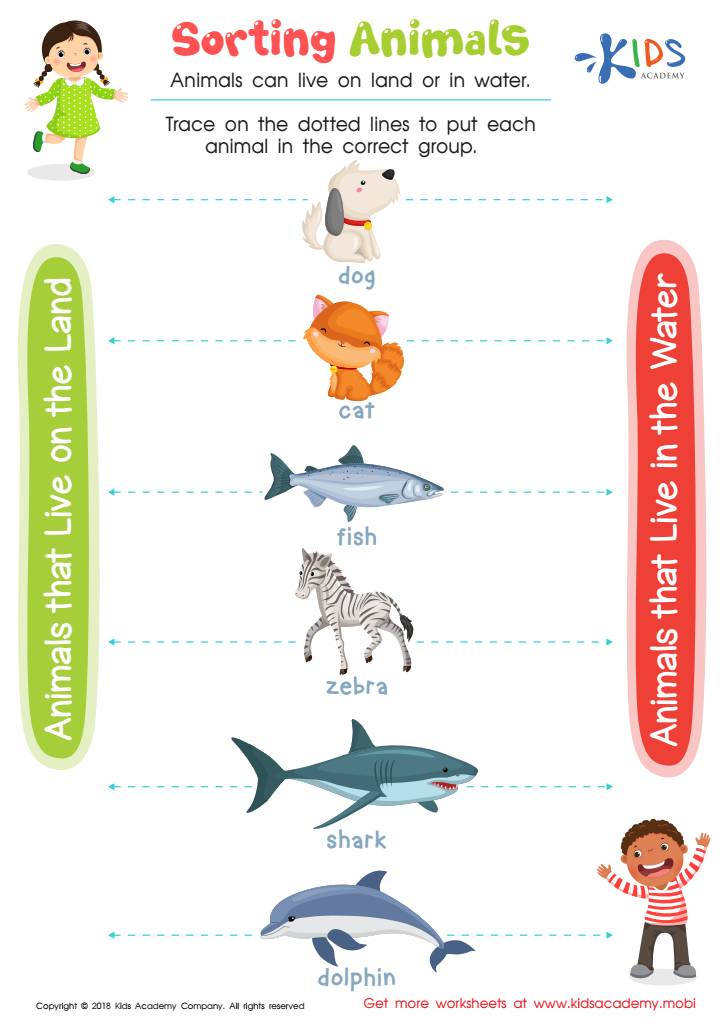
Sorting Animals Worksheet
 Assign to My Students
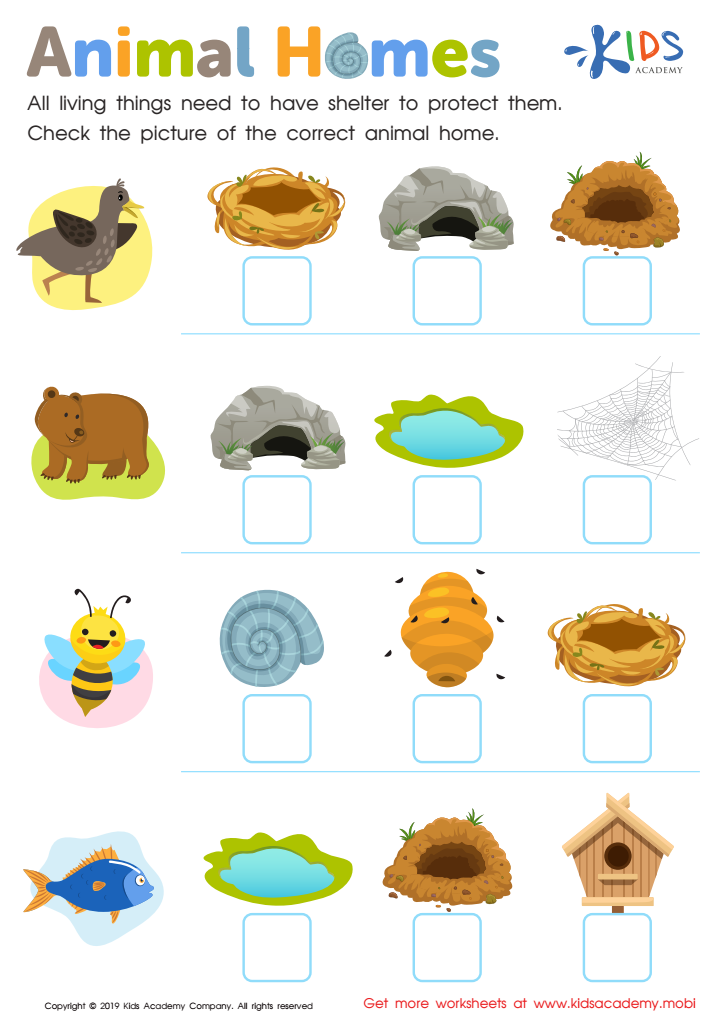
Animal Homes Worksheet
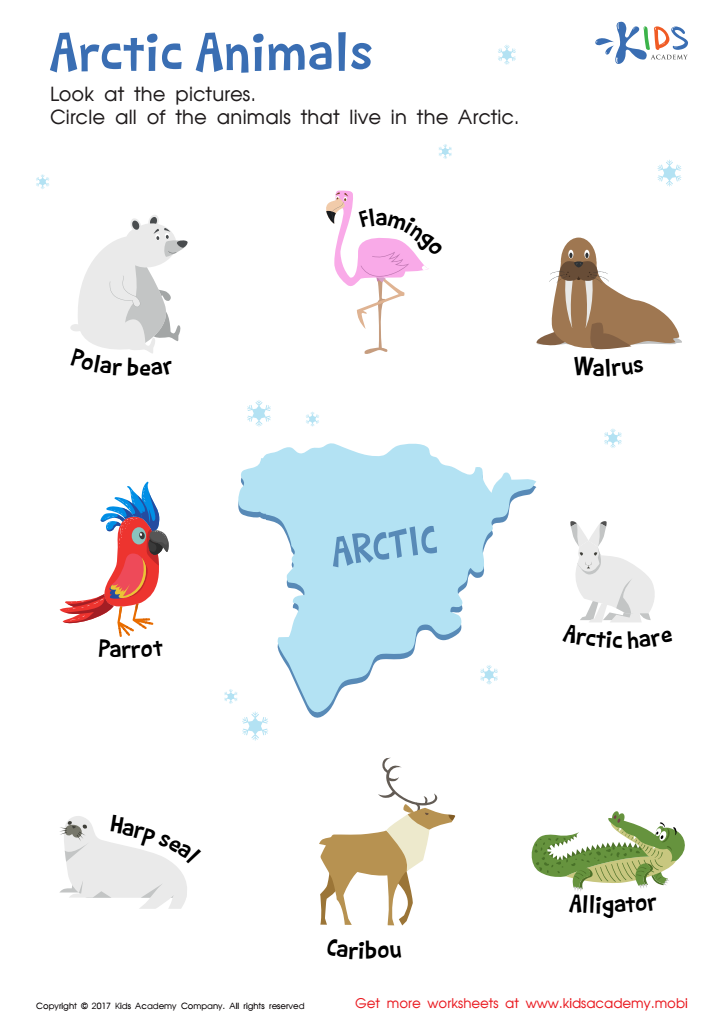
Arctic Animals Worksheet








Cognitive development in children aged 4-5 is crucial as it lays the foundation for learning and social interaction. This stage is marked by significant growth in critical thinking, problem-solving abilities, and understanding of the world. Parents and teachers should care about cognitive development because it influences academic success and emotional well-being.
During this age, children engage in play and exploration, which are vital for developing skills such as language, memory, and reasoning. Normal animals, like puppies or kittens, can serve as excellent teaching tools to facilitate this development. Interactions with animals promote empathy, responsibility, and enhance communication skills as children describe their observations or care for a pet.
Moreover, understanding cognitive development helps parents and teachers tailor activities that align with children's developmental stages, ensuring they provide appropriate challenges and support. This awareness cultivates a more nurturing environment where children can thrive emotionally and intellectually. By fostering cognitive growth through play, social interaction, and hands-on experiences, adults prepare children for future academic endeavors, shaping confident, curious learners ready to explore the world around them. Engaging in these developmental activities can ultimately lead to enhanced lifelong skills and positive self-esteem in young learners.








