Critical Thinking Normal Plants and Animals Worksheets for Ages 4-5
3 filtered results
-
From - To
Discover our engaging Critical Thinking Worksheets for Plants and Animals, designed specifically for ages 4-5. These worksheets aim to foster essential critical thinking skills in young learners through fun and interactive activities. Children will explore the natural world by identifying various plants and animals, comparing their features, and analyzing their habitats. Our carefully crafted exercises encourage inquiry, observation, and reasoning while reinforcing important science concepts. Perfect for home or classroom use, these worksheets serve as a valuable resource for early childhood educators seeking to enhance their students' cognitive development. Start your child’s adventure into the exciting world of plants and animals today!
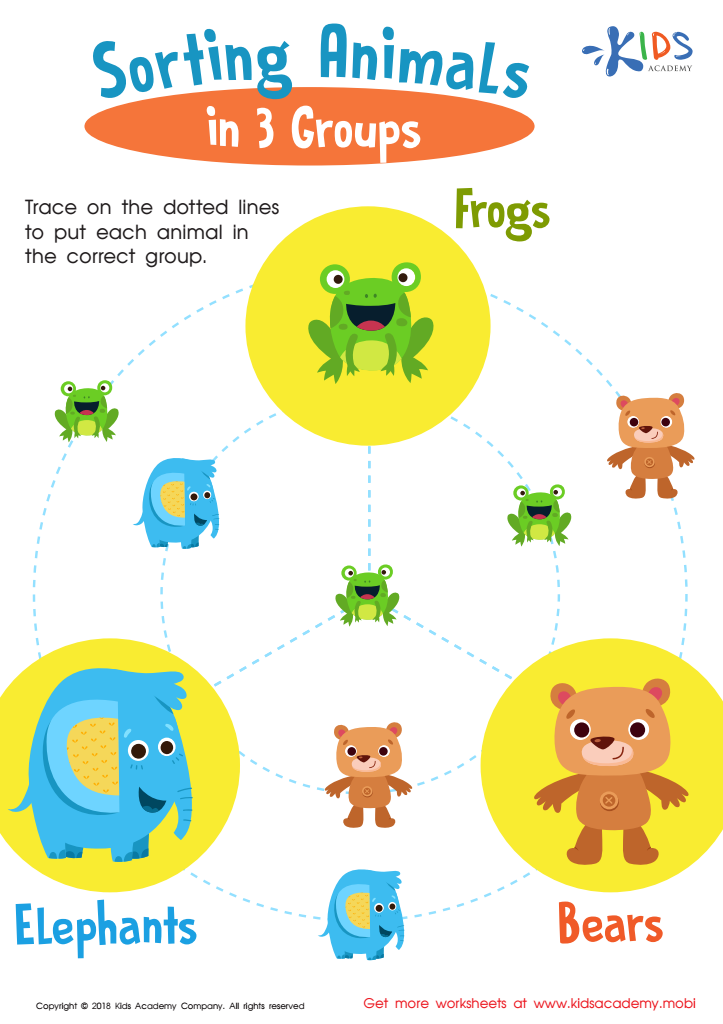
Sorting Animals in 3 Groups Worksheet
 Assign to My Students
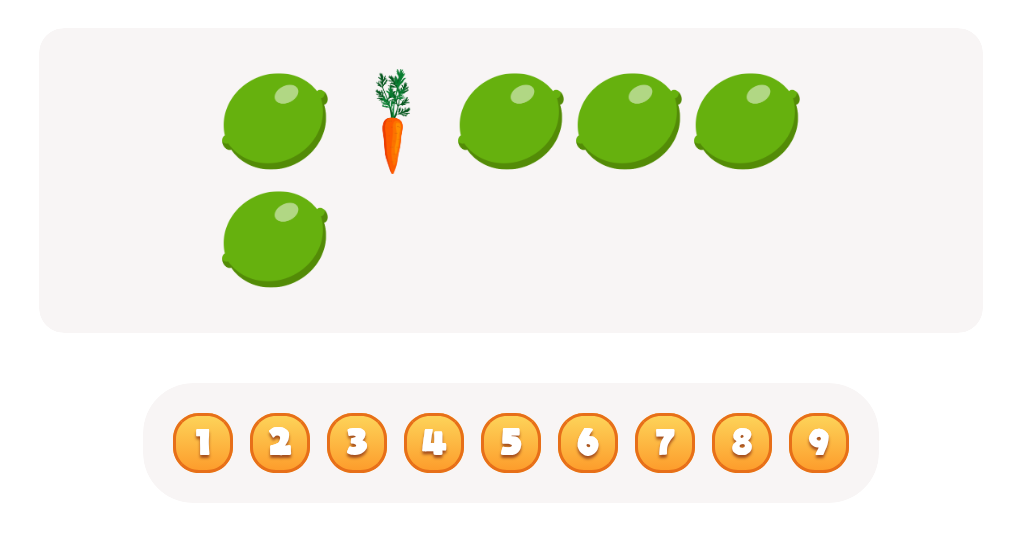

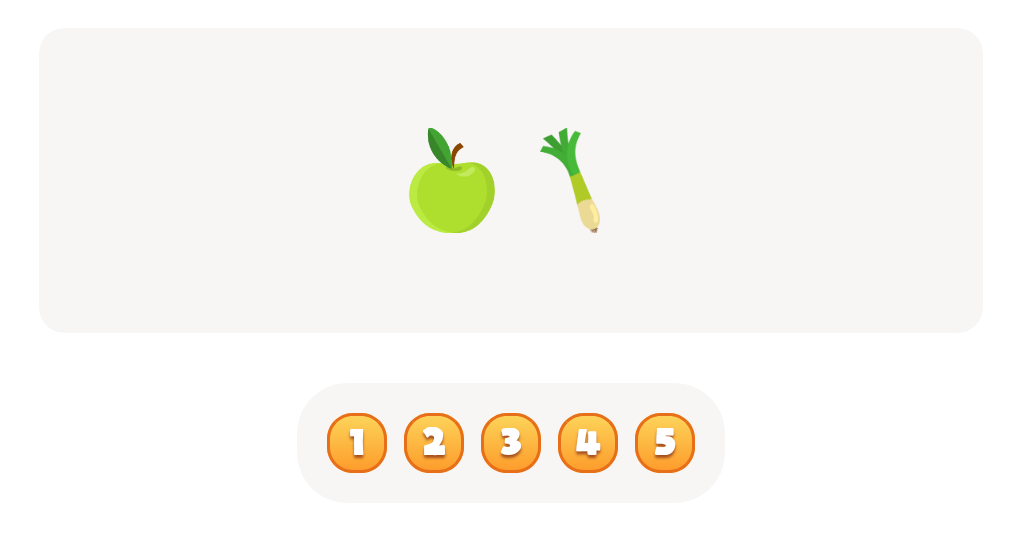
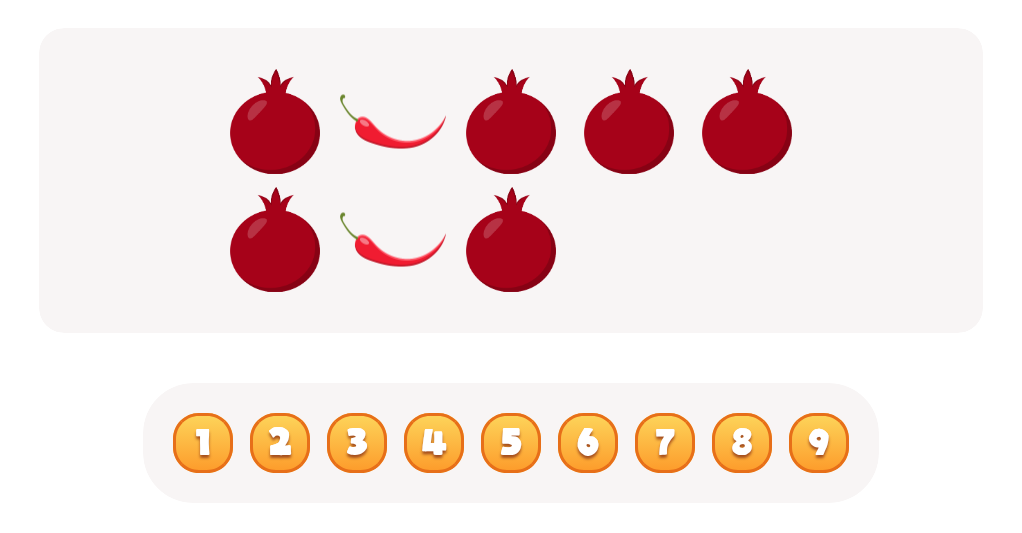
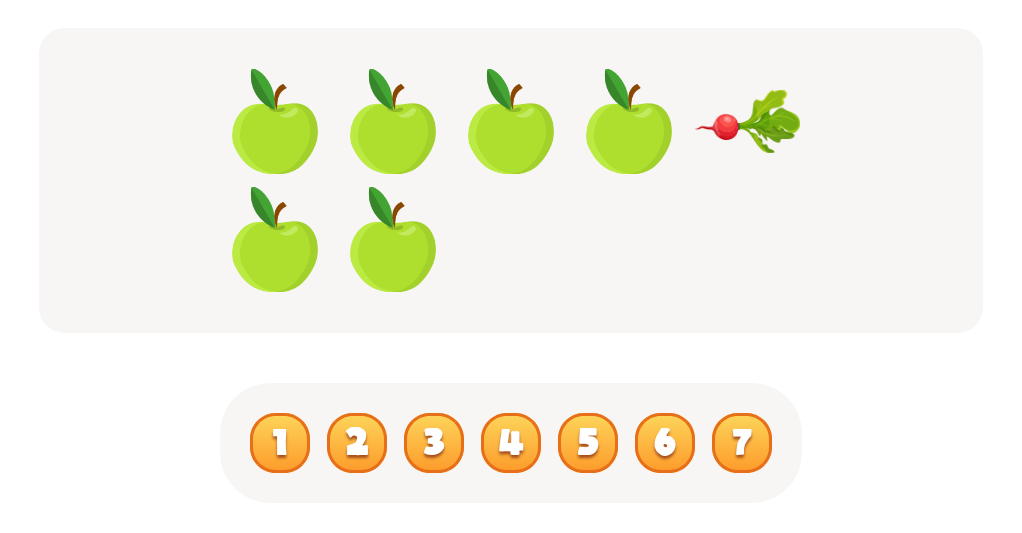
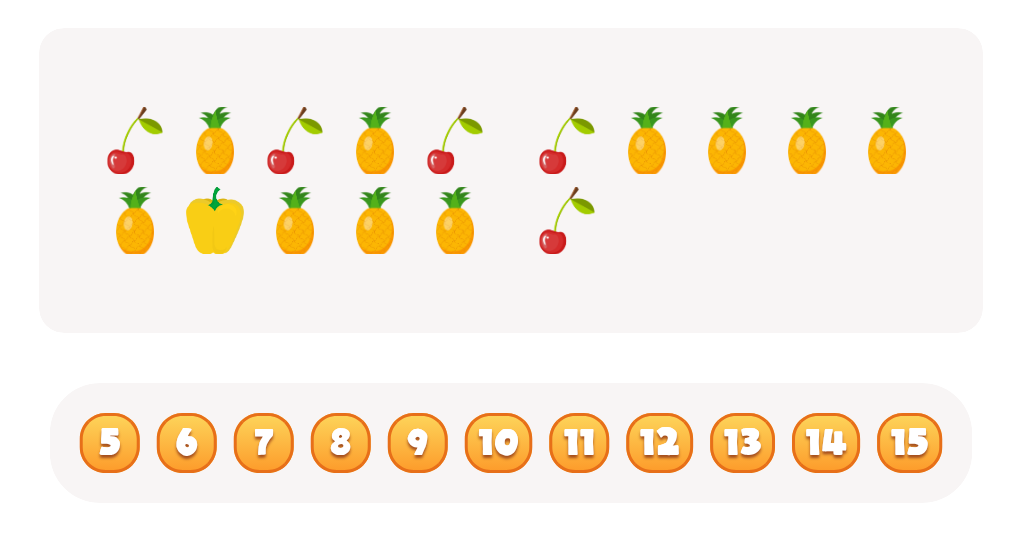
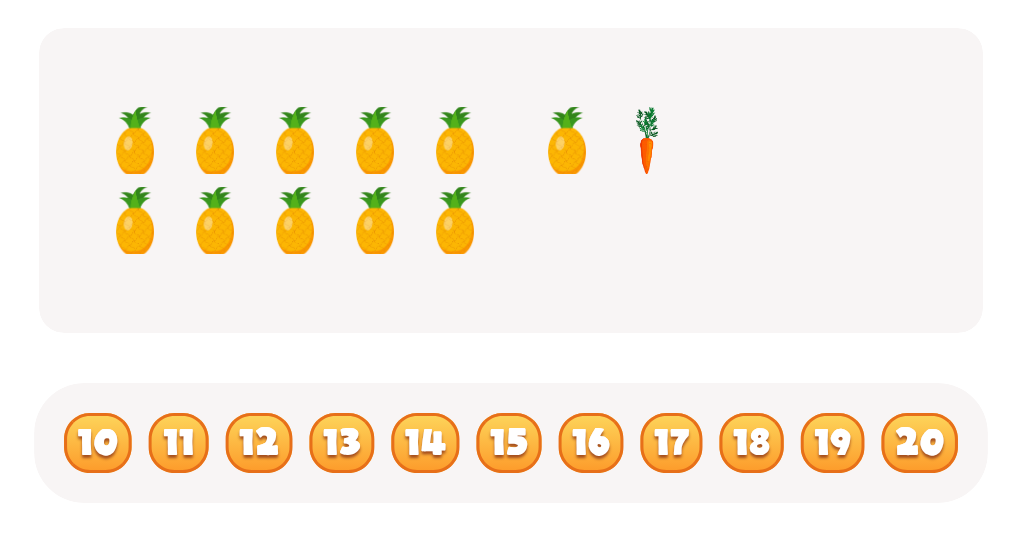
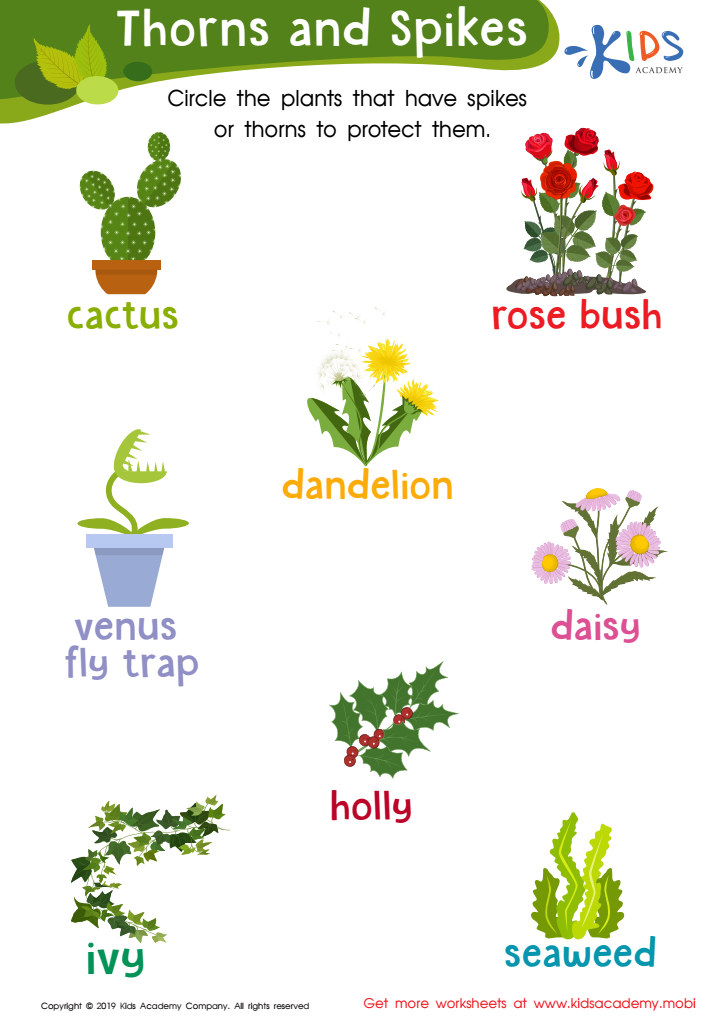
Thorns and Spikes Worksheet
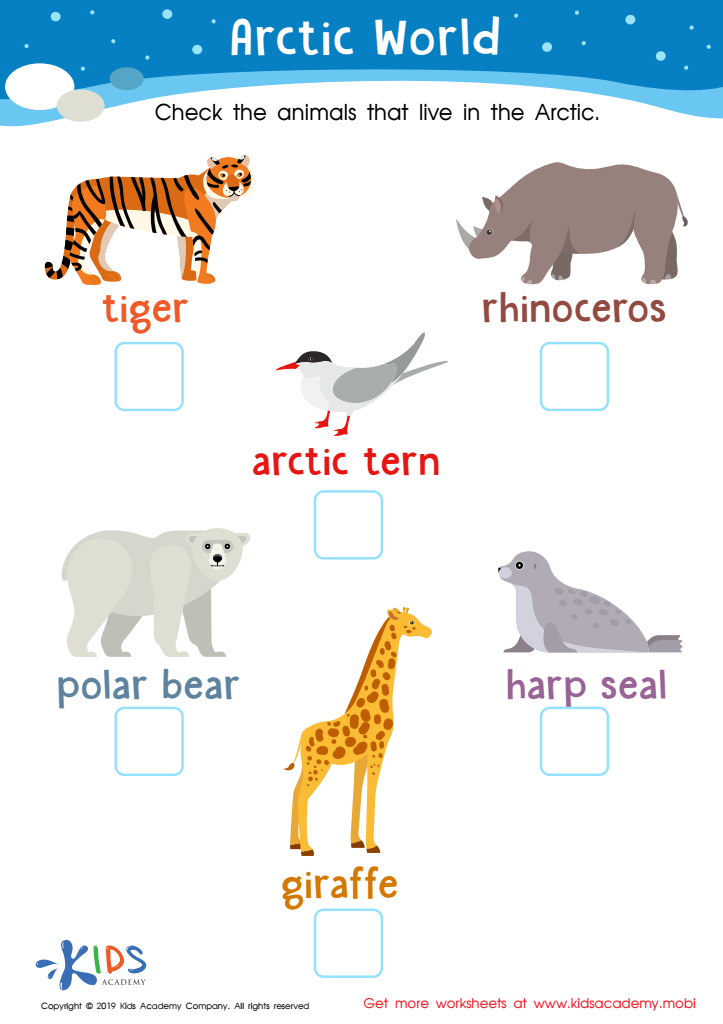
Arctic World Worksheet



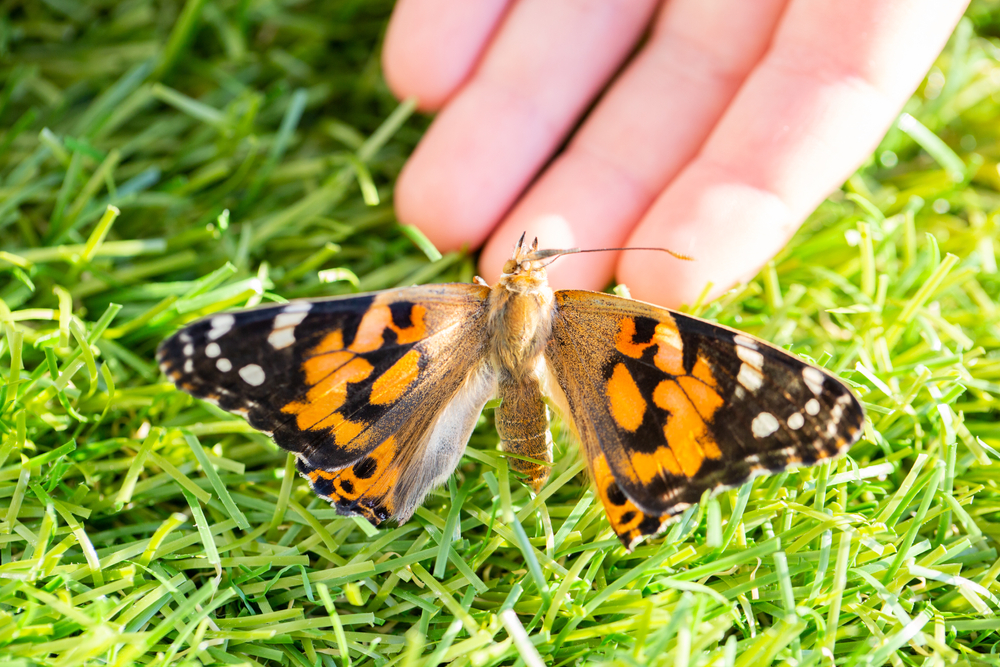

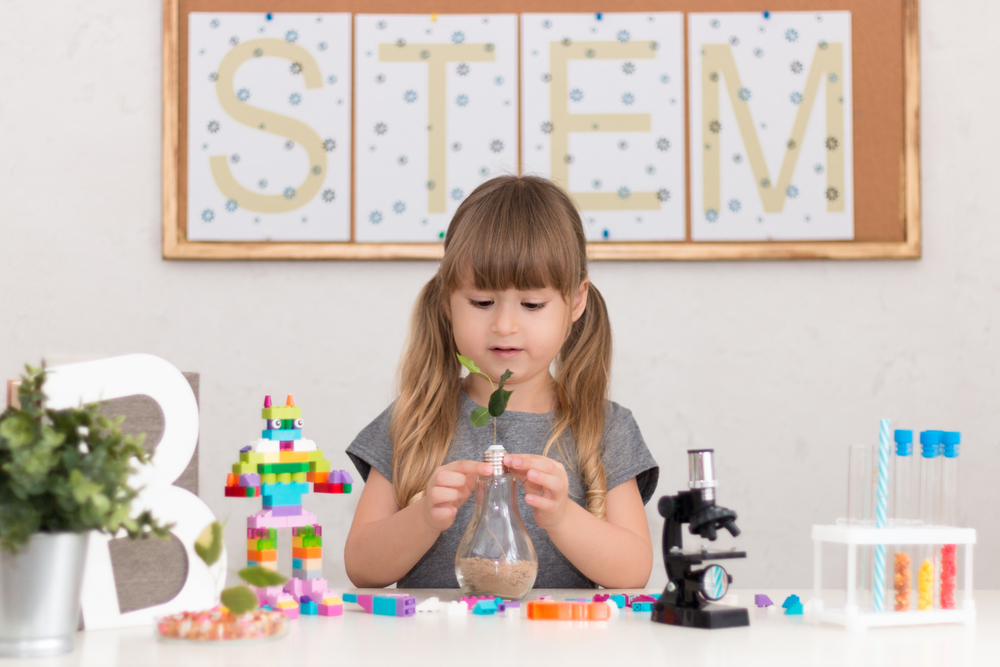


Critical thinking in young children, especially when exploring topics like normal plants and animals, is crucial for several reasons. At ages 4-5, children are naturally curious, and fostering this curiosity encourages them to ask questions, seek explanations, and make connections with their environment. This is foundational to developing strong reasoning skills.
Engaging with ordinary plants and animals allows children to observe their surroundings, compare different species, and understand basic life cycles, supporting inquiry-based learning. For instance, by investigating why certain plants grow in specific environments or understanding the significance of different animals in their ecosystems, young learners develop an appreciation for biodiversity and the interconnectedness of life.
Moreover, instilling critical thinking skills at this early stage promotes academic readiness and success in later grades. Children learn to problem-solve, analyze information, and approach challenges creatively. For parents and teachers, nurturing these skills creates a generation of thoughtful and informed individuals equipped to tackle future social, environmental, and ethical challenges. Ultimately, prioritizing critical thinking in everyday topics like plants and animals provides children with the foundational skills necessitated for lifelong inquiry, adaptability, and responsible citizenship.