Cognitive Development Normal World Around Us Worksheets for Ages 4-5
6 filtered results
-
From - To
Explore our engaging "Cognitive Development Normal World Around Us Worksheets" designed specifically for children ages 4-5. These worksheets promote essential cognitive skills by encouraging young learners to observe, understand, and interact with their surroundings. Through fun and interactive activities, children will enhance their critical thinking, problem-solving abilities, and pattern recognition. Our thoughtfully crafted exercises use relatable themes and scenarios, helping kids connect new concepts to their everyday experiences. Perfect for home or classroom use, these worksheets make learning about the world enjoyable and effective. Foster a love for learning and support your child's cognitive growth with our dynamic resources today!
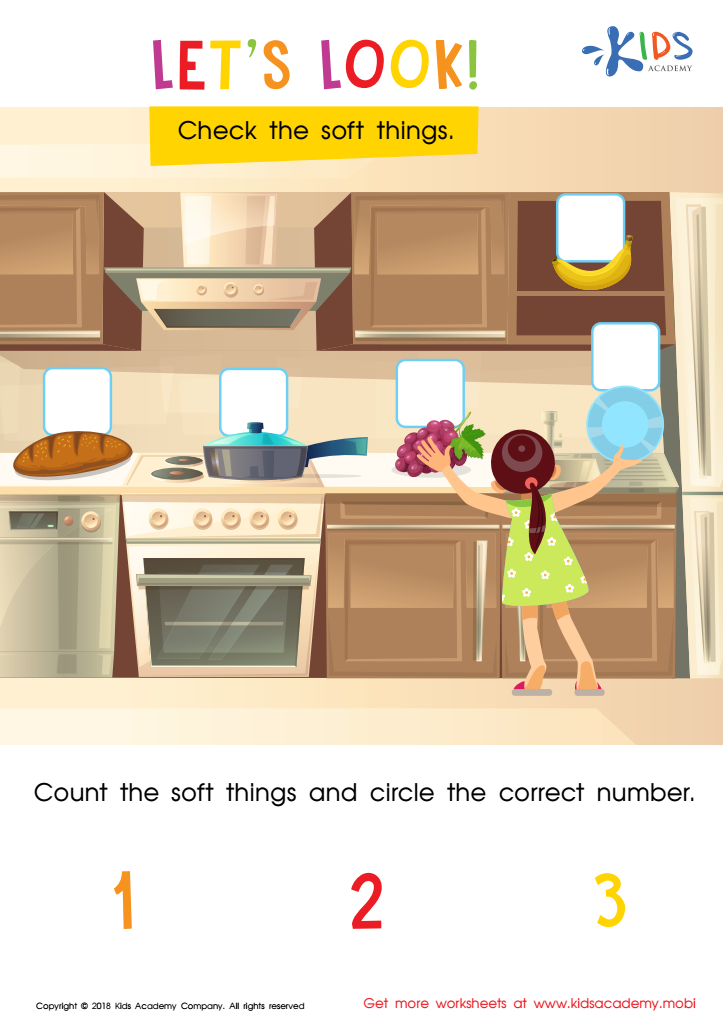
Let's Look! Assessment Worksheet
 Assign to My Students
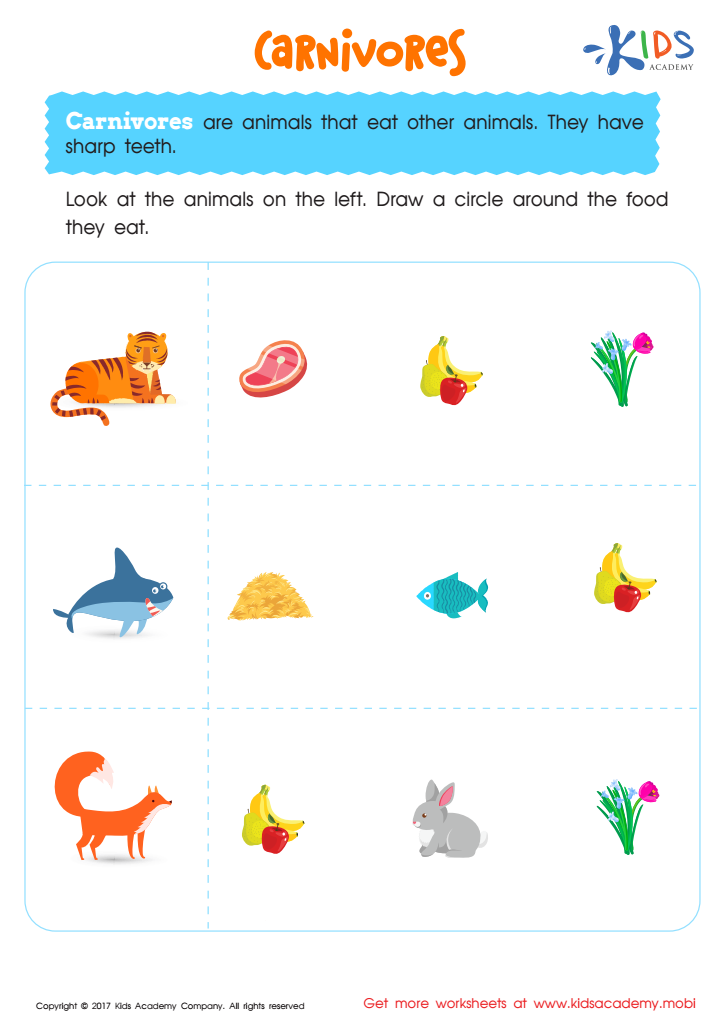
Carnivores Worksheet
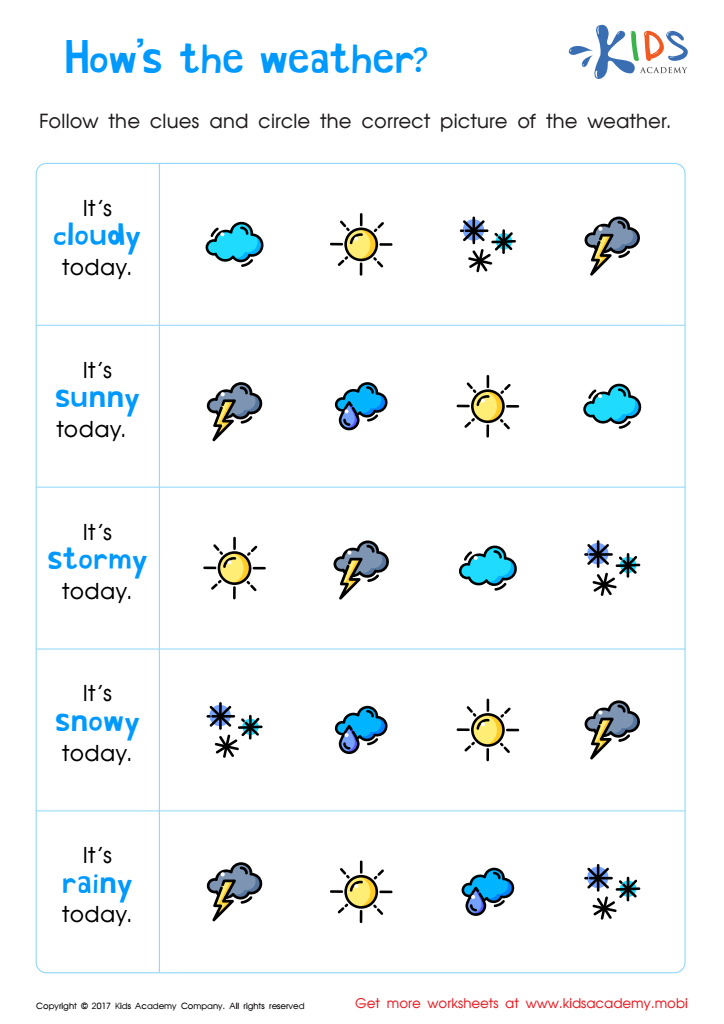
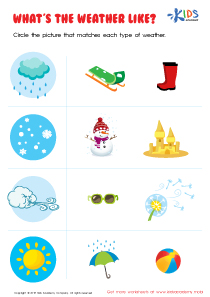
Hows the Weather Worksheet
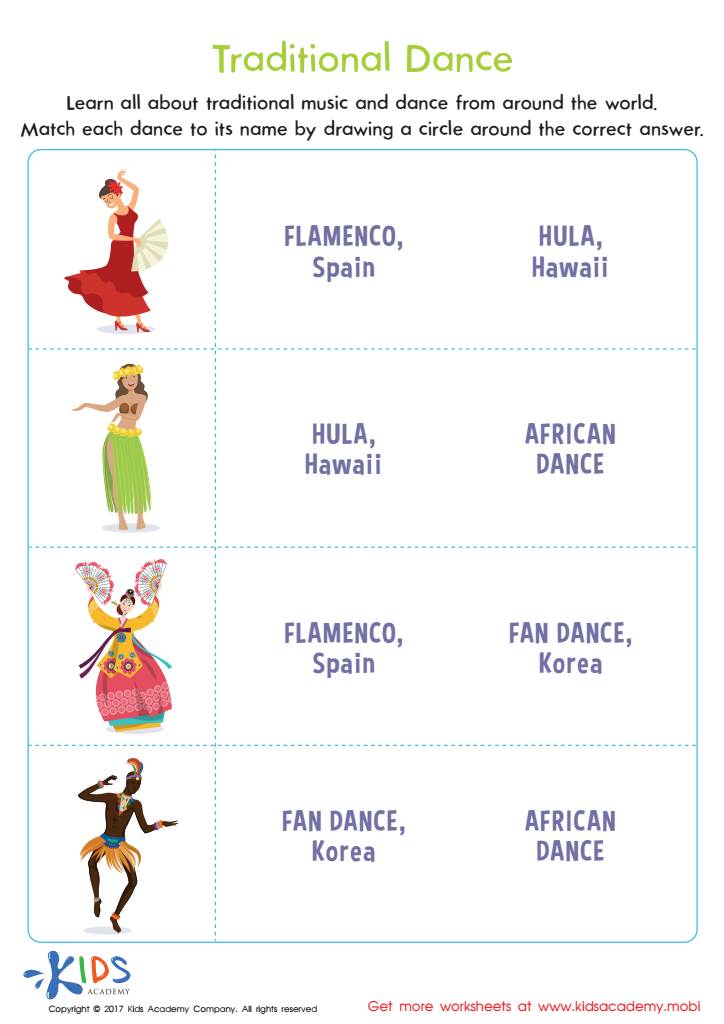
Traditional Dance Printable
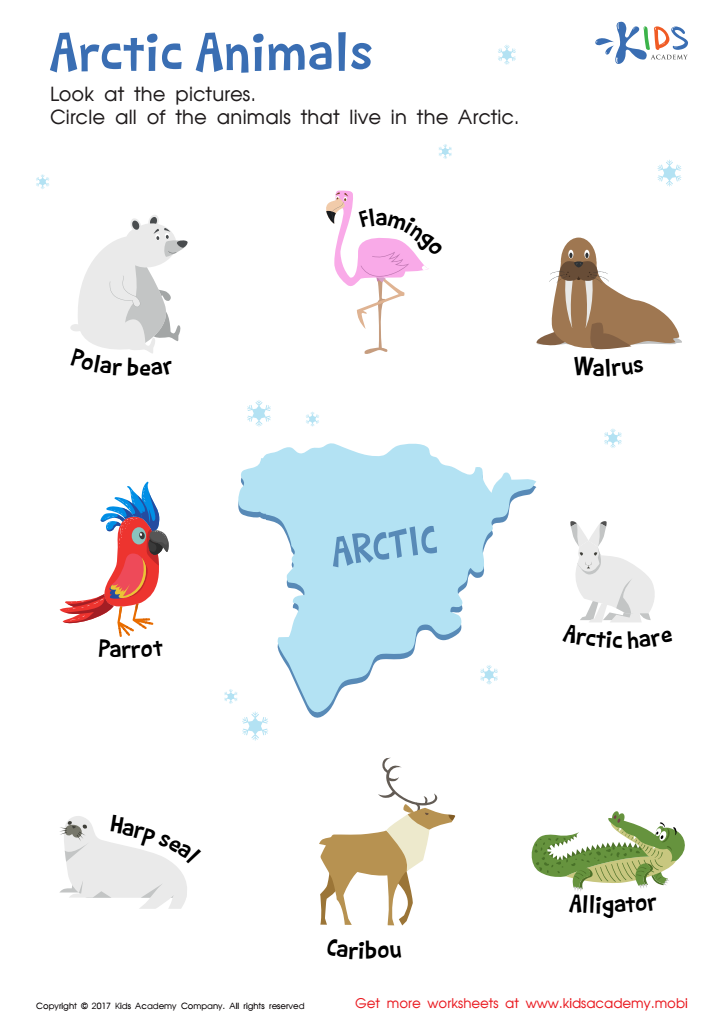
Arctic Animals Worksheet
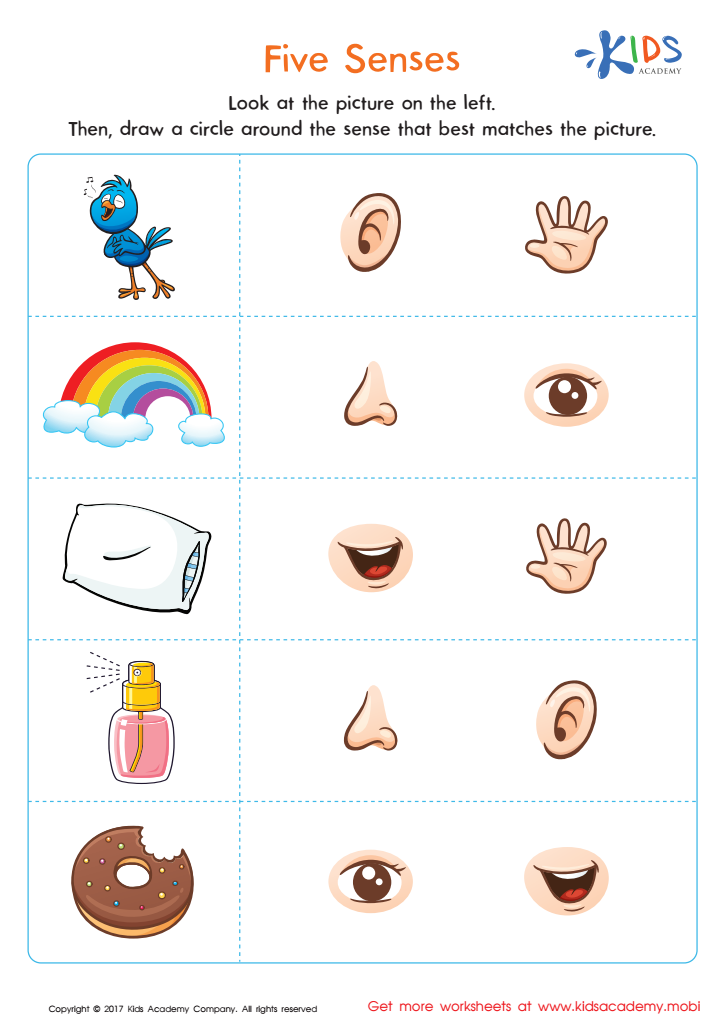
Five Senses Printable








Parents and teachers should prioritize cognitive development in children aged 4-5 because this stage is crucial for laying the foundation for future learning. During these formative years, children develop critical thinking skills, problem-solving abilities, and the capacity to understand complex concepts. Engaging children with the world around them helps foster curiosity and a deeper understanding of their environment, promoting exploration and inquiry.
Cognitive development is not only about acquiring knowledge; it's also about how children process information. Parents and teachers can nurture this by providing opportunities for hands-on learning experiences, encouraging questions, and facilitating discussions about everyday phenomena. Activities such as nature walks, simple experiments, and storytelling can stimulate cognitive growth by promoting observation skills and creativity.
Furthermore, social interactions during this age play a vital role in cognitive development. Collaborative play with peers enhances communication skills, boosts confidence, and encourages cooperative problem-solving. By caring for and prioritizing cognitive development, adults ensure that children are better prepared for academic success and social adaptability as they transition into more structured learning environments. Investing in this area of development enriches a child's ability to navigate their world, fostering a lifelong love of learning and curiosity.