Cognitive Development Normal Alphabet Worksheets for Ages 4-6
6 filtered results
-
From - To
Discover our engaging Cognitive Development Normal Alphabet Worksheets designed specifically for children ages 4-6! These worksheets support early learners in mastering the alphabet while enhancing their cognitive skills. Through a variety of fun and interactive activities, children develop letter recognition, improve fine motor skills, and stimulate critical thinking. Our carefully crafted materials cater to different learning styles, making them perfect for home or classroom use. Foster your child's love for learning as they explore phonics, letter sounds, and creative problem-solving through attractive visuals and age-appropriate challenges. Visit us today to access a wealth of resources tailored for your little one's educational journey!
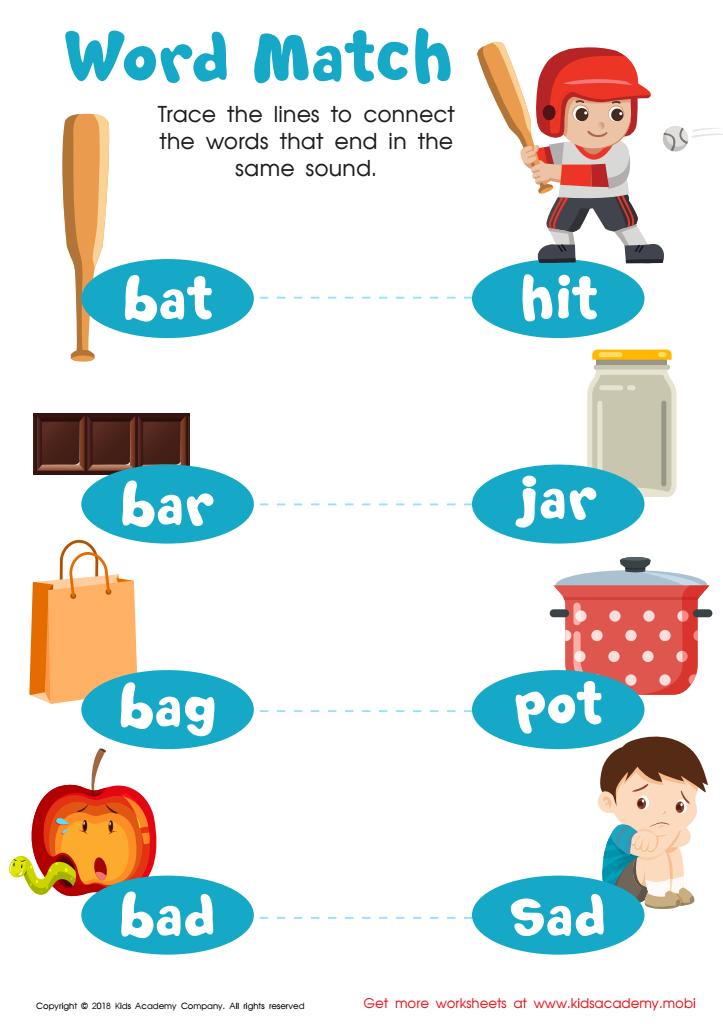
Word Match Reading Worksheet
 Assign to My Students
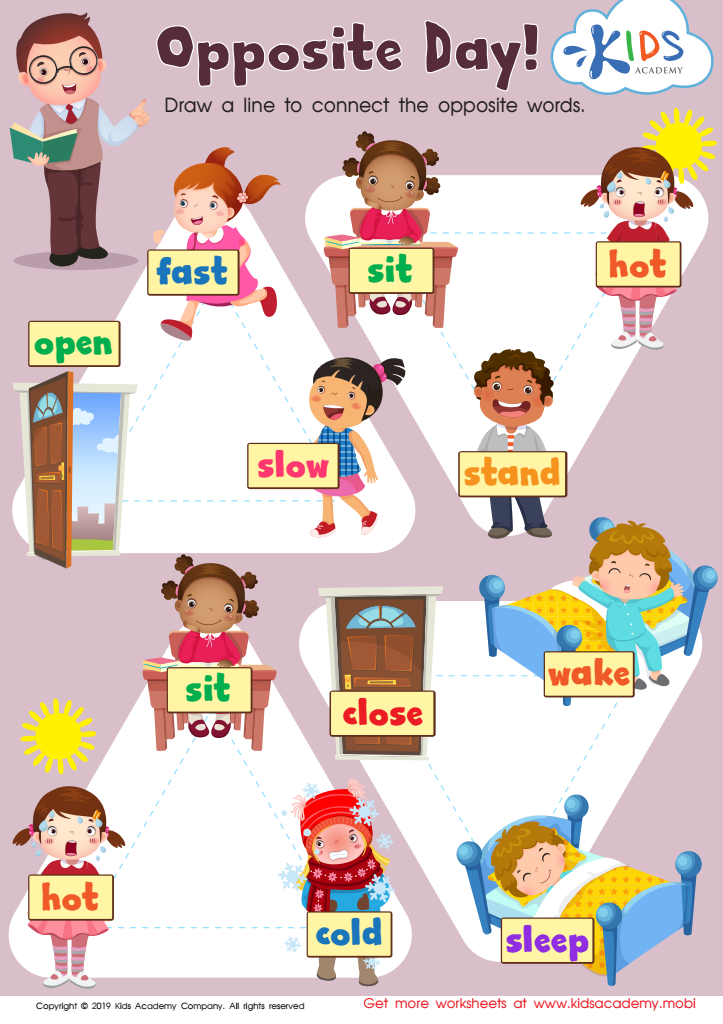
Opposite Day Worksheet
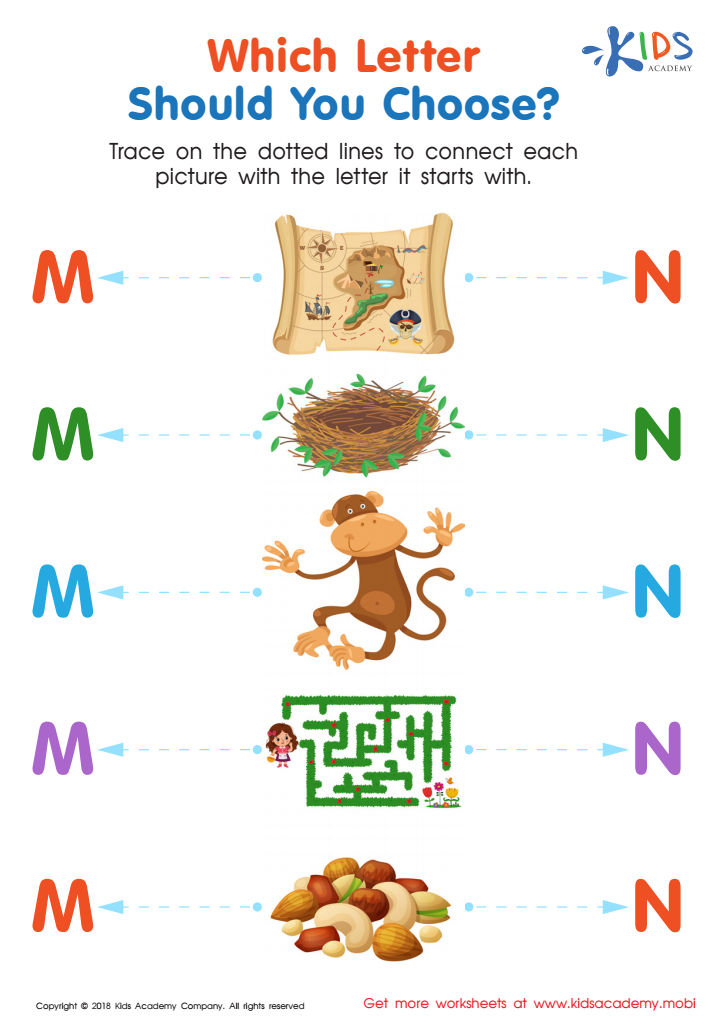
Which Letter Should you Choose? Worksheet
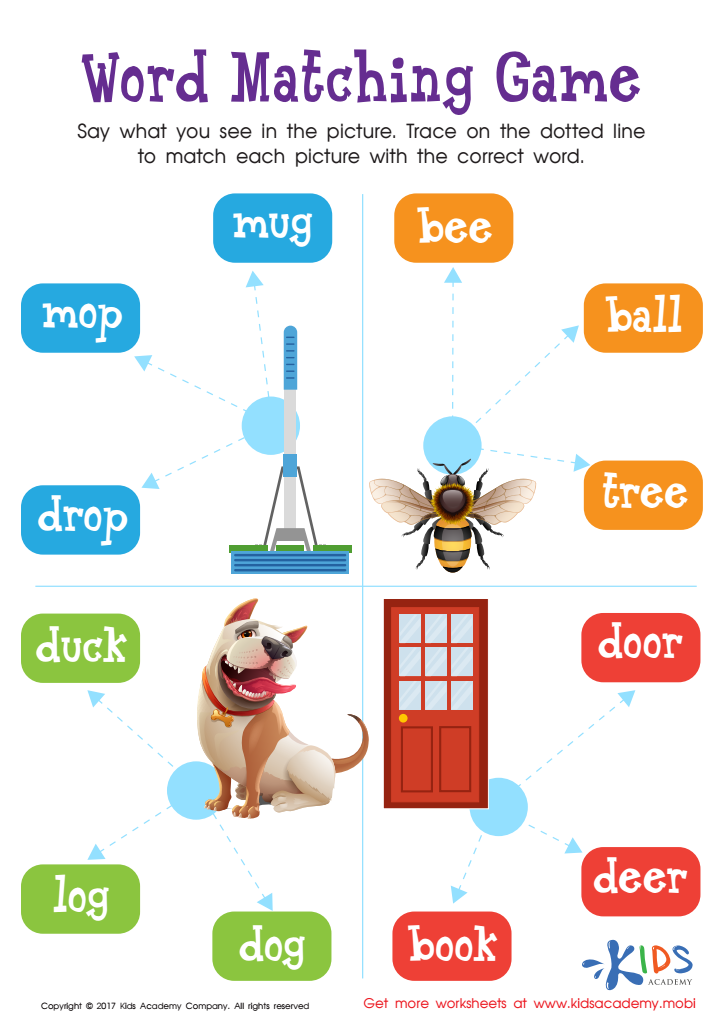
Word Matching Game Worksheet
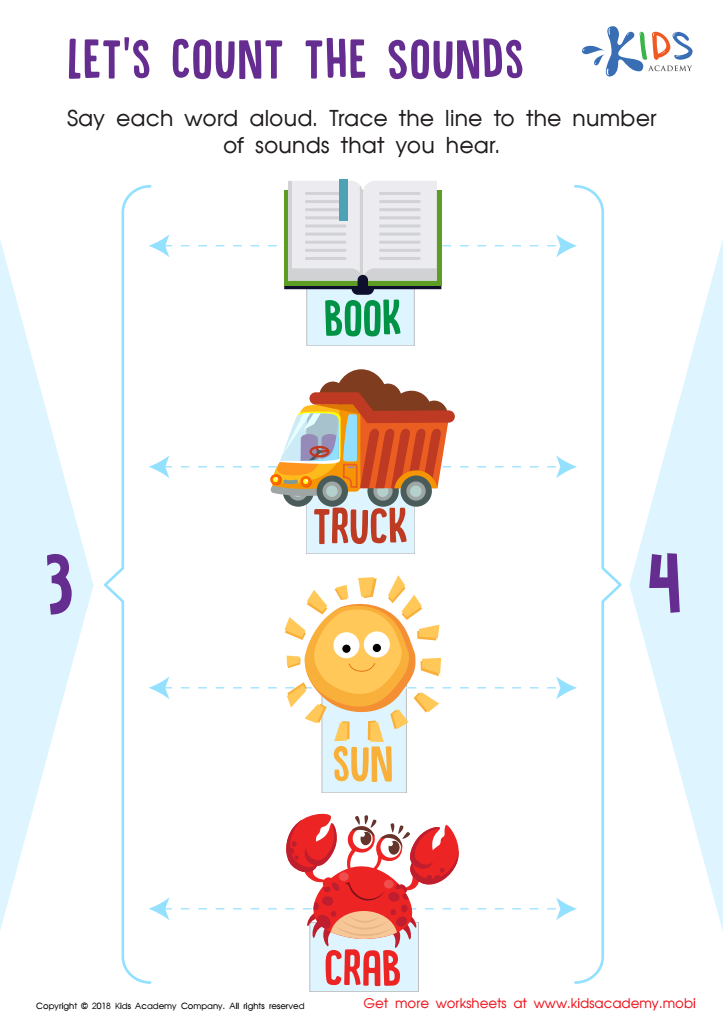
Let's Count the Sounds Worksheet
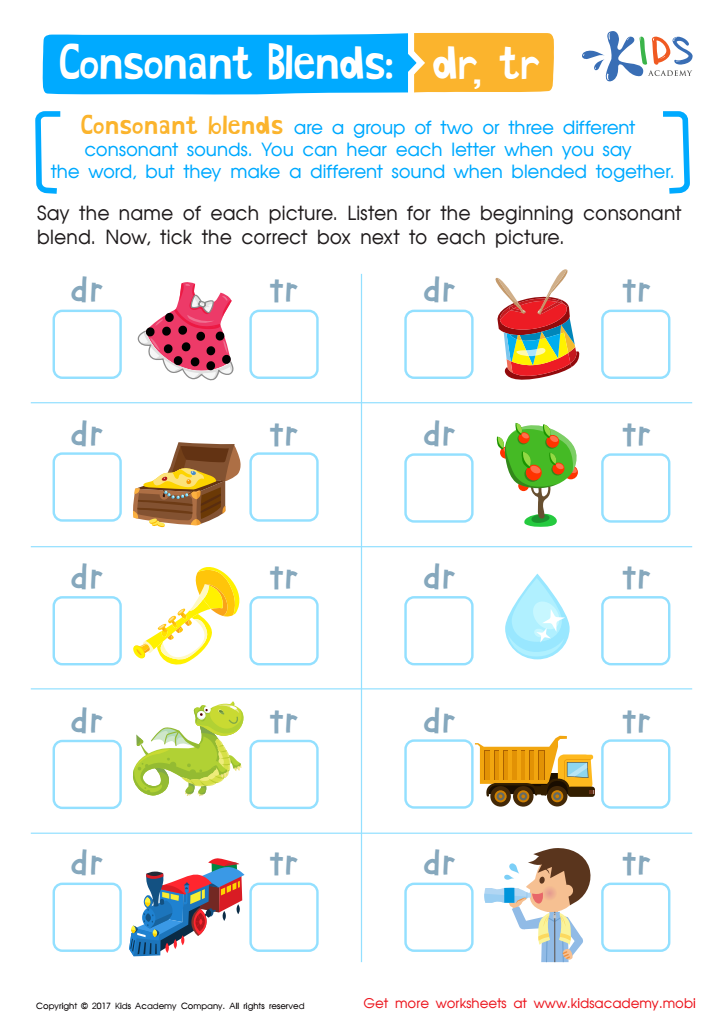
Consonant Blends: "Dr" and "Tr" Printable



.jpg)



Cognitive development during ages 4-6 is crucial as it lays the foundation for future learning and overall development. At this stage, children begin to think logically, understand relationships among objects, and develop critical thinking skills. The Normal Alphabet, representing essential concepts that children are expected to grasp, plays a key role in shaping their cognitive abilities.
Parents and teachers should care about this period for several reasons. Firstly, children at this age are highly receptive to learning, making it an ideal time to introduce foundational literacy and numeracy skills. Familiarity with the alphabet enhances their ability to recognize words, promoting reading readiness and enhancing language acquisition.
Moreover, cognitive development is linked to social skills, curiosity, and problem-solving abilities. Encouraging exploration and fostering a love for learning can lead to greater academic success and self-confidence. Engaging in alphabet-related activities helps children refine their cognitive skills while building their imagination and creativity.
Lastly, consistent interaction and support from adults play an essential role in guiding children through this developmental phase. By participating in their cognitive development journey, parents and teachers will not only enrich their learning experience but also nurture motivated, confident learners prepared for future challenges.







