Sound Association Normal Alphabet Worksheets for Ages 4-6
23 filtered results
-
From - To
Explore our engaging Sound Association Normal Alphabet Worksheets designed for children ages 4-6! These worksheets help young learners connect sounds with corresponding letters through fun activities and exercises. By reinforcing sound-letter associations, kids will enhance their phonics skills and boost their reading confidence. Ideal for parents and educators, our resources support early literacy development in a playful and interactive way. With vibrant illustrations and age-appropriate themes, these worksheets make learning exciting and accessible. Start your child’s journey to reading success today with our Sound Association Normal Alphabet Worksheets, where learning the alphabet becomes a fun adventure!
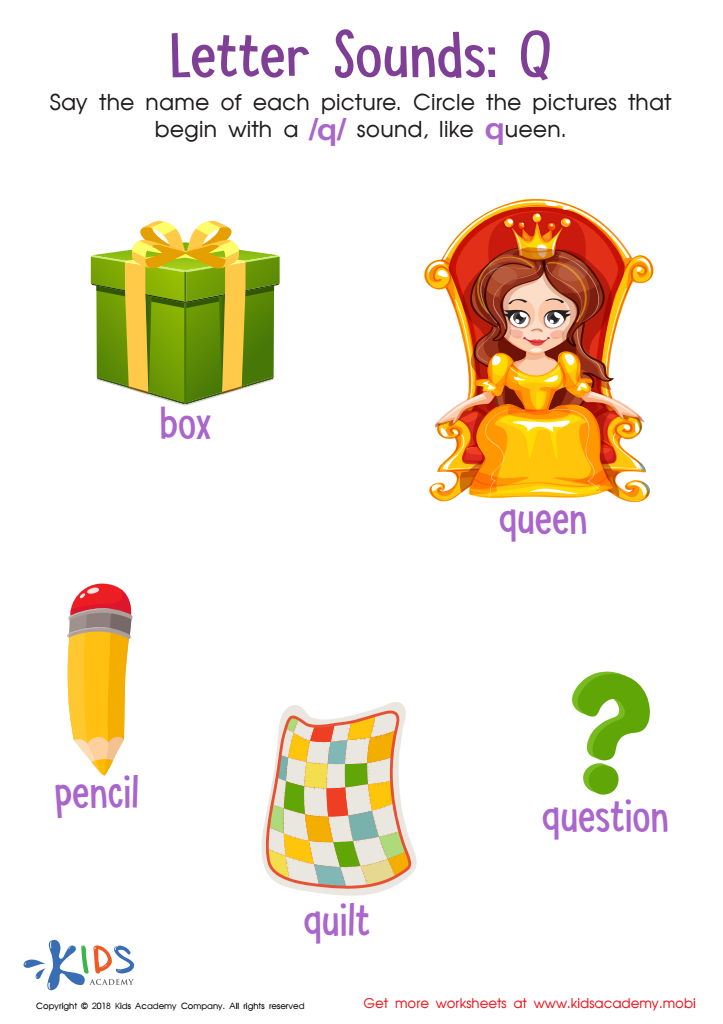
Letter Q Sounds Worksheet
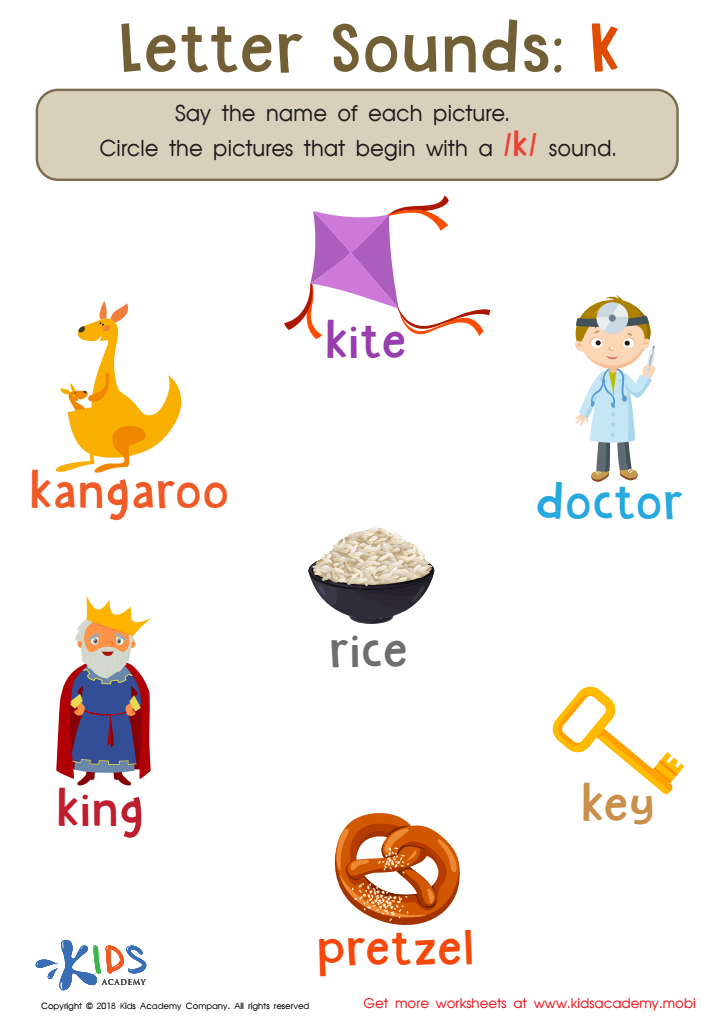
Letter K Sounds Worksheet
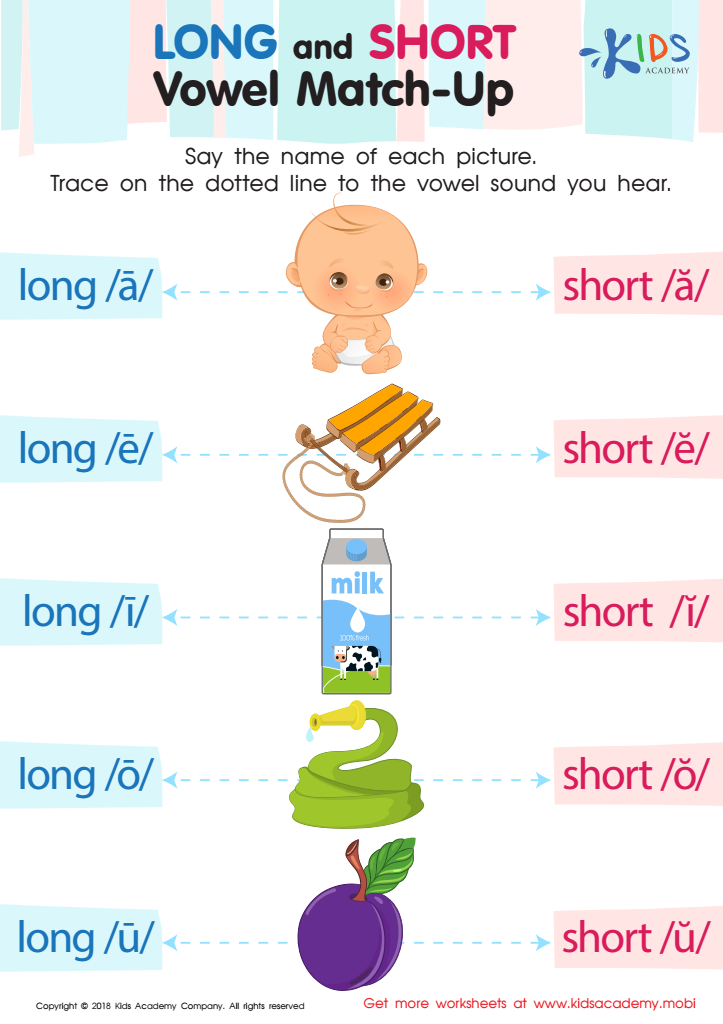
Long and Short Vowel Match up Reading Worksheet
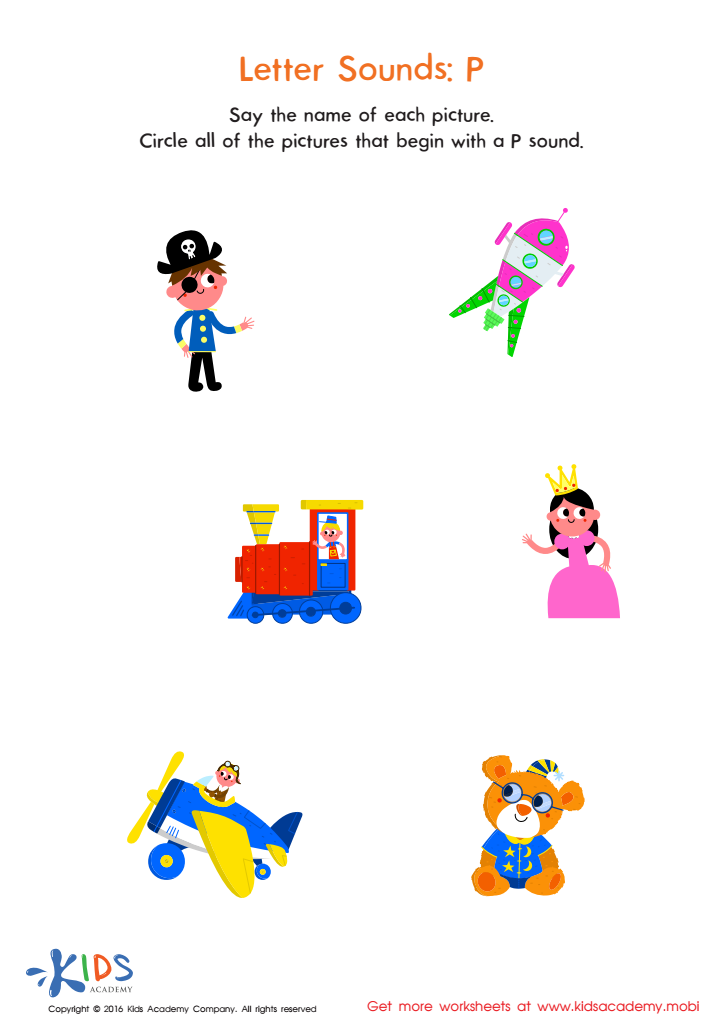
Letter P Sound Worksheet
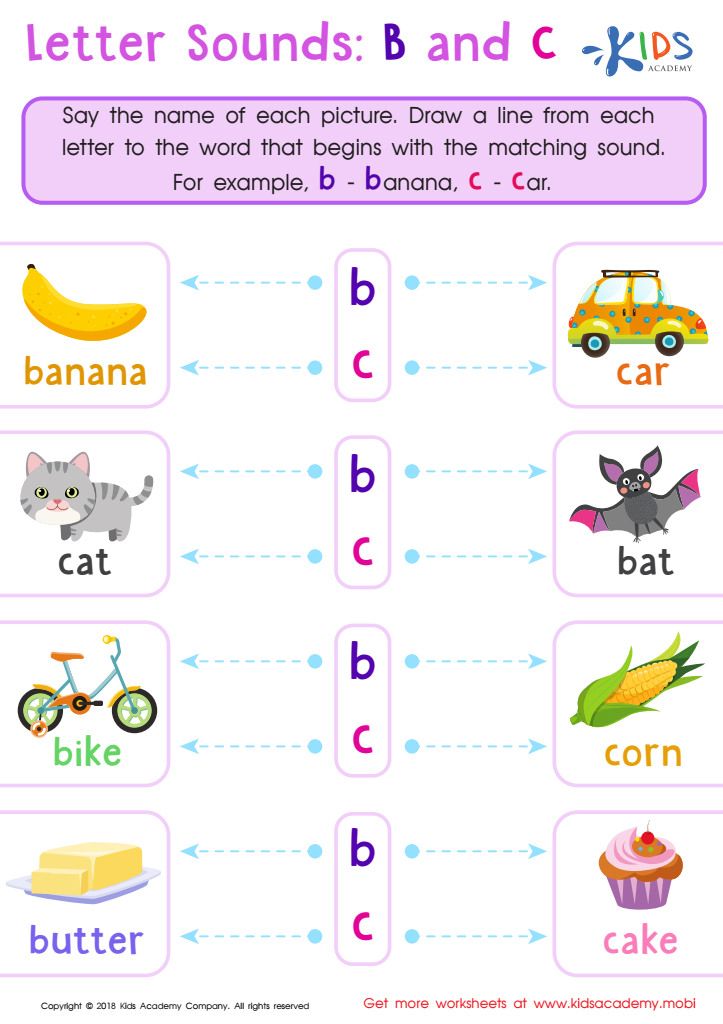
Letter B and C Sounds Worksheet
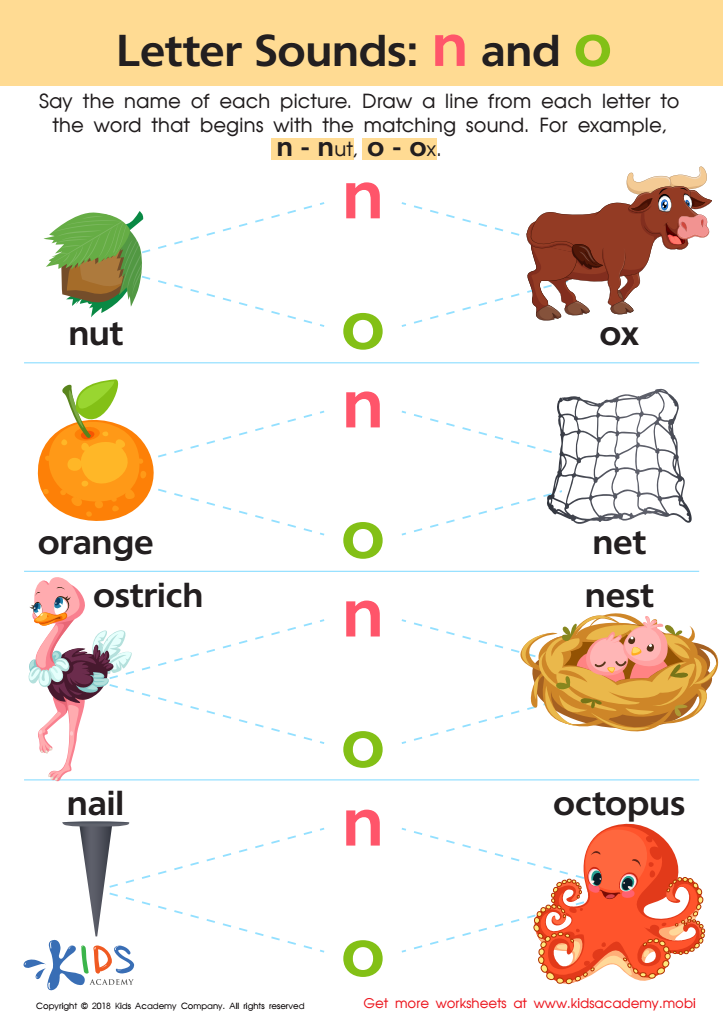
Letter N and O Sounds Worksheet
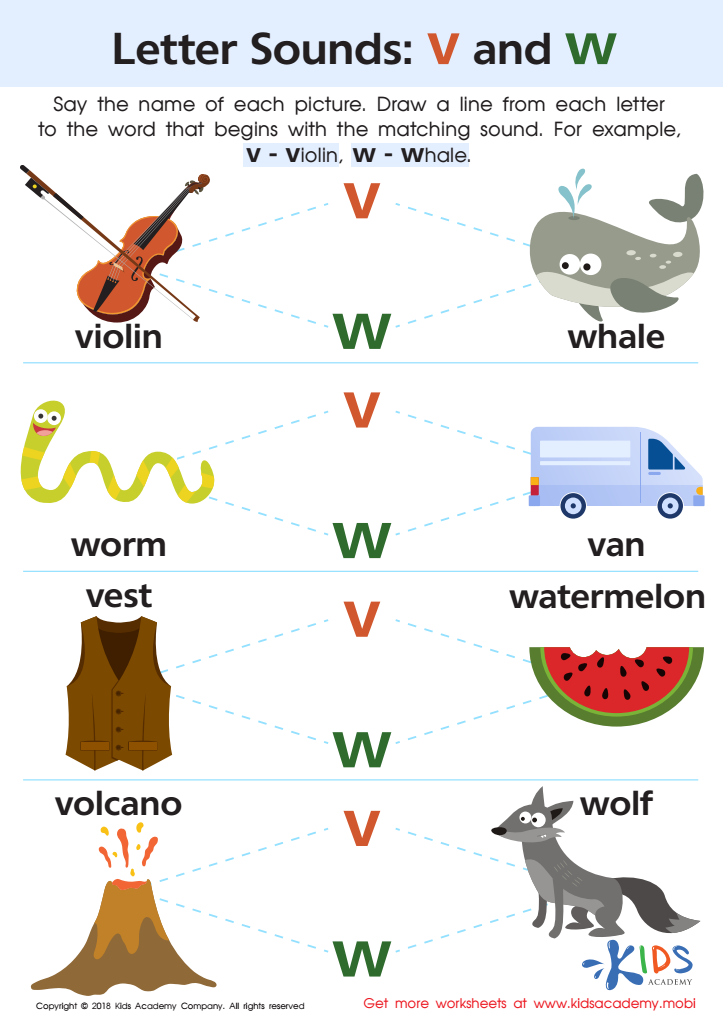
Letter V and W Sounds Worksheet
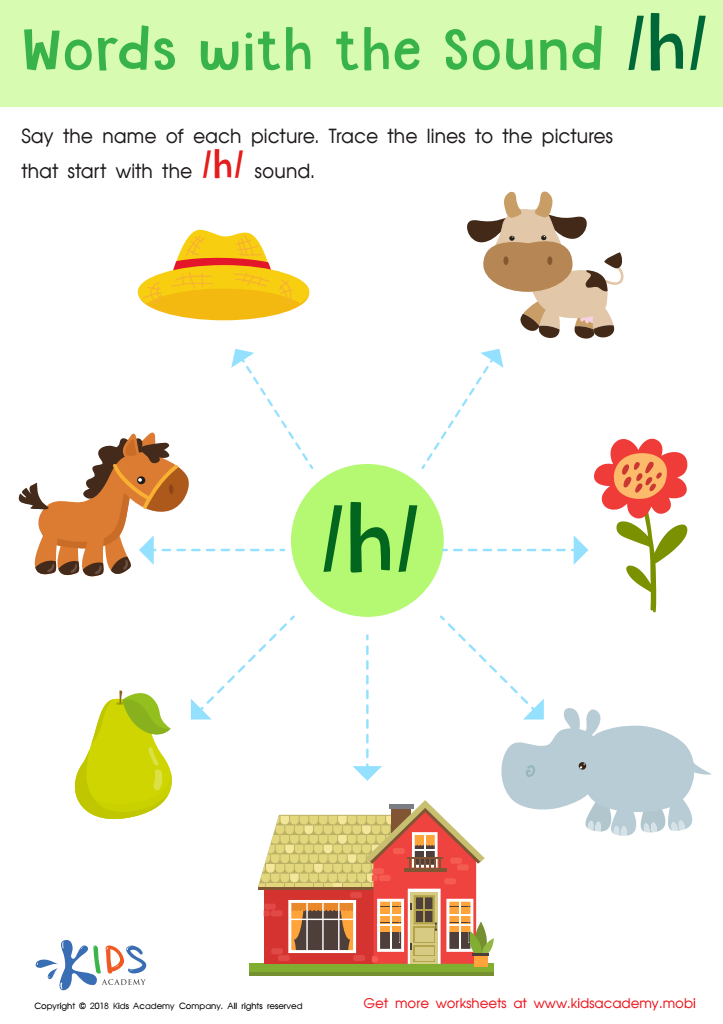
Words with sound h Reading Worksheet
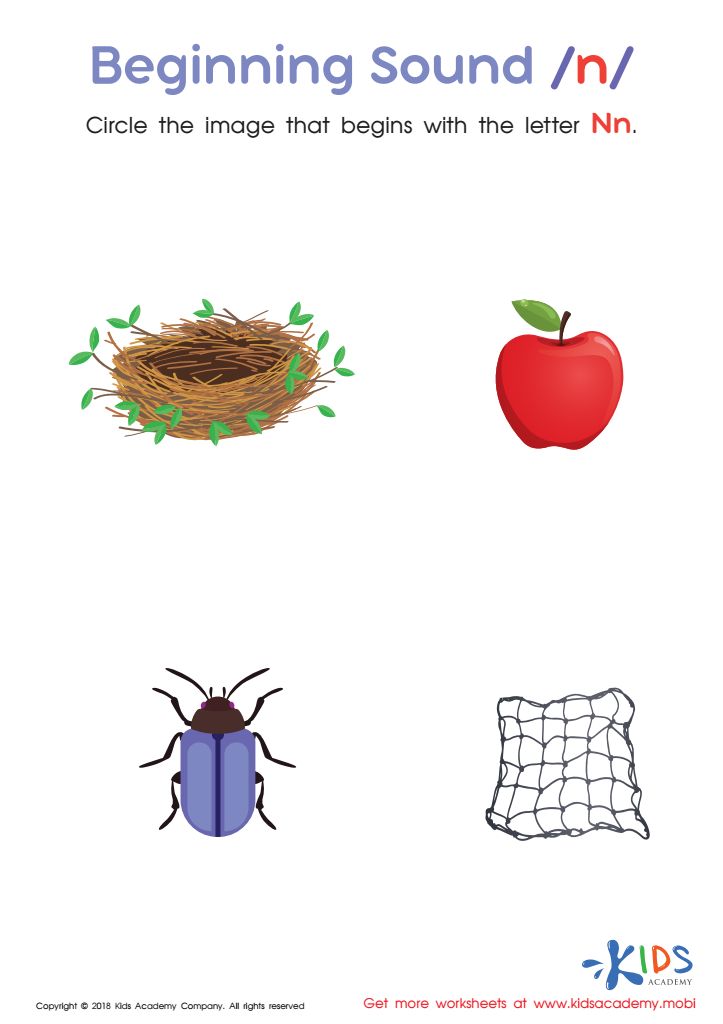
Beginning Sound «n» Worksheet
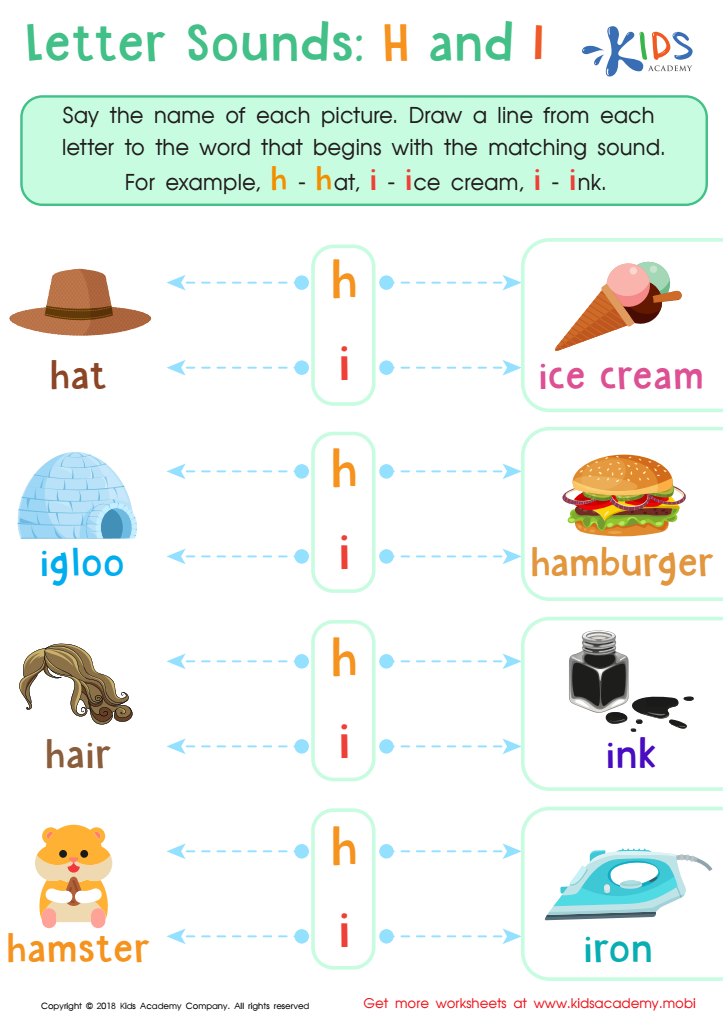
Letter H and I Sounds Worksheet
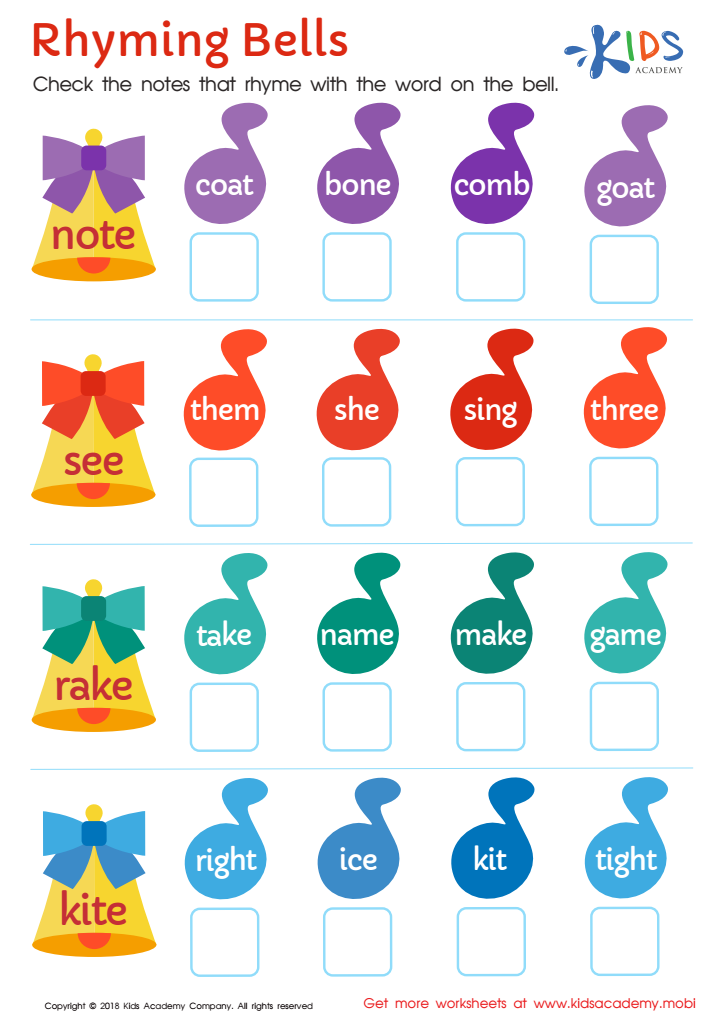
Rhyming Bells Worksheet
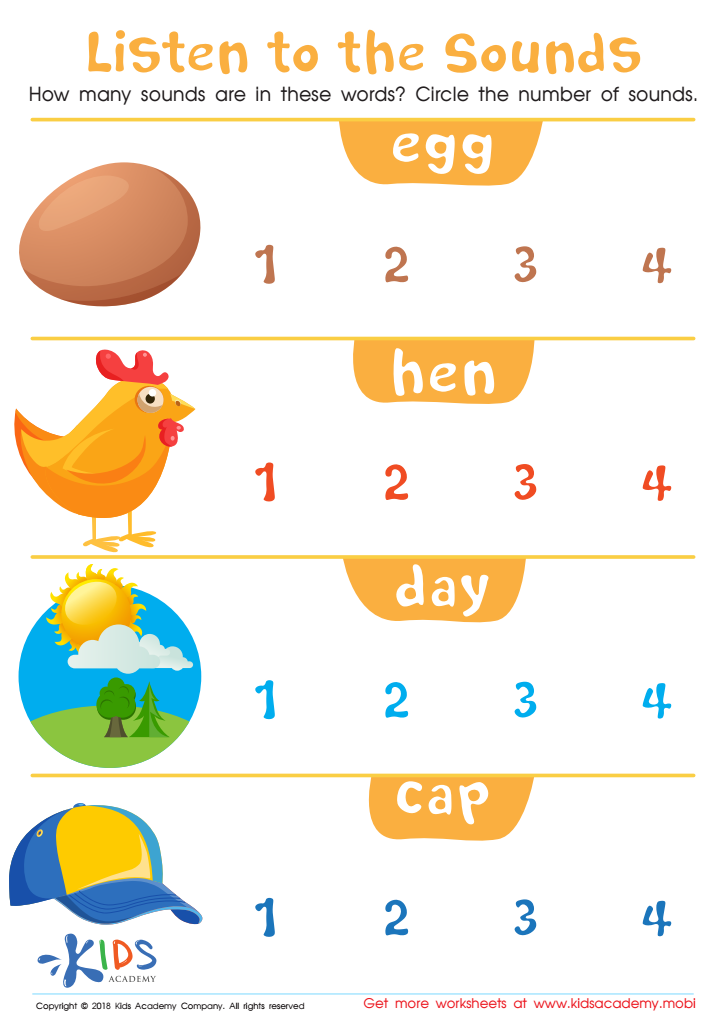
Listen to the Sounds Worksheet
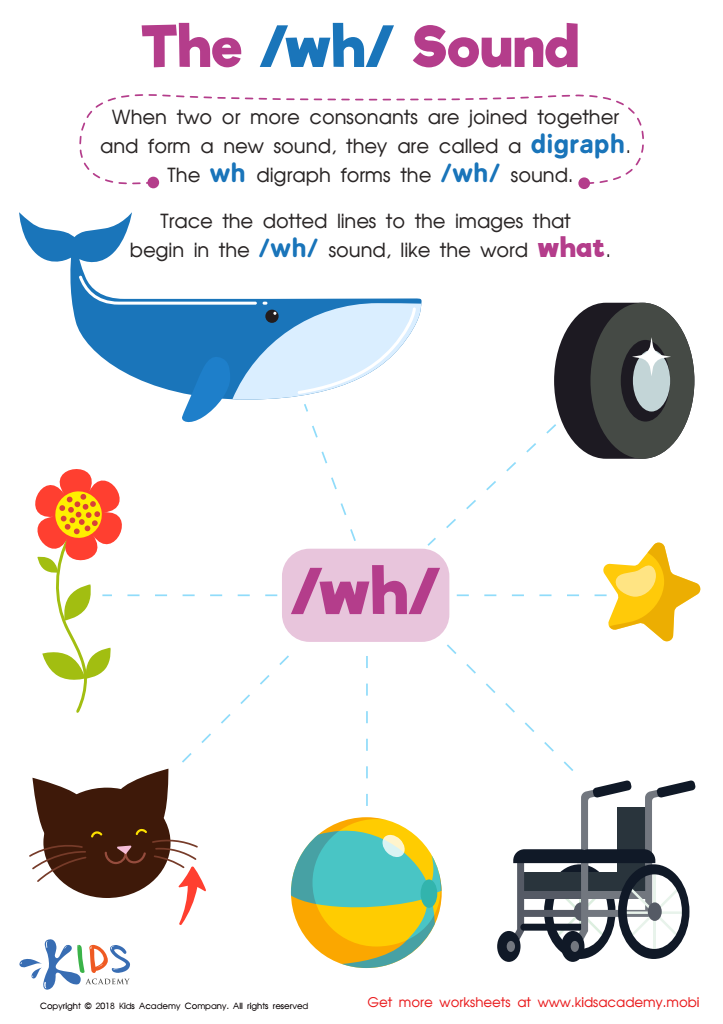
The /wh/ Sound Worksheet
Letter G Coloring Sheet
 Assign to My Students
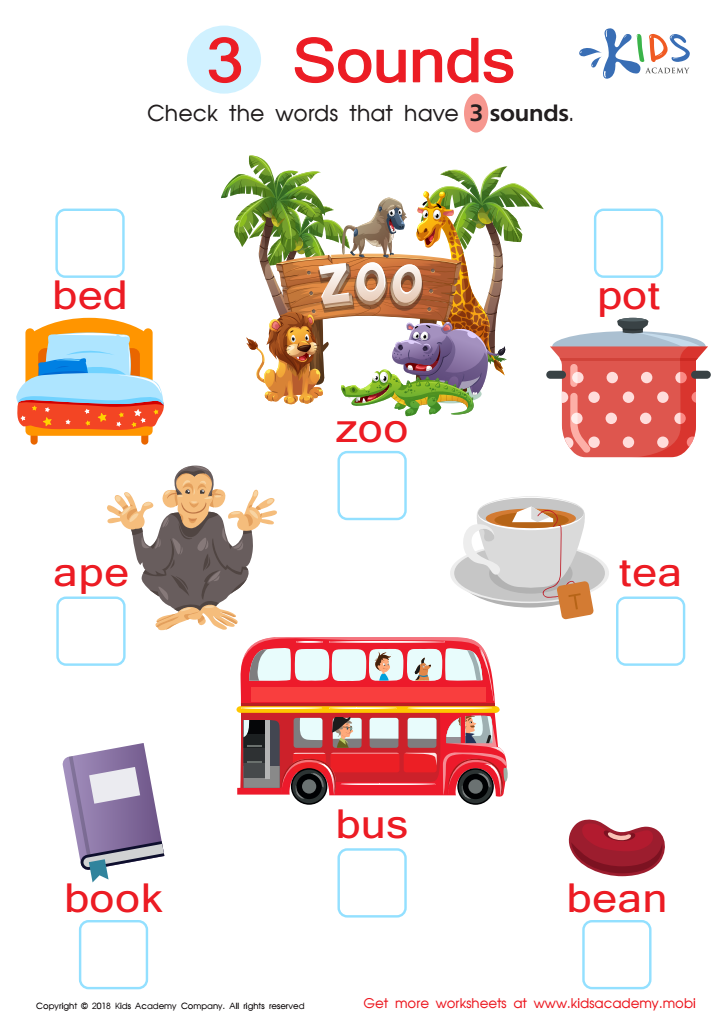
3 Sounds Worksheet
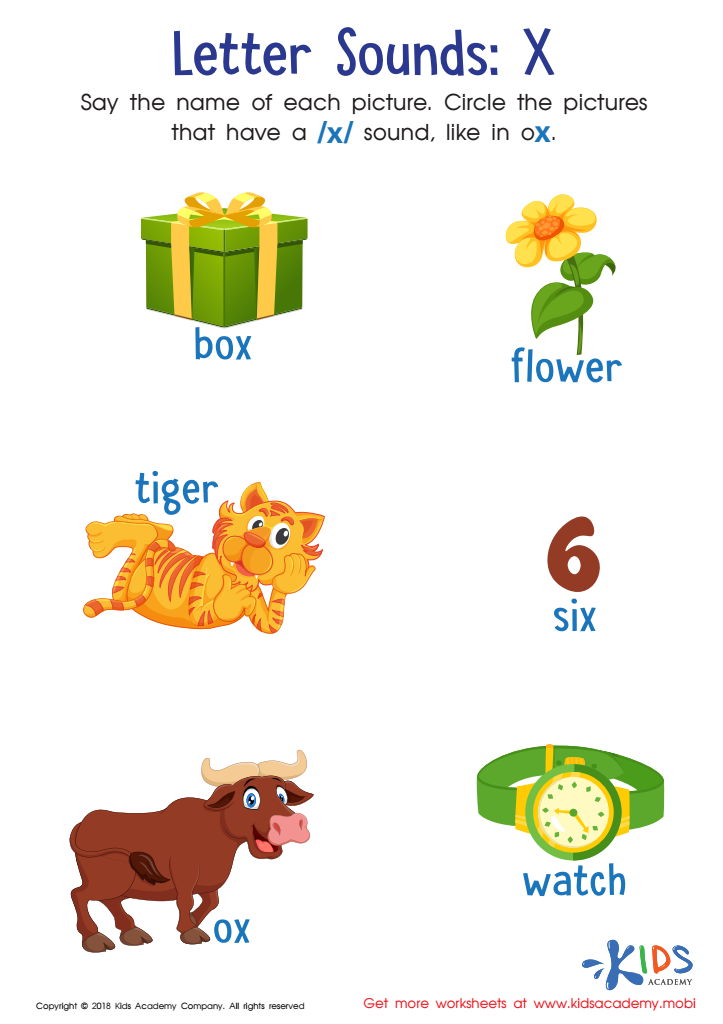
Letter X Sounds Worksheet
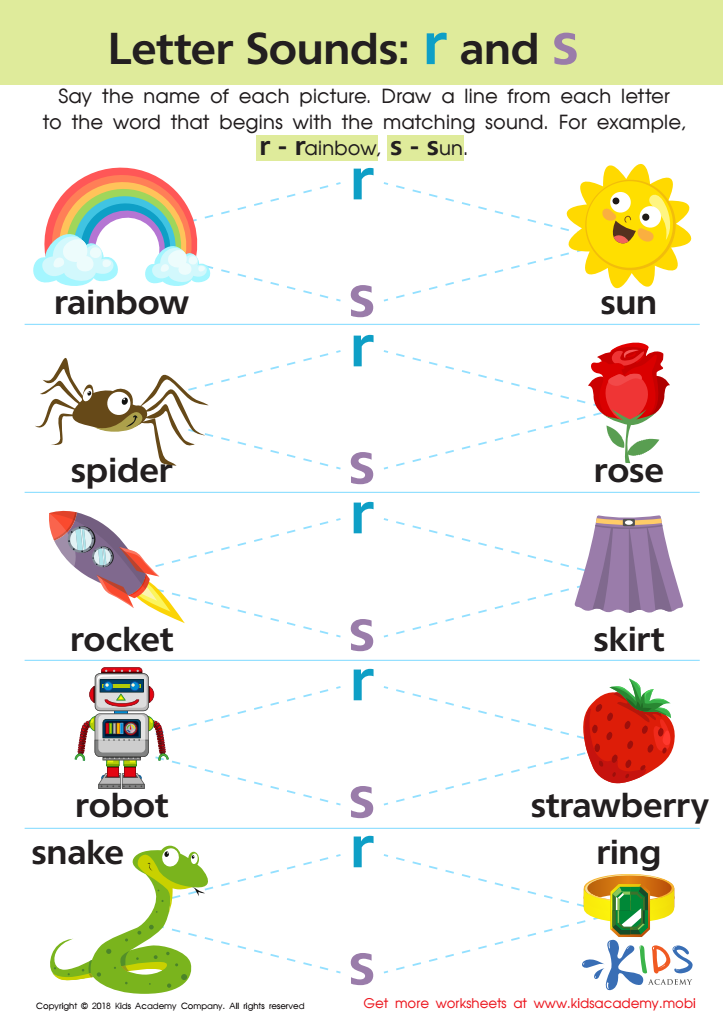
Letter R and S Sounds Worksheet
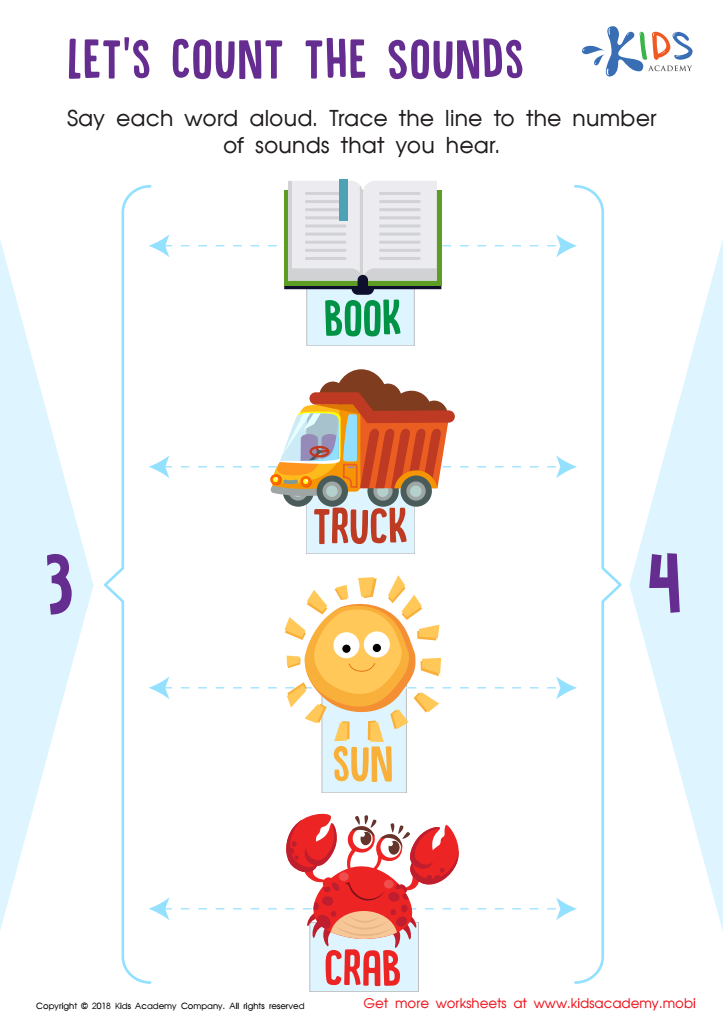
Let's Count the Sounds Worksheet
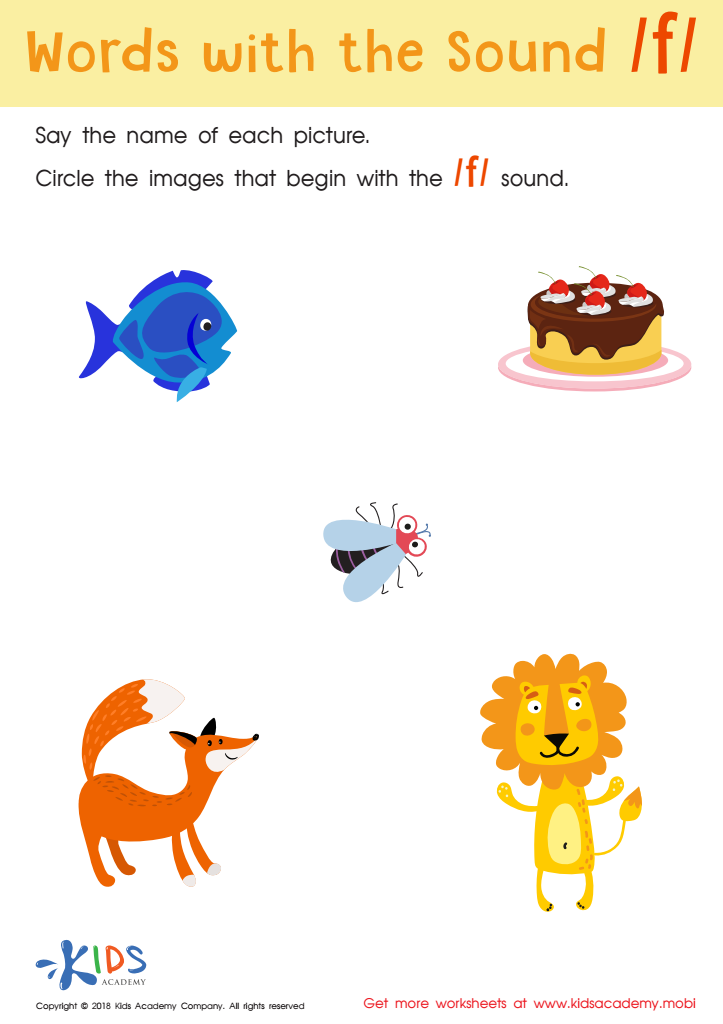
Words with sound f Reading Worksheet
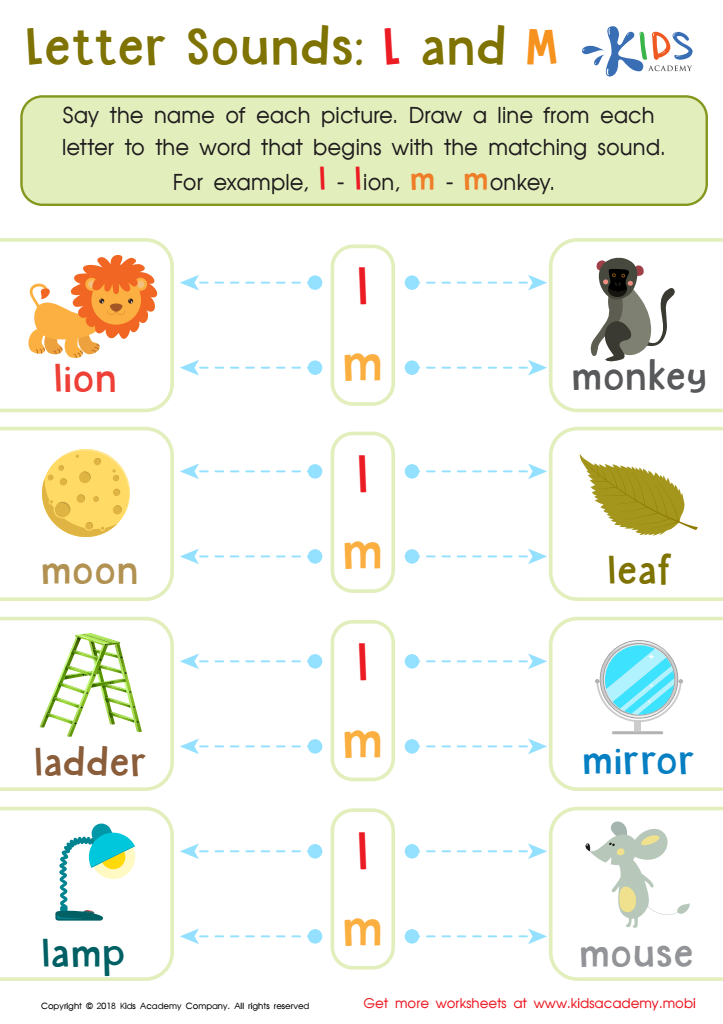
Letter l and M Sounds Worksheet
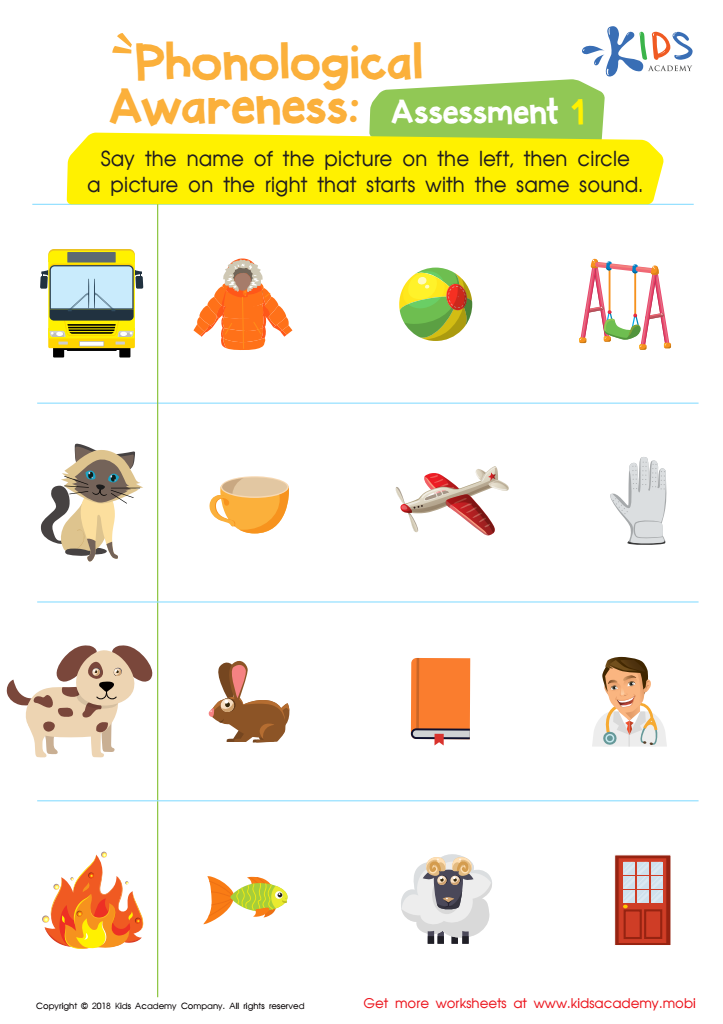
Phonological Awareness: Assessment 1 Worksheet
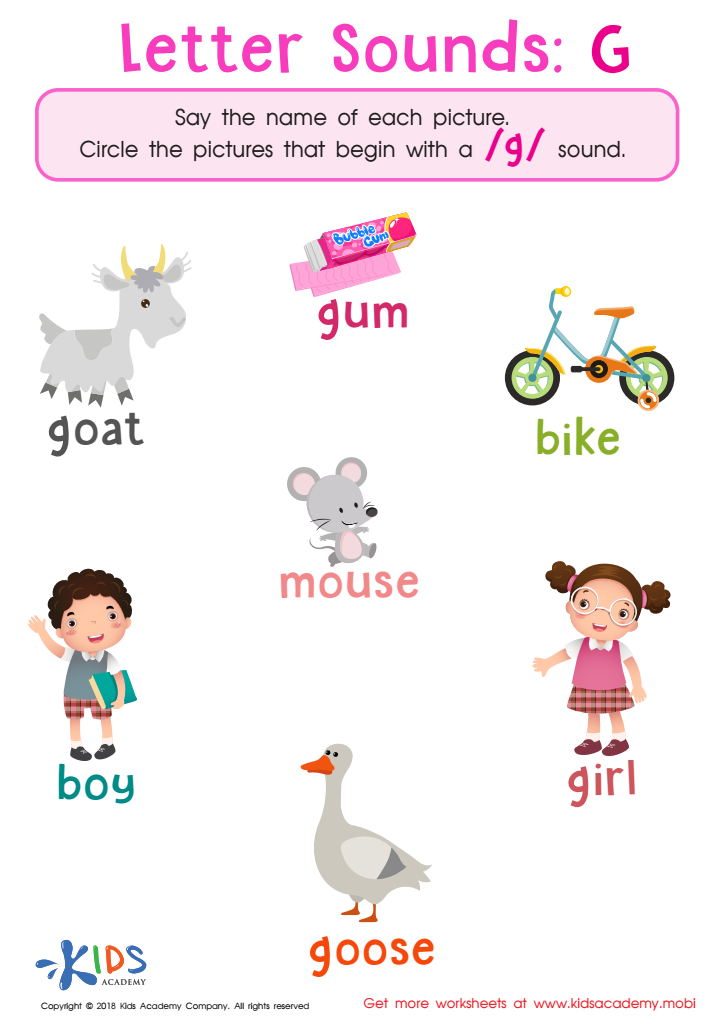
Letter G Sounds Worksheet
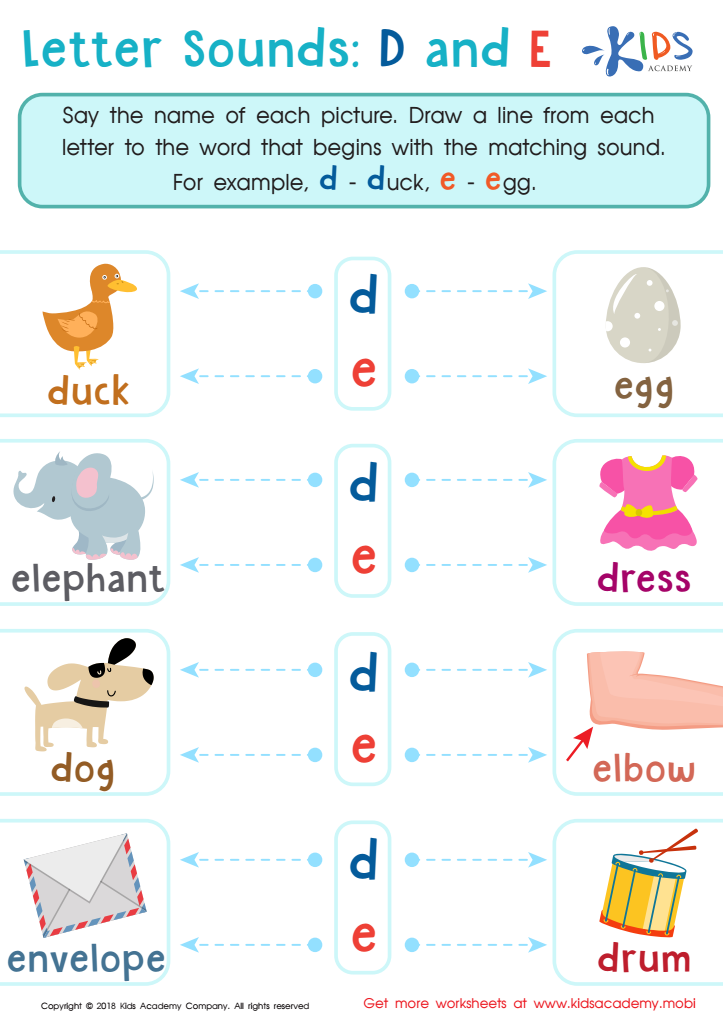
Letter D and E Sounds Worksheet



.jpg)




Parents and teachers should prioritize Sound Association with the Normal Alphabet for children ages 4-6 because it lays the foundation for early literacy skills. At this developmental stage, children are naturally curious and highly receptive to learning. Sound Association helps them connect spoken sounds with written letters, which is crucial for developing phonemic awareness—the understanding that words consist of individual sounds.
By fostering these associations, children gain the tools they need to decode words, which is essential for reading. When they understand that different letters represent specific sounds, they'll be more confident in tackling new words independently. This skill helps them move from phonetic reading to more fluent reading as they progress.
Moreover, engaging in Sound Association activities makes learning enjoyable and interactive. Utilizing songs, rhymes, and games can captivate children's attention, making literacy acquisition a fun experience. Additionally, improved literacy skills correlate with better academic performance in other subjects as children grow.
Ultimately, supporting sound-letter associations during these formative years cultivates a love for reading, enhances comprehension, and prepares children for future educational success. By focusing on this early literacy skill, parents and teachers can significantly impact their children's lifelong learning journey.







